Water returns to Iraq's UNESCO-listed Al-Huwaizeh marshes after four years of drought


Shafaq News- Maysan
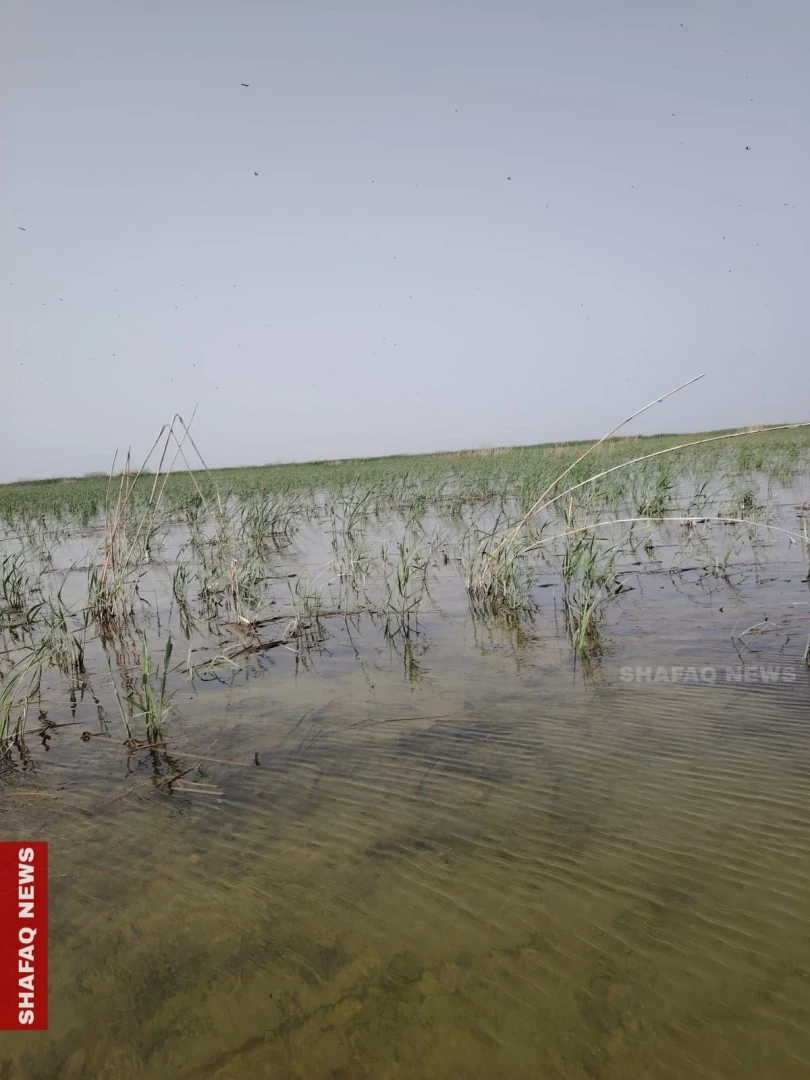
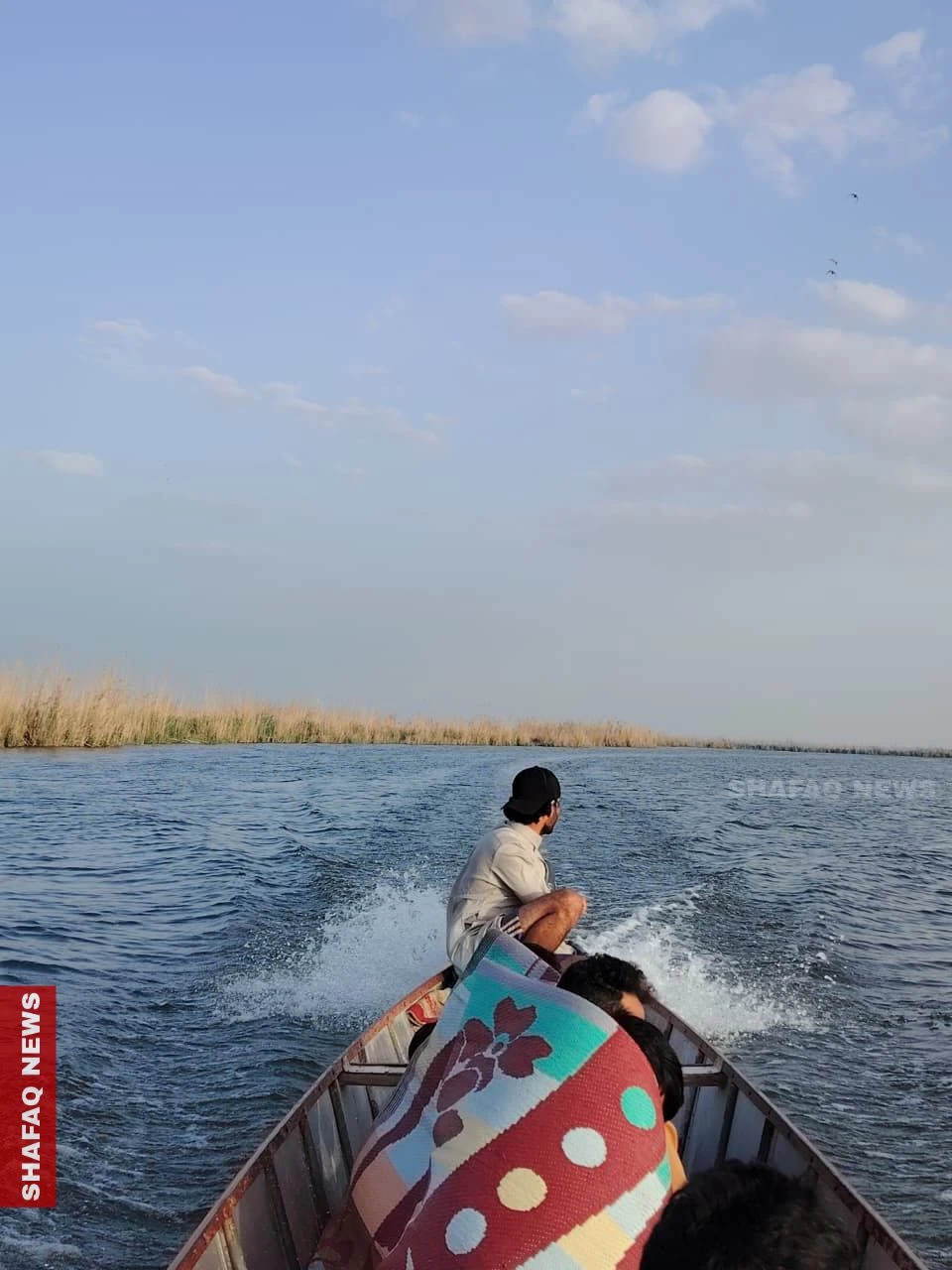
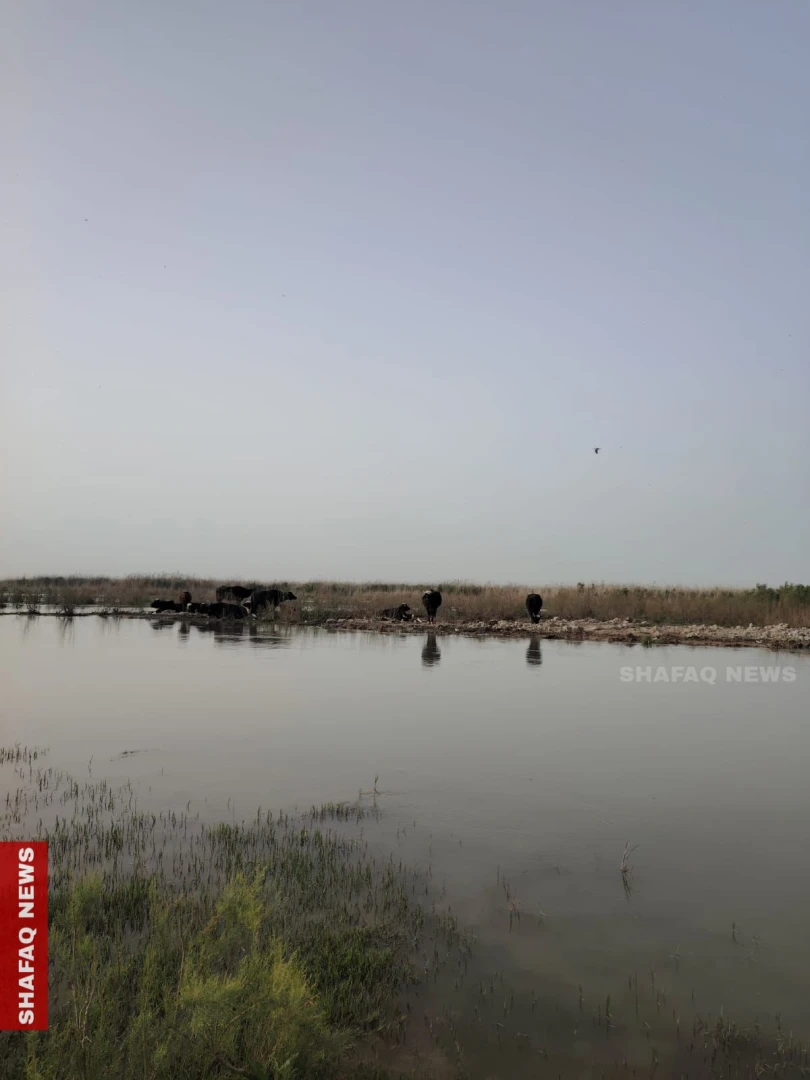
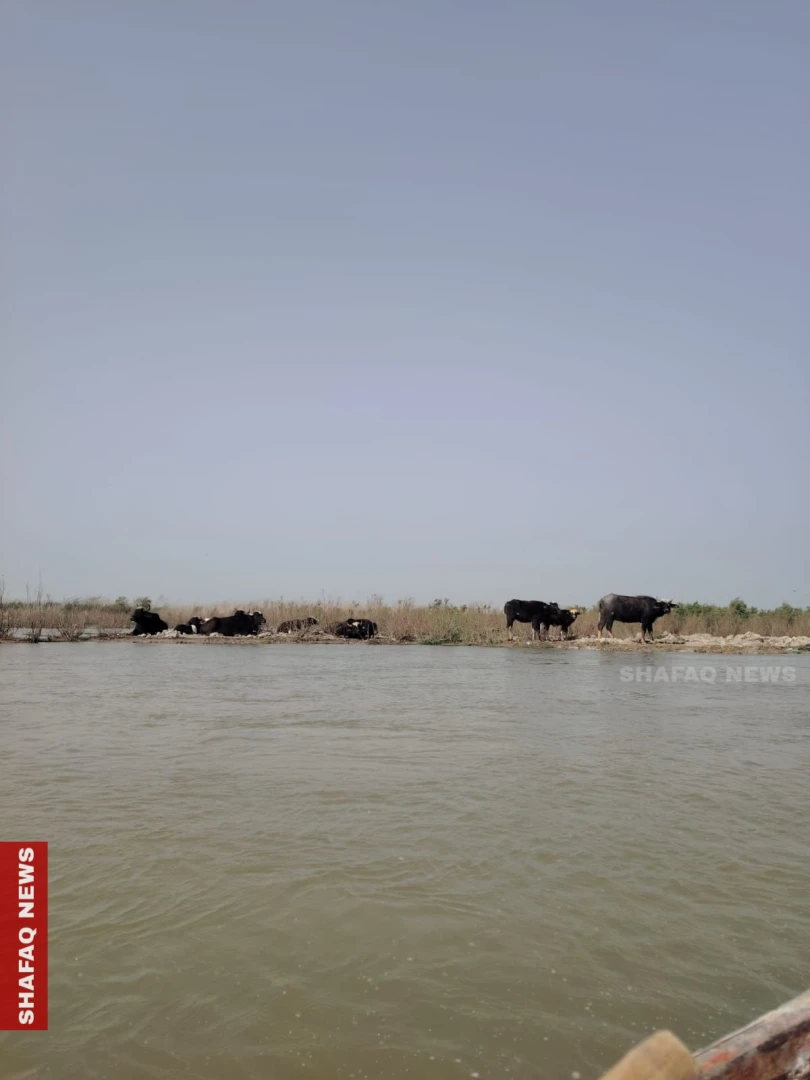
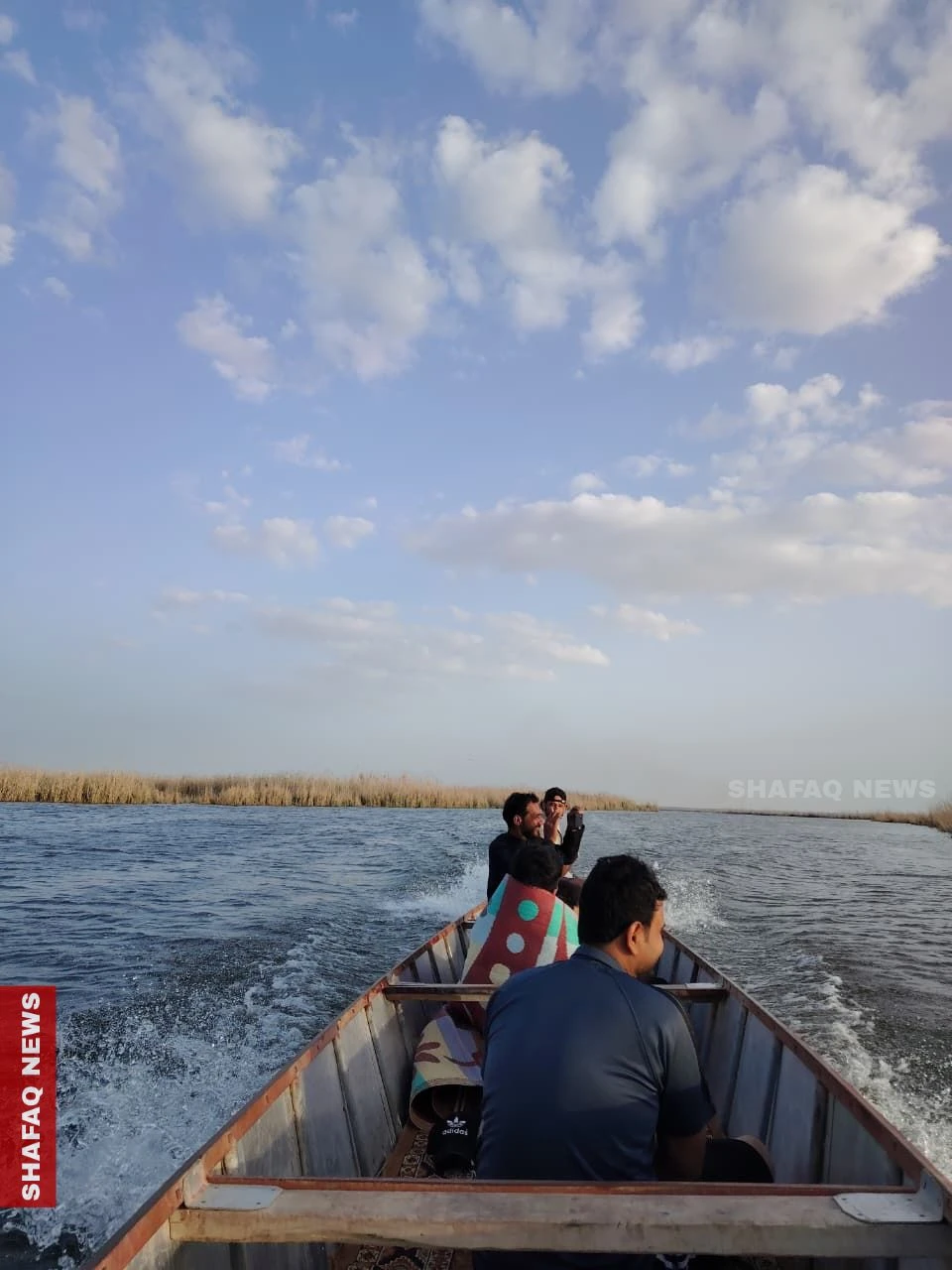
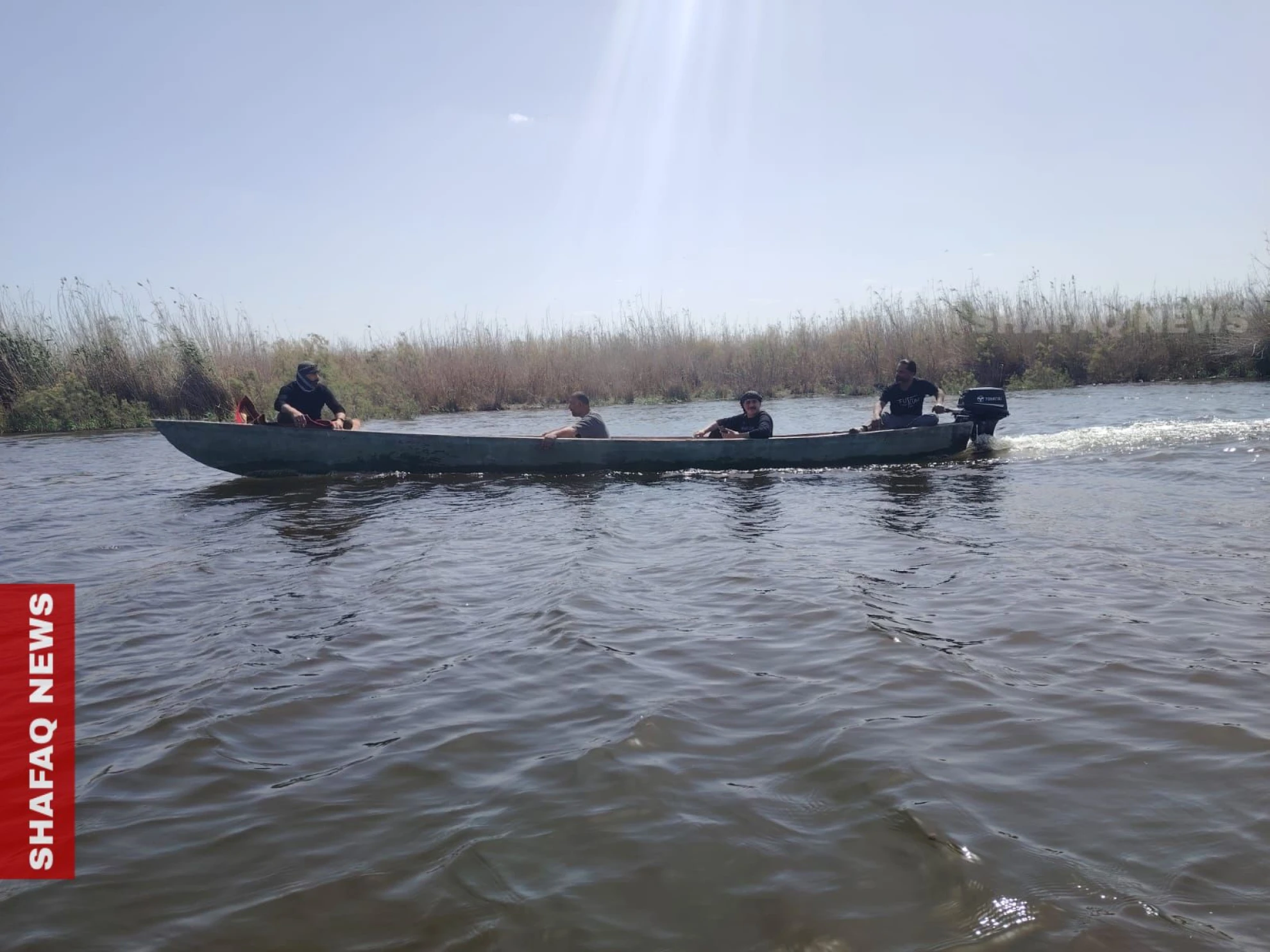
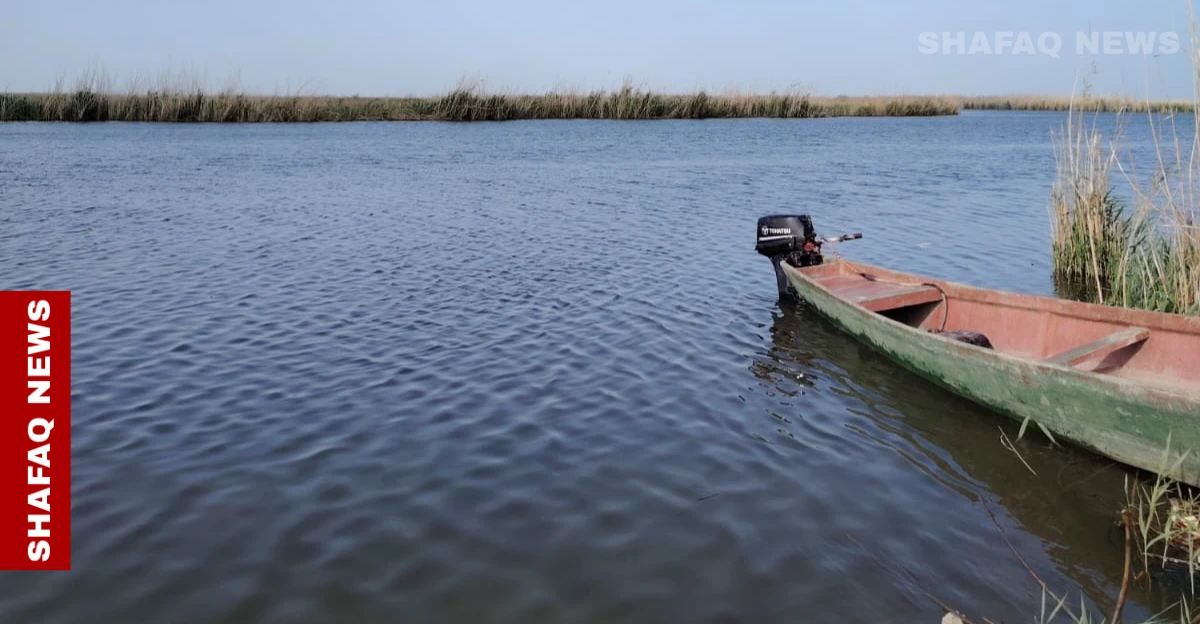
Water levels have risen across large parts of the Al-Huwaizeh marshes in Maysan province, southern Iraq, marking the first significant recovery of the UNESCO-listed al-Ahwar marshes after more than four years of near-total drought.
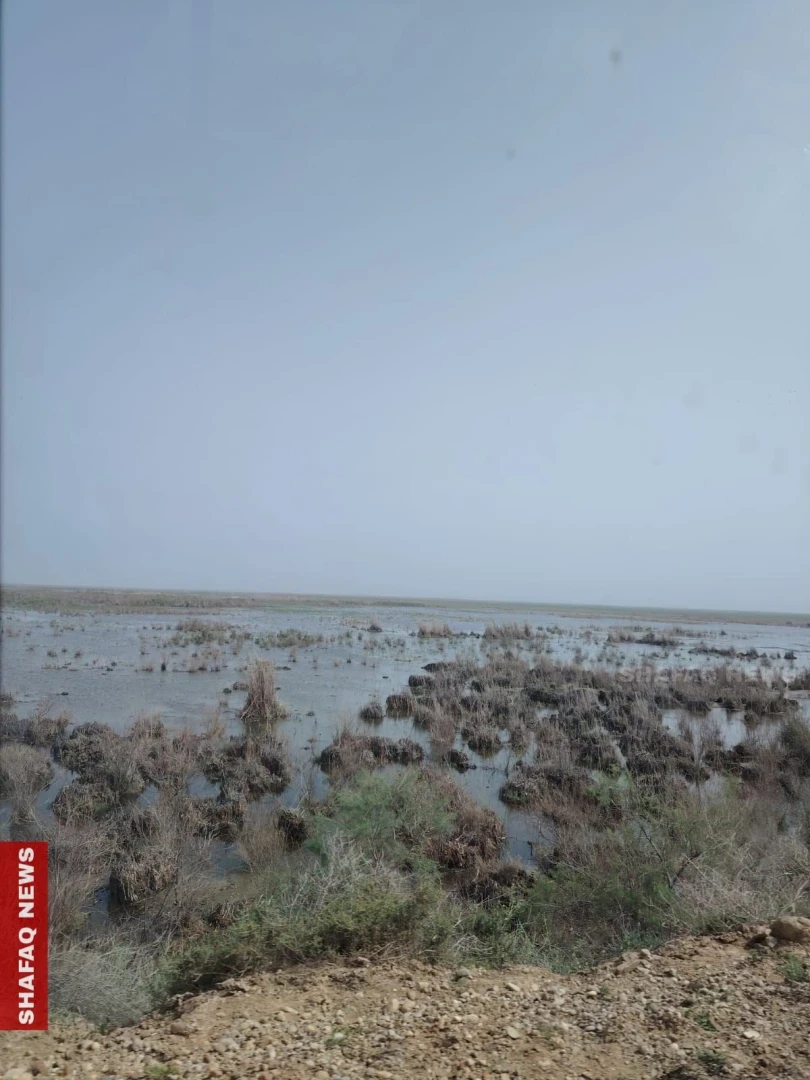
Mortada Al-Janoubi, an environmental activist in the province, told Shafaq News that levels in some areas have exceeded 50 centimeters in zones that were previously completely dry, driven by heavy rainfall across Iraq in recent weeks and large flood flows entering the country from the east and north.
The recovery, according to Al-Janoubi, has also slowed a wave of forced displacement. The four-year drought had pushed the majority of marsh residents to abandon their homes, part of a broader pattern in which 37,000 people have migrated from southern Iraq due to climate-related water shortages, but “even this partial return of water had persuaded some who had planned to leave this year to stay.”
Read more: Iraq’s water crisis deepens: Reserves collapse, mismanagement continues
The recovery, however, remains fragile because Iraq's current water reserves stand at 18 billion cubic meters, which Al-Janoubi described as sufficient to meet national needs through the coming winter, but only under strict management — and well short of the 48 to 50 billion cubic meters experts estimate Iraq needs to fully revive the marshes, sustain agriculture, and meet growing consumption demands.
He pointed to 2023 as a cautionary precedent, when reserves reached 23 billion cubic meters yet poor water allocation caused acute drought across lower river stretches and southern regions. As recently as 2024, the water level of the Euphrates in Al-Chibayish had fallen to just 55 centimeters, compared to 194 centimeters in 2019, with only about 25 percent of the marshes' water needs being met.
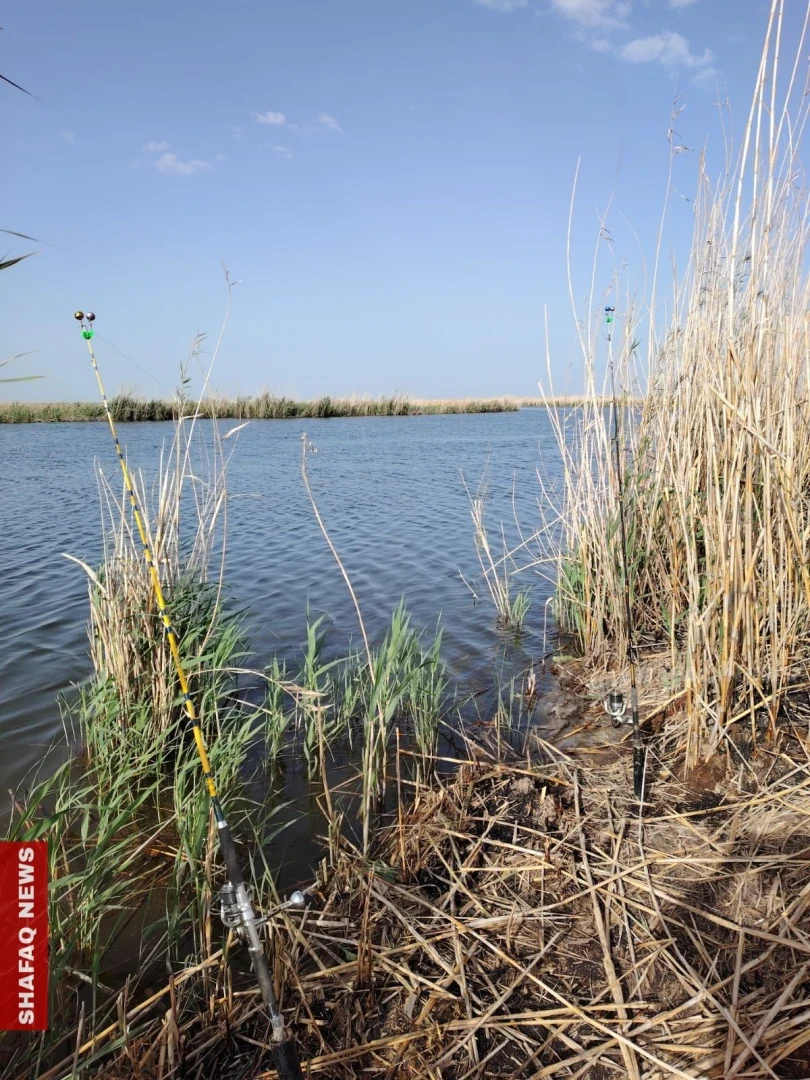
The al-Ahwar marshes, inscribed as a UNESCO World Heritage Site in 2016, are among the largest wetland ecosystems in the Middle East and were historically home to the Marsh Arabs, one of the world's oldest continuous civilizations.
Iraq ranks among the five countries most vulnerable to climate change, and the marshes have borne much of that burden — with water levels continuing to drop, large numbers of birds and animals that depend on the wetlands have died, posing a serious threat to Iraq's food and environmental security.
Read more: Thirsty for solutions: Water scarcity grips Iraq
The crisis is compounded by a sharp reduction in water flows from upstream countries. Turkiye's Southeastern Anatolia Project, which includes 22 dams and 19 hydroelectric plants, gives Ankara control over 90 percent of the Euphrates and nearly half of the Tigris, while Iran has similarly reduced its tributary flows into Iraq. Baghdad and Ankara signed a water-cooperation framework on November 2, 2025, committing Turkiye to supply Iraq with approximately one billion cubic meters of water to help ease severe shortages — though experts warn the agreement alone will not be sufficient to reverse years of accumulated deficit.