Waste collection misses one-third of Iraqis


Shafaq News- Baghdad
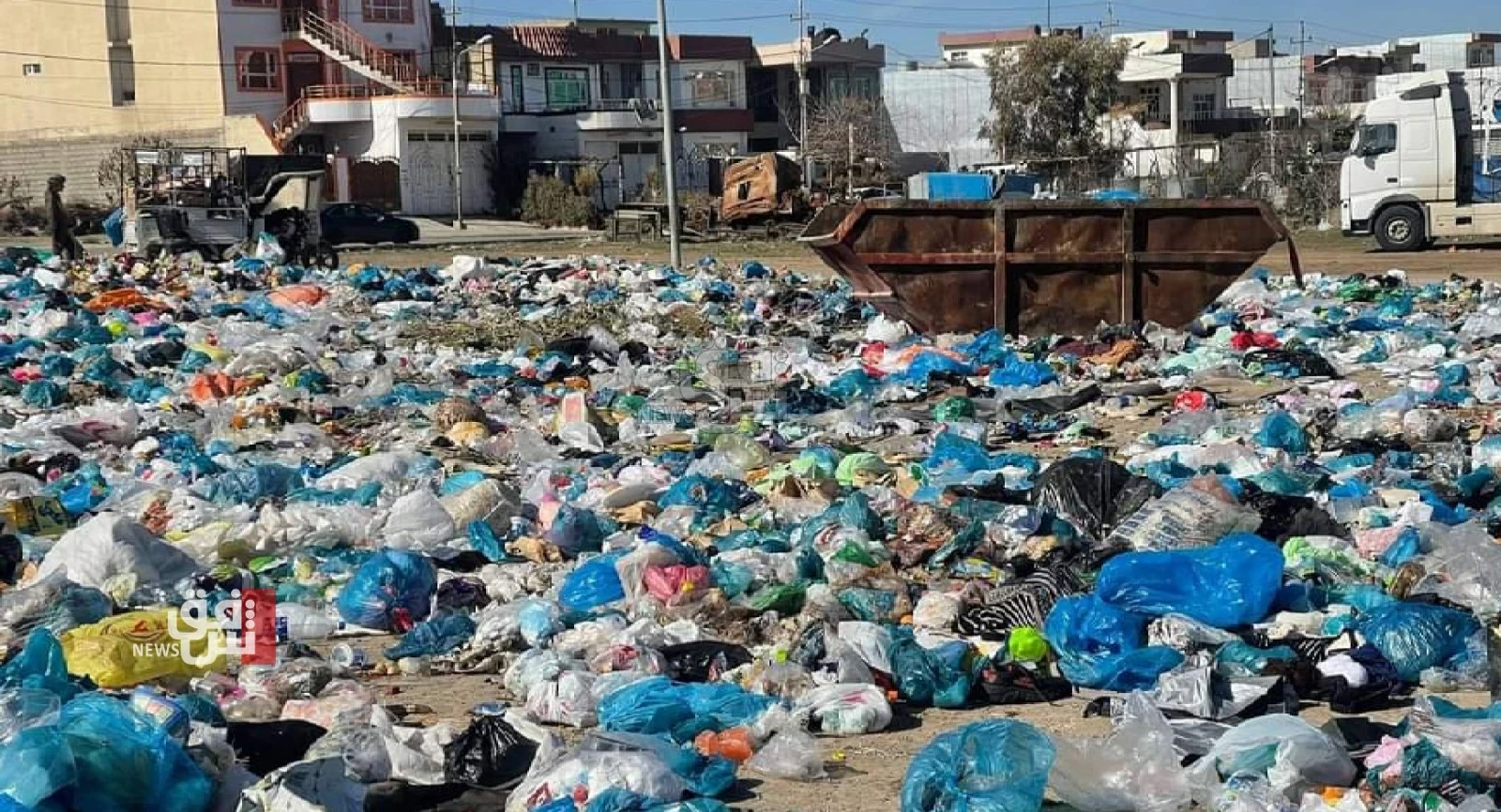
Nearly one-third of Iraq’s population lacks waste collection and transport services, with coverage reaching just 16% in rural areas, according to 2025 data from the Central Statistical Organization (CSO).
Waste collection coverage nationwide stood at 68.6%, compared with 93.5% in urban areas. Among provinces, Kirkuk recorded 100% urban coverage, while Al-Diwaniyah (Al-Qadisiyah) had the lowest rate at 76.6%.
The data highlighted gaps in waste management infrastructure, with 30 formal transfer stations nationwide, 28 of them environmentally approved, compared with 60 informal temporary collection sites, 55 of which lacked environmental approval. Iraq also had 198 waste disposal sites.
Hazardous waste collection was reported in five provinces —Diyala, Al-Anbar, Wasit, Najaf, and Al-Muthanna— where a combined 42.4 tons were collected daily, while no hazardous waste collection was recorded in the remaining provinces.
For ordinary waste, about 1,267.8 tons were recycled daily (about 323,300 tons annually), representing roughly 53% of the total. The country had three sorting and recycling plants, one operating in Al-Mahmoudiyah, south of Baghdad, and two are also under construction in the capital.
The CSO identified shortages of vehicles, limited funding, improper waste disposal, and low public awareness as challenges reported across all provinces. Administrative and regulatory obstacles were also recorded nationwide, including gaps in relevant legislation and difficulties obtaining official approvals and allocating land for disposal sites.
Read more: The cost of filth: Iraq among the world’s most polluted nations