War grounds travel: Airfare surge paralyzes Iraq’s tourism sector
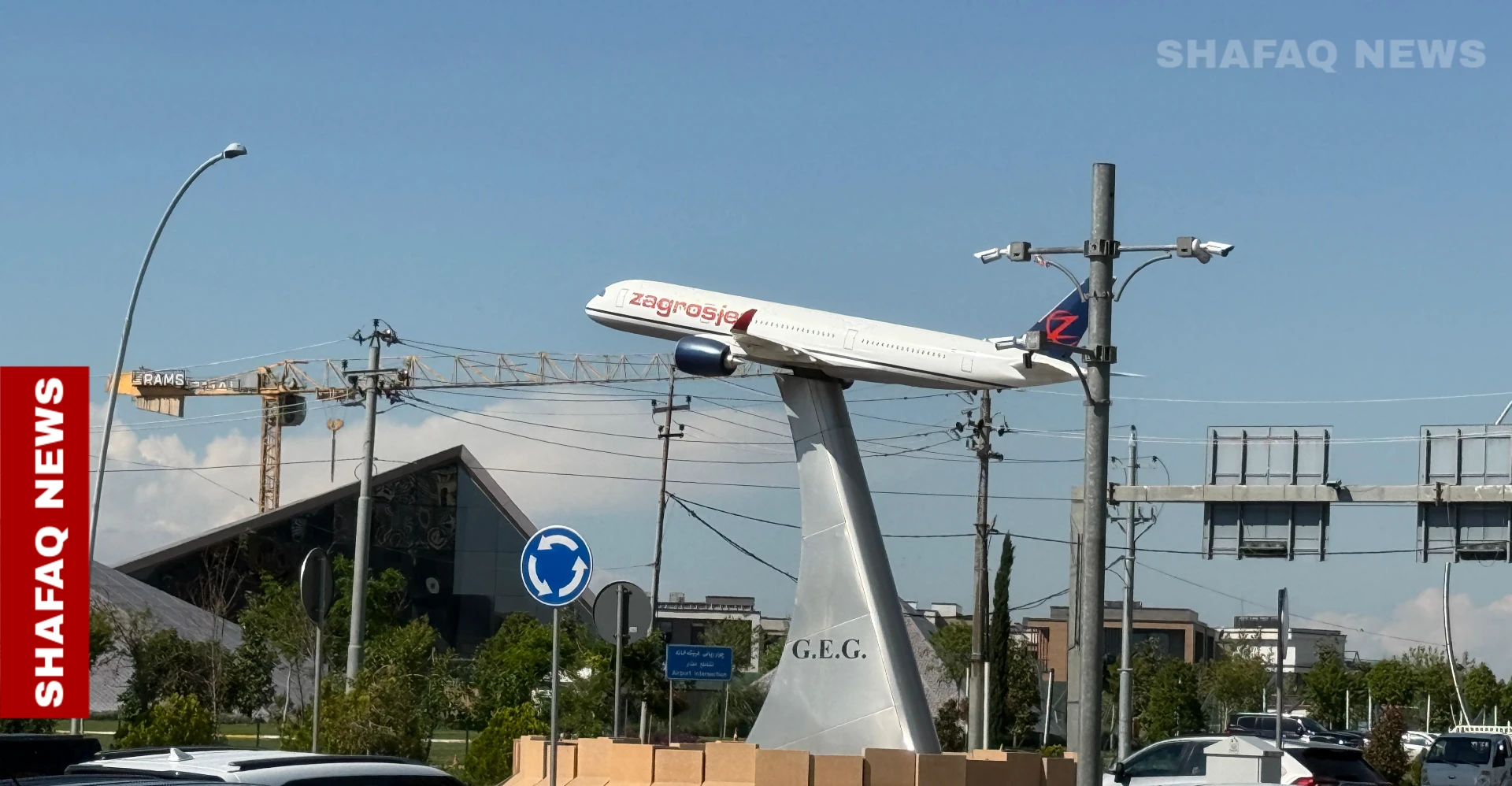


Shafaq News- Erbil
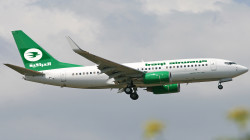
Air travel disruptions triggered by the recent regional war have driven up ticket prices and pushed Iraq’s tourism and travel sector into a broad slowdown, echoing the impact seen during COVID-19-era airspace closures.
A field report by Shafaq News found significant losses affecting both companies and passengers, amid concerns the economic fallout may persist.
Raya Mohammed, manager of an Erbil-based Iraqi travel and tourism company, described the sector as heavily damaged, calling the crisis a second major blow after the pandemic. She indicated that air traffic halted completely during the conflict, bringing business activity to a standstill, while the recent resumption of flights has been accompanied by ticket price increases of up to 90% compared to pre-war levels.
Companies are now attempting to attract customers by restructuring bookings and delaying some travel plans in anticipation of lower prices, Mohammed indicated, noting that activity is gradually returning alongside hopes that current stability will hold and support recovery.
Zhiyan, a traveler, pointed to the financial strain on individuals with business and professional commitments, saying many passengers are abandoning air travel for nearby destinations in favor of land routes, while others are postponing long-distance trips due to high and unpredictable costs.
The surge in ticket prices has affected global travel demand beyond Iraq, with lower seat occupancy rates —including in economy class— cutting into airline revenues, according to industry data.
Fuel typically accounts for about one-third of airline operating costs, and the sharp rise in prices since the outbreak of war in late February has increasingly outpaced hedging strategies, prompting European carriers such as easyJet and TUI to revise their outlooks.
Cathay Pacific reported a 59% drop in net profit for the first half of the year, citing higher fuel costs and weaker demand for economy-class seats, according to Agence France-Presse. The Hong Kong-based airline posted earnings of 2.8 billion Hong Kong dollars ($359 million), down from 6.84 billion a year earlier, despite a 13.2% increase in revenue.
Taiwan’s China Airlines also reported a sharp decline in first-half net profit and lowered its forecasts after record oil prices weighed on its financial performance. The airline said net profit for the six months ending in June fell to $694.83 million from $1.23 billion a year earlier, while sales rose from $43.79 billion to $49.81 billion.