Tikrit’s “Palace of the Girl” caught between folklore, history, and neglect


Shafaq News- Saladin
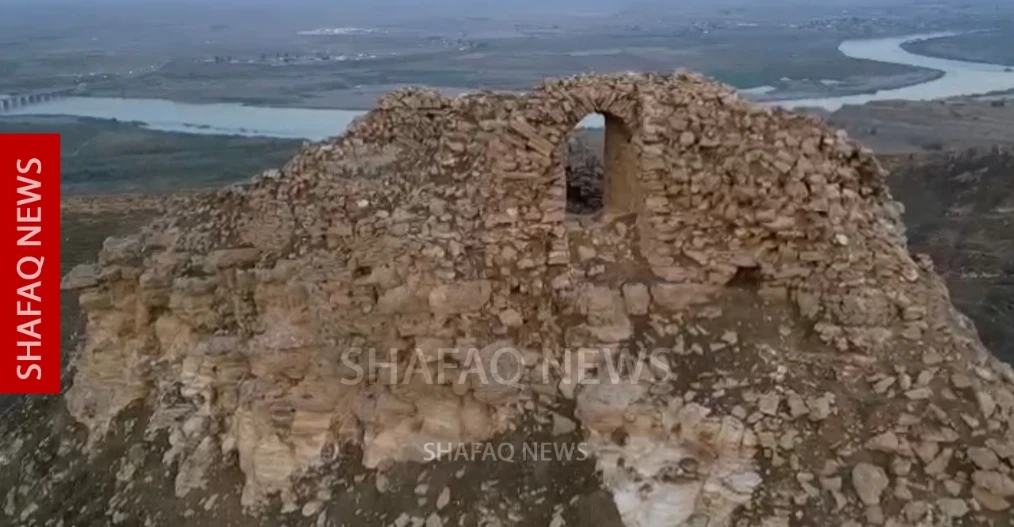
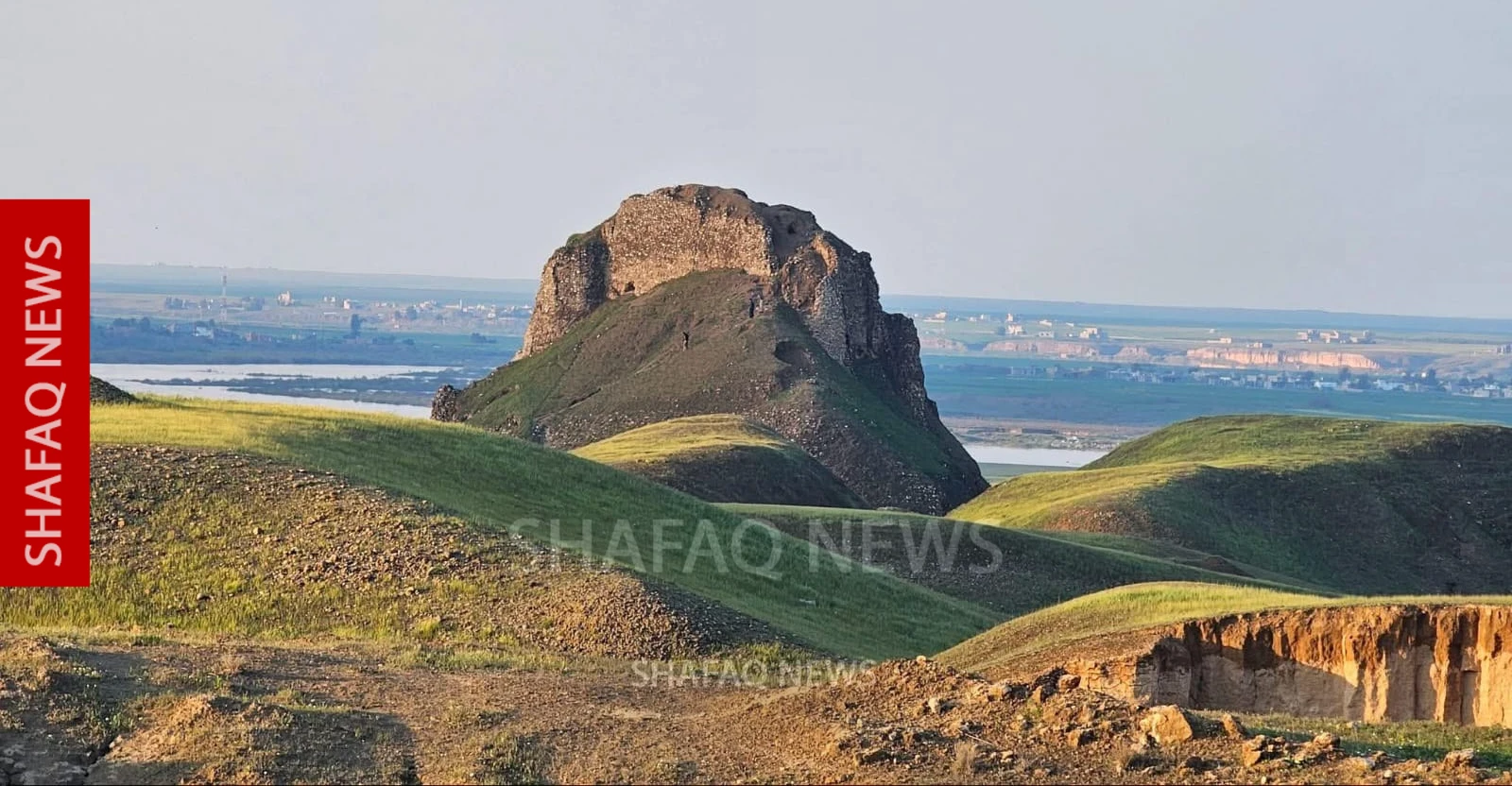
One of Iraq’s most mysterious heritage sites, is Qasr al-Bint (Palace of the Girl) in Tikrit of Saladin Province, which continues to fuel debate among archaeologists, historians, and residents over its origins, age, and name, while the absence of scientific excavation leaves its true history unresolved.
Located near the Al-Zawiya area inside Tikrit’s old city overlooking the Tigris River, the site sits within a region believed to have witnessed successive civilizations over centuries, embedding it deeply in the city’s collective memory.
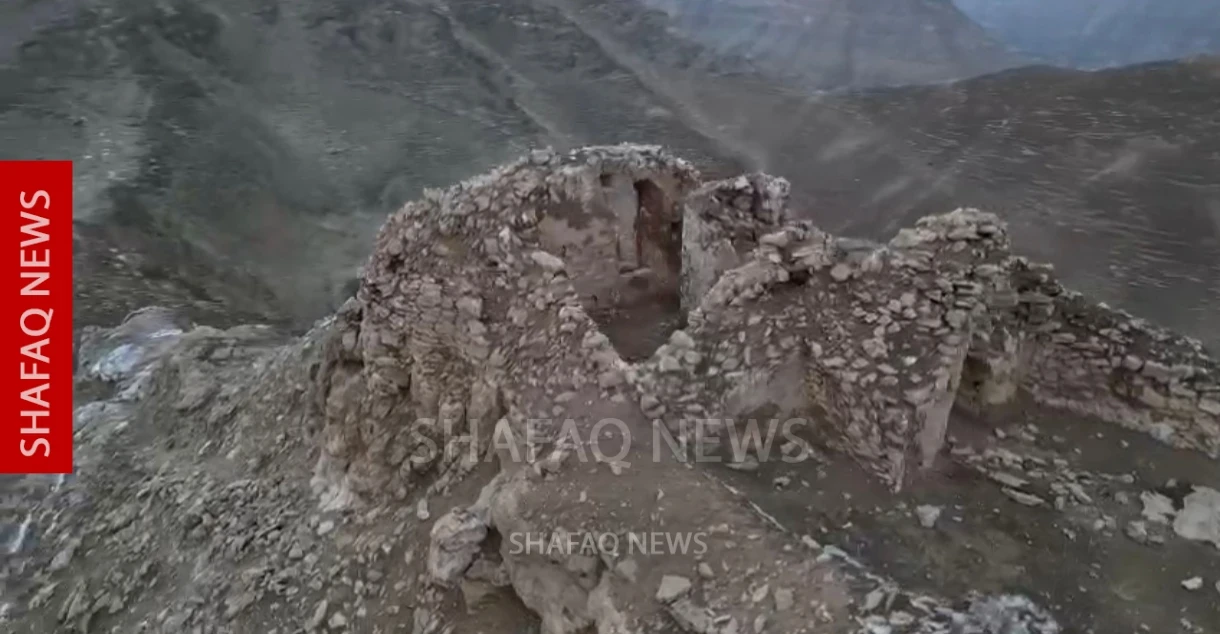
Residents have long circulated competing stories about the name Qasr al-Bint. Some claim the structure belonged to the daughter of an ancient ruler who died during an invasion or unrest, while others link it to folkloric tales involving conflict, protection, or social rejection.
In recent years, social media narratives have attempted to connect the site to ancient Sumerian or Chaldean civilizations, though specialists say such claims lack archaeological evidence and remain part of unverified popular lore.
Local residents say the site suffers from clear neglect despite its symbolic value, noting that no organized modern archaeological excavations have been conducted there to accurately determine its historical layers.
Field researcher and adventurer Ahmed Sultan Ahmed described the site as worthy of serious archaeological attention due to “poorly studied historical layers” and the confusion between oral tradition and historical fact.
“The site requires modern geological and archaeological surveys,” Ahmed told Shafaq News, adding that some field indicators suggest the existence of ancient structural remains, though no conclusions can be drawn without systematic excavations.
Archaeologist Jalil Al-Jubouri rejected claims linking the site to civilizations dating back thousands of years before Christ, saying no scientific evidence currently supports such assertions.
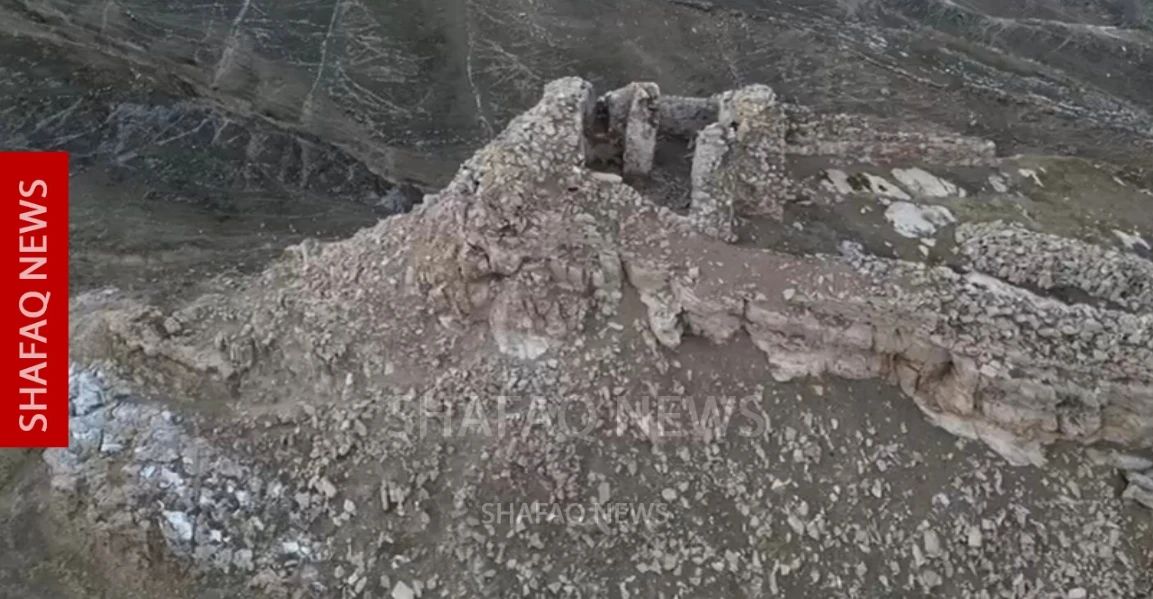
He noted that many historical sites in Saladin province date to Islamic or relatively later periods compared with southern Iraq’s Sumerian and Babylonian centers, adding that mythological naming traditions are common in Iraq but should be separated from verified archaeological facts.
A source in the Saladin Antiquities and Heritage Directorate confirmed that the site has not yet undergone any official excavation work or modern field studies. He said any future work would require funding allocations and coordinated scientific planning with Iraq’s State Board of Antiquities and Heritage.
Local resident Omar Saadoun described the site as “mysterious” for generations, saying older residents passed down varying stories about its origins. He added that urban expansion and years of neglect have visibly damaged many of its features.
Academic Hassan Al-Azzawi argued that Tikrit’s combination of historical heritage and riverfront geography could make the area an important tourism destination if properly developed. “Qasr al-Bint is not merely a mysterious ruin,” Al-Azzawi told Shafaq News. “It could become part of an integrated tourism and cultural network in the city.”
The researchers say the site reflects a broader phenomenon across Iraq, where poorly documented historical locations gradually become surrounded by myth and oral storytelling in the absence of systematic archaeological work. They have called for the inclusion of Qasr al-Bint in future archaeological survey and excavation plans, suggesting modern technologies such as aerial imaging and geophysical scanning could help reveal the site’s structure without damaging it.
Read more: From Babylon to Erbil: Iraq’s UNESCO sites and those next in line