Shatt al-Arab’s “dangerous” salinity threatens Basra


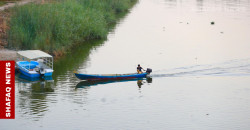
Shafaq News/ Salinity in Iraq’s Shatt al-Arab is reaching dangerous levels, threatening a new toxic water crisis in Basra this summer, the Green Iraq Observatory warned on Monday.
In a statement, the Observatory reported total dissolved solids (TDS) at 14,000 in areas like Abi al-Khasib and Sihan—well above safe limits. Projections also show levels could double in central Basra, nearing half the salinity of seawater.
“These numbers signal a sharp decline in water quality,” the observatory cautioned, warning that heat and government inaction could trigger widespread contamination and health risks.
While urging Baghdad to revive stalled water-sharing talks with neighboring countries and follow through on building desalination plants and a regulatory dam, the observatory called for stricter enforcement against illegal water diversions and industrial extractions, including those by oil firms and influential local actors.
In April, Basra’s Human Rights Commission raised similar alarms, citing reduced flows from the Tigris and Euphrates, growing salinity, and a lack of desalination capacity as “threats” to farming and public health.
Iraq ranks among the world’s five most climate-vulnerable countries, according to the United Nations. The Strategic Center for Human Rights reported earlier this year that Iraq has lost nearly 30% of its arable land in the past 30 years.
Since 2021, water levels have plummeted, drying up farmland and driving displacement. A World Bank report estimates Iraq will need $233 billion in sustainable investments by 2040—roughly 6% of its GDP annually—to build climate resilience and ensure development.