Prophet Muhammad's hair relic attracts visitors to Iraq’s Kirkuk


Shafaq News- Kirkuk
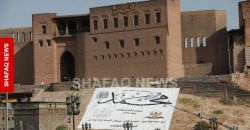
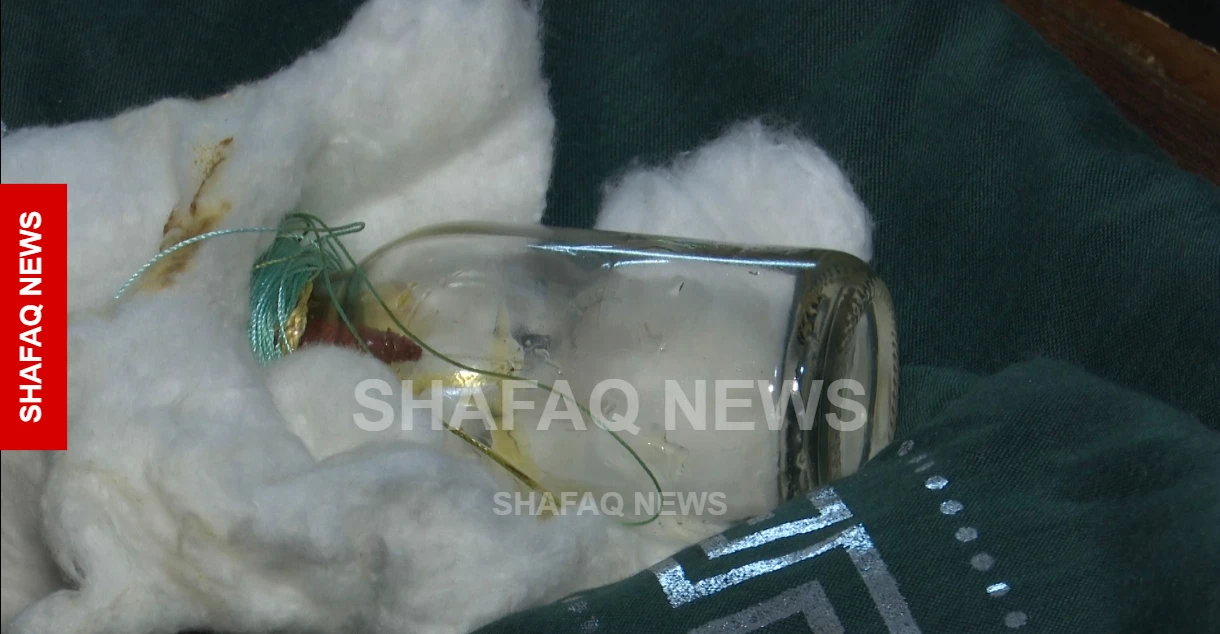
Hundreds of visitors are gathering at Kirkuk Citadel to view a strand of hair attributed to Prophet Muhammad, as celebrations of his birthday (Mawlid) keep alive a religious tradition preserved by one family for generations.
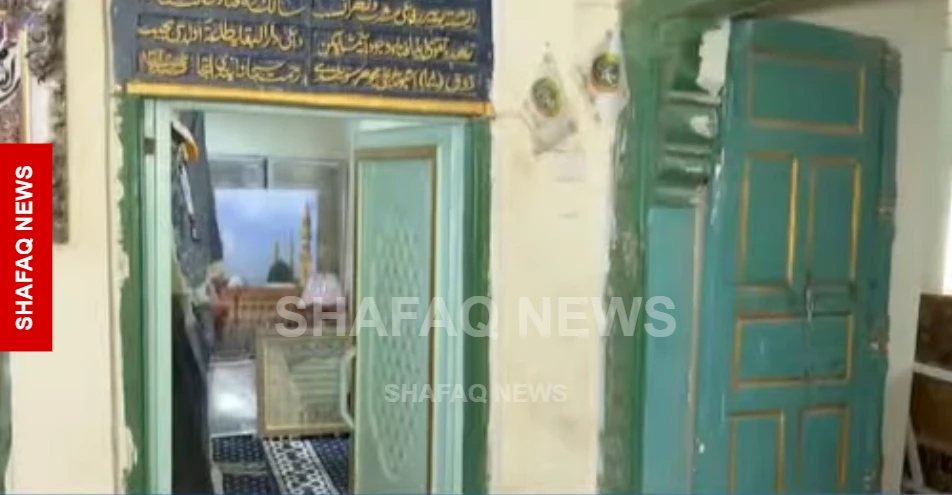
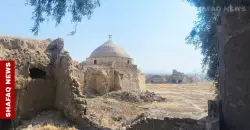
The relic is kept at the Najeeb Tekke, one of the city's oldest religious lodges. The family responsible for the site believes it arrived in Kirkuk from Turkiye during the Ottoman era and has remained in its care ever since. Stored in a special case, the relic is displayed only on major religious occasions, when visitors from across Kirkuk and other Iraqi provinces gather at the historic lodge.
Fikret Najeeb, the current custodian, inherited responsibility for the relic from his father, continuing a duty passed down through generations.
“This hair has been preserved by our family for generations,” Najeeb told Shafaq News. “Our ancestors passed down the responsibility of caring for it, protecting it and preserving it as a relic attributed to the Prophet of Islam.”
Read more: Kurdistan Region marks Prophet Muhammad's birthday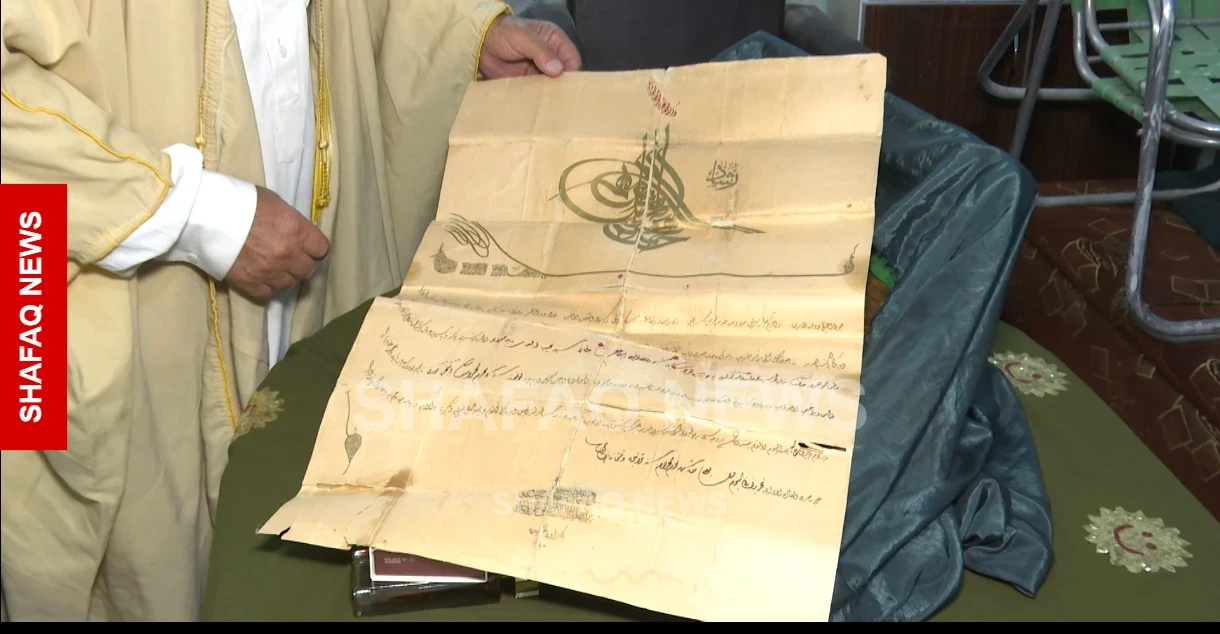
The annual observance also draws attention to Kirkuk's wider heritage of mosques, shrines and tekkes, many of which have formed part of the city's religious landscape for generations.
Salim Majeed, director of the Sunni Endowment Office in Kirkuk, described the anniversary as a time to reflect on the life and teachings of Islam and the values associated with them. “It is an opportunity to remember his life and the values of mercy, tolerance and good character,” Majeed told Shafaq News.
The Najeeb Tekke receives large numbers of visitors during the annual observance, he added, while the Endowment helps preserve many of the site, organizes the flow of visitors while maintaining the sanctity of the facility.
Its location inside Kirkuk Citadel gives the lodge another layer of significance. Historical accounts trace the tekke to the Ottoman era, and it continues to bear the name of Sayyid Muhammad Najeeb.
Read more: Duhok celebrates Prophet Muhammad’s Mawlid
The building's importance, however, extends beyond its walls. “Tekkes in Kirkuk were not only places for worship and religious remembrance,” Abdul Karim Khalifa, a researcher specializing in Kirkuk's history, explained. “They also played educational, social and cultural roles, while strengthening the values of coexistence for which the city is known.”
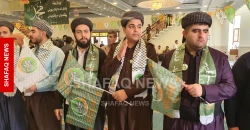
That distinction places the relic at the intersection of documented history and inherited memory. During the annual celebrations, visitors begin arriving at the citadel in the morning. Men and women, young and old, gather at the tekke to visit the site, read the Quran, and offer prayers and blessings.
For many, the gathering serves as both a religious observance and a social occasion, bringing together residents from different parts of Kirkuk.
“Preserving places such as this involves more than maintaining old buildings,” Khalifa remarked. “It requires documenting their history and the traditions connected to them, while distinguishing between established historical records and accounts handed down through generations.”
Read more: Qadiri Sufi followers mark Prophet's birthday in Erbil