Najaf's master tailors keep Abaya alive


Shafaq News- Najaf
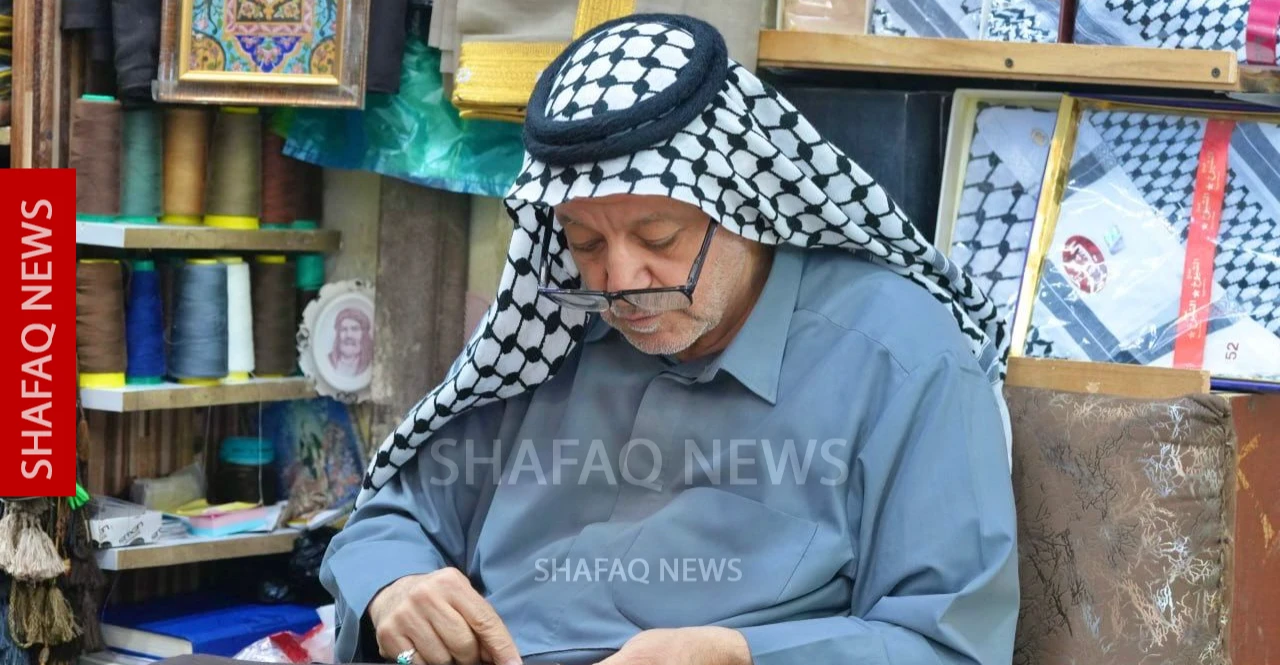
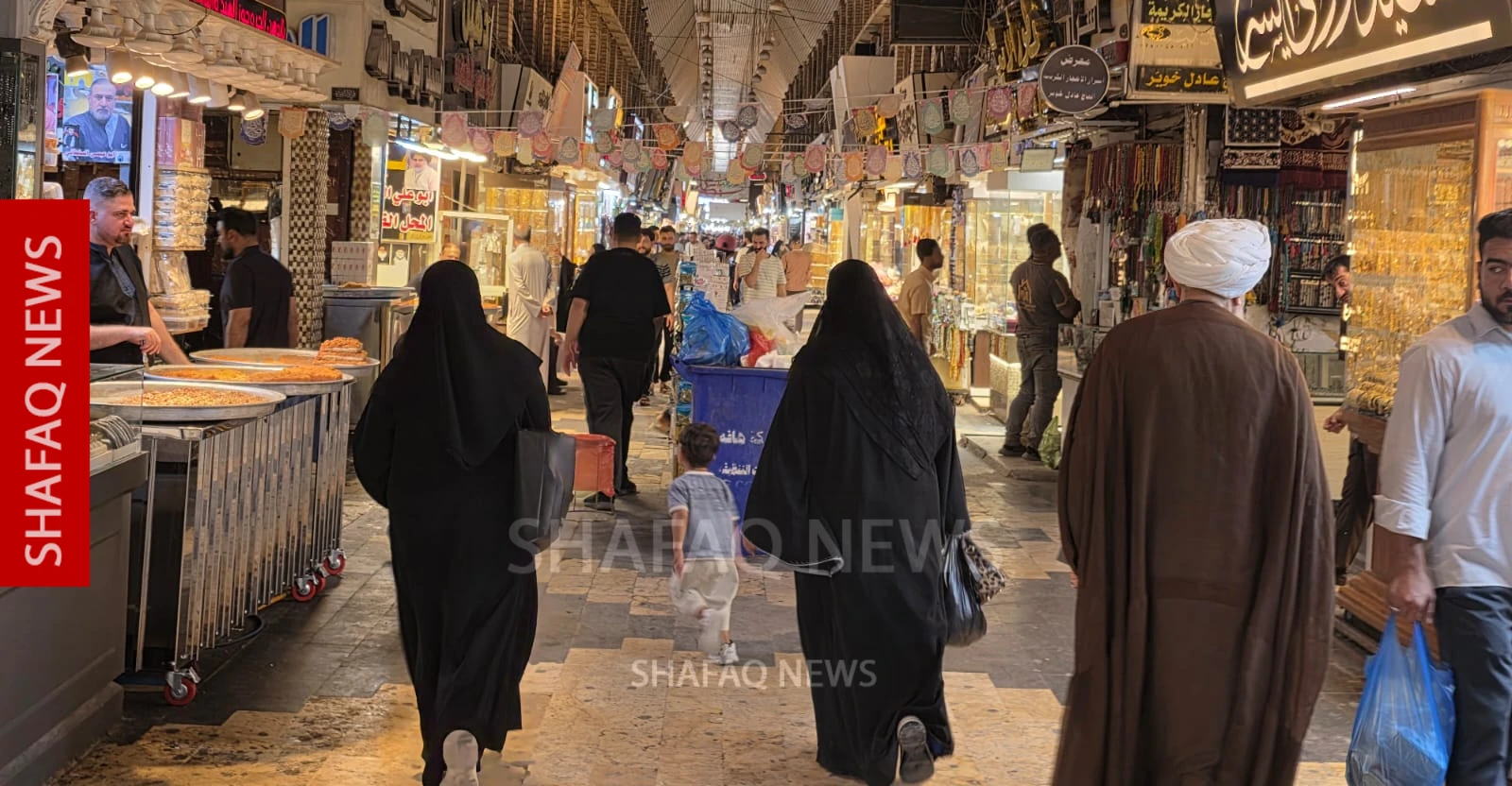
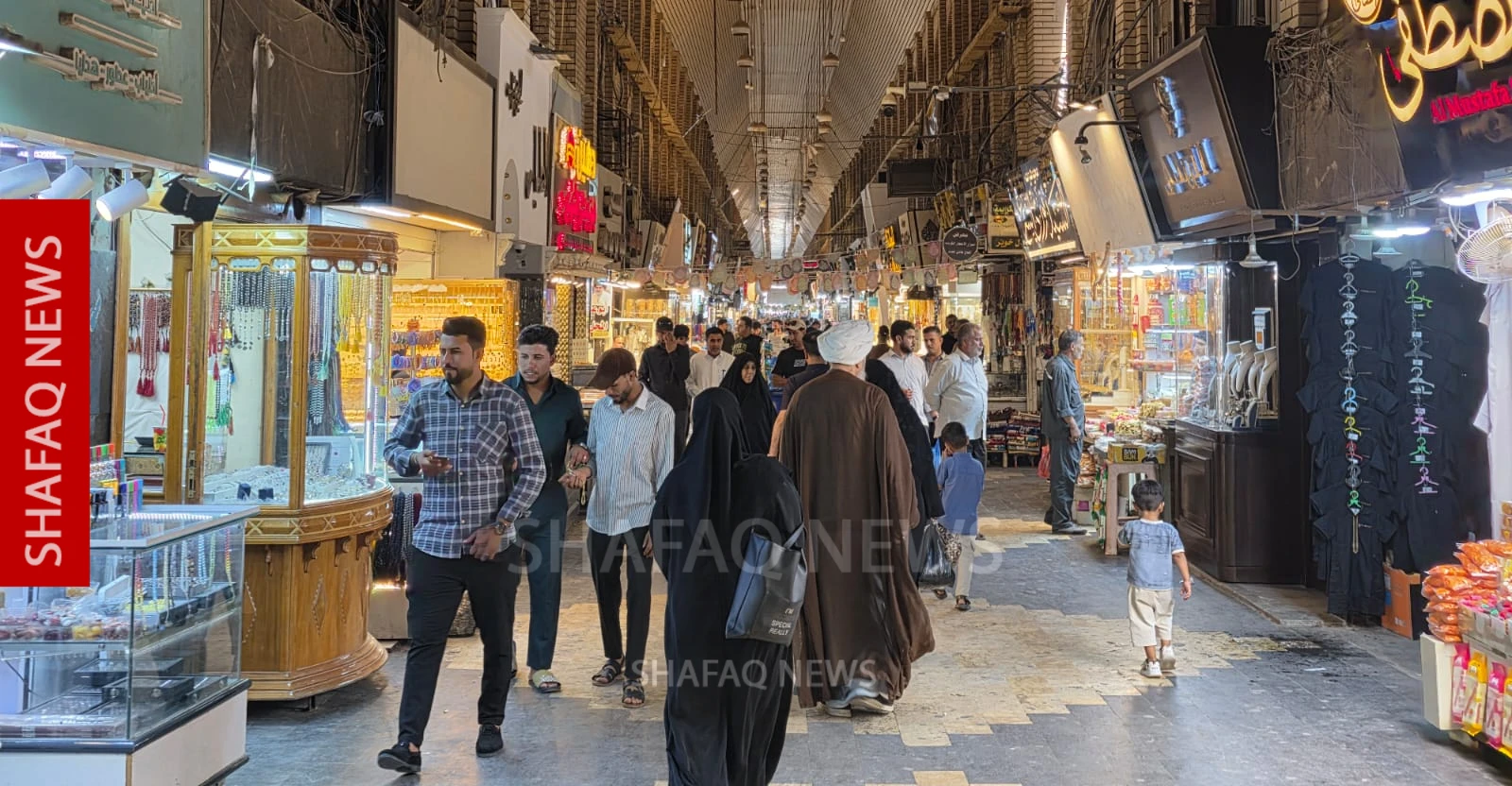
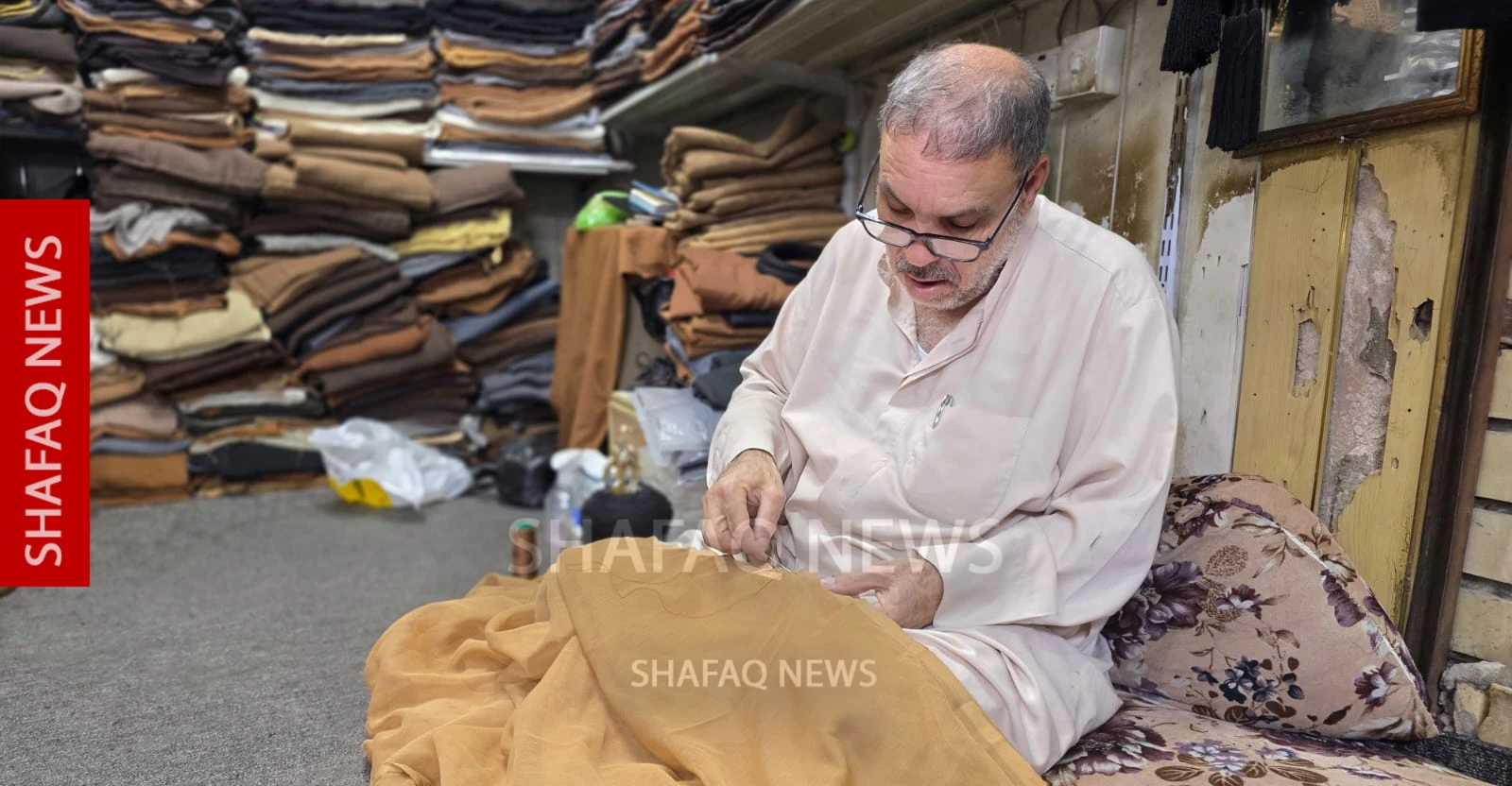
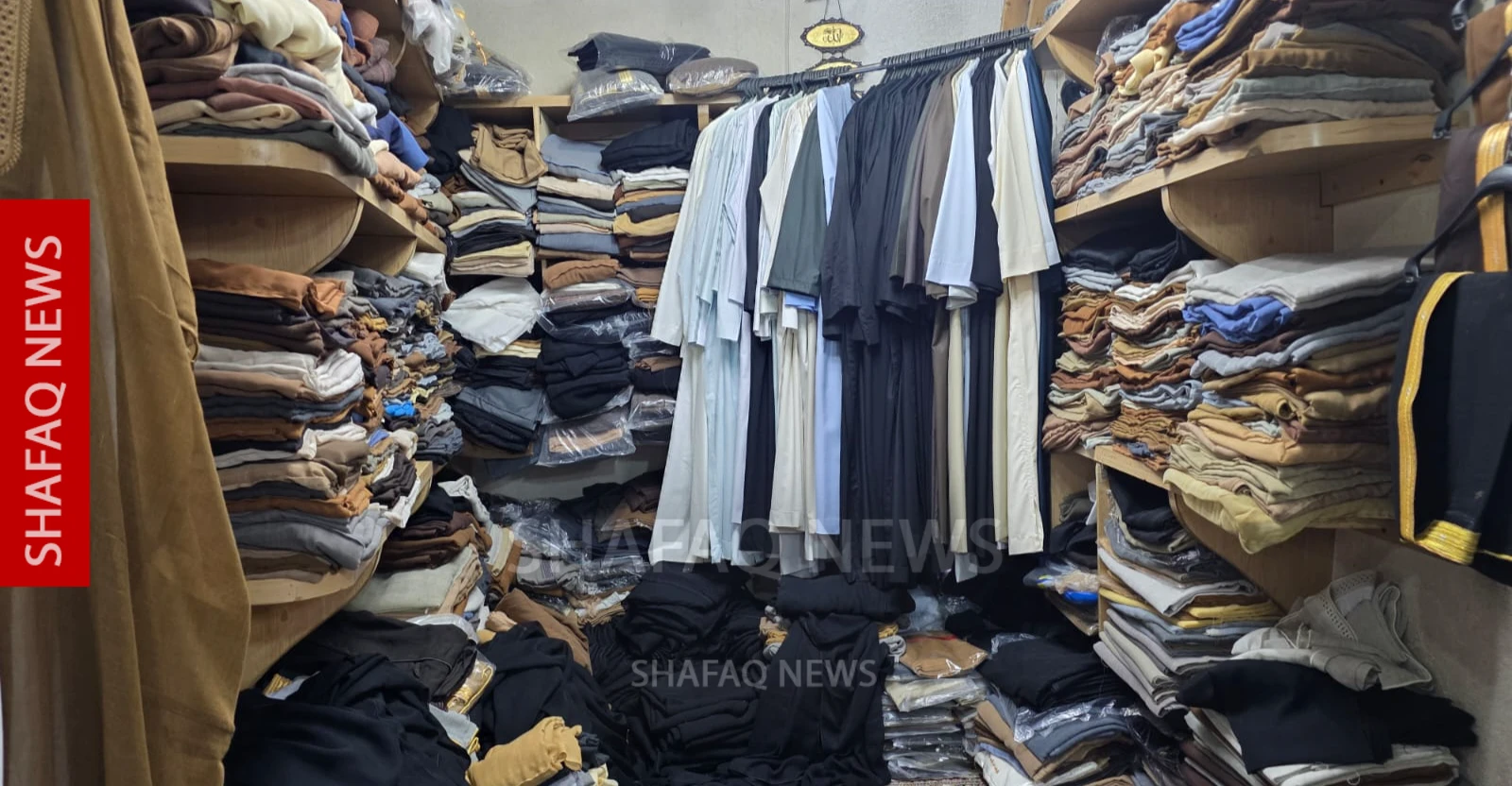
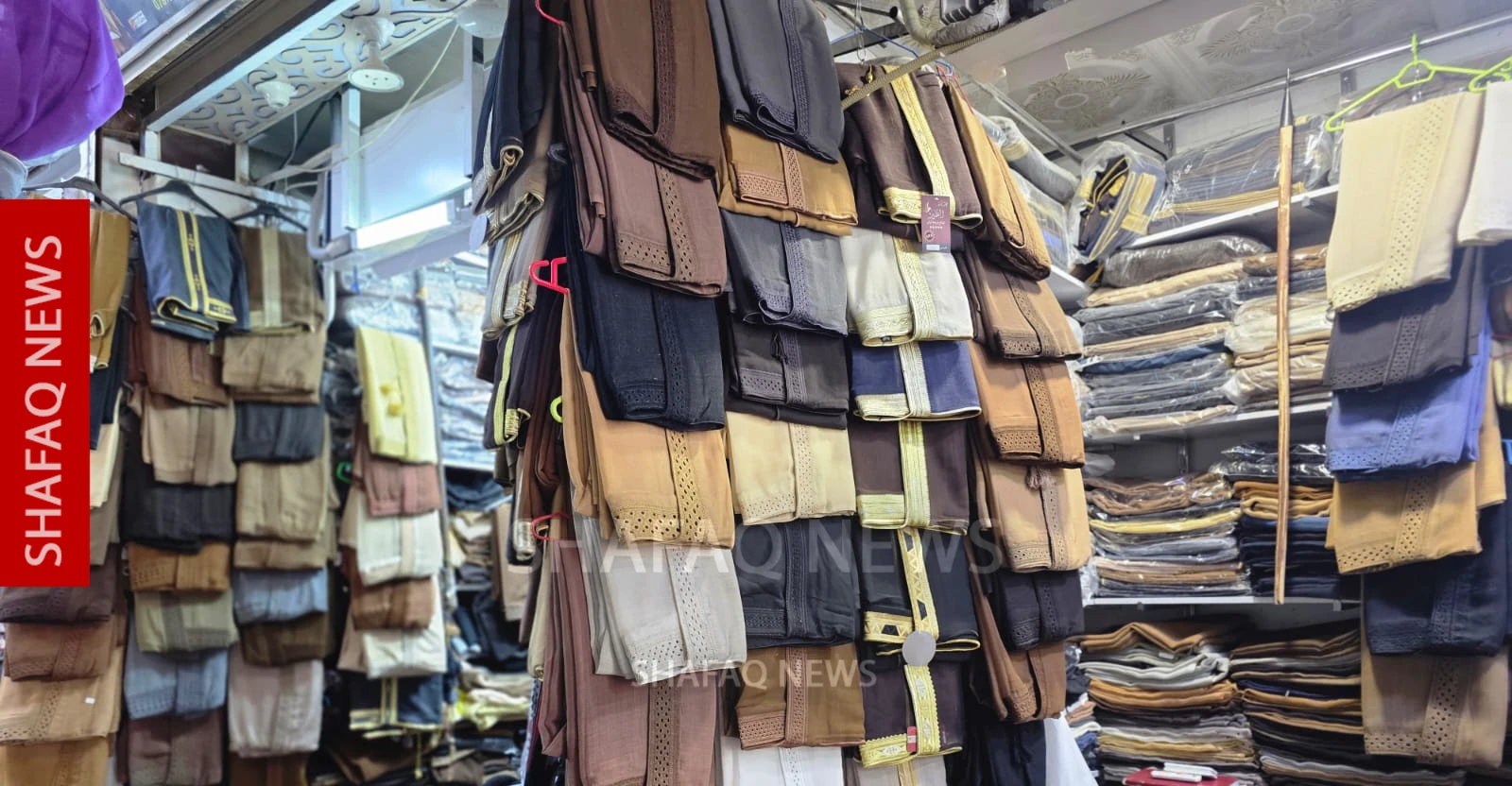
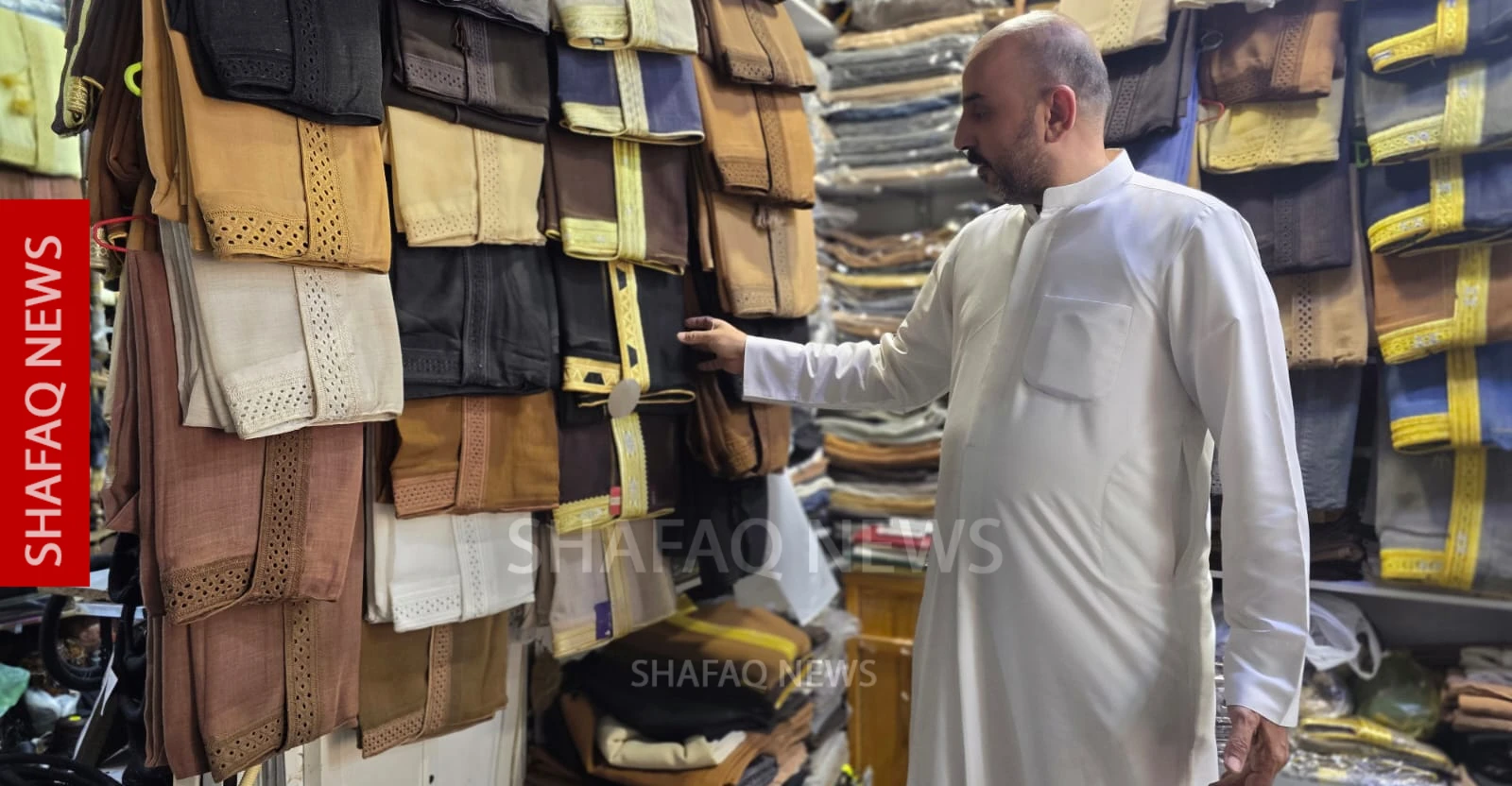
A short walk from the shrine of Imam Ali bin Abi Taleb in Najaf, the first of the twelver Shia Imams, a narrow alley branches off the city's historic Grand Market. Inside modest workshops, veteran craftsmen spend long hours stitching one of Iraq's most enduring symbols of tradition: the Najafi men's abaya.
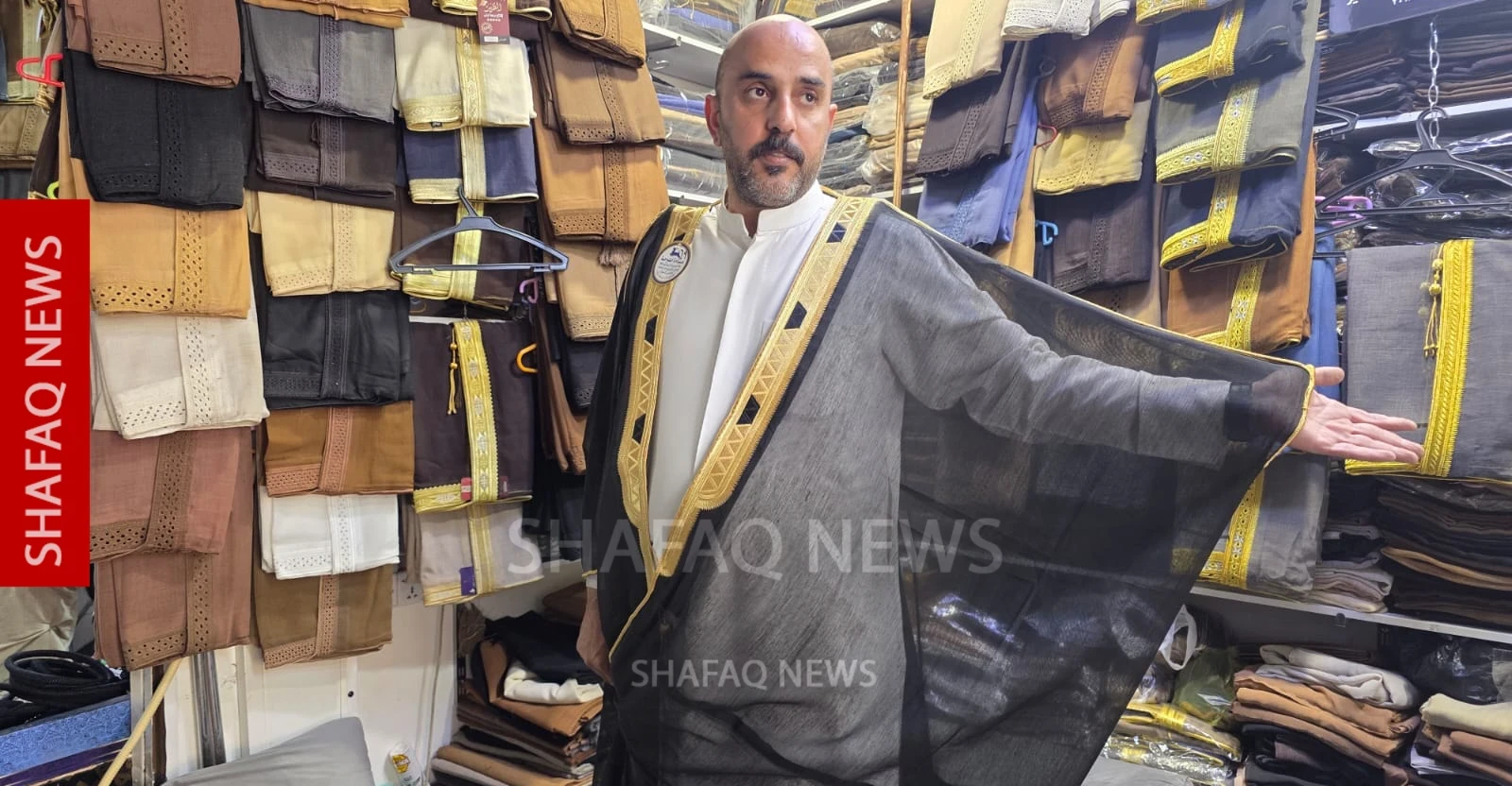
The garment has long stood apart from similar designs elsewhere in Iraq through its lightweight construction, fine craftsmanship, and carefully selected materials. Some premium models weigh as little as 250 grams, making them highly sought after by customers from across Iraq and beyond.
Producing a traditional abaya remains a labor-intensive process. High-quality fibers are cleaned, sorted, and prepared before skilled tailors cut and stitch each piece using techniques passed down through generations.
Abbas Mohammed, who inherited the trade from his family, told Shafaq News that producing a single high-end abaya can take considerable time, particularly those made from camel hair and commissioned by tribal leaders, dignitaries, and religious figures.
The finest Najafi abayas are traditionally crafted from soft camel hair, prized for its light weight, warmth, and durability, with sheep wool common in mid-range designs and blended fabrics increasingly popular among craftsmen balancing quality against affordability. Styles range from the traditional Wabar and Londoni designs to lighter summer variants suited to Iraq's climate.
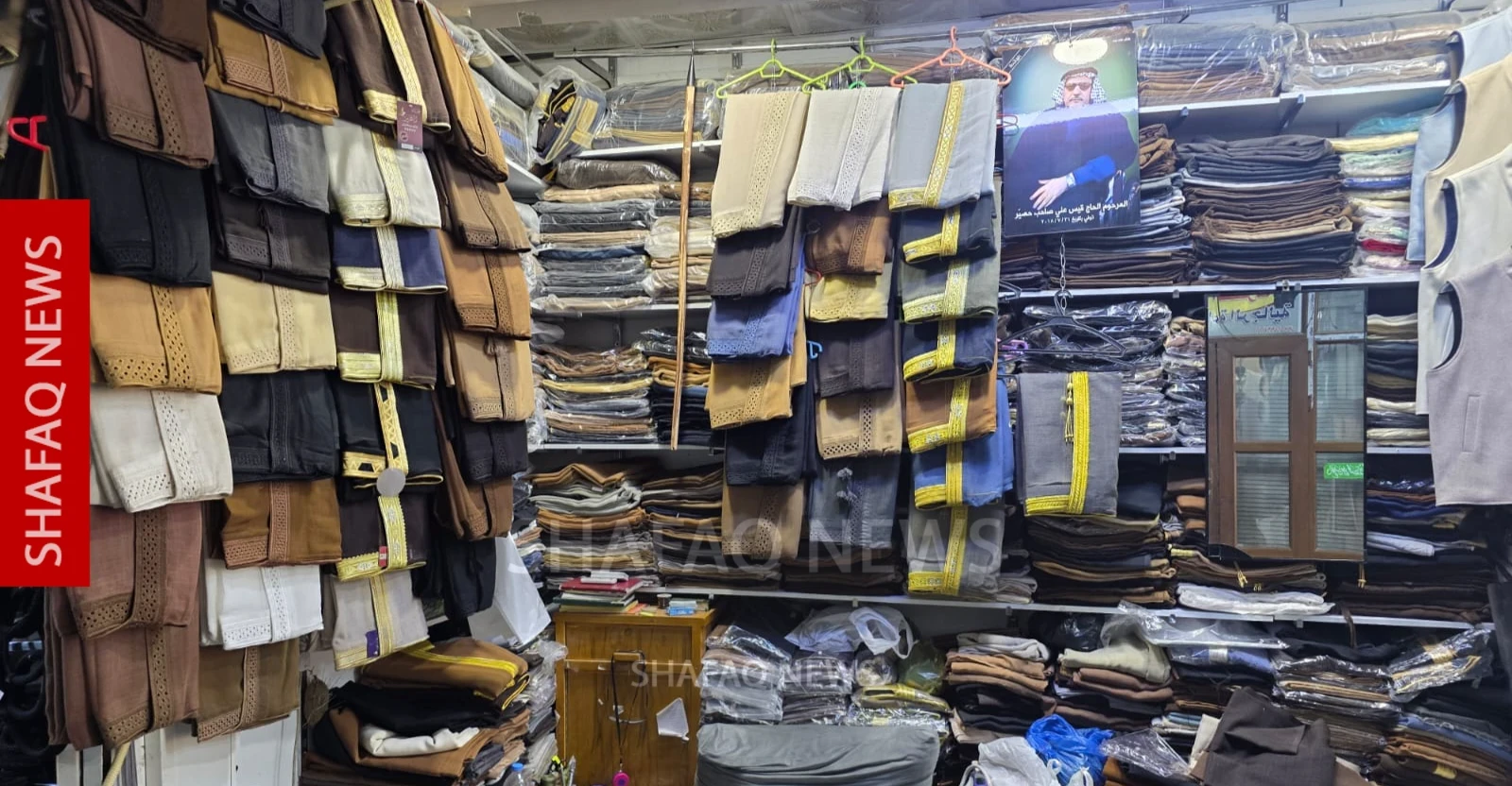
The market caters to both budget-conscious buyers and luxury customers. Prices start at around $25 for commercially produced synthetic-wool abayas and exceed $1,000 for handcrafted pieces made from natural silk or fine camel hair.
Historically, Najaf imported much of its abaya fabric from weaving centers in Iraq, Syria, and Iran before local craftsmen transformed the materials into garments closely associated with the city.
The abaya continues to occupy a prominent place in social and tribal life, particularly during weddings, engagements, and other major occasions. Visitors to the holy city also frequently purchase them as gifts and keepsakes.
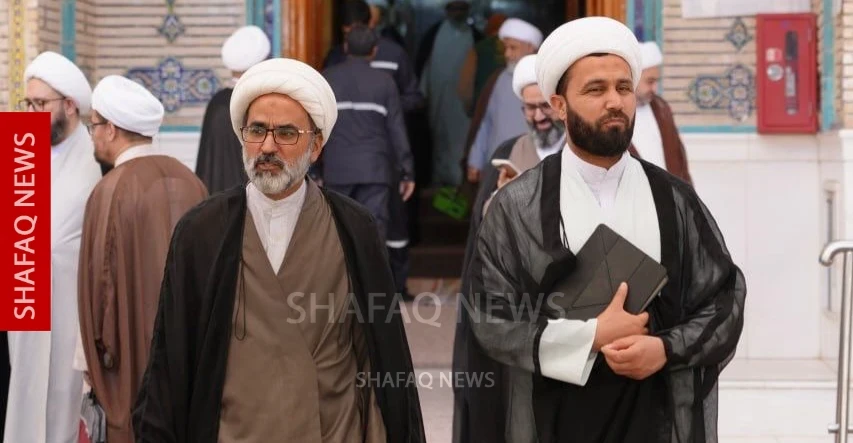
Religious scholars remain among the garment's traditional wearers, often favoring handmade pieces produced in the old market. Their distinctive abayas, typically in dark or earth-toned colors, form part of the clerical attire associated with Najaf's religious institutions.
The trade faces mounting pressures from imported alternatives, rising costs, and a gradual decline in the number of skilled craftsmen. Even so, the craft continues to survive in the city's old quarters, where a small community of tailors remains committed to preserving one of Najaf's most recognizable cultural traditions.