Medical tourism to India draws Iraqi patient complaints


Shafaq News- Baghdad/ New Delhi
Iraqi patients who traveled to India for medical treatment told Shafaq News they were charged for surgical technology they never saw used, and paid inflated fees they attribute to intermediaries and hospital pharmacies.
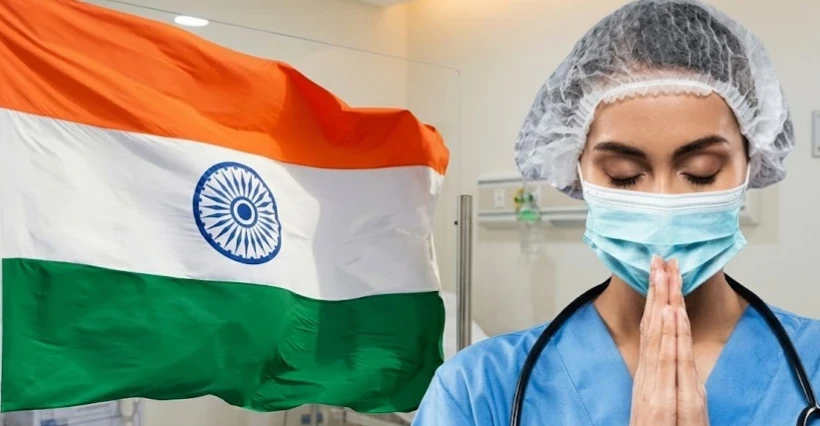
India remains one of the leading destinations for Iraqis seeking care abroad, drawing patients with specialized centers in cardiac surgery, organ transplantation, oncology, and orthopedics at costs lower than several alternative destinations.
Hussam al-Khafaji, an Iraqi patient who traveled to an Indian hospital for spinal fusion surgery, said the procedure was quoted at approximately 8,000 US dollars. The hospital then offered to operate using robotic assistance for an additional 1,500 dollars, presenting the technology as more precise and likely to produce better outcomes, and he agreed to pay.
“I didn’t see any robotic device in the operating room when I entered,” Al-Khafaji said. “I asked the surgeon directly about the equipment I had paid for, but he simply told me not to worry, to relax, and that the operation would go ahead. He didn’t explain why the device wasn’t there or confirm whether the technology was used.”
Duraid Salman, who accompanied his daughter for treatment in India, said hospital cleanliness and medical staffing were of a high standard, describing the personnel as professional and cooperative. “Still, the business side often shaped how foreign patients were treated. In many cases, the main goal was to charge as much as possible, especially when patients were not paying close attention.”
Salman warned Iraqi patients against relying entirely on translators, medical tourism offices, and treatment organizers, which “add substantial commissions in some cases.” A patient may be told a procedure costs a certain amount when the actual price is far lower, sometimes half or less, he said, pointing out that medication prices in hospital pharmacies were higher than at outside pharmacies selling the same drugs.
Some patients, particularly those seeking a rapid return home, may undergo additional procedures or interventions before recovery is complete, Salman said, a risk “capable of producing complications and deterioration.”
Success rates of 95 to 99 percent advertised by some Indian hospitals are not a scientifically reliable indicator, according to Mustafa Mohammed, a specialist in internal medicine at Medical City in Baghdad, who explained that such figures often function as marketing to attract foreign patients.
The outcome of any surgery cannot be fixed as a percentage in advance, Mohammed said, because it depends on the patient's health status, age, accompanying illnesses, the surgical team's experience, and the availability of care before and after the operation. “Patients should examine a hospital's medical record, seek an independent medical opinion, and discuss all treatment options and possible complications before traveling or undergoing surgery.”
Official data from India's Ministry of Tourism records 30,989 Iraqis arriving for treatment during 2025, placing Iraq second worldwide after Bangladesh among countries sending patients to India.
Read more: Iraq’s healthcare system nears collapse: Doctors leave, hospitals overflow