Kirkuk slashes wheat cultivation plan amid severe water shortages


Shafaq News – Kirkuk
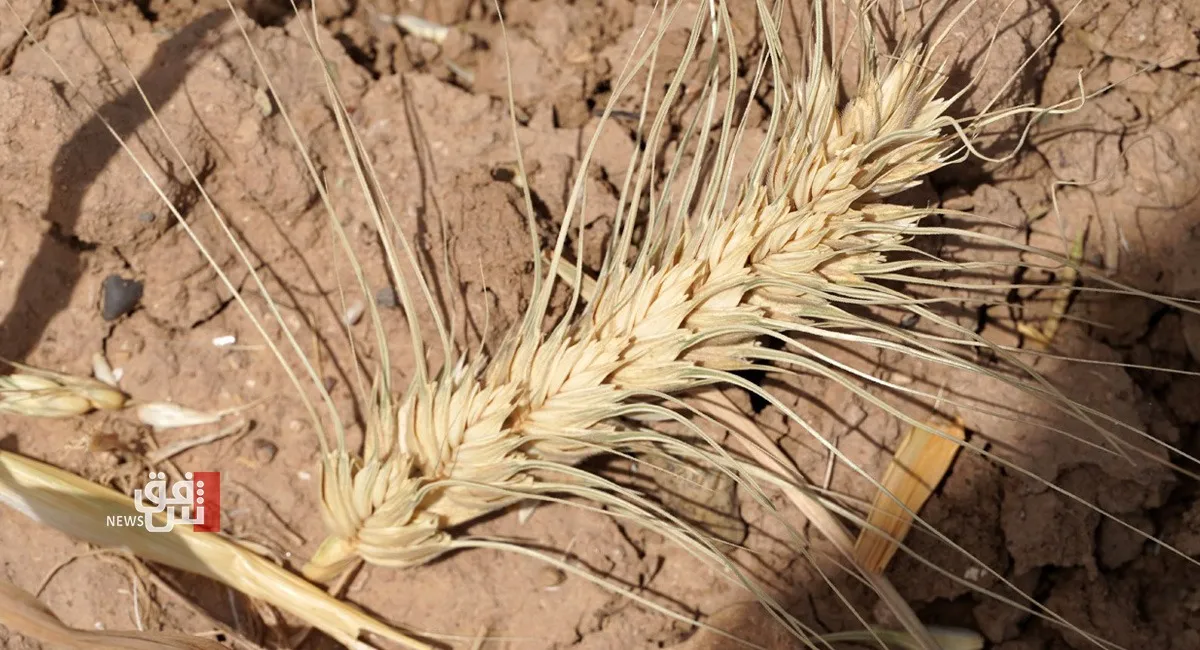
Kirkuk has cut this season’s wheat cultivation plan to 410,000 dunams* (41,000 hectares) from more than one million, citing a sharp decline in rainfall and shrinking water reserves.
Agriculture Directorate head Issam Salman told Shafaq News on Friday that the decision followed consultations with the Ministry of Water Resources, which approved cultivation only in areas with reliable irrigation systems. He noted that last year’s wheat area reached 55,700 hectares but will shrink further this season as river and reservoir levels continue to fall.
“The ministry excluded about 19,000 hectares — mostly farmland relying on surface water from the Zab River — to secure drinking water supplies and protect strategic reserves,” Salman said.
The new plan focuses on irrigated regions such as Daquq, Riyadh, al-Hawija, al-Abbasi, Zab, and Rashad, which have modern irrigation or local storage systems. Rainfed farming, meanwhile, is expected to decline further this year due to late and limited rainfall.
Earlier this week, Iraq’s cabinet approved the national winter agriculture plan for the 2025–2026 season, authorizing the cultivation of 250,000 hectares using surface water and 350,000 hectares using groundwater. The plan mandates modern irrigation systems for all wheat crops and warns that the Ministry of Trade will not purchase wheat grown outside the approved areas.
Iraq’s agricultural sector faces one of its worst water crises in decades, with nearly 60 percent of irrigated farmland lost to drought, desertification, and declining river flows from neighboring countries. The government’s summer plan also faltered this year after high-consumption crops like rice were banned due to limited irrigation reserves.
According to the 2024 Global Agriculture Index, Iraq ranked 109th worldwide and fifth among Arab states, scoring 49.6 out of 100 for environmental sustainability.
* 1 dunam = 0.1 hectare