Khanaqin hosts first date and folk arts festival


Shafaq News- Khanaqin
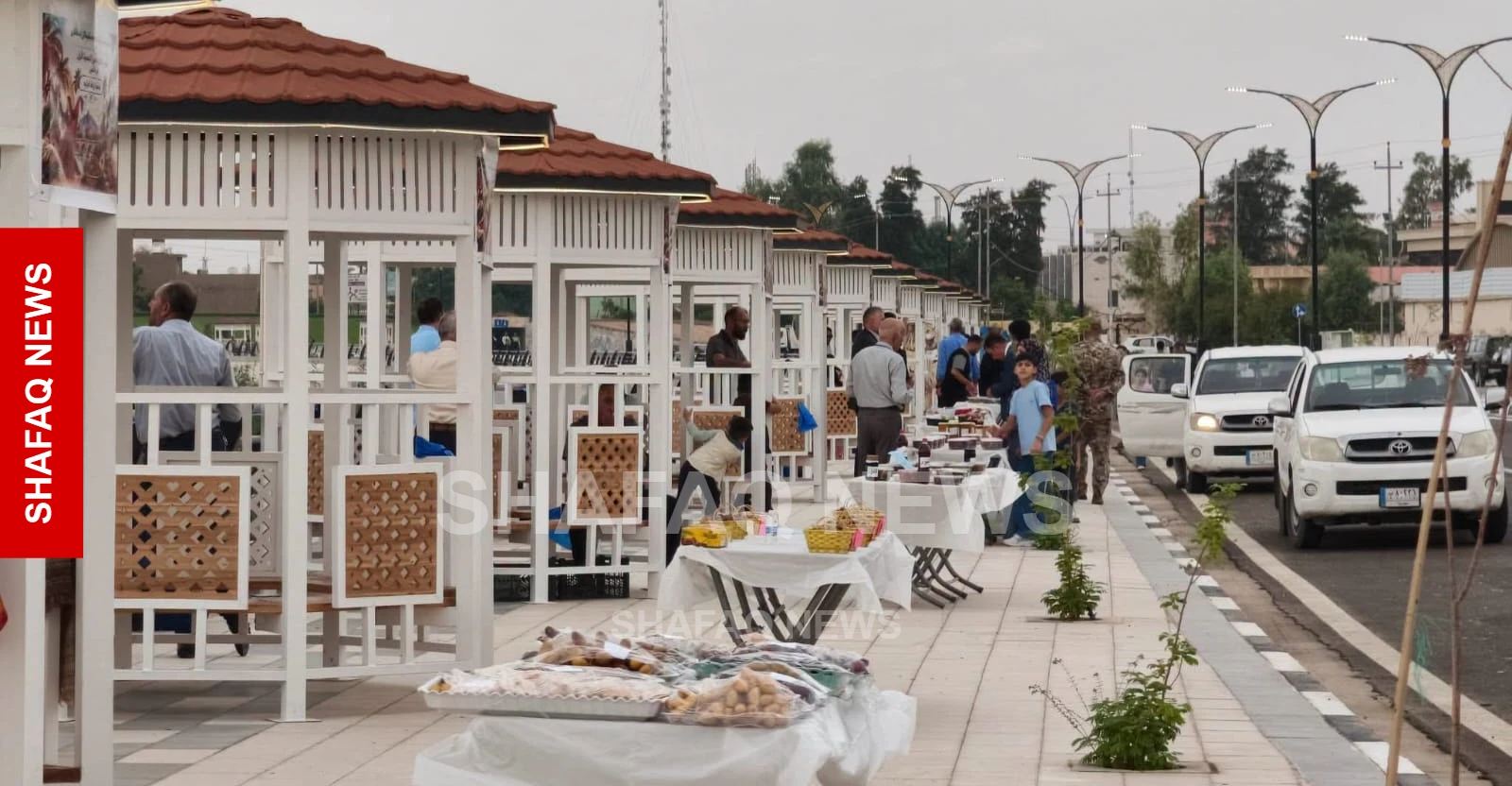
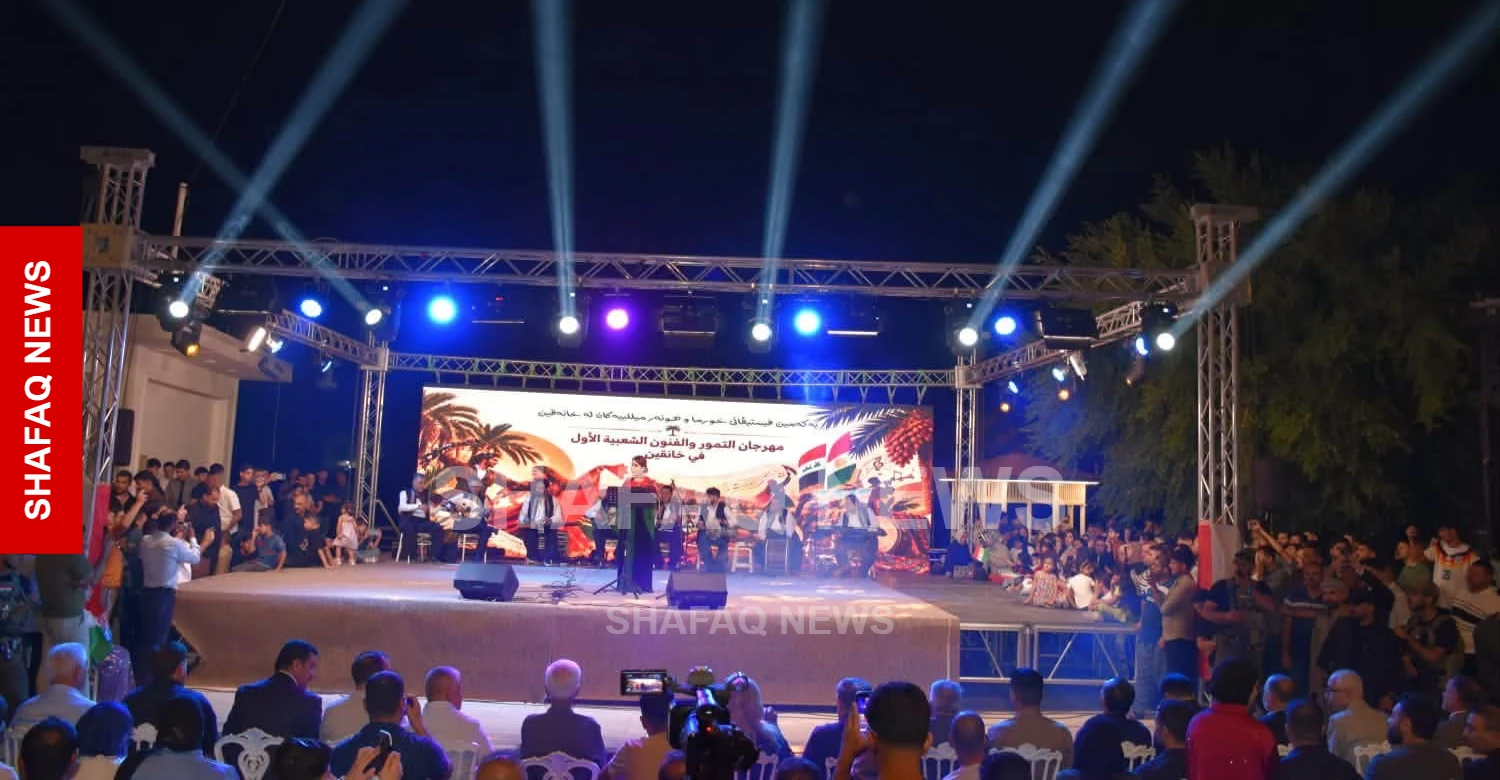
The Iraqi city of Khanaqin, in Diyala province, celebrated its agricultural and cultural heritage during a three-day festival held from October 9 to 11, bringing together date growers, artisans, artists and local businesses along the banks of the Alwand River.
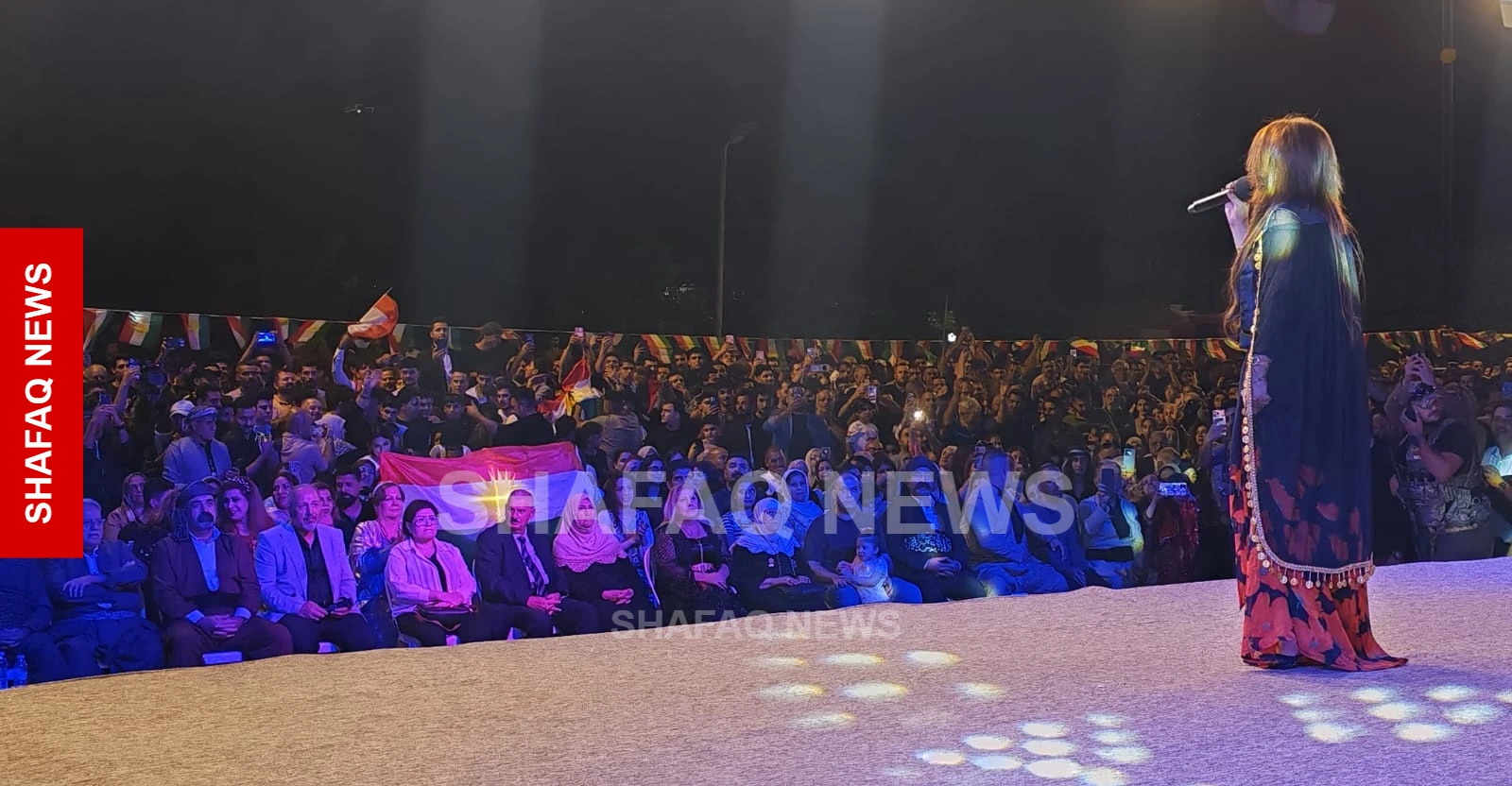
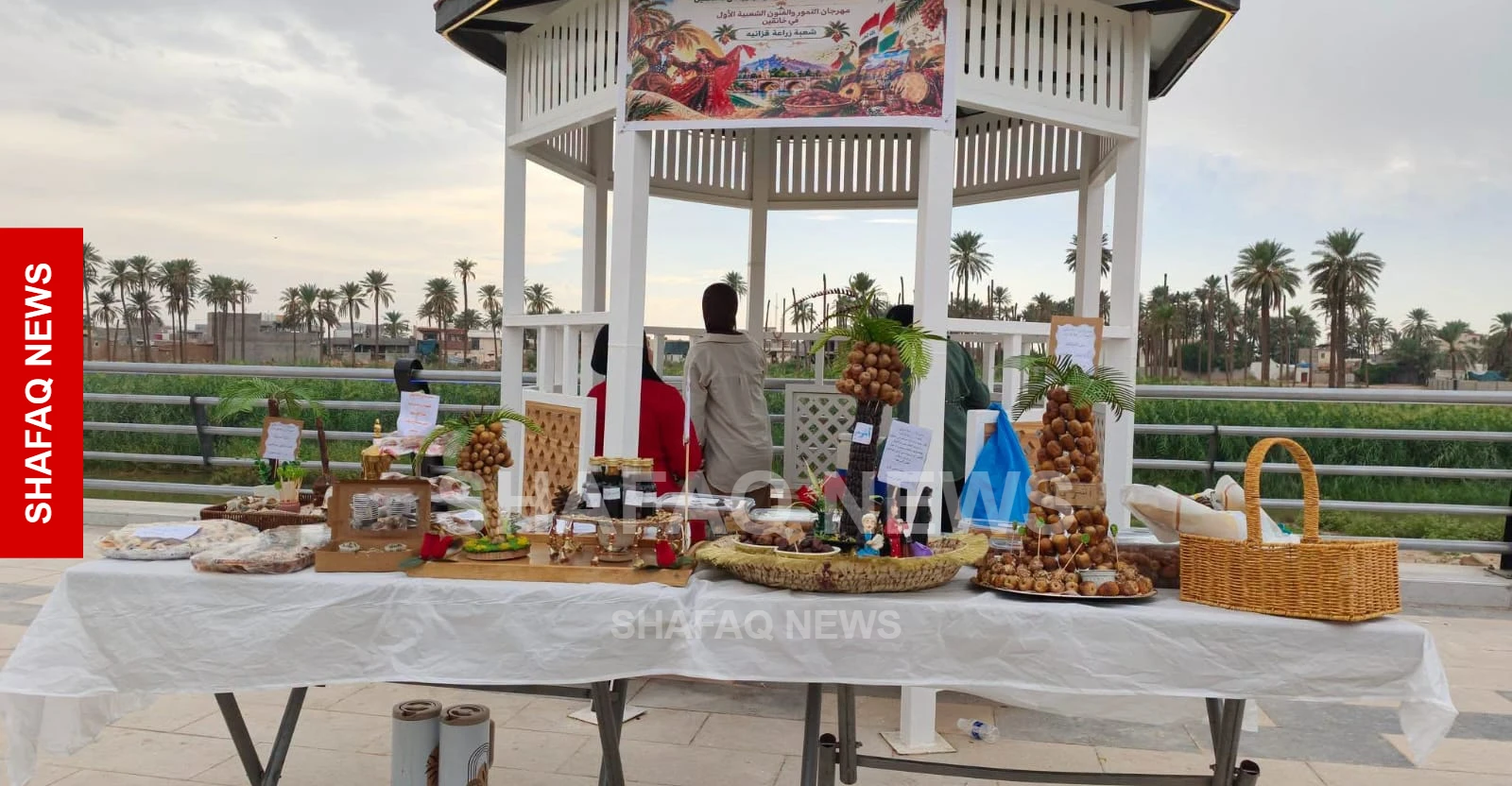
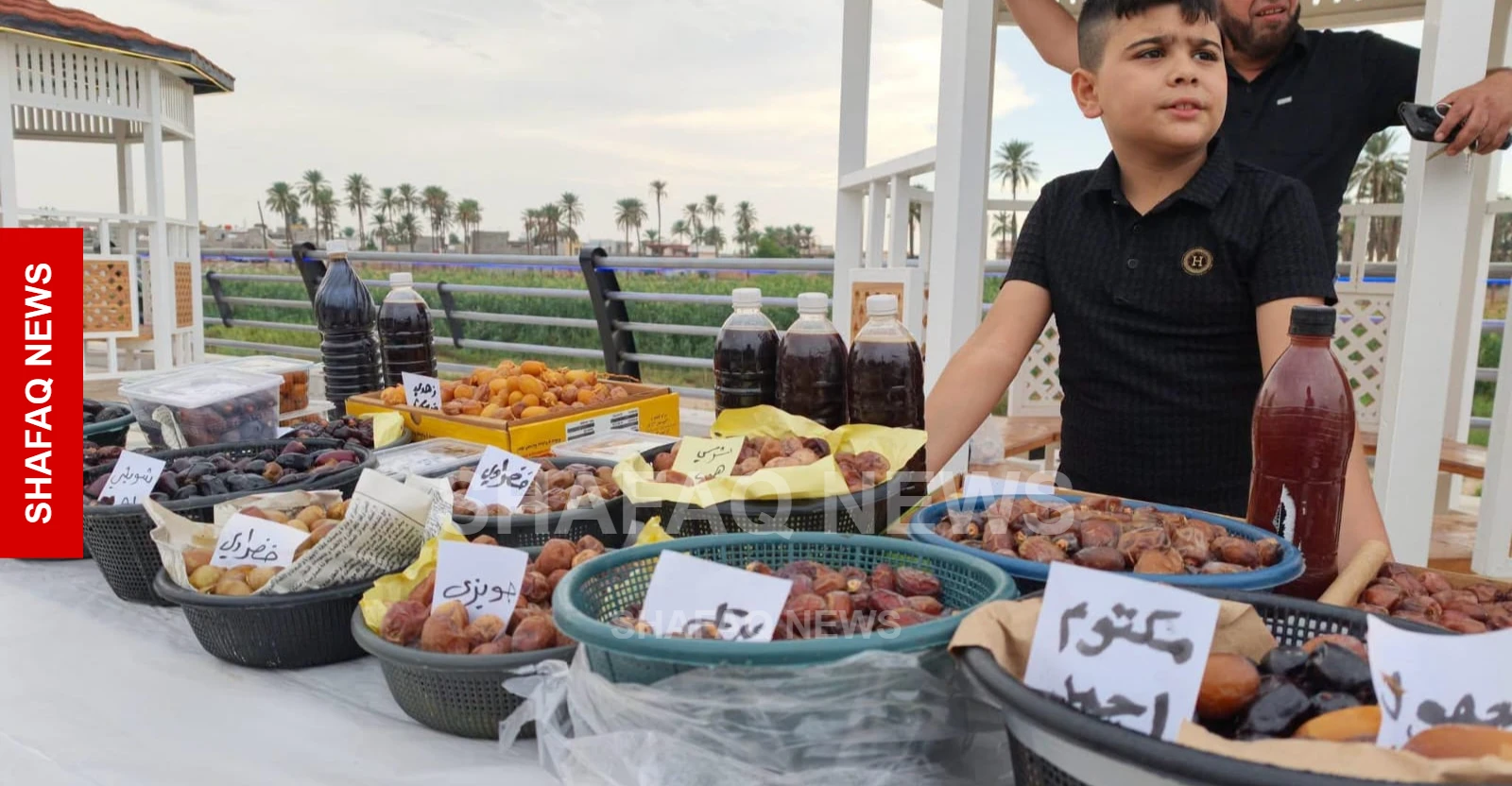
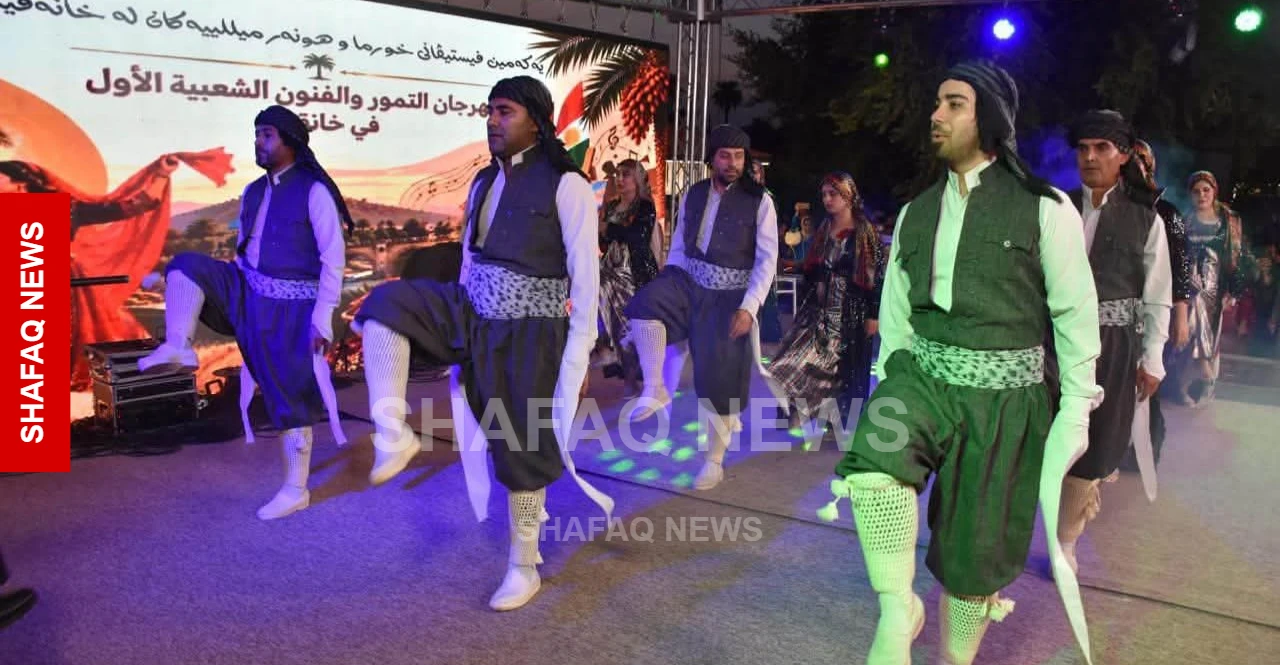
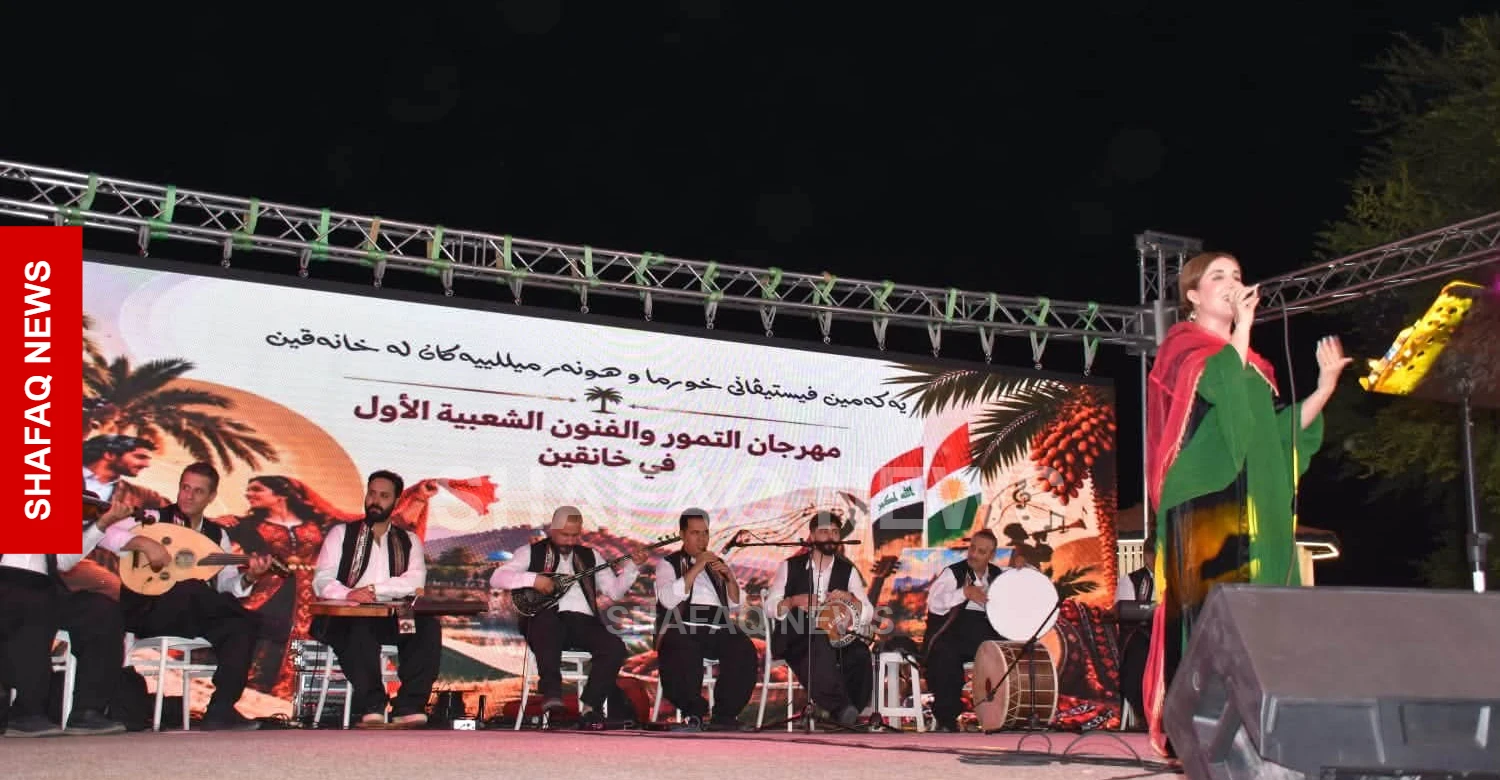
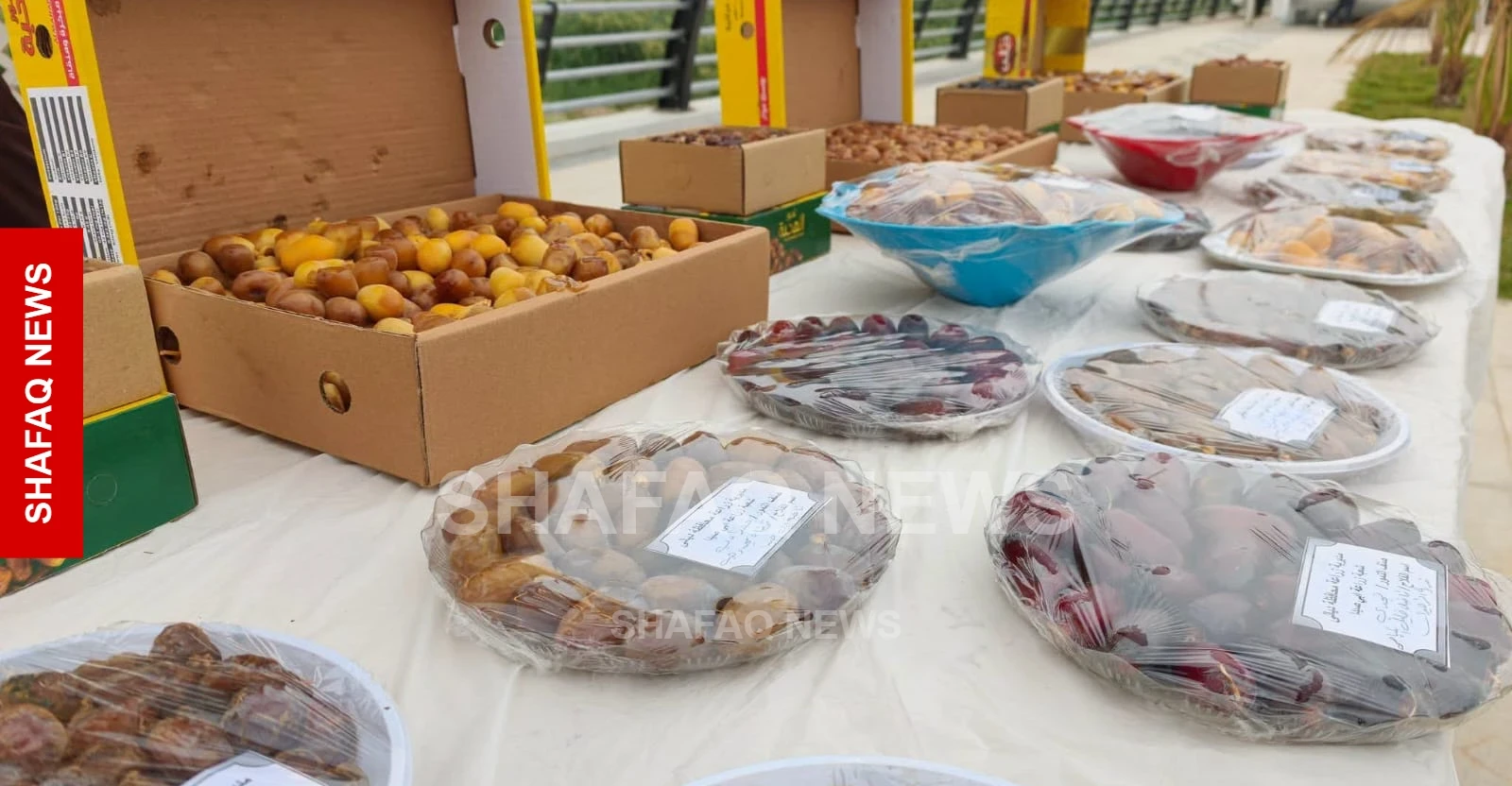
The first Date and Folk Arts Festival, organized by the Dar al-Shaheed Salam Cultural Foundation in cooperation with cultural organizations, showcased local date varieties, traditional crafts, artwork, music and Kurdish heritage.
Abbas Abdul Razzaq, head of the foundation, told Shafaq News that the festival aimed to highlight Khanaqin’s agricultural and cultural potential, give farmers, artisans and artists a platform to showcase their products and work, and help participants connect with buyers and promote their products.
Nihad Hussein al-Khayyat, a member of the festival’s organizing committee, said around 50 orchard owners and more than 100 producers and local business owners took part. Exhibitors presented more than 270 varieties of dates, while artists from across Iraq, the Kurdistan Region and Kermanshah province in western Iran also participated.
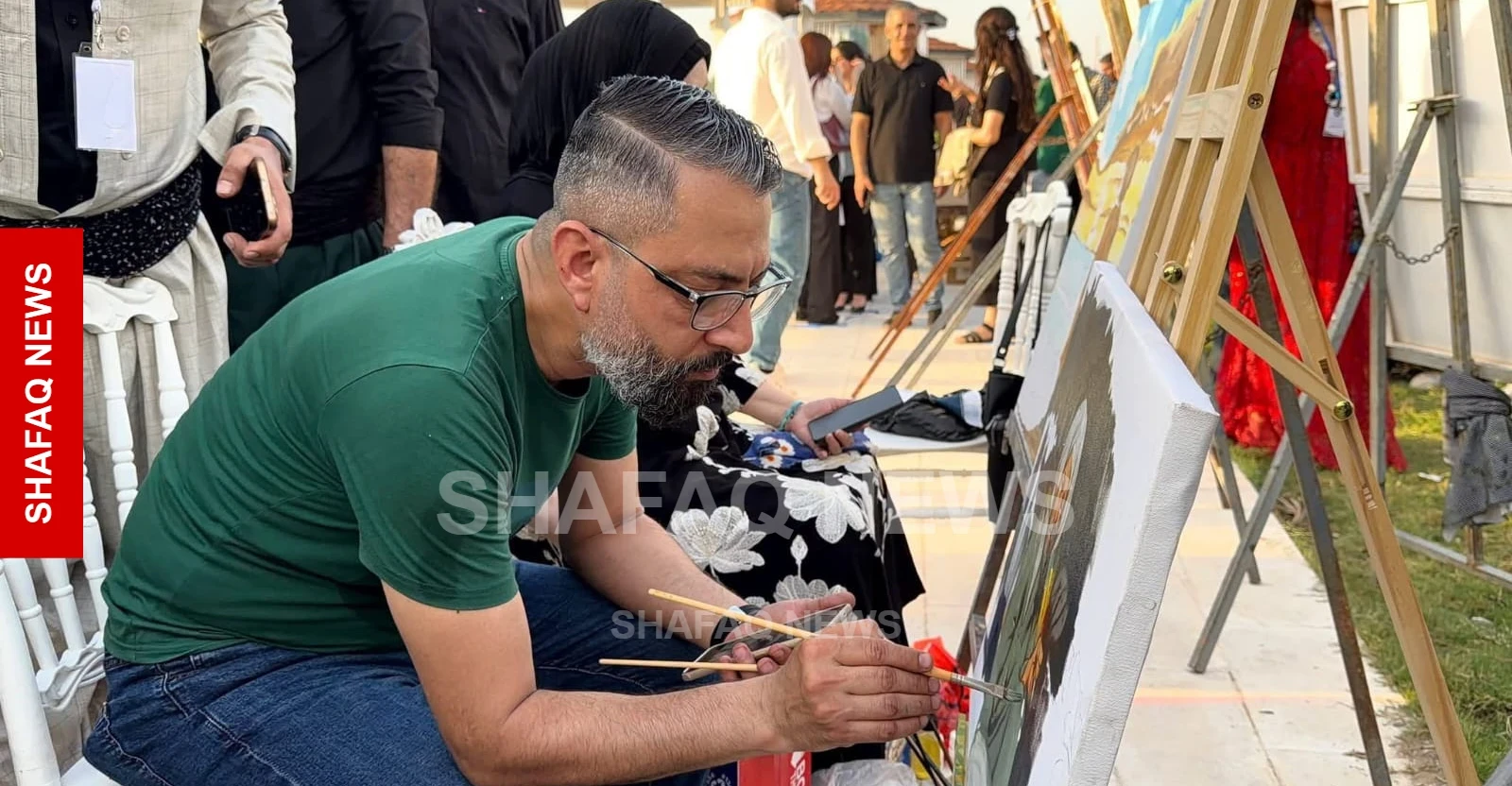
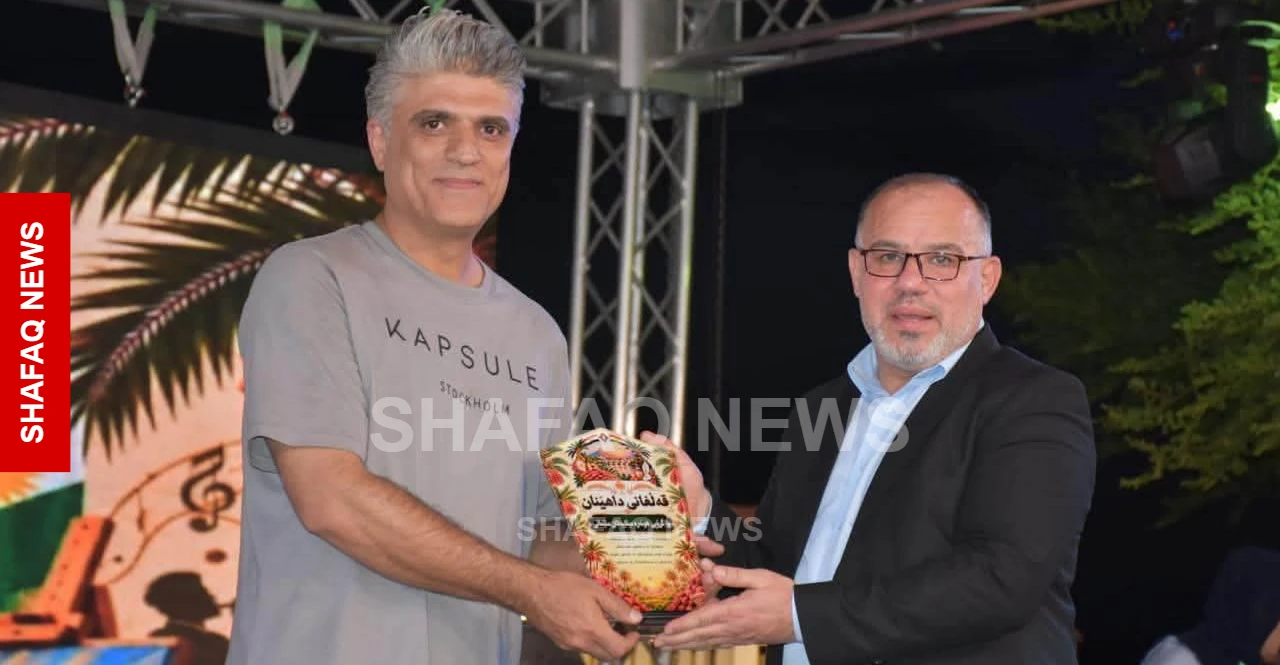
Visual arts featured prominently, with around 80 artists taking part in an art symposium inspired by Khanaqin’s landscapes, palm groves and the Alwand River. Their paintings captured the city’s scenery and heritage.
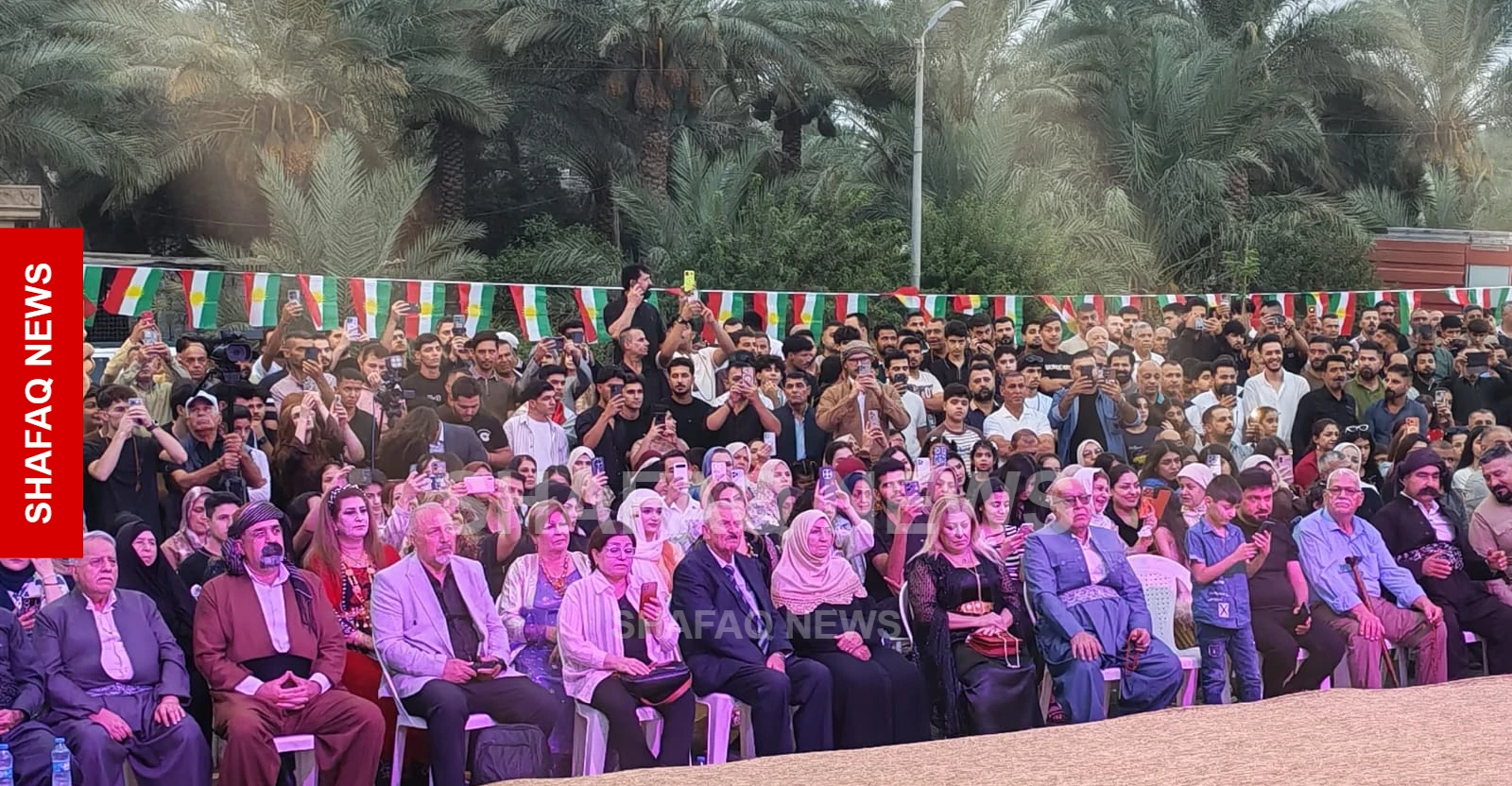
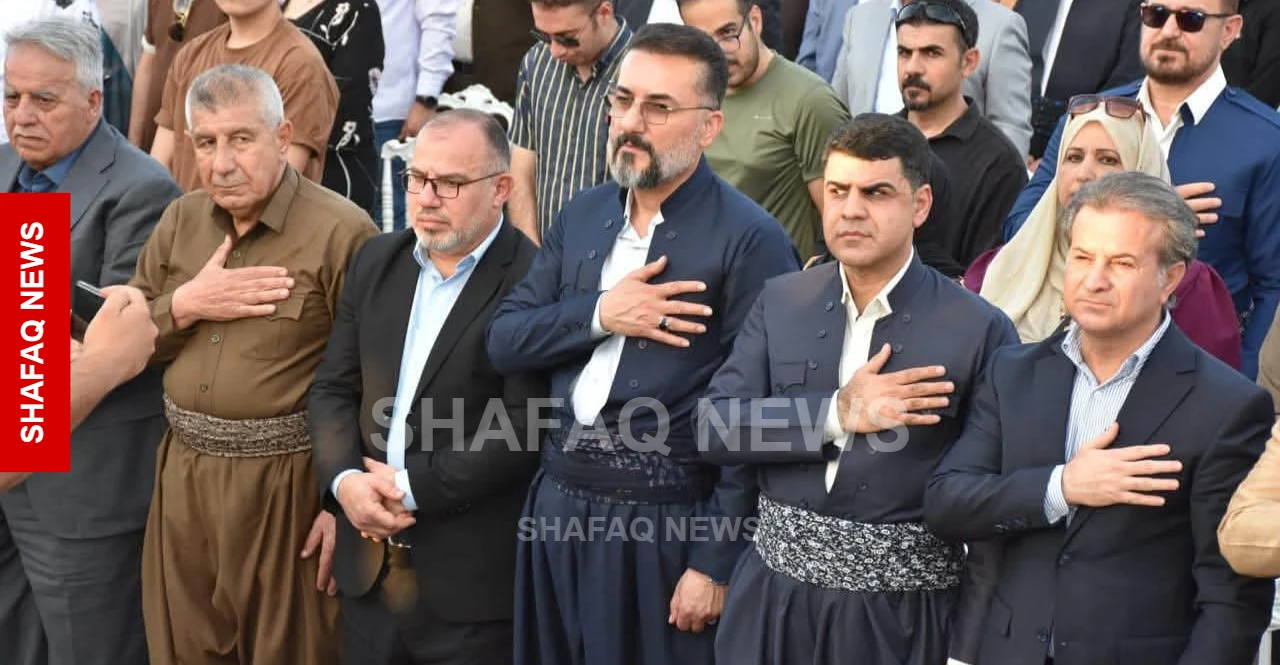
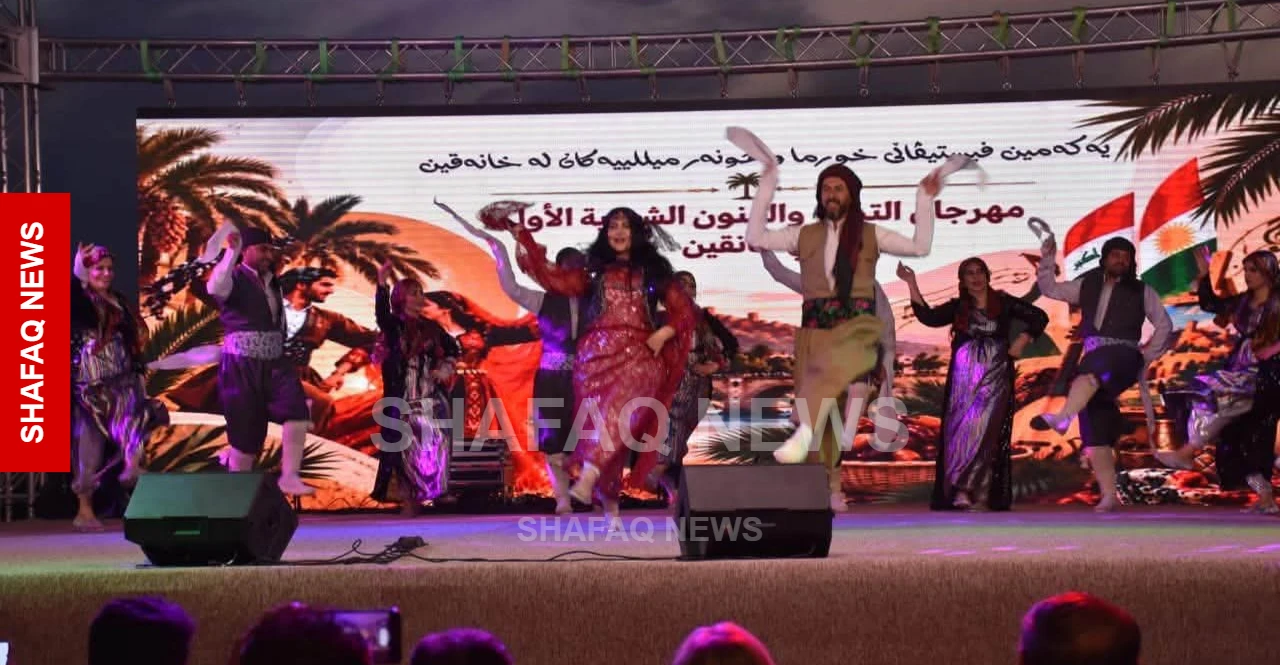
Artist Fadia al-Nuaimi said the event gave artists an opportunity to express the connection between people, their land and their cultural heritage. She added that traditional clothing and flags displayed during the festival reflected residents’ pride in their Kurdish identity.
The festival highlighted farmers’ efforts to secure more reliable markets for their produce. Organizers and participants emphasized the importance of turning seasonal interest in local products into sustainable economic opportunities.
One proposal raised during the festival was to establish a dedicated date market in Khanaqin to streamline trading and strengthen direct links between orchard owners and consumers.
The event also drew visitors who saw it as an opportunity to celebrate Khanaqin’s history and express their attachment to the city.
Koldaran Mohammed, who traveled from Kifri district in Diyala province, expressed hope that the festival would become an annual event attracting more participants.
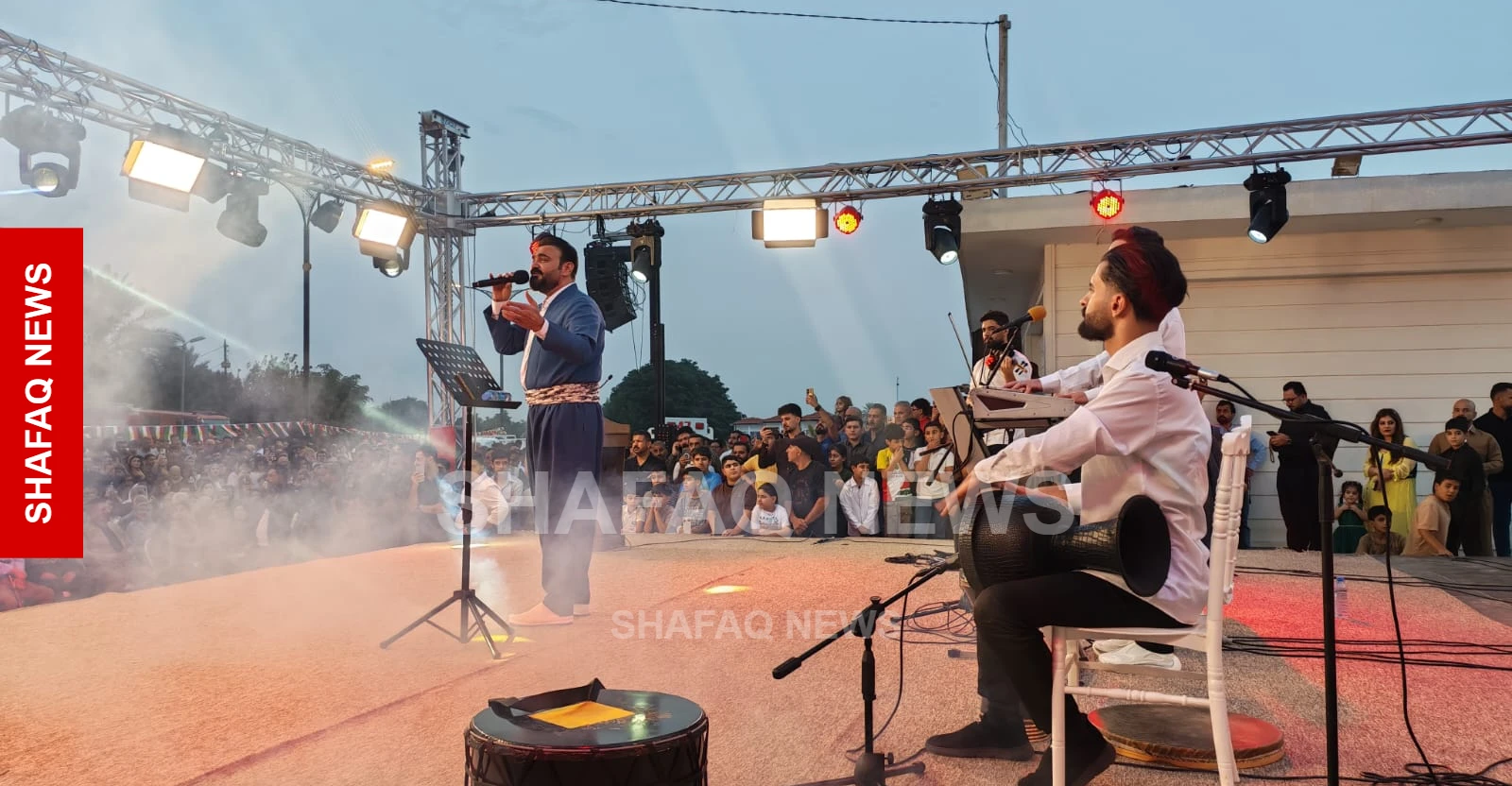
Visitors also praised cooperation between the organizers, security forces and public service agencies. Resident Mohammed Ahmed estimated that more than 10,000 people attended over the three days. He added that videos of the performances shared on social media helped introduce the festival to a wider audience.
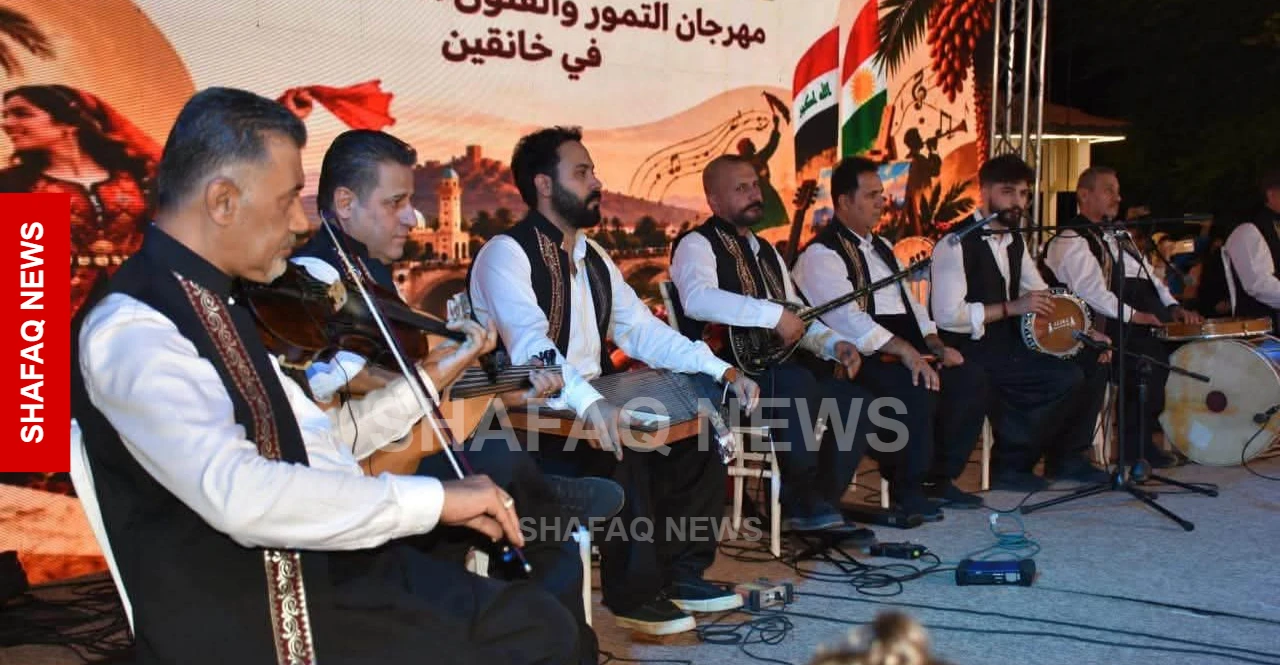
Through its date displays, artwork, and folk performances, the festival brought Khanaqin’s agricultural traditions and cultural heritage into focus. Organizers hope to hold a second edition next year.