Iraq tariff hikes shadow Ramadan markets


Shafaq News- Baghdad
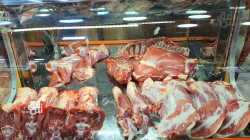
Iraq faces no threat to food price stability during the holy month of Ramadan, a senior government advisor told Shafaq News on Sunday, while traders warned rising customs duties could still pressure markets.
Prime Minister’s financial advisor Mudhhir Mohammed Saleh explained that stability rests on five pillars: strategic reserves for ration-card items, private sector inventories exceeding one year, state-backed cooperative hypermarkets acting as price buffers, open import channels, and domestic agricultural production.
The government allocates about 8 trillion Iraqi dinars ($6.1 billion) monthly for salaries, pensions, and social welfare, reaching 9 million beneficiaries and affecting nearly 40 million citizens, he added. The spending equals 67% of total public expenditure, reinforcing household liquidity ahead of Ramadan, when Muslims fast from sunrise until sunset.
Trade Minister Atheer Al-Ghurairi earlier said markets are fully supplied, with cooperative outlets selling goods at least 20% below open-market prices. The ASYCUDA automated customs system enhances border oversight, limits smuggling, and ensures fair tariff calculation, he added, stressing that duties on essential goods do not exceed 5%.
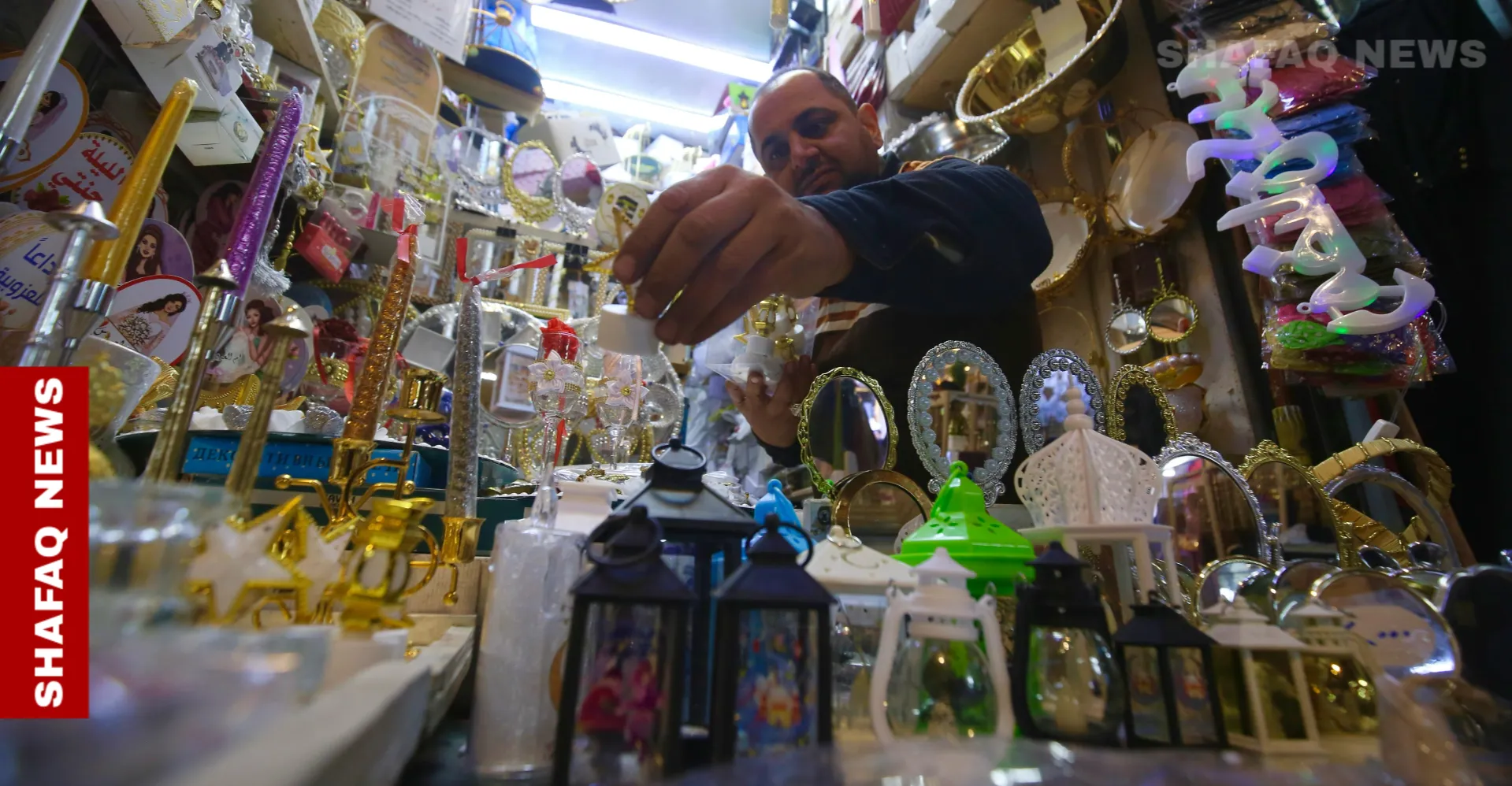
Still, Baghdad Chamber of Commerce spokesman Rashid Al-Saadi disputed the outlook, arguing that higher taxes and customs fees have slowed pre-Ramadan trade. Duties reaching 30% on some imports also significantly raise retail prices, weakening purchasing power. He cited an example: a product priced at 1 million dinars rises to 1.3 million after customs, and to 1.4 million once profit margins are applied, dampening consumer demand during peak seasonal spending.
Economic researcher Ahmed Eid further attributed market stagnation to weak household income, rising living costs, and exchange-rate uncertainty that discourages merchants from releasing inventory. He warned that suppressed demand could trigger a price surge at the start of Ramadan if supply fails to meet a sudden spike in consumption.
Behind the Scare
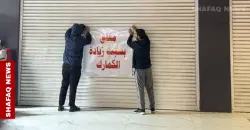
Cabinet Decision No. 957 of 2025, which took effect in January 2026, revised Iraq’s customs tariff schedule, raising duties across several categories to between 5% and 30%. The move triggered protests and market shutdowns across the country from traders, who agreed that higher import costs and tighter border procedures were slowing commercial activity and feeding into retail prices ahead of Ramadan.
The changes coincided with the nationwide rollout of the ASYCUDA automated customs system, aimed at standardizing valuation procedures. General Customs Authority head Thamer Qassem told Shafaq News that the system calculates duties at the item level rather than per container, improving transparency and consumer protection, while keeping tariffs on essential goods capped at 5%. Traders, however, argue that stricter valuation controls can increase effective costs if applied rigidly.
Earlier, Iraq’s Federal Supreme Court dismissed a lawsuit challenging the tariff revisions on procedural grounds, ruling that the plaintiff lacked direct legal standing, effectively keeping Cabinet Decision 957 in force as Ramadan market activity accelerated.
Read more: Explainer: Iraq’s updated customs tariffs, legal dispute, and market impact