Iraq’s water crisis: Farmers leave villages as rivers run dry


Shafaq News – Baghdad
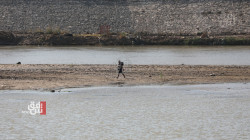
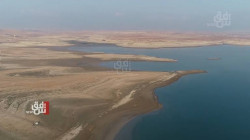
Water inflows from the Tigris and Euphrates have dropped to half of Iraq’s needs, driving reservoirs to critical lows, the Parliament’s Agriculture, Water and Marshes Committee warned on Thursday.
Committee Deputy Chair Zozan Ali Koochar told Shafaq News that dam construction in Iran and Turkiye has crippled agriculture, fisheries, and the southern marshes, threatening billions in economic losses and fueling displacement and tribal conflict.
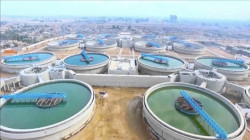
She urged the government to step up negotiations with neighbors and invest in domestic measures such as dam repairs, desalination projects in Basra, wastewater reuse, and drought-resistant crops. “Farmers need direct support through loans, grants and modern irrigation tools.”
In Najaf, Union of Farmers Head Mohsen Hudood described a collapse across three-quarters of the province’s farmland, where families sold livestock and moved to cities. “No water means no farming,” he said. “Buffalo, cattle, even poultry are gone. People are leaving their villages because they cannot sustain life there.”
Authorities have already banned summer rice cultivation in Najaf, al-Diwaniyah and al-Muthanna. Local officials confirmed no irrigation allotments this year, while marshes depend on saline drainage, killing large numbers of fish.
Ranked among the five most climate-vulnerable states in the world, the Strategic Center for Human Rights reports that Iraq has lost nearly 30 percent of its farmland over the past three decades.
Read more: Iraq’s water crisis deepens: Reserves collapse, mismanagement continues.