Iraq's holy cities struggle back to life after regional war


Shafaq News- Najaf
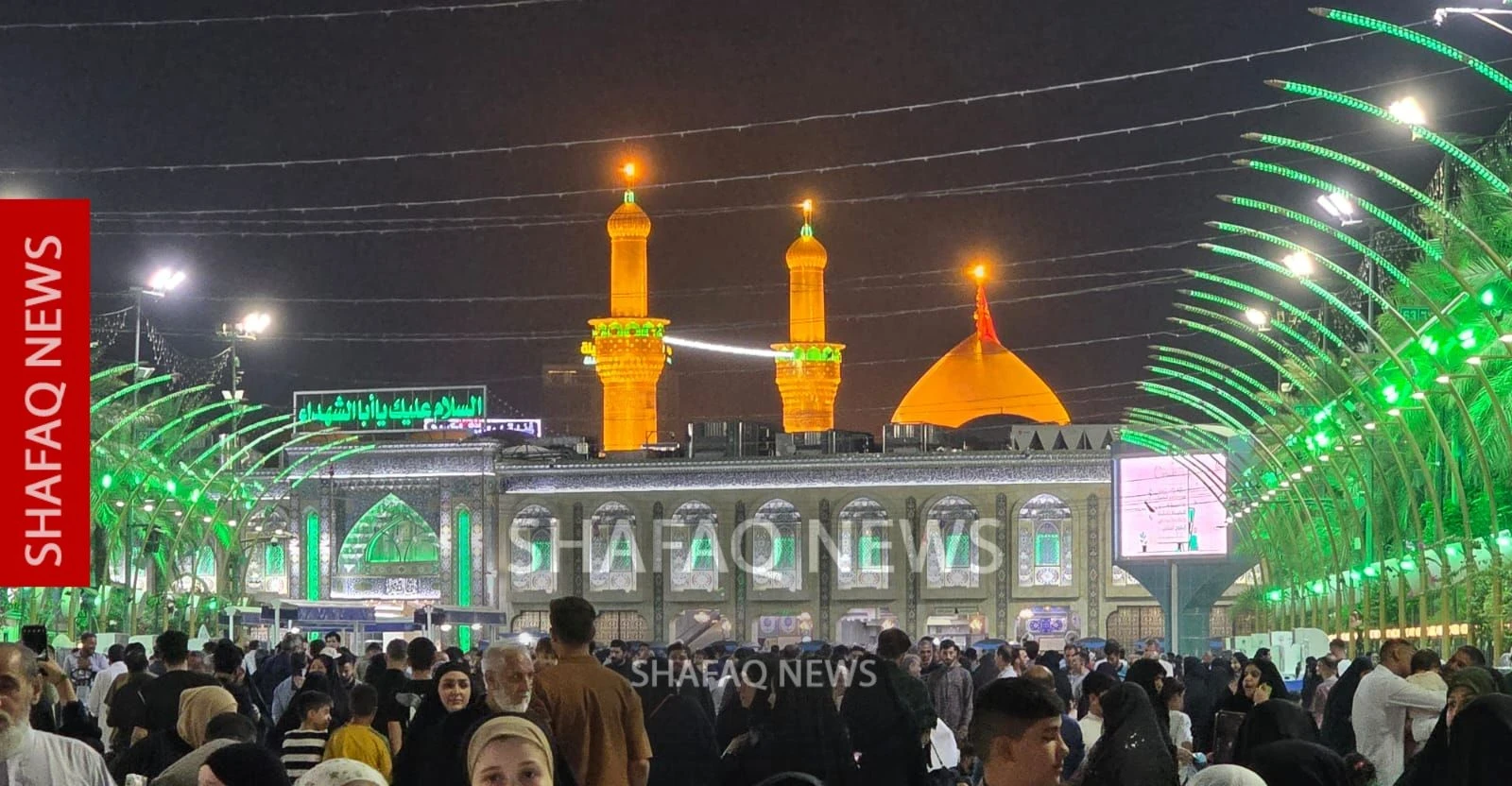
Iraq's holy cities are beginning to recover from months of disruption caused by the US-Israeli war on Iran, though visitor traffic remains far below pre-conflict levels, with Najaf International Airport handling about 17 flights a day compared with roughly 45 before the war.
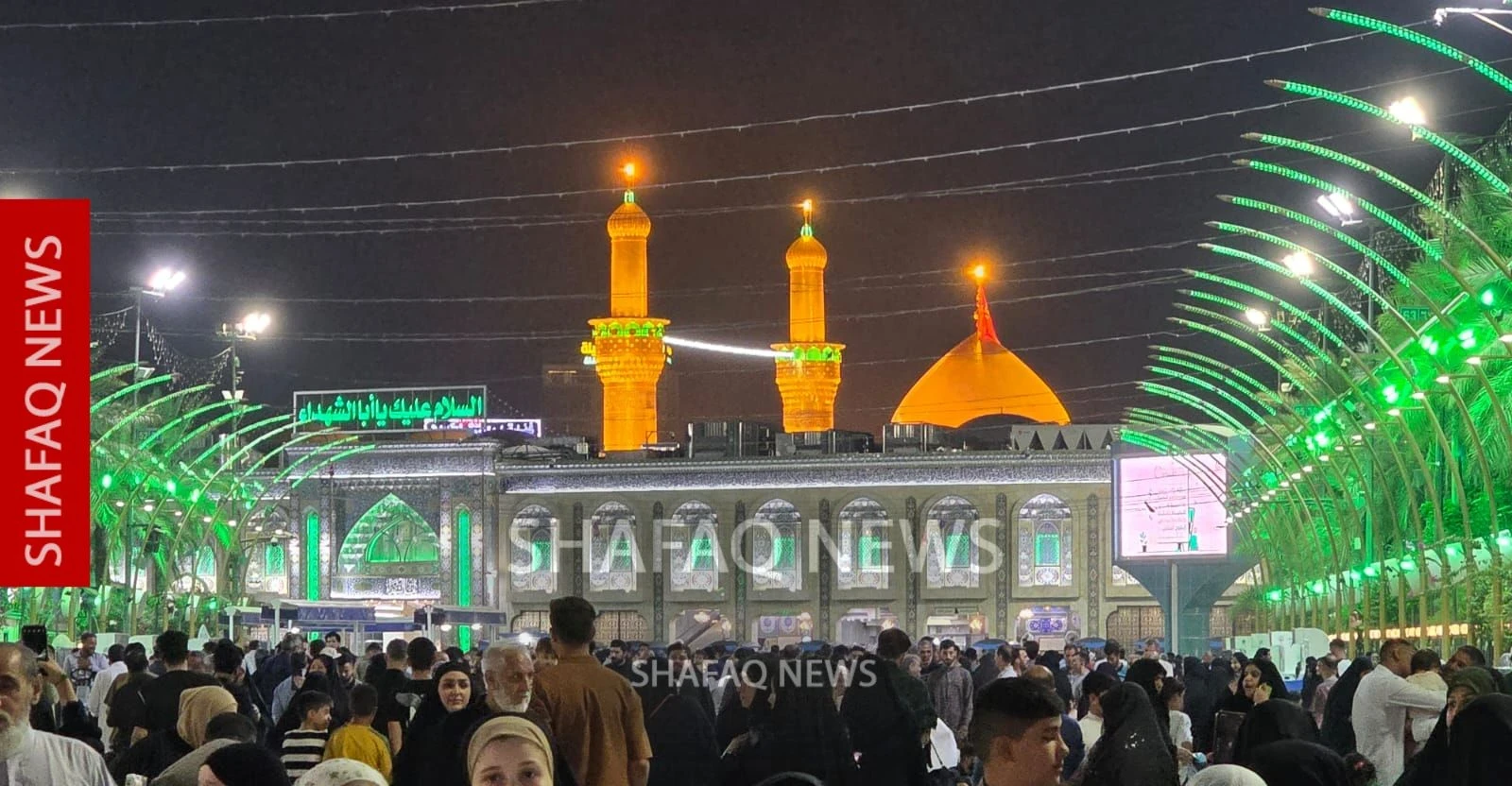
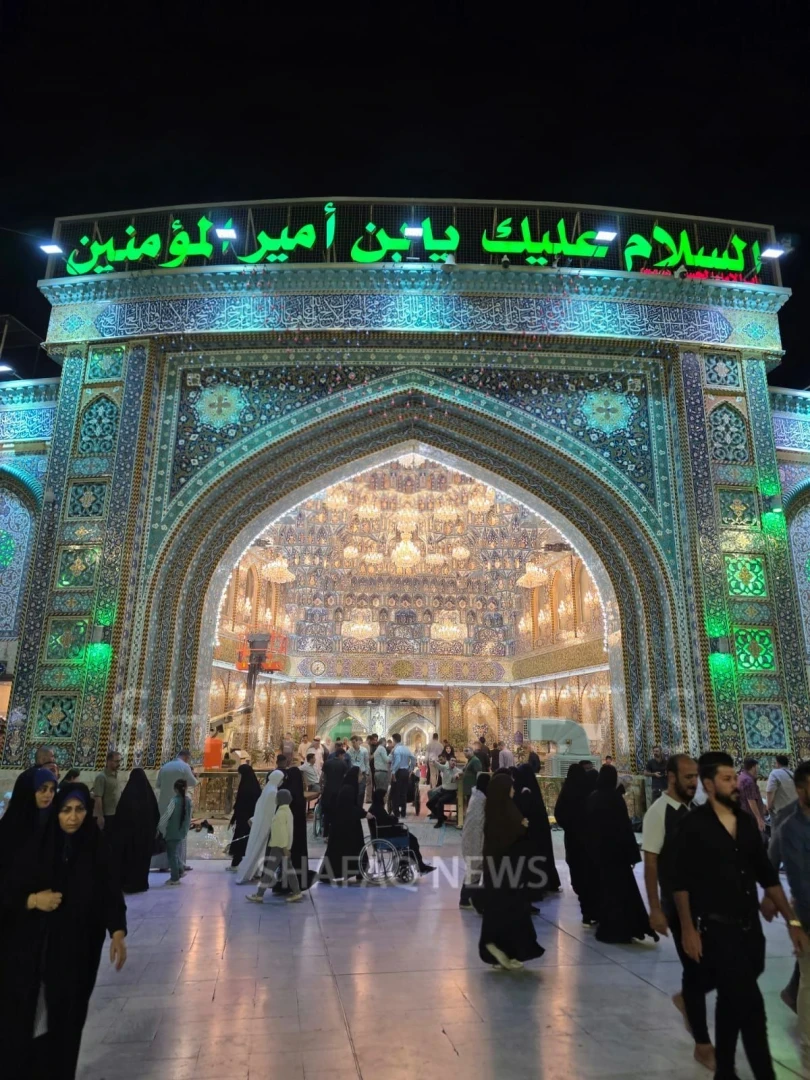
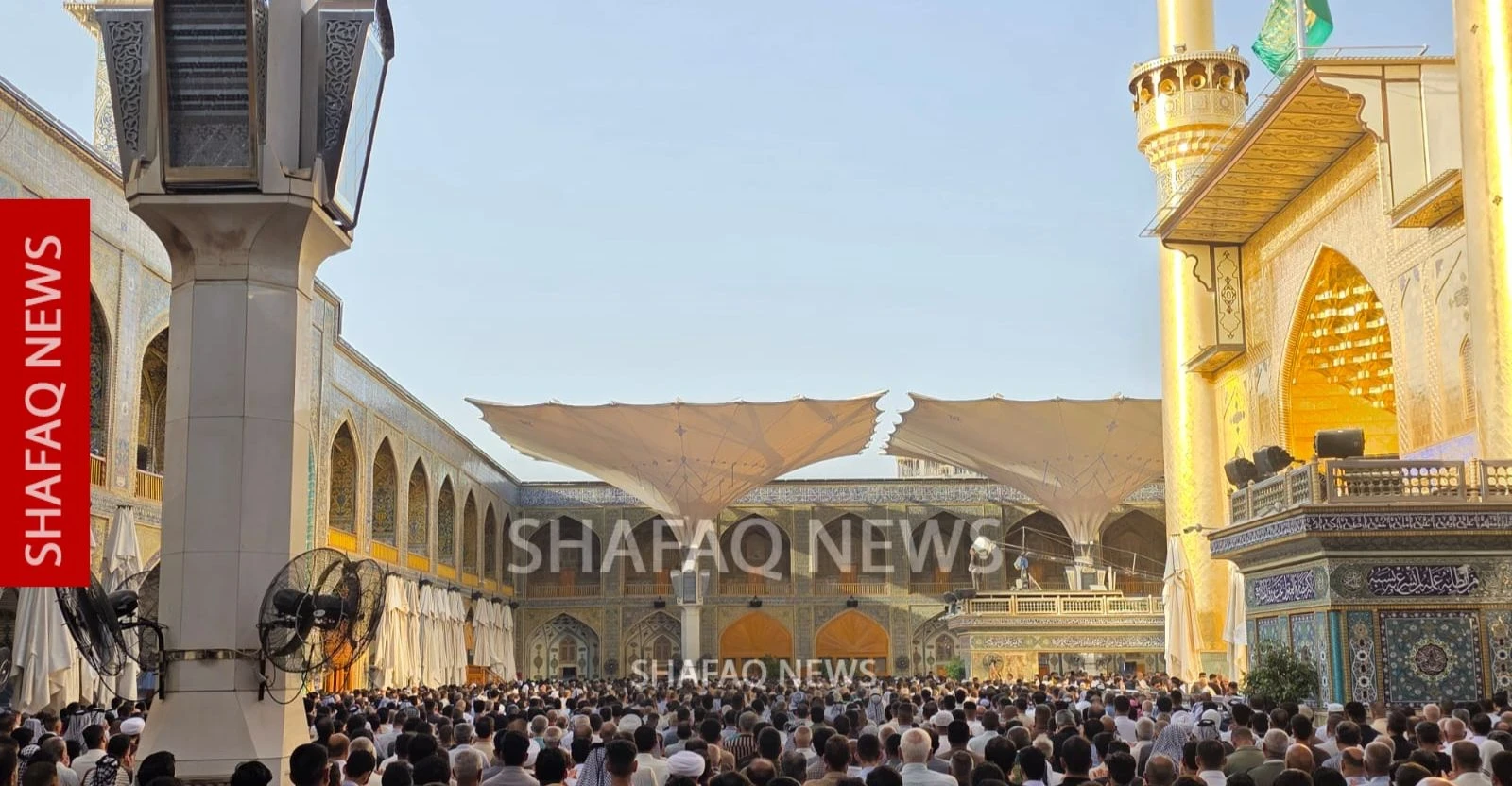
The reopening of airports and land crossings has brought Arab and foreign pilgrims back to Najaf and Karbala during Arafat Day and Eid Al-Adha, helping revive hotels, markets and transport services that were hit hard by the collapse in religious travel, which is one of Iraq's largest non-oil economic sectors, generating more than $9 billion in direct and indirect revenue annually and supporting thousands of businesses and families in the country's main pilgrimage destinations.
Yet officials say the rebound remains incomplete. "Foreign pilgrims are still below the desired level, and we need more time for conditions to fully stabilize," Najaf Governor Youssef Kanawi told Shafaq News.
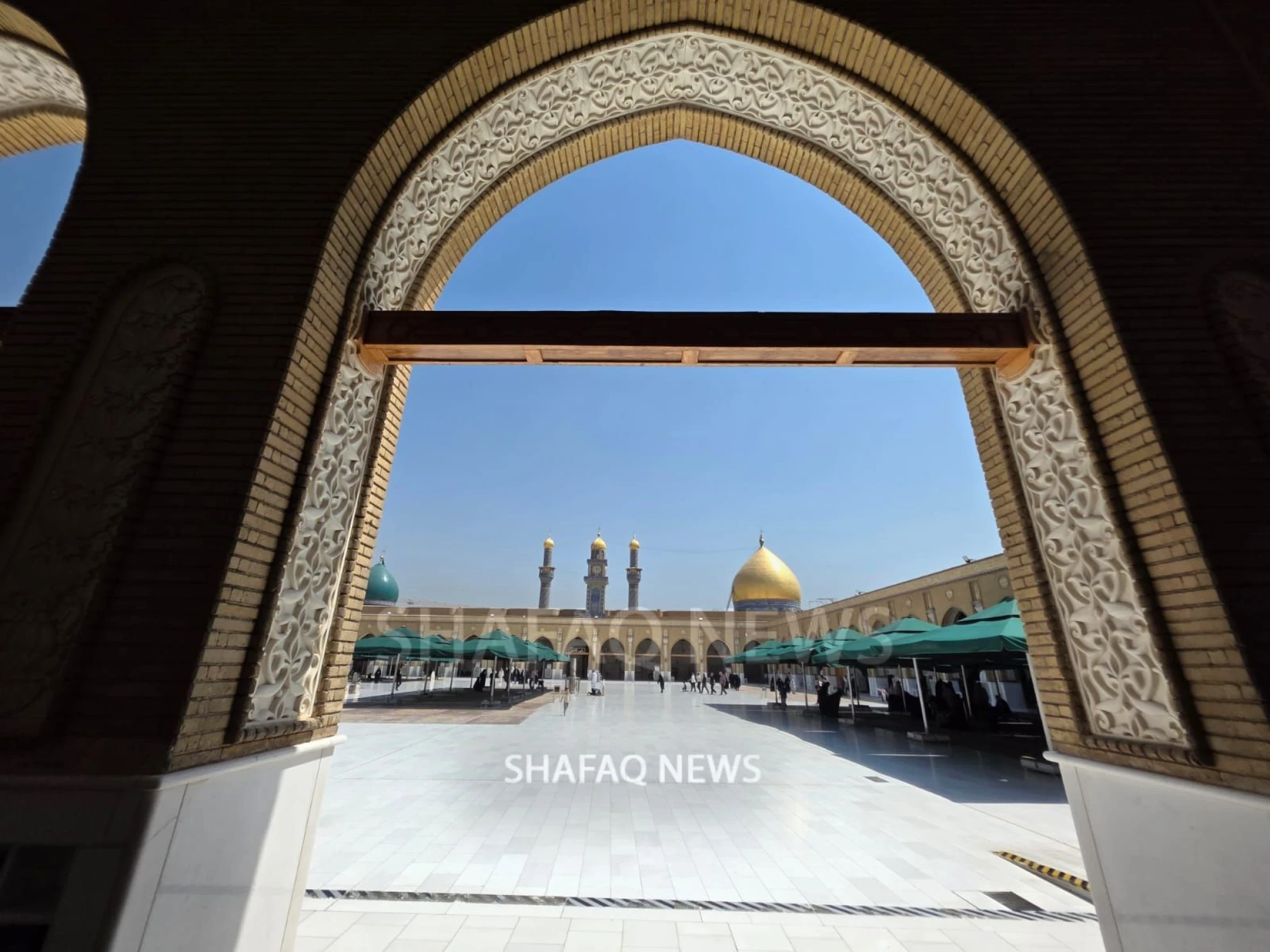
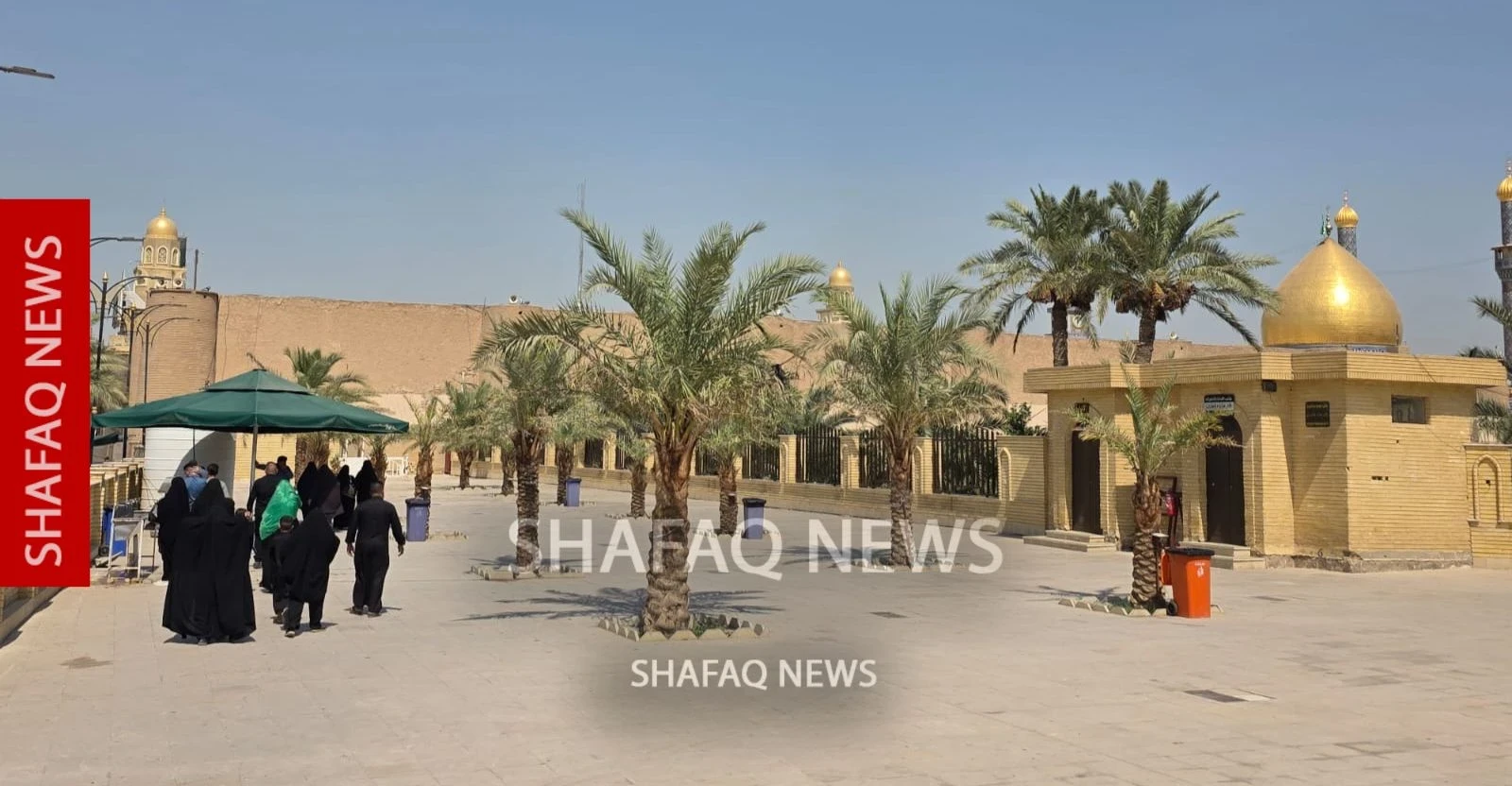
In neighboring Karbala, hotels have reopened and visitor numbers have gradually improved since the fighting ended. Pilgrims have arrived from Iran, Gulf countries and other destinations, providing a boost to local businesses ahead of one of the busiest periods on the religious calendar.
One obstacle, however, continues to weigh on the recovery. Karbala Provincial Council Tourism and Antiquities Committee Chair Israa Al-Nasrawi said Iraq's electronic visa system has prolonged waiting times at airports, discouraging some visitors and prompting calls for a return to conventional visa procedures.
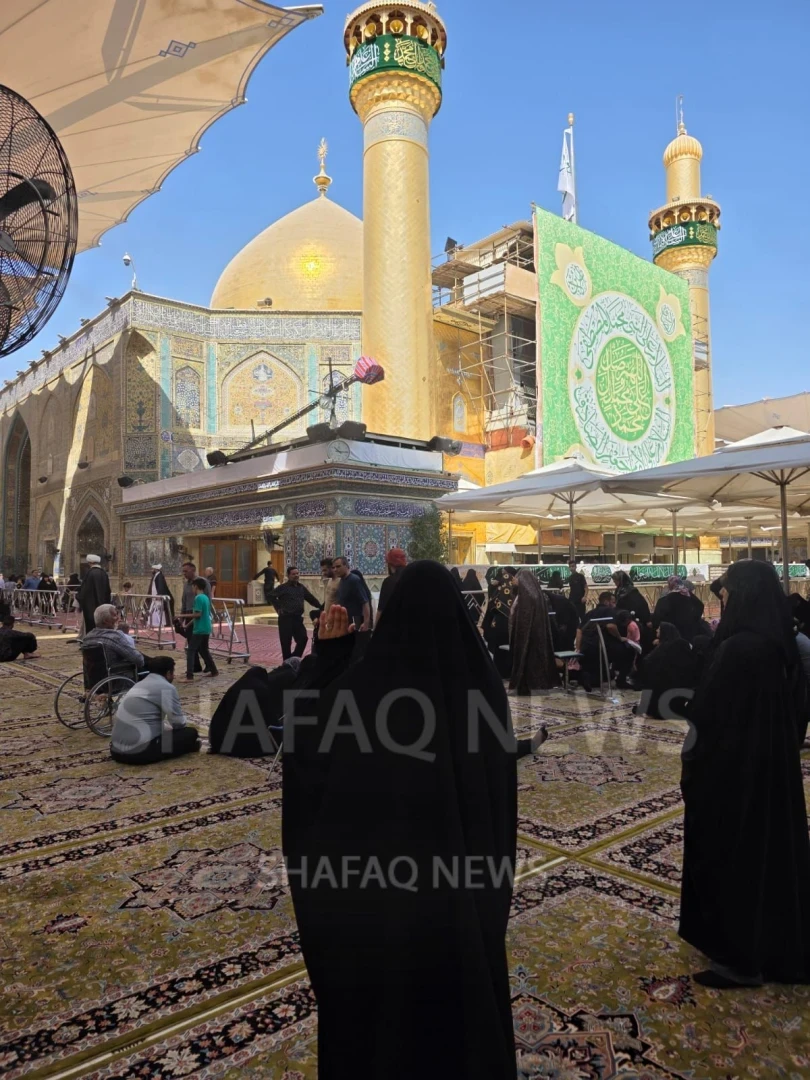
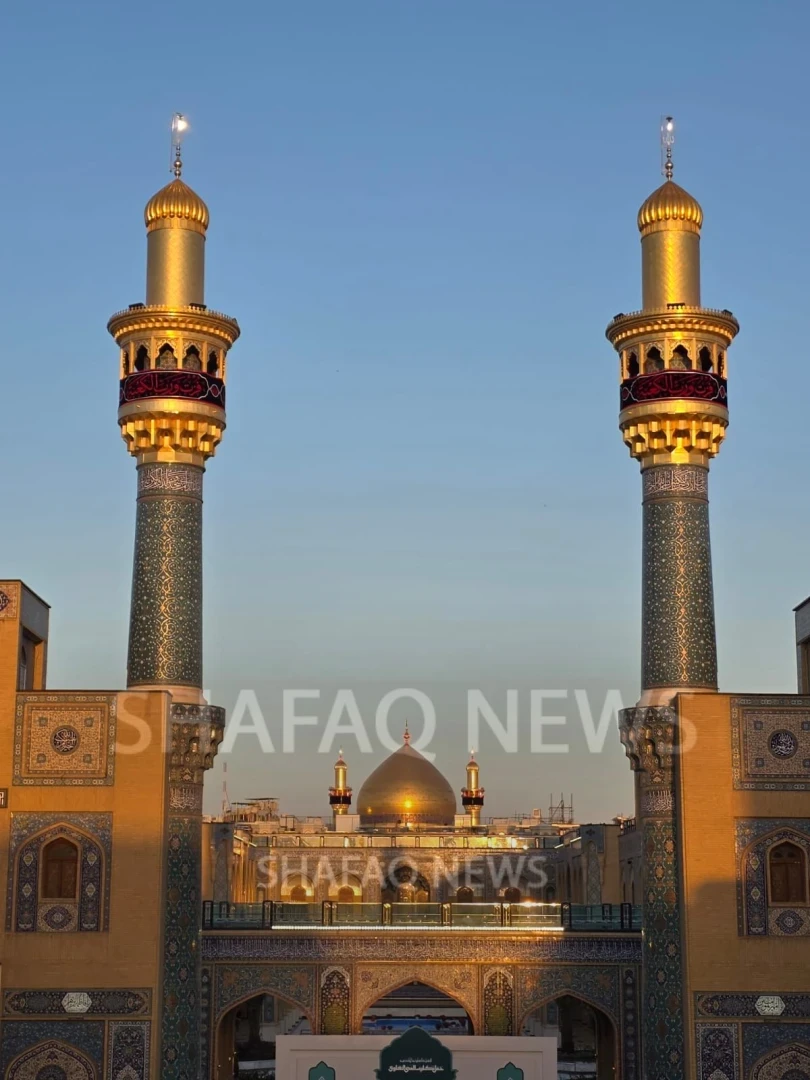
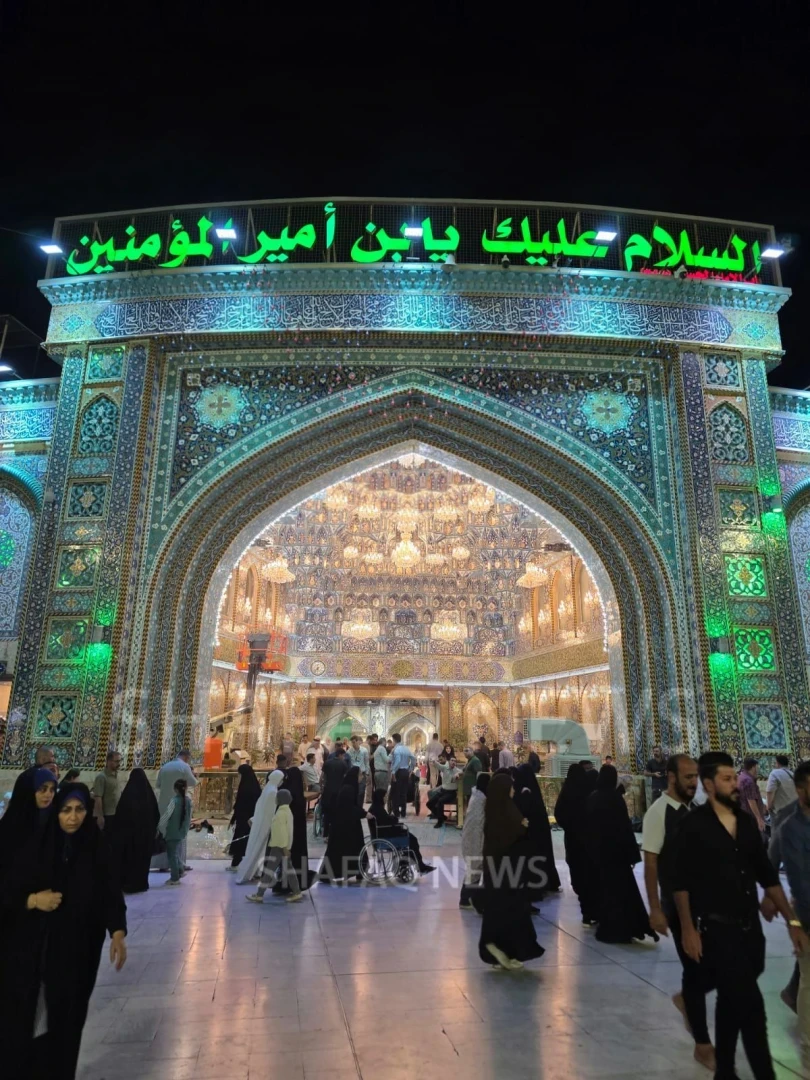
Across Najaf's old city, the increase in visitor traffic has brought relief to merchants who endured months of weak demand. Hassan Al-Khafaji, who owns a fabric shop near the Imam Ali shrine, told our agency business nearly ground to a halt as pilgrim numbers collapsed during the conflict.
"The old markets depend heavily on pilgrims," he stated. "Economic activity almost stopped when they stopped coming."
Meanwhile, Amir Mohammed, a hotel owner in Najaf, said occupancy levels are improving gradually, although they remain below pre-war levels. "The return of pilgrims is a lifeline for the local economy because thousands of families depend directly or indirectly on religious tourism.”
Read more: Faith and finances: Religious tourism fuels Iraq’s economy