Iraq’s South face deepening water crisis as Turkish flow claims denied


Shafaq News – Baghdad
Water shortages across the country’s southern provinces are worsening despite milder weather conditions, the Green Observatory warned on Tuesday, rejecting reports that Turkiye has increased water releases into the Tigris and Euphrates rivers.
In its latest report, the observatory said the delay of the rainy season—an event it had previously predicted—has intensified the issue, even as forecasts suggest higher rainfall this winter could help refill the country’s depleted reservoirs.
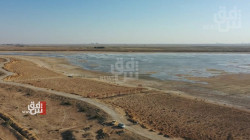
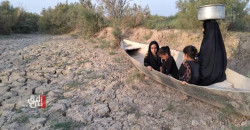
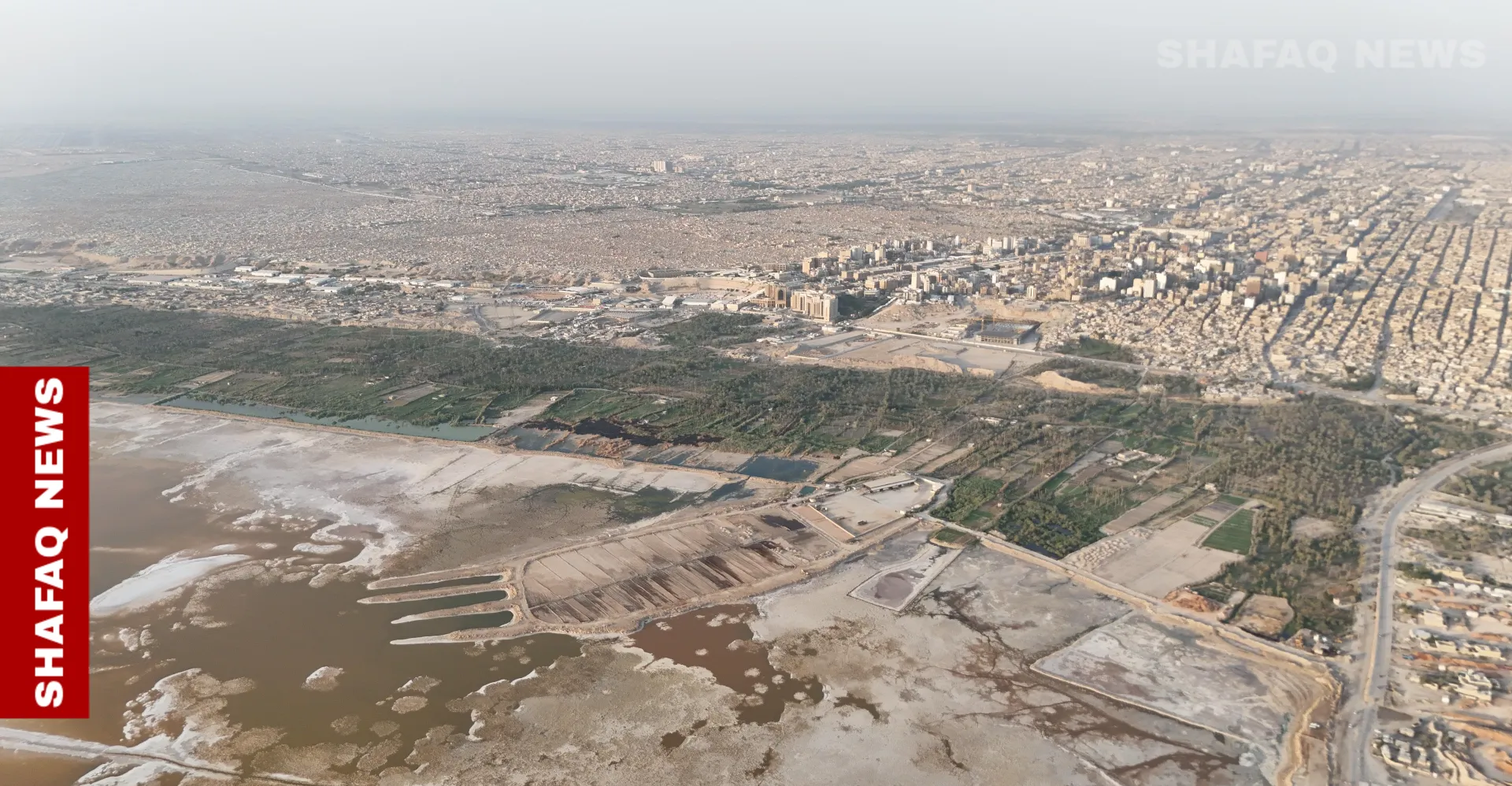
It stressed that claims of increased water discharges from Turkiye “are baseless,” pointing to the continuing drought in central and southern provinces since June. The prolonged shortage has dried up vast areas of the marshlands, leading to mass deaths among fish and buffalo populations that sustain rural livelihoods.
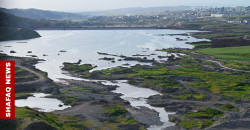
Iraq has faced a steady decline in its water levels for years due to upstream controls by Turkiye and Iran, which operate large dam networks affecting the Tigris and Euphrates—the country’s two main water sources.
Read more: Iraq’s southern drought: Policy paralysis and upstream pressures deepenrural collapse
Although Ankara had reportedly agreed in July to temporarily increase water releases toward Iraq following parliamentary appeals, local officials say the move has done little to improve conditions on the ground.
Maysan Province, in the far south, confirmed in late July that water still had not reached large portions of the marshes, forcing residents to migrate from parched villages.
The Iraqi parliament’s Agriculture, Water, and Marshes Committee said that the crisis is unlikely to be resolved before the November 11 parliamentary elections.
Committee member Thaer Mukheef al-Jubouri told Shafaq News that, despite ongoing government efforts, the water crisis may also continue until the formation of the next government.