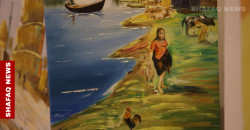
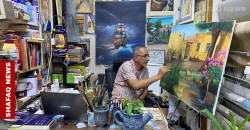
Iraq’s SAAFA: A space for art and belonging


Shafaq News – Al-Anbar
In Iraq’s
western al-Anbar province, a new cultural space called SAAFA (palm frond) is
offering young people and the local community a rare venue for art, creativity,
and connection—addressing a long-standing absence of artistic infrastructure in
the region.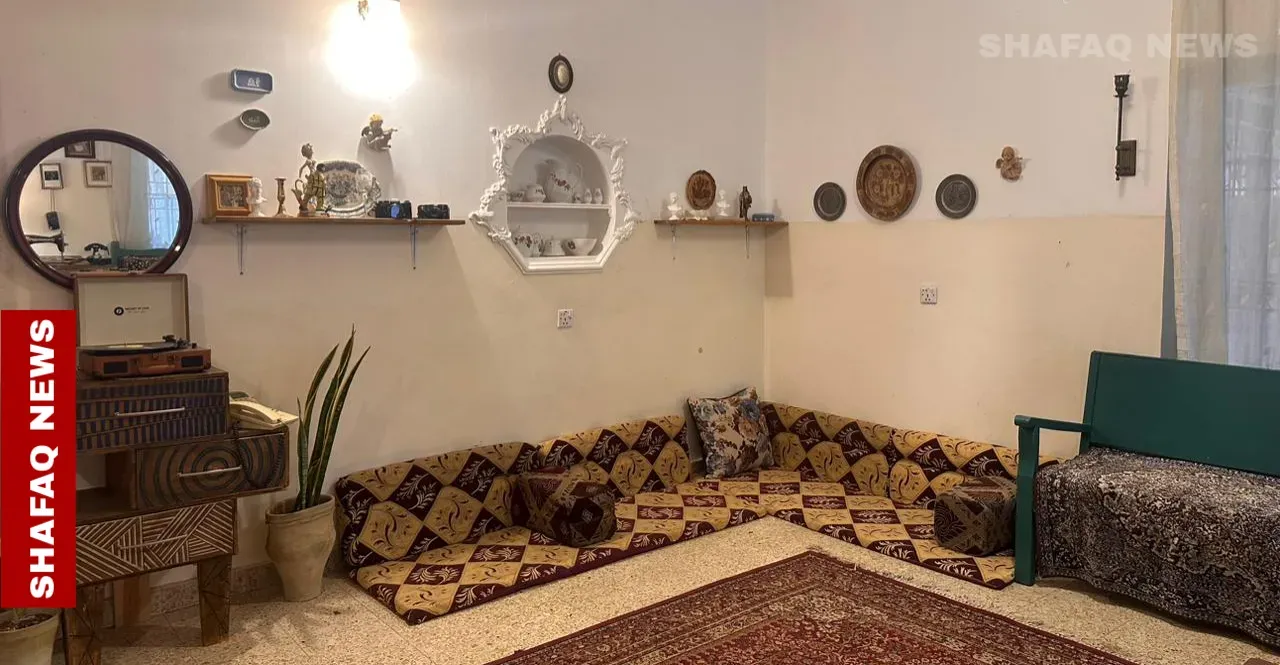
Founded by
visual artist Omar Fawaz, a fine arts graduate, SAAFA grew out of a personal
frustration. “I saw firsthand how few cultural spaces existed in
Al-Anbar—that’s what drove me to start this project,” Fawaz told Shafaq News.
“Today, it’s a refuge for creativity, learning, and social engagement.”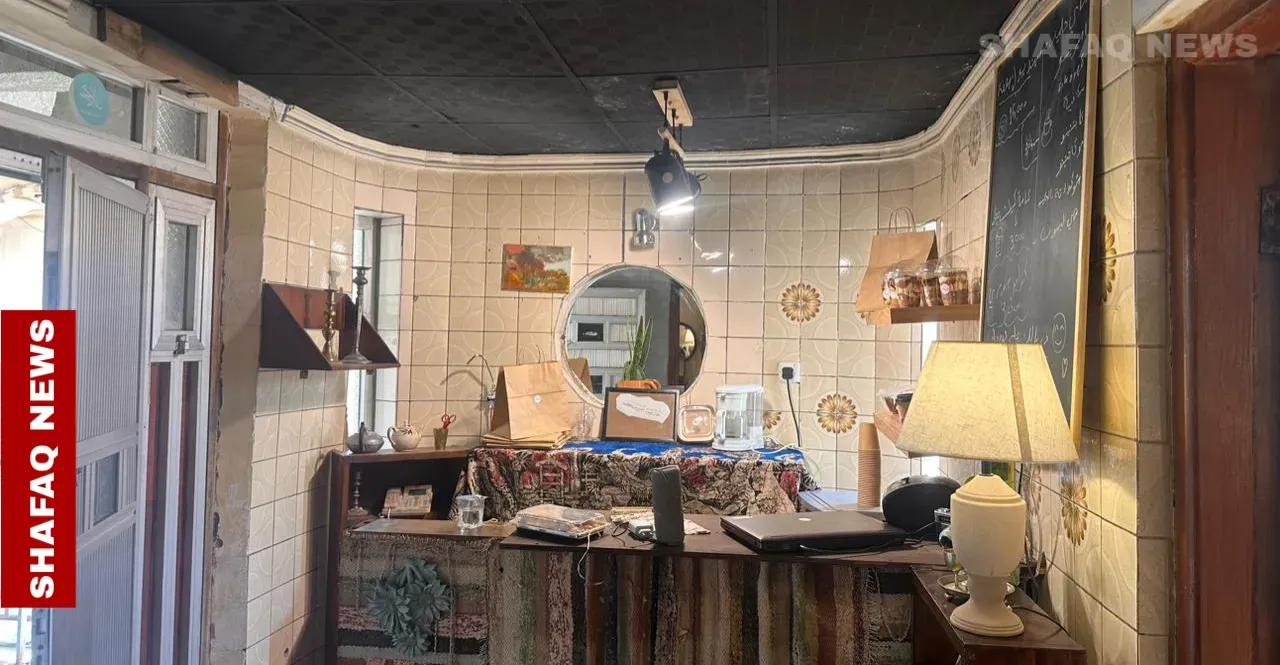
Occupying
600 square meters, SAAFA blends multiple disciplines—visual arts, music,
ceramics, and calligraphy—under one roof. “We wanted to create a place where
people could interact with all forms of art, not just observe them,” Fawaz
explained.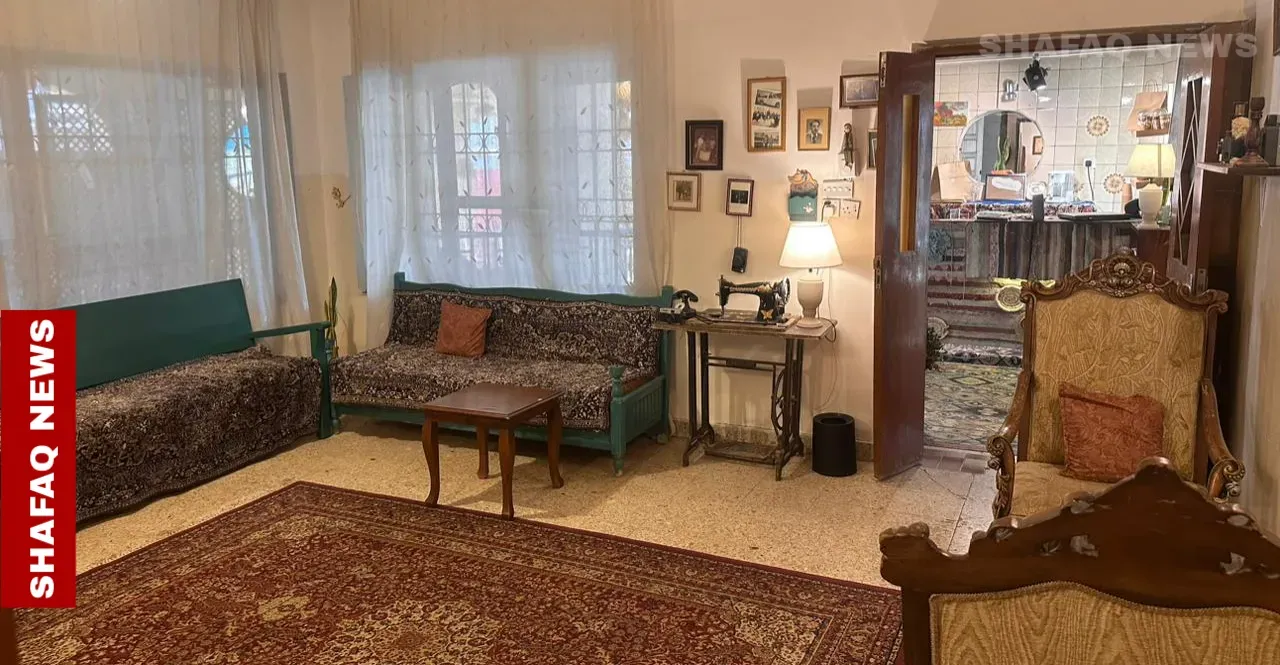
Workshops held at the center have already spurred artistic momentum in the province, giving local youth a platform to develop their skills and explore new ideas. “The results came quickly,” he said. “We’ve seen real growth in both talent and participation.”
The name
SAAFA reflects al-Anbar’s landscape and heritage. “It’s not just symbolic,”
Fawaz noted. “It anchors us to our identity and expresses our goal of laying a
cultural foundation for future generations.”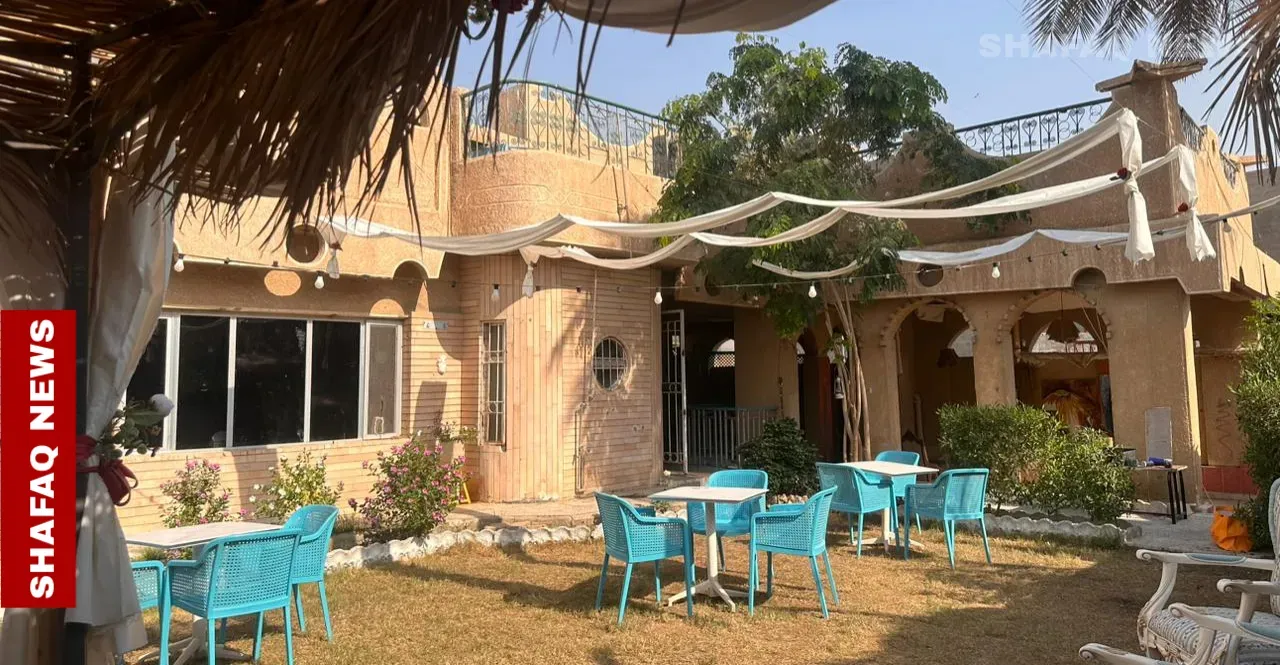
More than an
art center, SAAFA functions as an inclusive community space, welcoming
students, people with disabilities, and individuals on the autism spectrum. “We
use art as a tool for communication and healing,” Fawaz said, highlighting
programs in Arabic calligraphy, ceramics, and music, as well as independent
film screenings that promote critical thinking.
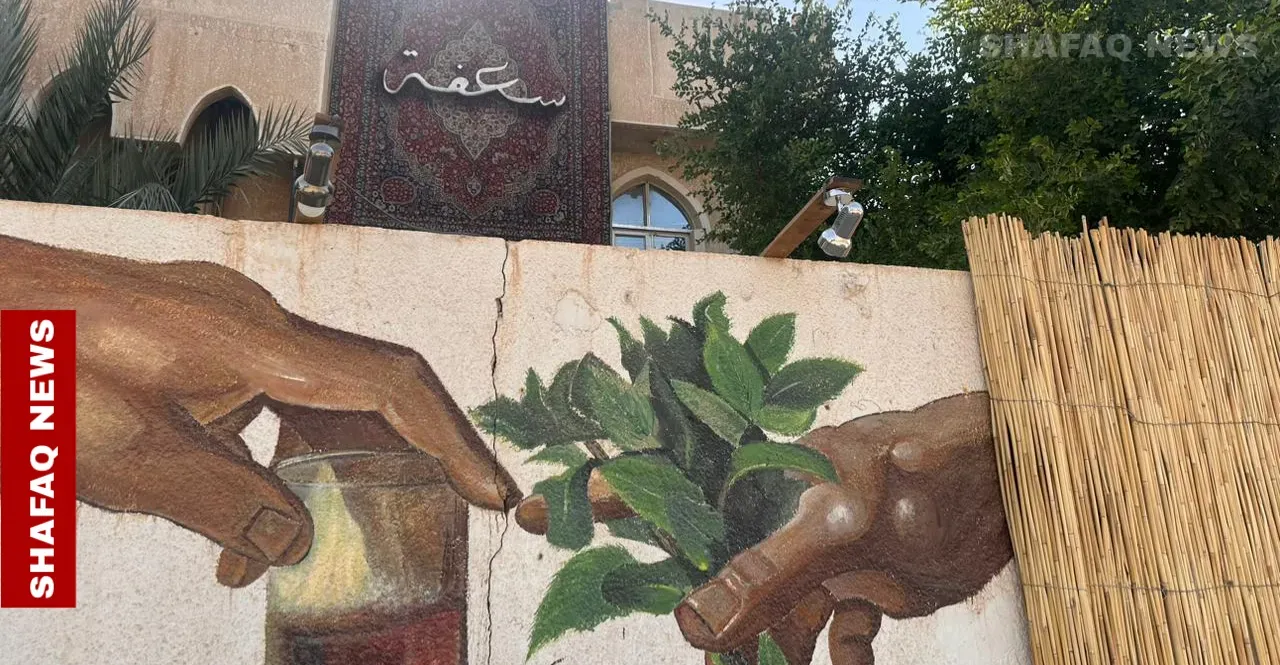
A wall
adorned with palm fronds serves as a visual emblem of the center’s roots.
Nearby, a small kitchen offers traditional Anbari dishes—part of an effort to
preserve the region’s culinary heritage and introduce it to new audiences.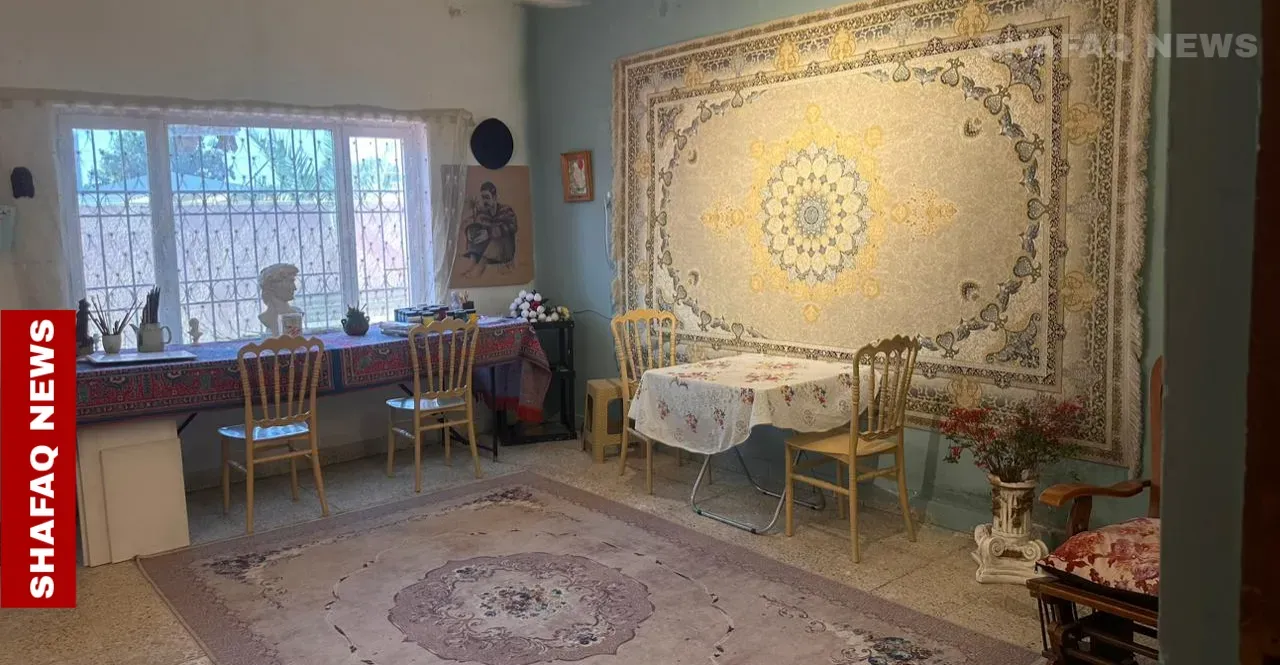
An on-site gallery promotes local artists and connects them with wider audiences, offering a rare opportunity for exposure and sales. “We’re building a sustainable cultural model,” Fawaz explained. “Our work is constantly documented to serve as a reference for future artistic initiatives in Anbar.”
SAAFA, he
emphasized, is open to everyone. “It’s not just for artists—it’s a space for
all of Anbar. A home for ideas, a safe space for expression, and a bridge
connecting our cultural identity with the world.”
Fawaz also highlighted the broader impact of projects like SAAFA in a region where young people have few creative outlets. “Cultural spaces help build social skills, reduce harmful behavior, and foster inclusion. They connect new generations to their roots—not just through art, but through food, history, and community.”