Iraq’s Ramadi farmers: Excluded and facing loss
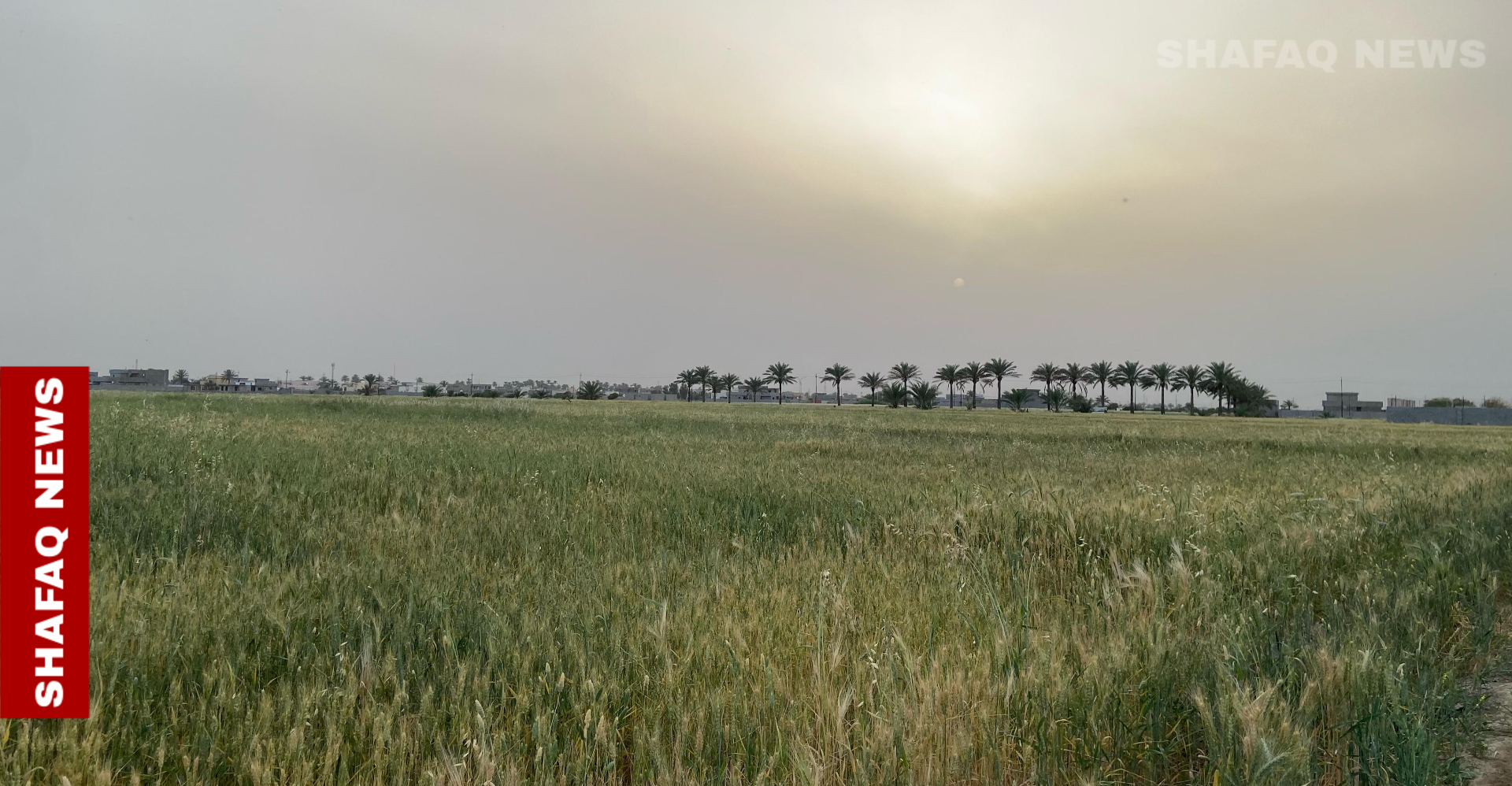


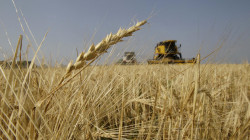
Shafaq News/ Wheat farmers in Ramadi and nearby areas have been excluded from Iraq’s official agricultural plan for this season, despite a directive from Prime Minister Mohammed Shia al-Sudani to include all growers.
Last month, the Cabinet approved a revision to the agricultural plan, extending the same regulations and entitlements to lands outside the official wheat cultivation framework. The Ministries of Agriculture and Trade have been tasked with implementing the change, while the Ministry of Finance is to allocate funds for wheat marketed from outside the plan, ensuring payments to farmers.
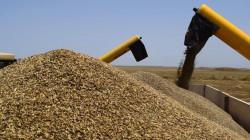
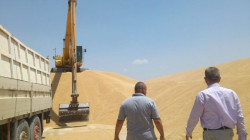
Officials from the al-Anbar Agriculture Directorate confirmed that wheat cultivation in the province surpassed expectations this year. However, thousands of farmers were left out of the official framework, preventing them from accessing subsidized seeds, fertilizers, or selling their harvest to state-run grain silos
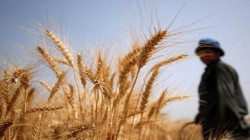
The decision has sparked widespread frustration across al-Anbar, where agriculture is a vital source of income. “We planted at our own expense, but the government doesn’t recognize our efforts,” remarked Abu Qasim, a farmer from Jazirat al-Ramadi, speaking to Shafaq News. “Now we’re barred from delivering our wheat to the silos or selling it at the official rate. We’re guaranteed to lose.”
Agricultural experts warn that the exclusion has both economic and psychological consequences for farmers in areas where agriculture is the primary livelihood.
Furthermore, some voices within the sector suggest that the exclusion may be influenced by more than just bureaucratic oversight. Allegedly, both internal and external actors are attempting to marginalize al-Anbar’s role in Iraq’s food production strategy, potentially to protect the interests of major importers and traders.
One source pointed to individuals linked to large wheat trading networks in Baghdad and southern Iraq, who reportedly lobbied against al-Anbar’s inclusion in the plan. Their concern is that increased domestic wheat production could disrupt the wheat import market.
Farmers across Ramadi and surrounding districts are now calling for the federal government to investigate the decision and take immediate action to ensure their wheat can be marketed through official channels.