Iraq’s Al-Anbar plans to revive native fish populations



Shafaq News- Al-Anbar
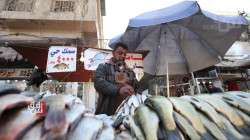
Iraq’s western Al-Anbar province is developing a fish hatchery in Anah district to restore declining native fish populations, alongside efforts to regulate fishing and protect aquatic habitats, Issam Hamid Abdullah, head of the Livestock Department at the provincial Agriculture Directorate, told Shafaq News on Wednesday.
Supported by local authorities, the Anah Model Fish Hatchery aims to produce fish, fingerlings, and larvae for release into local waterways, with plans to supply fish farms and eventually become a fisheries research center, Abdullah said. The breeding program will initially focus on shabout (Arabibarbus grypus) before expanding to other native freshwater species, including binni (Mesopotamichthys sharpeyi), qattan (Luciobarbus xanthopterus), Iraqi catfish, khishni (abu mullet), and zouri.
Abdullah also highlighted coordination with relevant authorities to strengthen enforcement against destructive fishing practices and safeguard breeding areas.
The Agriculture Directorate and the Euphrates Organization for Water and Environmental Sustainability also held a discussion session on Wednesday titled “Our River, Our Life: Toward Sustainable Fishing and Protected Fish Stocks in Al-Anbar,” where participants, according to environmental activist Samim Salam, proposed issuing identification cards to fishermen to facilitate identification and strengthen their legal and security protections.
The session examined harmful fishing methods, including electric shock devices, chemical poisons, and explosives, Salam told Shafaq News, noting that Al-Anbar has recorded no cases involving explosives or chemical poisons, although electrofishing remains relatively widespread.
Representatives of the river police, environmental police, provincial environment and water resources directorates, fishing associations, and other organizations discussed ways to enforce fishing regulations without harming livelihoods, including designating legally protected areas where fish can breed safely and their populations can recover.
Read more: What is killing Iraq’s fish? The evidence points to no single cause