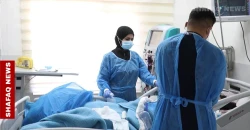
Iraq logs 4,358 meningitis cases in 2026


Shafaq News- Baghdad
Iraq has recorded 4,358 meningitis cases in 2026, up from 4,129 in 2025 and 3,948 in 2024, Health Minister Abdul Hussein Aziz al-Mousawi said on Saturday, as authorities stepped up efforts to monitor the disease and prevent its spread.
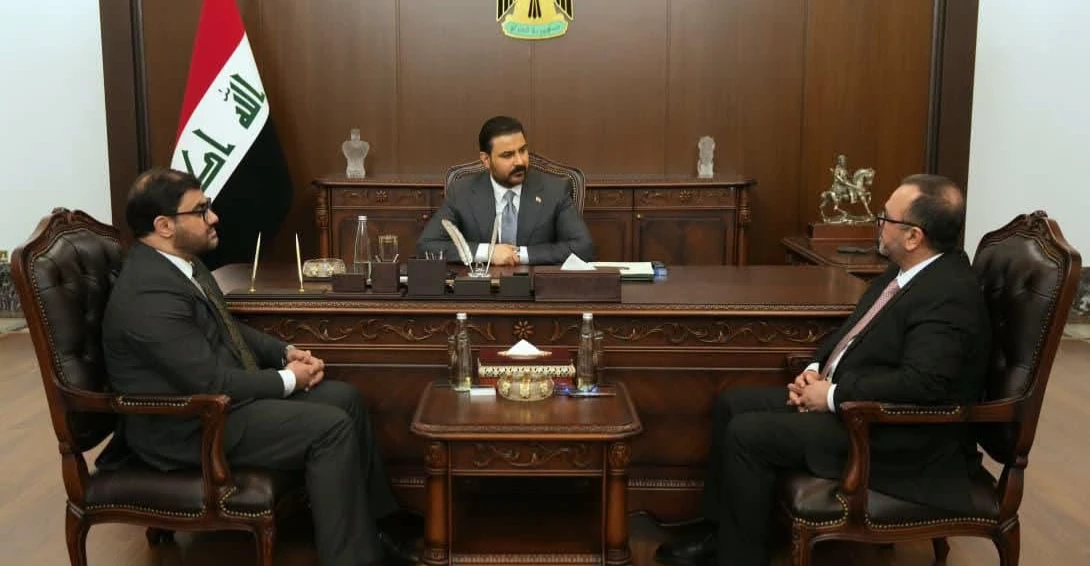
During a meeting with Iraqi Prime Minister Ali al-Zaidi, attended by Chief Advisers Authority head Youssef al-Dinawi, the minister said infection levels across Iraq remained within expected ranges, stressing that healthcare facilities nationwide had the diagnostic and treatment capabilities needed to identify cases, monitor patients and provide the necessary medical care.
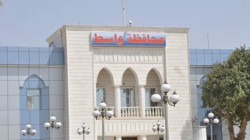
Regarding the situation in Wasit province, al-Mousawi confirmed that 15 people had died from meningitis since the beginning of 2026. He also noted that the Health Ministry had dispatched a delegation to the province to assess health and preventive measures on the ground, inspect healthcare facilities and visit patients to check on their condition.
The ministry is continuing to monitor the epidemiological situation in Baghdad and other provinces, conduct laboratory tests on suspected cases and expand clinical and laboratory assessments to determine the causes of infection. Al-Mousawi stressed the importance of public awareness, urging people to rely on information from official health authorities and avoid circulating rumors or unverified reports.
A meeting involving the health and education ministers and the Higher Committee for One Health is scheduled for Sunday to review the latest developments and discuss measures to strengthen prevention and limit the spread of the disease.
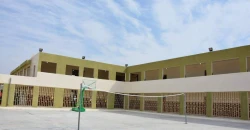
The meeting follows Wasit's declaration of a state of emergency and suspension of classes in its schools after more than a dozen deaths and 361 meningitis cases were recorded in the province. In Diyala, eight cases were also documented among children, while al-Anbar, Basra and Najaf provinces introduced preventive measures to limit the spread of the disease in educational and healthcare facilities.
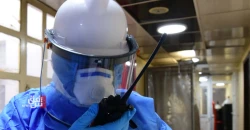
Iraq's Civil Defense Directorate General reported that its specialized teams were ready to respond to any biological or epidemiological emergencies. Nawas Sabah Shaker, head of the directorate's media department, told Shafaq News that Civil Defense had trained and equipped teams capable of responding to chemical, biological, radiological and nuclear incidents through its CBRN response unit.
The Health Ministry has not requested assistance from Civil Defense so far, Shaker added, noting that the teams remained on standby in Baghdad and other provinces and were prepared to respond if an official request was made.