Iraq lists ancient Al-Aqiser church for urgent restoration


Shafaq News- Karbala
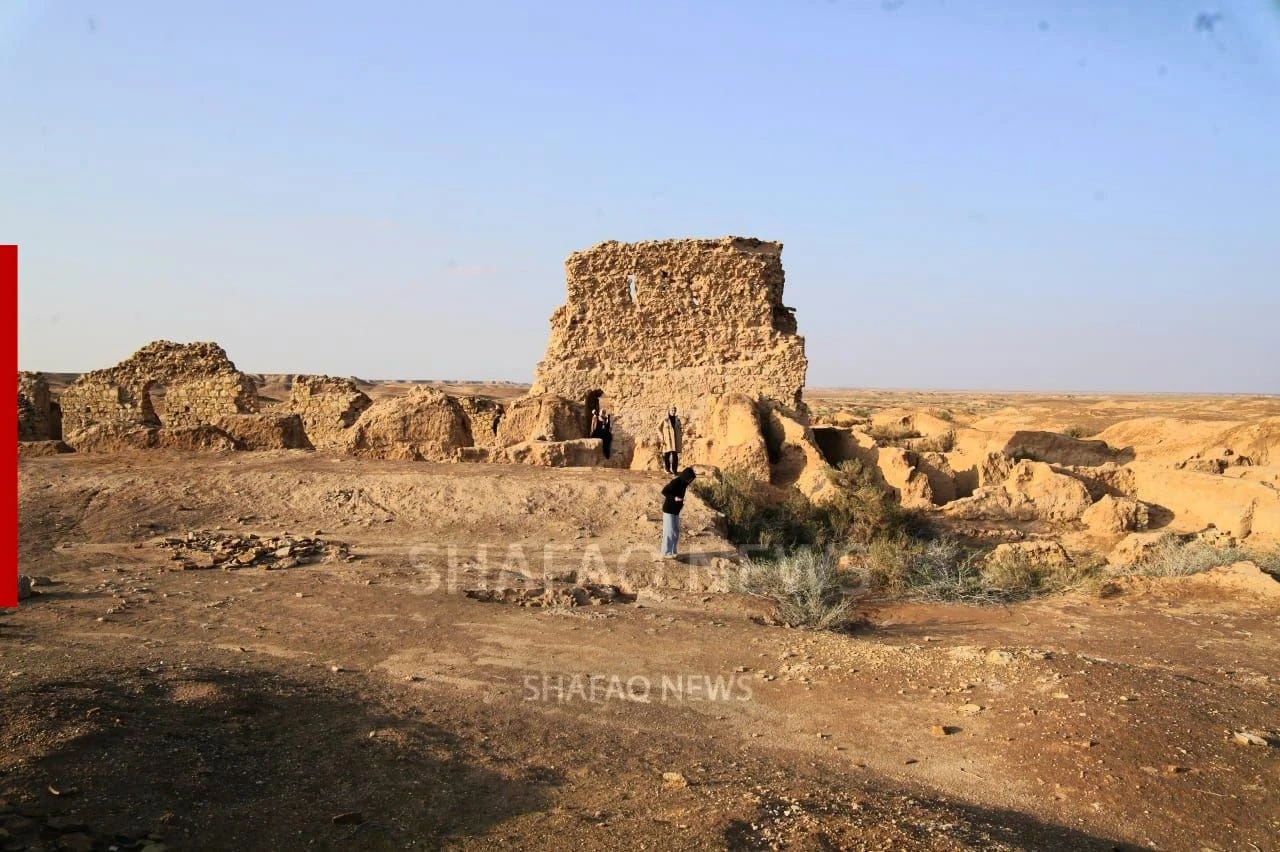
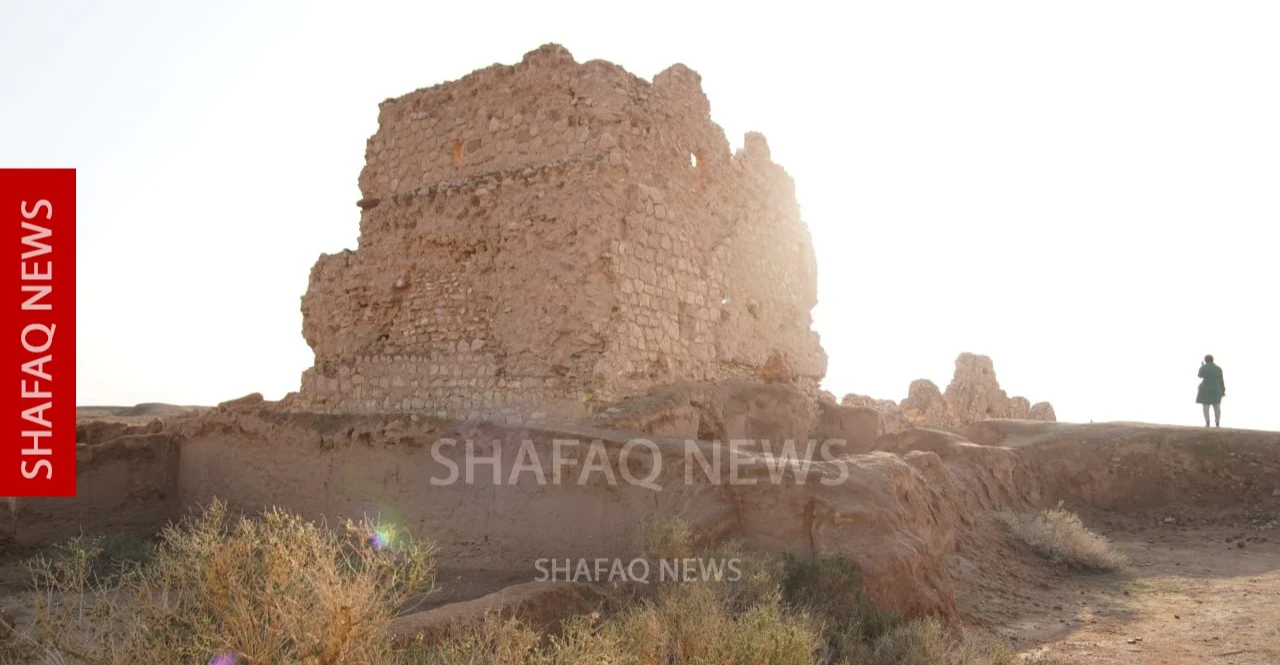
The 1,500-year-old Al-Aqiser Church, one of Iraq's oldest surviving Christian churches, has been placed on Iraq's list of priority restoration sites as climate change and years of neglect continue to accelerate its deterioration.
During a 2025 inspection, a technical committee from Iraq's
Ministry of Culture, Tourism and Antiquities classified the church among
archaeological sites requiring emergency conservation, although restoration
work still depends on the allocation of government funding, according to the
Karbala Antiquities and Heritage Directorate.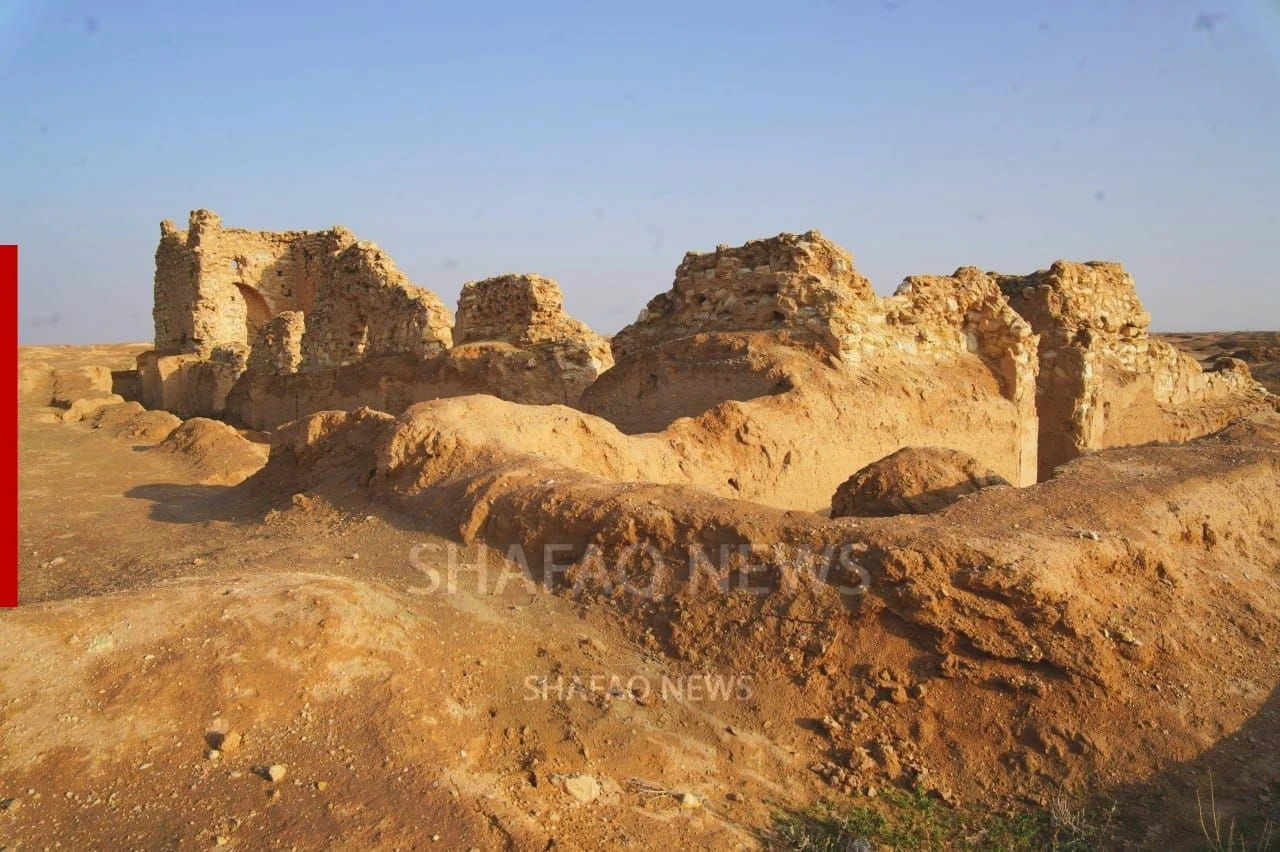
Al-Aqiser stands within a sprawling walled monastery in Ain al-Tamr district, about 70 kilometers (43 miles) west of Karbala and roughly 5 kilometers from the historic Al-Ukhaidir Fortress. Archaeologists date the church to the late fifth or early sixth century AD, making it one of Iraq's earliest surviving basilica-style churches. Its entrance is marked by distinctive oval arches, while the surrounding monastery stretches across nearly 15,000 square meters and is protected by defensive towers.
Ahmed Hassan Jaber, director of the Karbala Antiquities and Heritage Directorate, told Shafaq News that the complex requires excavation, restoration, and rehabilitation before it can become a fully recognized archaeological and tourist destination.
Read more: Iraqis long for the world's oldest churches and temples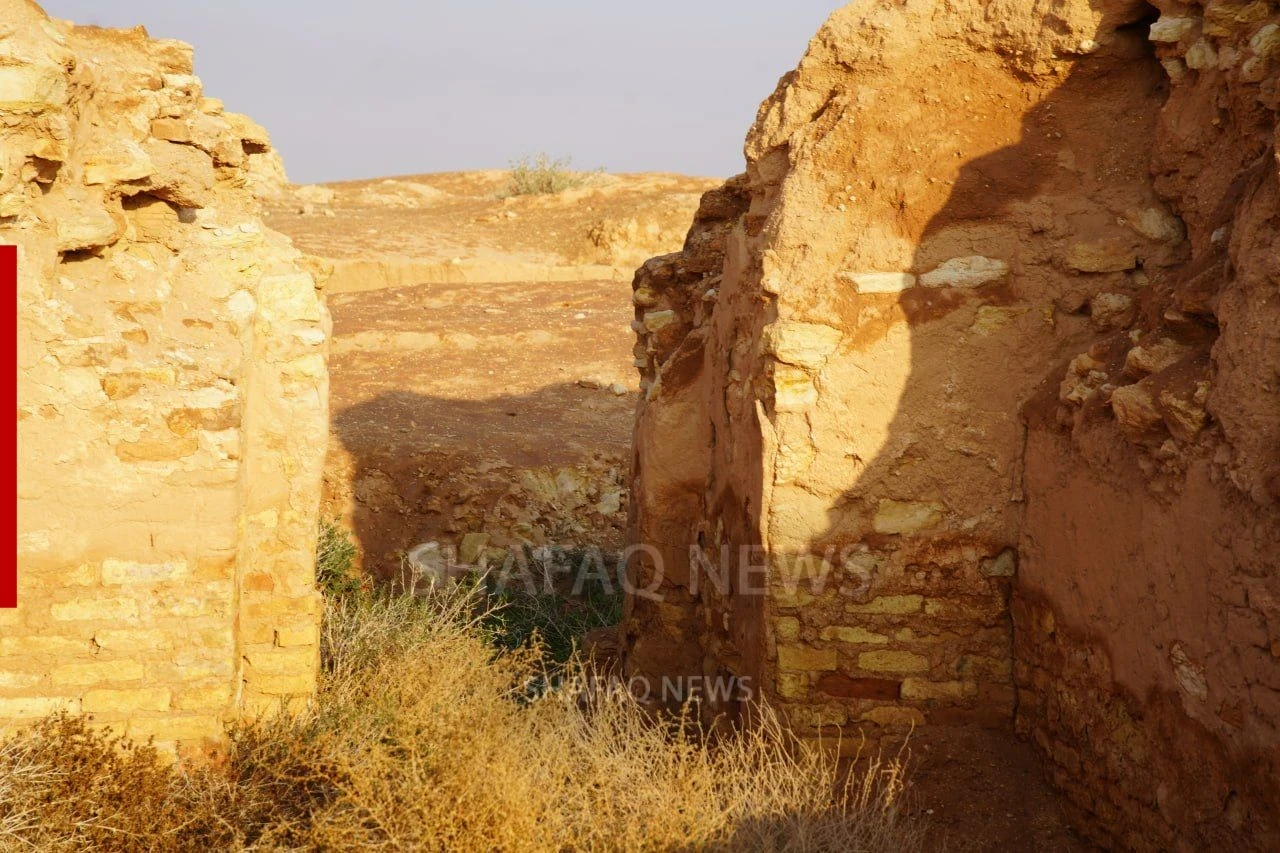
Years of limited funding have prevented any large-scale conservation work, he said, adding that authorities managed to install a protective fence around the monastery and the surrounding archaeological settlement in 2023 to reduce encroachment, “but the site has suffered repeated damage since 2003, when looters dug into burial grounds east of the complex before security forces intervened.”
The main church, built from stone and plaster, measures about 42 meters (138 feet) in length and 9 meters in width. It sits inside a fortified compound that also includes monks' cells, residential quarters, a small funerary church, and service buildings, according to Dr. Muntasir Sabah al-Hasnawi, director general of the Conference Palace at the Ministry of Culture, Tourism and Antiquities.
“A dry valley cuts through the archaeological complex, while
nearby seasonal water sources are believed to have influenced the monastery's
original location centuries ago,” he told Shafaq News, pointing out that due to
its location in the western desert, Al-Aqiser is exposed to rising
temperatures, stronger solar radiation, declining rainfall, and frequent dust
storms, all of which have accelerated the deterioration of its fragile
structure.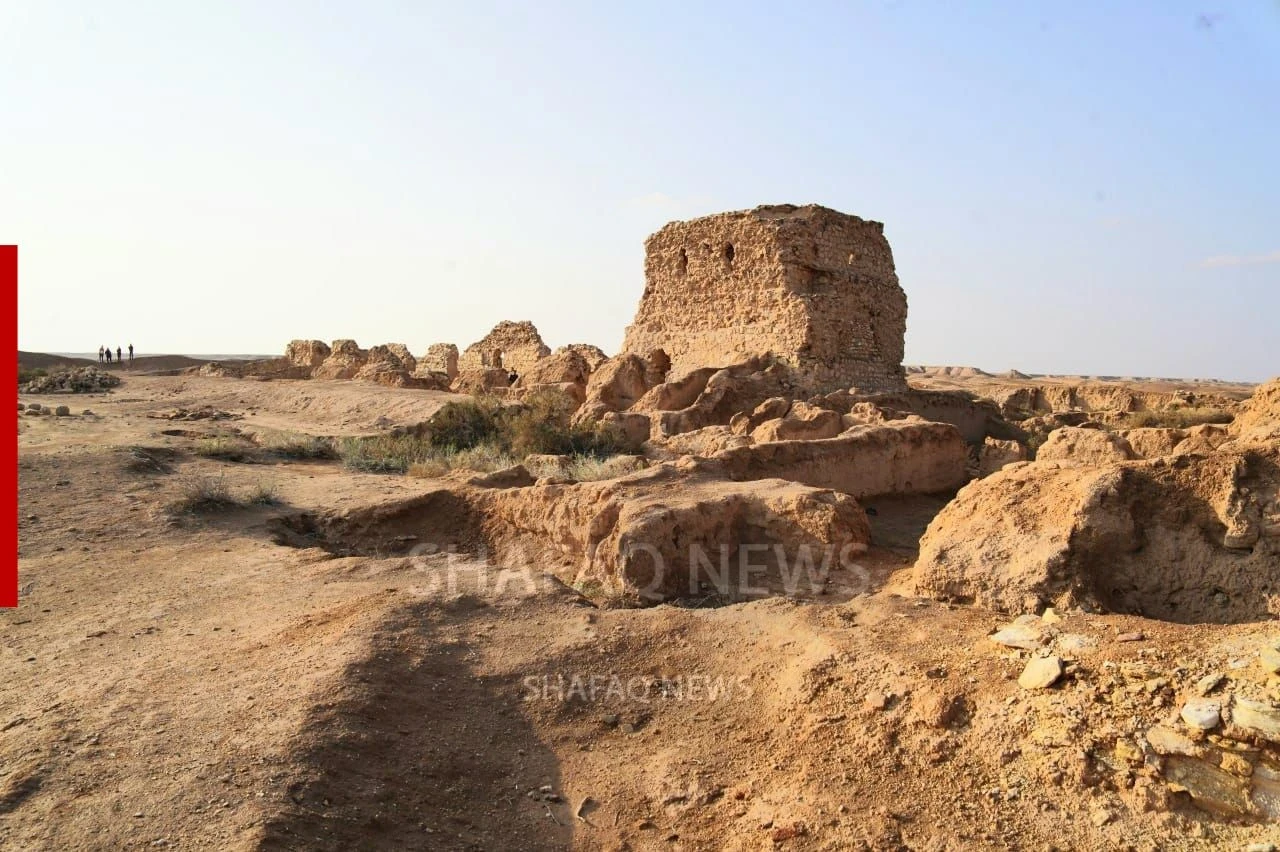
Al-Hasnawi said sharp temperature swings between day and night are causing the greatest damage, as repeated expansion and contraction crack the stone and gradually loosen sections of the wall. Wind carrying sand and dust steadily erodes exposed surfaces, while chemical weathering continues to weaken plaster and clay elements throughout the complex. Illegal excavations and the site's use during years of conflict have added to the deterioration.
Beyond its architectural value, Al-Aqiser offers a rare glimpse into Iraq's pre-Islamic Christian heritage. The monastery is associated with the Lakhmid Kingdom of al-Hira, the Arab Christian state that ruled parts of Mesopotamia before the rise of Islam. Syriac inscriptions and carved crosses remain visible on sections of the walls, reflecting the region's long-established Christian presence centuries before Iraq became predominantly Muslim.
“Preserving the church will require more than repairing damaged walls.” He called for drainage projects to divert rainwater, protective measures against flooding and wind erosion, and the creation of green belts to slow the movement of desert sand.
The church is only one of several archaeological landmarks in Ain al-Tamr. Nearby attractions, including Al-Ukhaidir Fortress, the Al-Tar Caves, and Shimun Palace, could form the basis of a broader heritage tourism route if roads, visitor facilities, and basic services were developed.