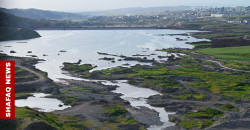
Iraq edges toward “Water War” over shrinking supplies


Shafaq News – Baghdad
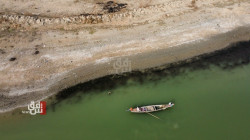
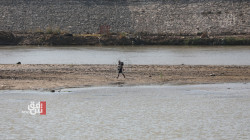
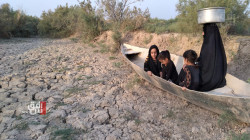
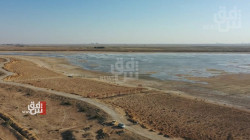
Iraq now stands “on the brink of thirst,” with mounting pressures threatening the country’s ability to secure sufficient water supplies as the crisis shifts from warning signs to an established reality.
Speaking to Shafaq News, water resources engineer Hala Kazem Tayeh attributed the growing strain primarily to climate change and global warming, describing them as among the most serious challenges facing Iraq. She explained that the country’s location within arid and semi-arid zones has heightened its vulnerability, while its low-lying geography leaves it exposed to sudden floods and seasonal torrents that are largely wasted due to weak storage and water-harvesting systems.
Tayeh stressed that adopting modern approaches—such as underground dams and systematic rainwater harvesting—could significantly improve water storage and reduce losses if implemented more broadly.
Civil and environmental engineering specialist Ghassan Mohammed warned that Iraq could face a “real water war” in the coming years if urgent measures are not taken. He argued that engineering solutions alone would not be enough, underscoring the need for economic and political tools alongside technical interventions.
Read more: Iraq burns: Dust, drought ravage the nation's core
Mohammed pointed to agricultural investment partnerships with Turkish and Iranian companies operating inside Iraq as one option, saying such arrangements could create shared economic interests that encourage upstream countries to increase water releases. He also highlighted the need to reduce evaporation from open water bodies, citing the use of floating plastic balls—applied in countries such as the United States—as an effective method to limit water loss.
From the government side, Mohammed Hamza Al-Jubouri, an official at the Ministry of Culture and Tourism, described Iraq’s water crisis as “an established fact” driven by both domestic shortcomings and external pressures, particularly regional water policies.
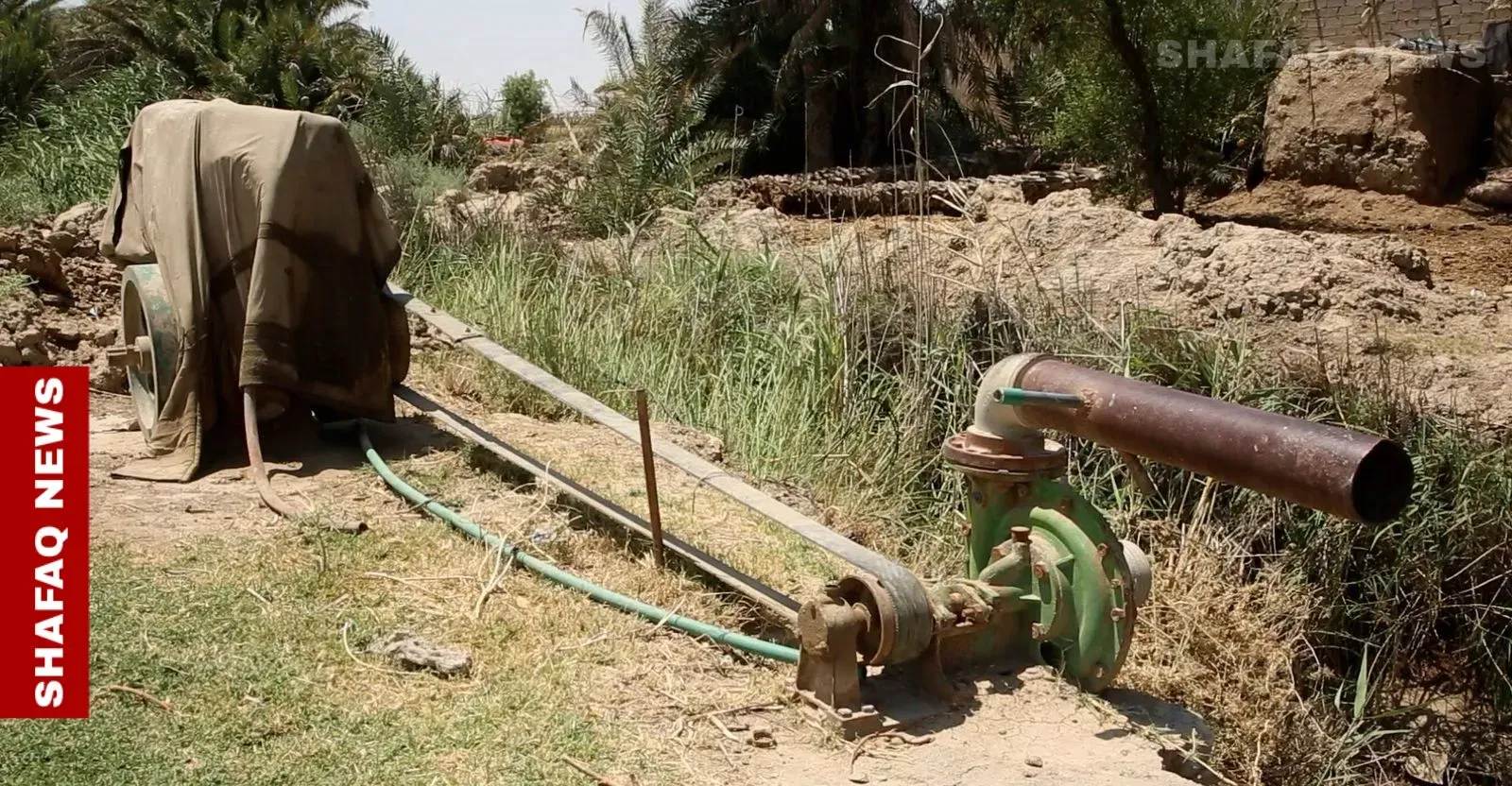
Embedding a culture of water conservation, Al-Jubouri confirmed to our agency, has become a national necessity, covering household use and agriculture alike. He called for abandoning traditional irrigation in favor of modern systems, better utilization of rainfall, and changes in consumption patterns to curb daily waste, stressing that rationalizing water use is now a strategic requirement rather than a voluntary practice.
Read more: Iraq’s water crisis deepens: Reserves collapse, mismanagement continues
Iraq is spiraling deeper into a water crisis, as reserves that once stood at about 21 billion cubic meters have fallen by more than half within a year. According to the Green Iraq Observatory, the country now requires more than 100 billion cubic meters of water to restore reserves to normal levels after years of drought and reduced flows from the Tigris and Euphrates rivers.