Iraq counts 626K heritage buildings


Shafaq News- Baghdad
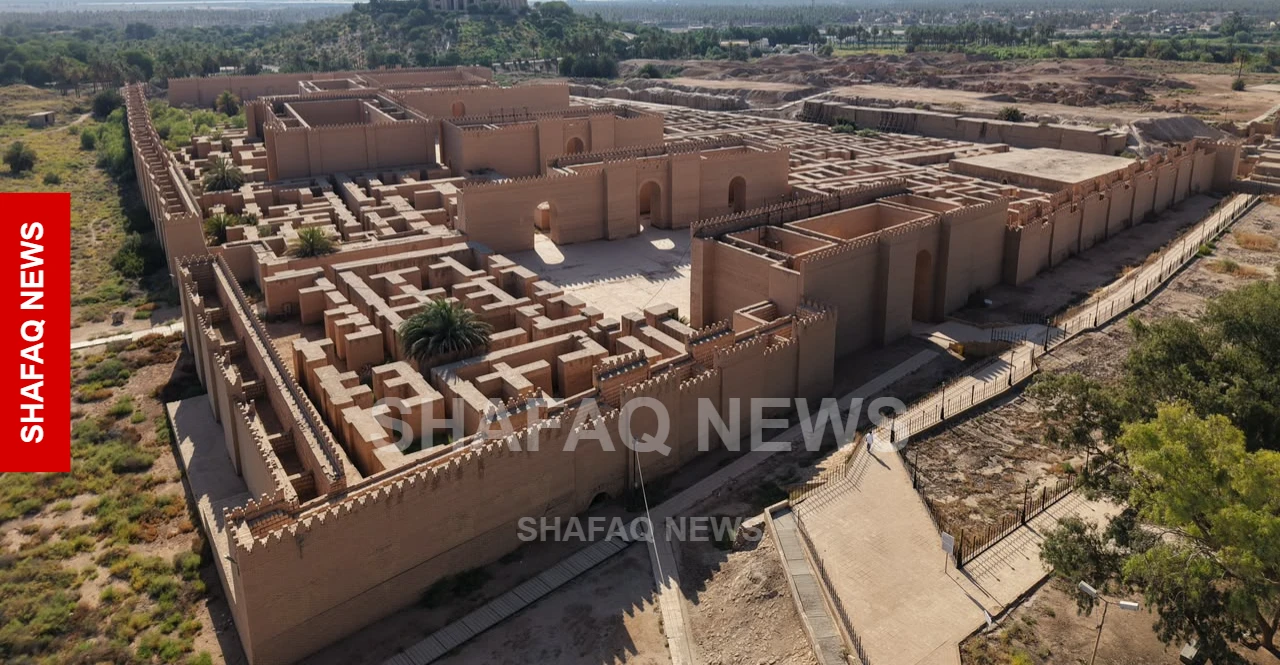
Iraq has identified approximately 626,000 registered and unregistered heritage buildings nationwide, Saad Hamza Zghair, deputy director general of world heritage at the Ministry of Culture, Tourism, and Antiquities, told Shafaq News on Tuesday.
He said heritage buildings in Iraq are evaluated against specific standards to qualify for heritage status, and are then sorted into three categories: A, B, and C. Category A represents buildings of major significance that retain all the defining features of a heritage structure, while categories B and C reflect descending levels of importance.
Zghair explained that the defining features of these buildings include decorative elements found in traditional architecture, such as arches and vaults, which lend the structures their aesthetic character. "Building layout also carries significant weight," he added, noting that it spans architectural traditions from the Sumerian and Babylonian civilizations through to the modern era.
Read more: Najaf registers 190+ heritage buildings under preservation law
He also pointed out that a building's heritage value extends beyond its architectural features to include the historical events tied to it, particularly homes once inhabited by poets, artists, historians, and other notable figures, as well as mosques carrying religious and historical significance.
"The ministry aims to formally register all heritage buildings in official records," Zghair indicated, adding that provinces with long historical roots, including Baghdad, Basra, and Mosul, account for the largest concentrations of heritage buildings.
On the legal framework, Zghair explained that Iraq's Antiquities and Heritage Law contains more than 17 articles addressing the preservation of heritage buildings, setting out procedures for their registration and formal declaration, alongside provisions that penalize violations against them.
He remarked that ownership of a heritage building remains with the property's owner, who retains the right to sell, purchase, or lease it. However, demolition, reconstruction, or maintenance and restoration work require prior approval from antiquities authorities under the law. The law grants heritage property owners several rights and benefits, including exemption from certain taxes, as well as access to grants, loans, and other incentives aimed at supporting the preservation of these buildings, Zghair concluded.