Iraq-Kurdistan floods: Dams overflow, reserves still low


Shafaq News – Baghdad / Erbil (Updated at 15:36)
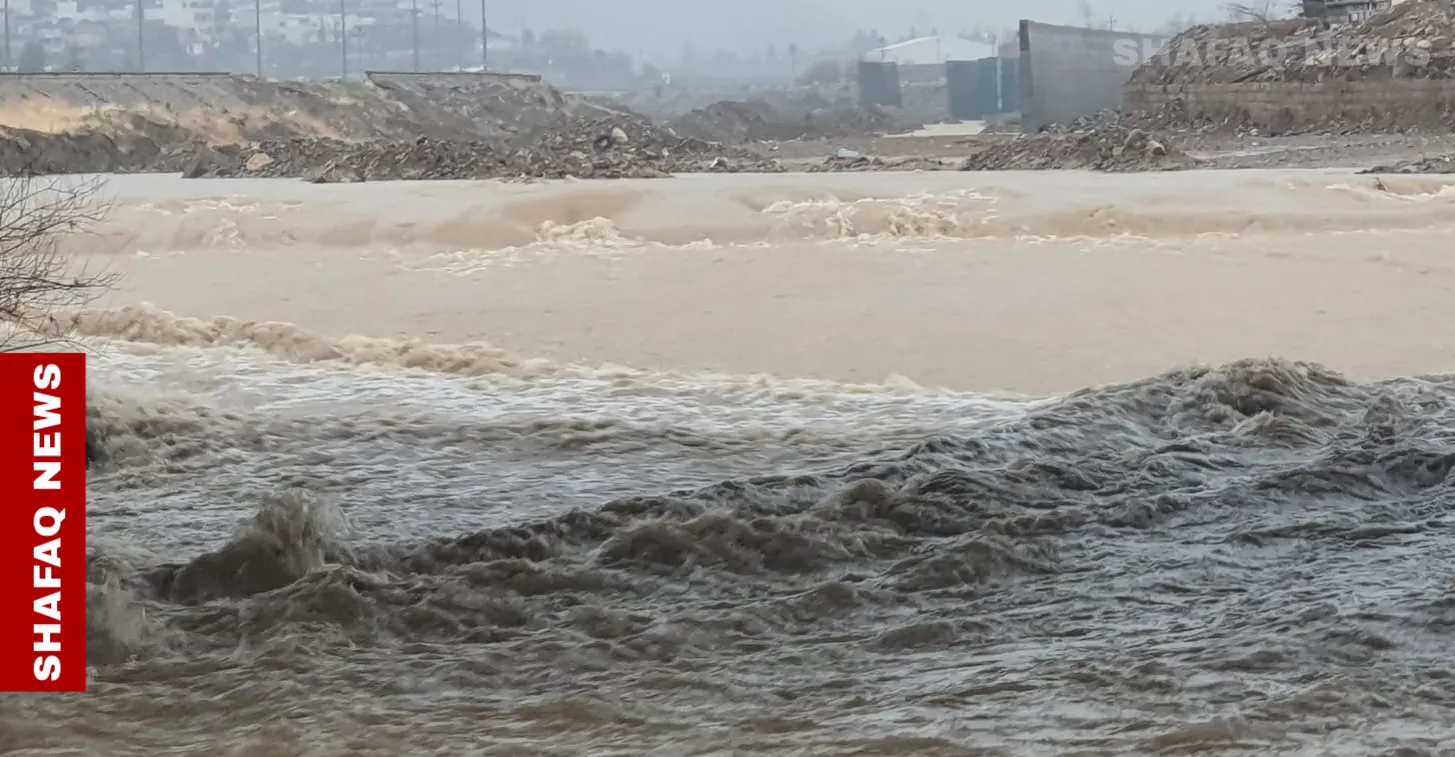
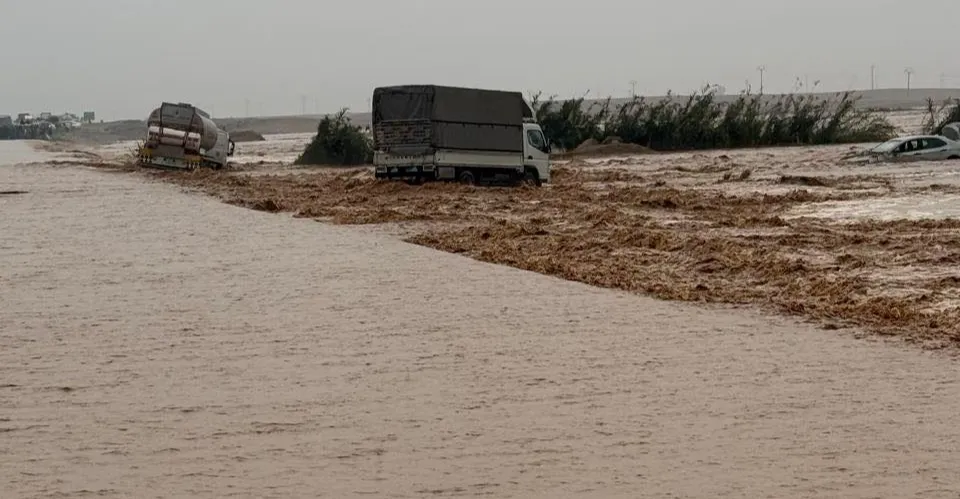
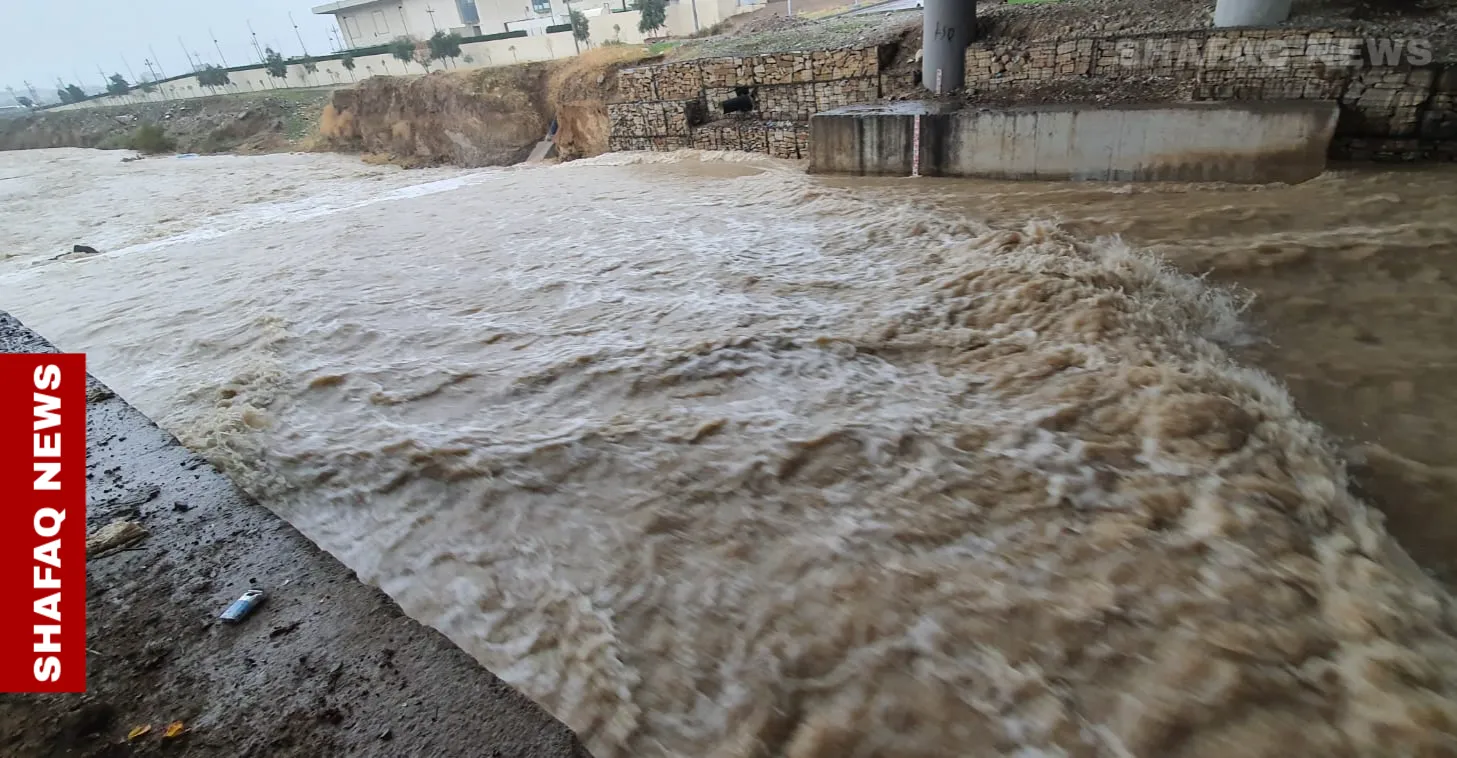
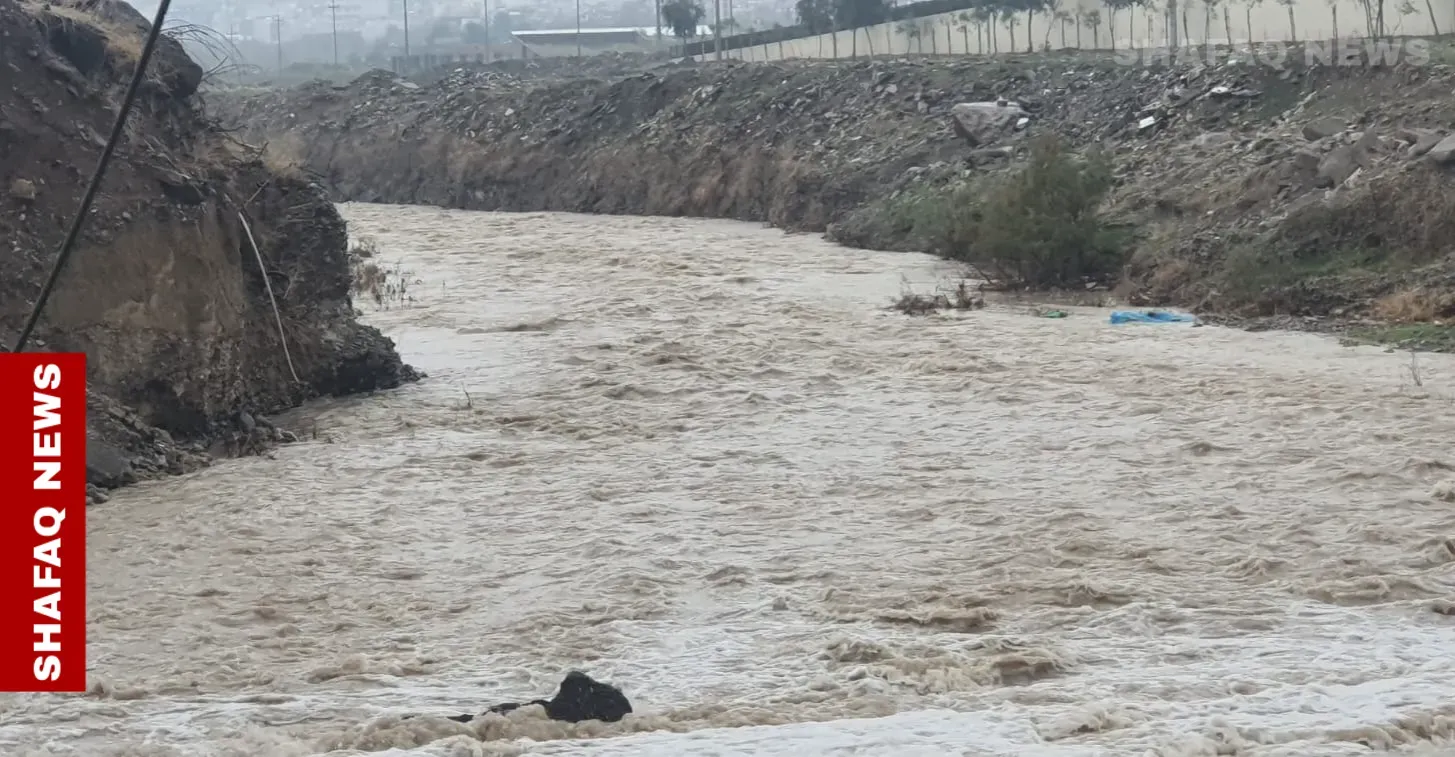
Heavy rainfall over the past 24 hours triggered destructive flash floods across the Kurdistan Region, leaving casualties, damaging property, and causing three major dams to overflow, local authorities reported on Wednesday.
In a statement, the Directorate of Meteorology and Seismology recorded exceptional rainfall levels, including 206.5 mm in Przhanja, 201 mm in Chwarqurna, 173.5 mm in Takiya, and 154.2 mm in Yakhsmar. Al-Sulaymaniyah reached 122.7 mm, Chamchamal 127.1 mm, and Darbandikhan 143.6 mm—totals far above seasonal averages.

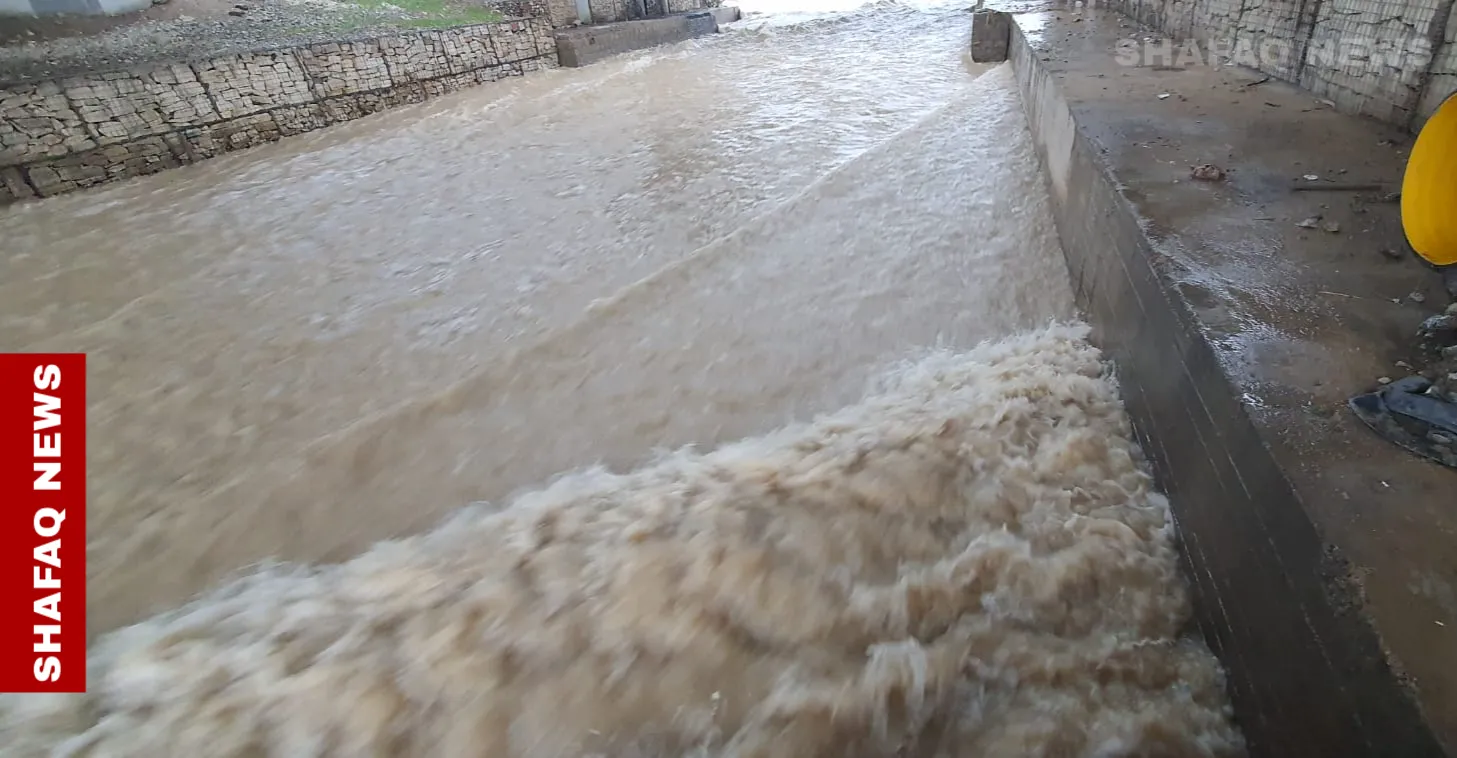
The Garmian Administration confirmed that the Bawshaswar, Awaspi, and Twajar dams surpassed capacity and began overflowing, each designed for roughly 30 million cubic meters of water.
Meanwhile, the Kurdish Ministry of Agriculture and Water Resources said in a statement that the storms sharply increased reservoir volumes, noting that Dukan and Darbandikhan alone gained more than 100 million cubic meters over two days. Darbandikhan rose by 1.5 meters and Dukan by nearly 70 centimeters, while all small dams in Garmian and Al-Sulaymaniyah reached maximum capacity. One dam in Erbil surpassed its limit, and others reported measurable inflows without yet reaching full volume.
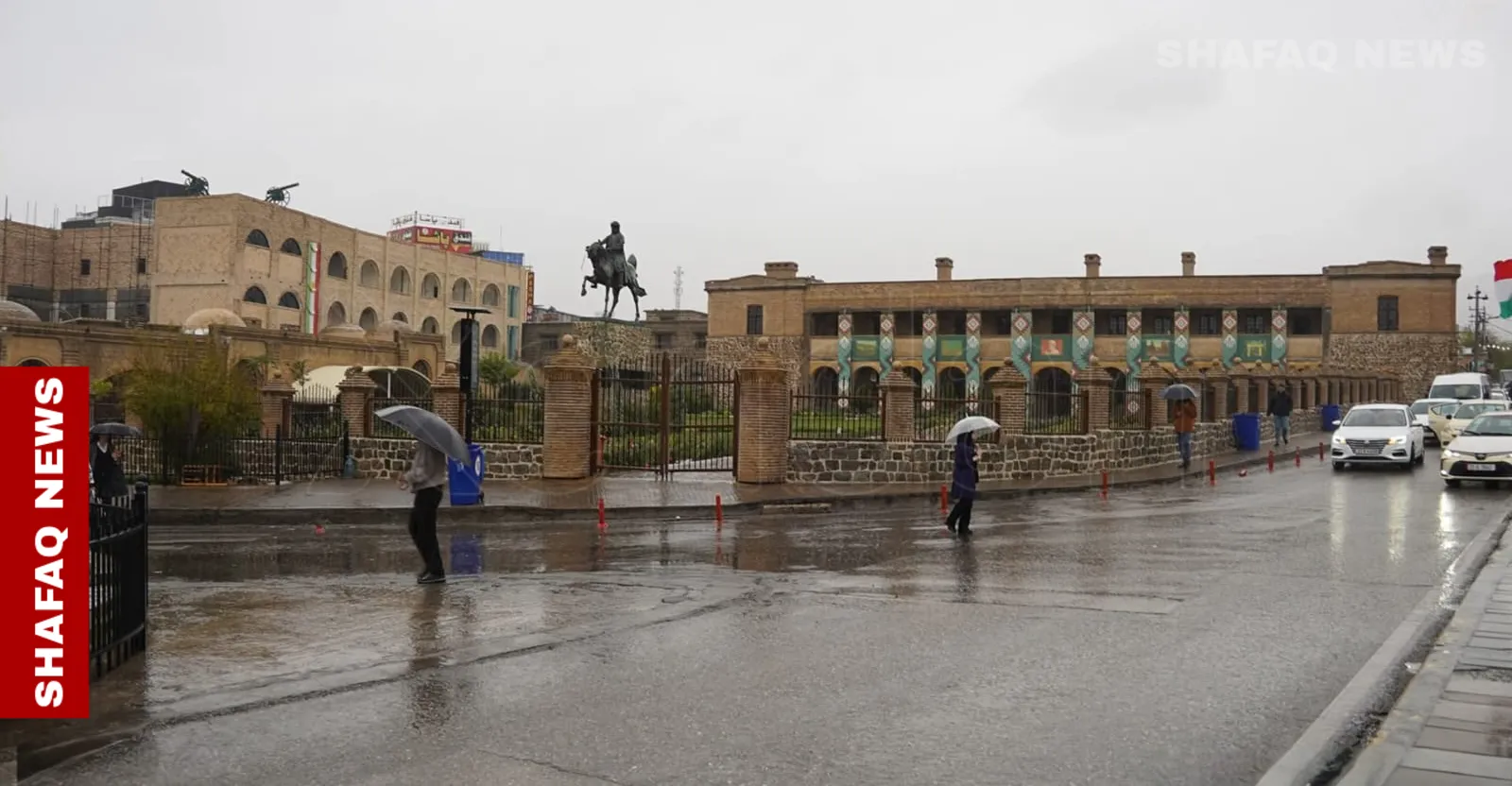
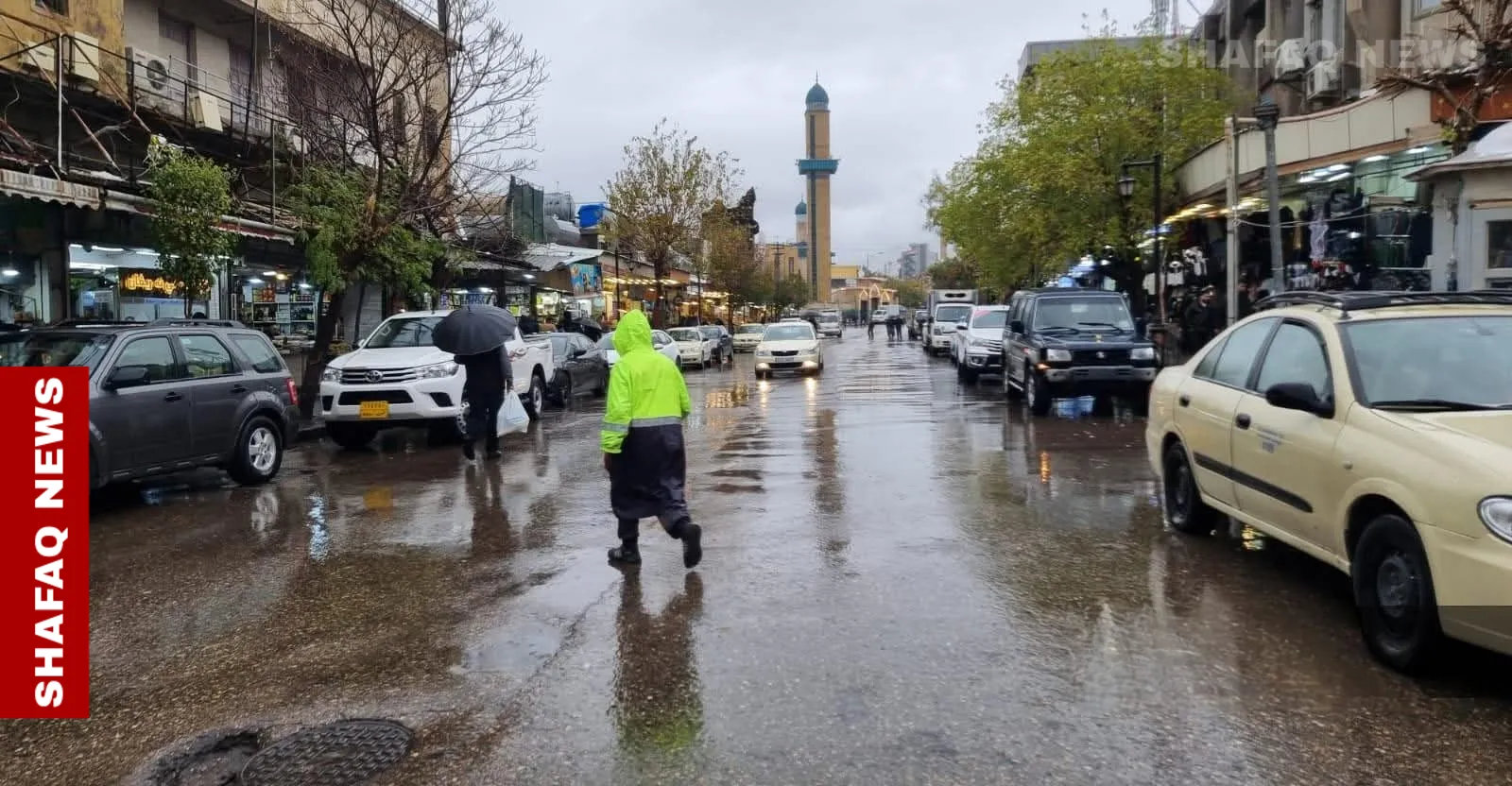
Floodwaters swept through Chamchamal and Al-Sulaymaniyah, inundating streets, damaging homes, and destroying vehicles in low-lying districts with limited drainage. Chamchamal authorities reported two deaths and four injuries as Civil Defense teams undertook large-scale rescue and cleanup operations. Rising water also disrupted traffic in eastern Al-Sulaymaniyah and the industrial zone until municipal crews cleared major routes.
The Meteorology Directorate warned of continued scattered rainfall and urged residents to remain cautious in affected areas.
In response, caretaker Prime Minister Mohammed Shia Al-Sudani ordered emergency relief for the Kurdistan Region, directing the National Center for Crisis and Disaster Management and other federal bodies to support local authorities, with immediate funding allocated by the Ministry of Finance.
Turkish Airlines cancelled all Istanbul–Kirkuk flights due to heavy rain, strong winds, and low visibility, while a source at Iraq’s Meteorological Authority cited to Shafaq News dense fog and ongoing storms as key factors delaying operations until safety conditions improve.
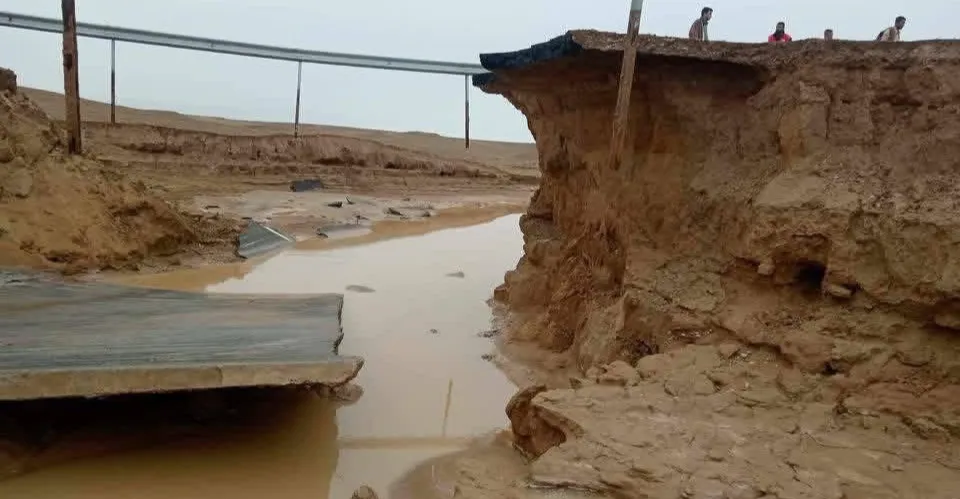
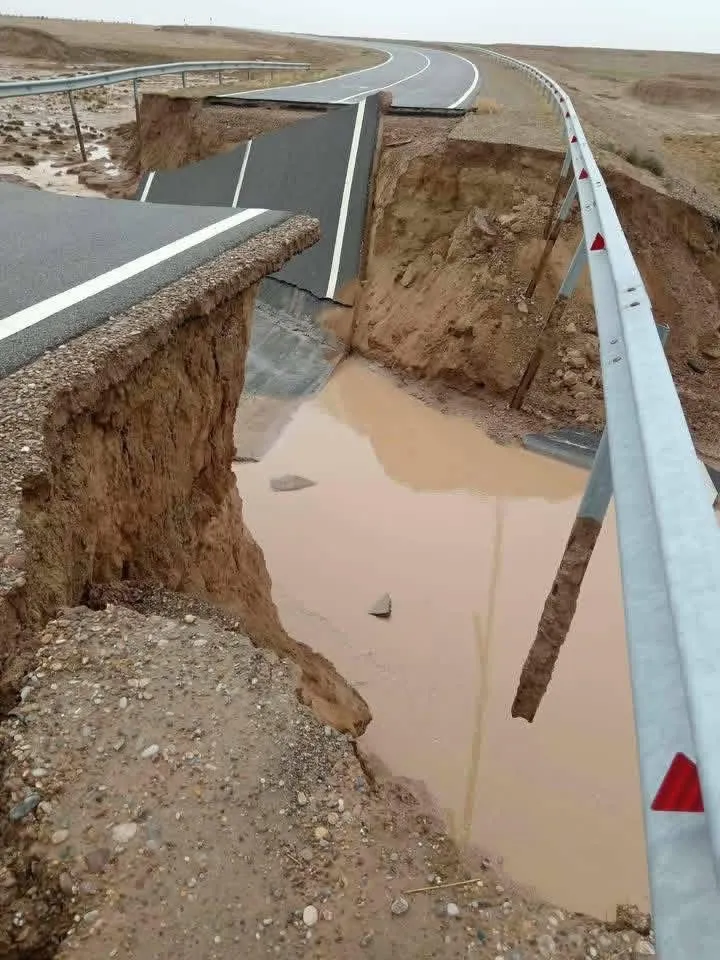
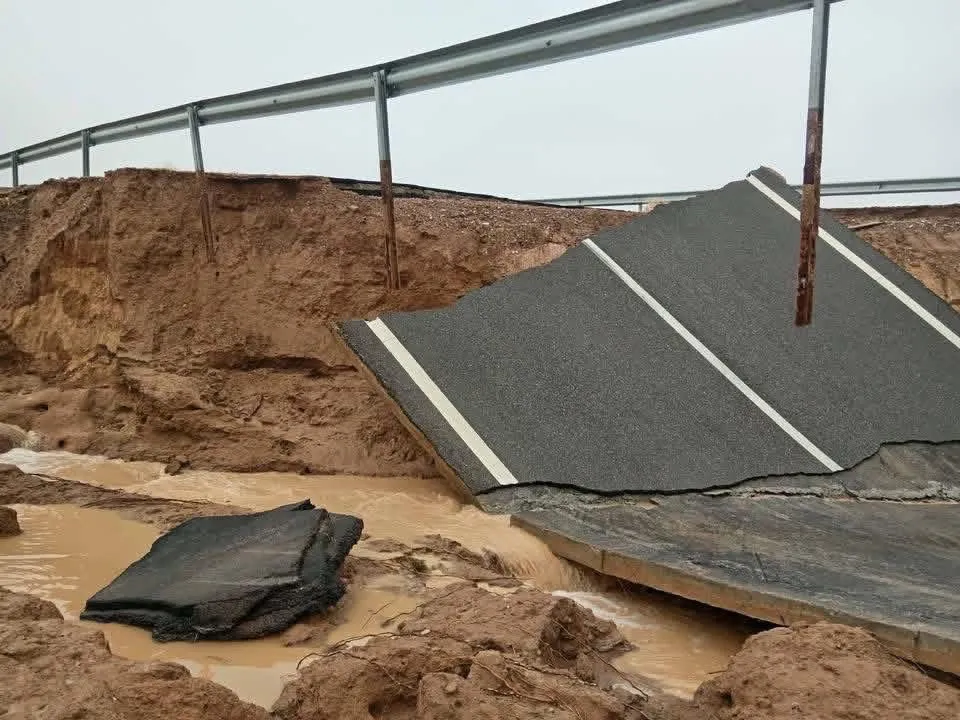
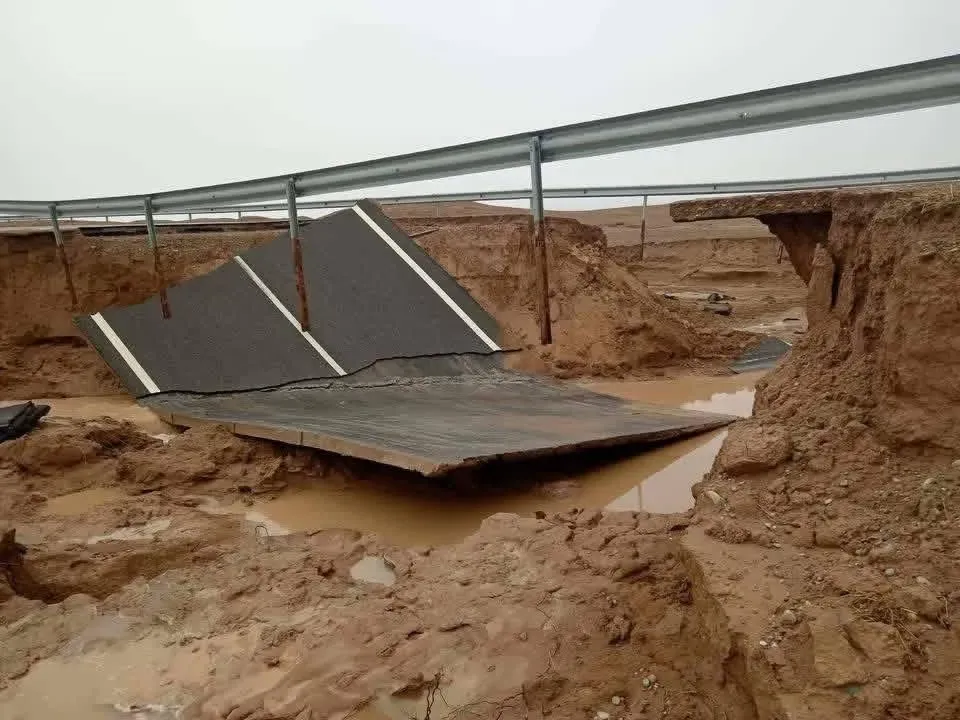
Flooding also struck several central and eastern provinces across Iraq. In Diyala, medium to severe runoff hit areas northeast of the province, especially those bordering Al-Sulaymaniyah, where two major roads linking Qara Tappa to Sarha and Kifri went out of service. Speaking to Shafaq News, local officials reported waterlogged streets and damage to several homes as service departments worked to drain flooded areas and reduce risk.
In Saladin, a source told our agency that part of the Zarka–Tuz Khurmatu international bridge collapsed after floodwaters weakened its supports, leading authorities to confine traffic to a single lane for small vehicles. Kirkuk’s Daqouq Bridge, the source added, is also operating on one lane due to earlier damage.
Despite the intensity of the storms, the Green Iraq Observatory reported only a 1–2 percent increase in national water reserves, stressing that far heavier rainfall is needed to revive southern marshes and replenish key water systems.
The observatory—working with Mustansiriyah University’s Atmospheric Sciences Department and regional monitoring stations—highlighted Al-Sulaymaniyah’s 86 mm daily rainfall as Iraq’s highest, followed by Dukan (52 mm), Dhi Qar (11.5 mm), and Baghdad’s Aadhamiya district (11.4 mm), warning that sustained precipitation is essential to strengthen the Tigris and Euphrates and support drought-affected regions.
Read more: Iraq’s water reserves fall below 8 billion cubic meters as shortage deepens