Iraq Christians mark Palm Sunday with church-only services amid war


Shafaq News- Baghdad
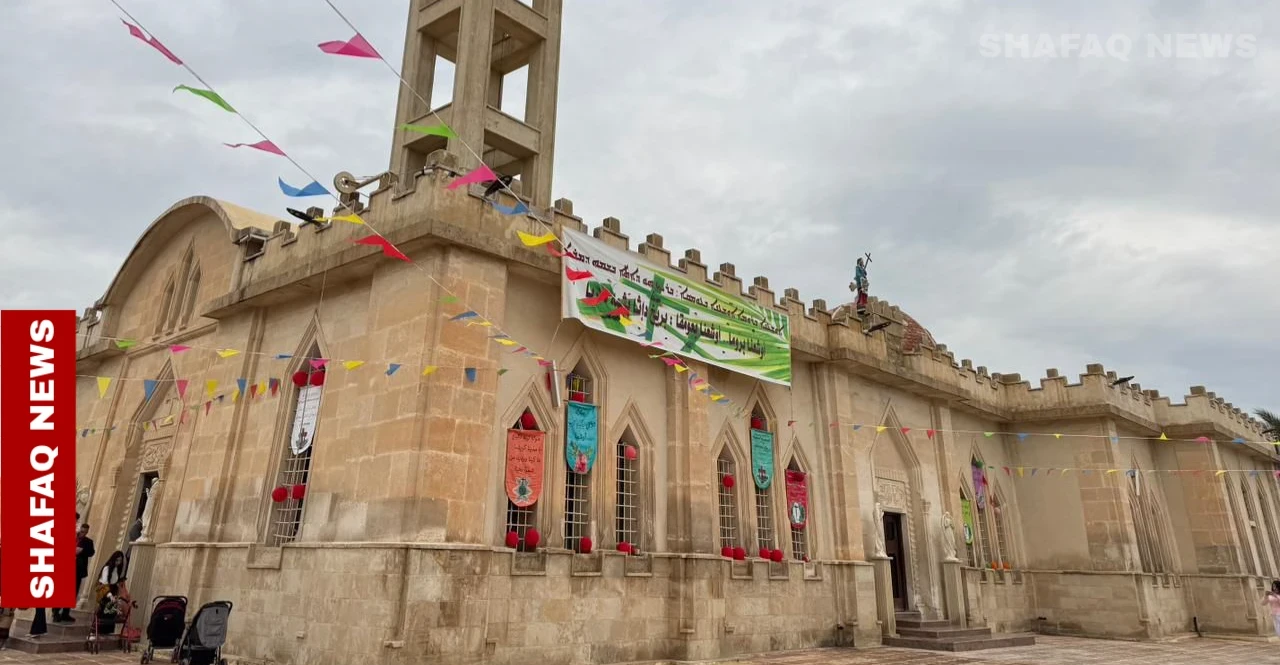
War-related conditions have confined Palm Sunday observances in Iraq to church services, replacing the public processions and festive rituals that traditionally define the occasion.
Palm Sunday marks the beginning of Holy Week in Christianity —the
final period of Lent leading to Easter— and commemorates the biblical account
of Jesus Christ’s entry into Jerusalem, a scene symbolizing humility, peace,
and spiritual renewal as crowds welcomed him with garments and tree branches.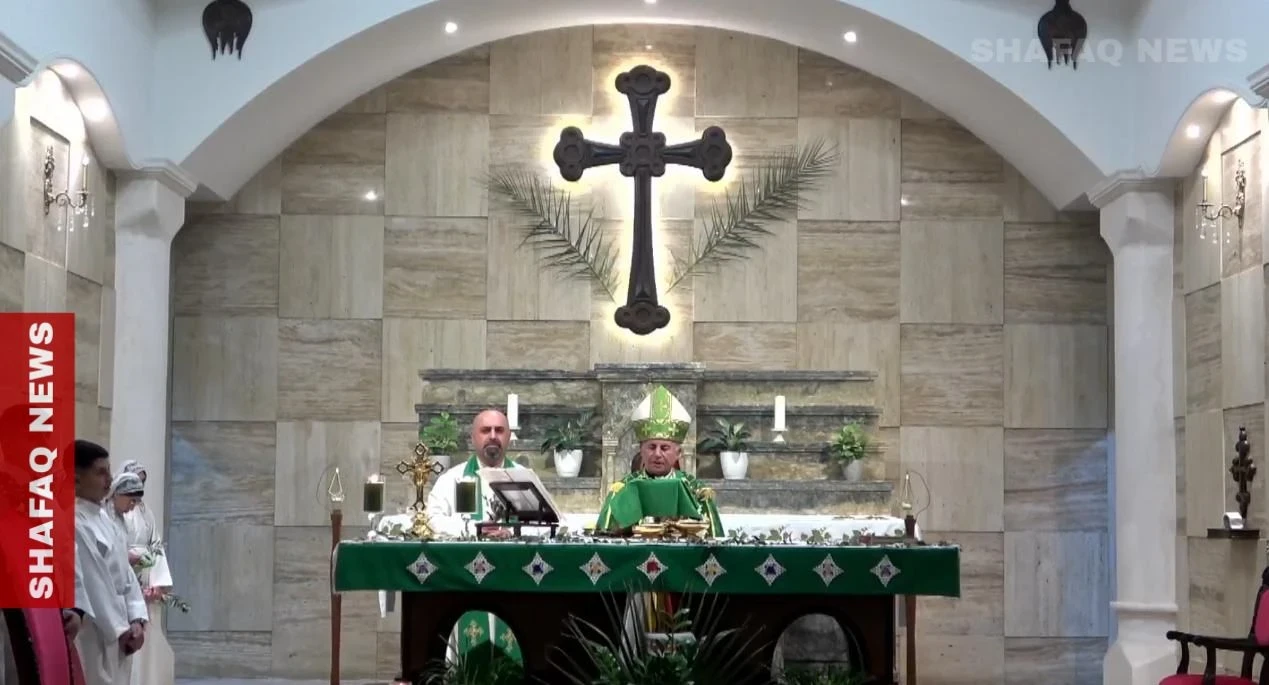
Speaking with Shafaq News, Father Martin Hermiz, Director of Media
and Government Communication at the Endowment Office, said the day reflects
“inner peace, submission to God’s will, and the triumph of faith,” while also
carrying a strong social dimension through collective worship and shared
rituals.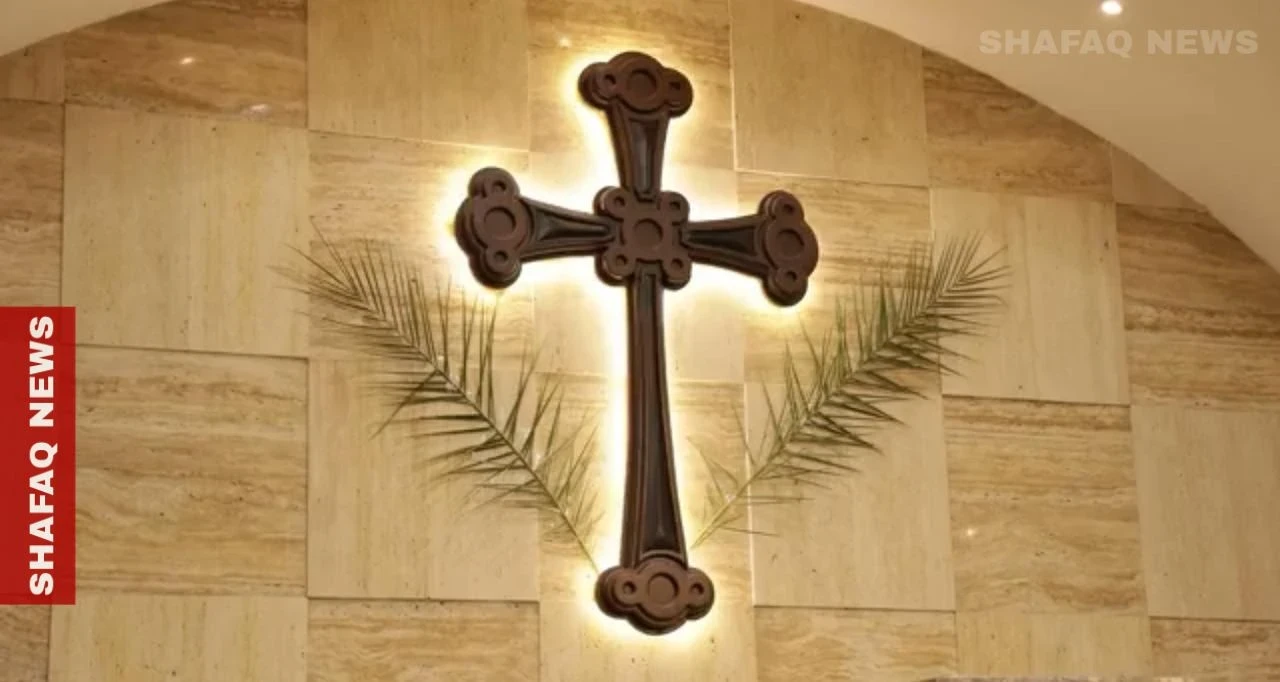
Traditionally, families gather in churches where children wear
white garments and carry olive or palm branches. These are later blessed and
distributed as symbols of peace, with some preserved on church altars and
reused during religious ceremonies throughout the year.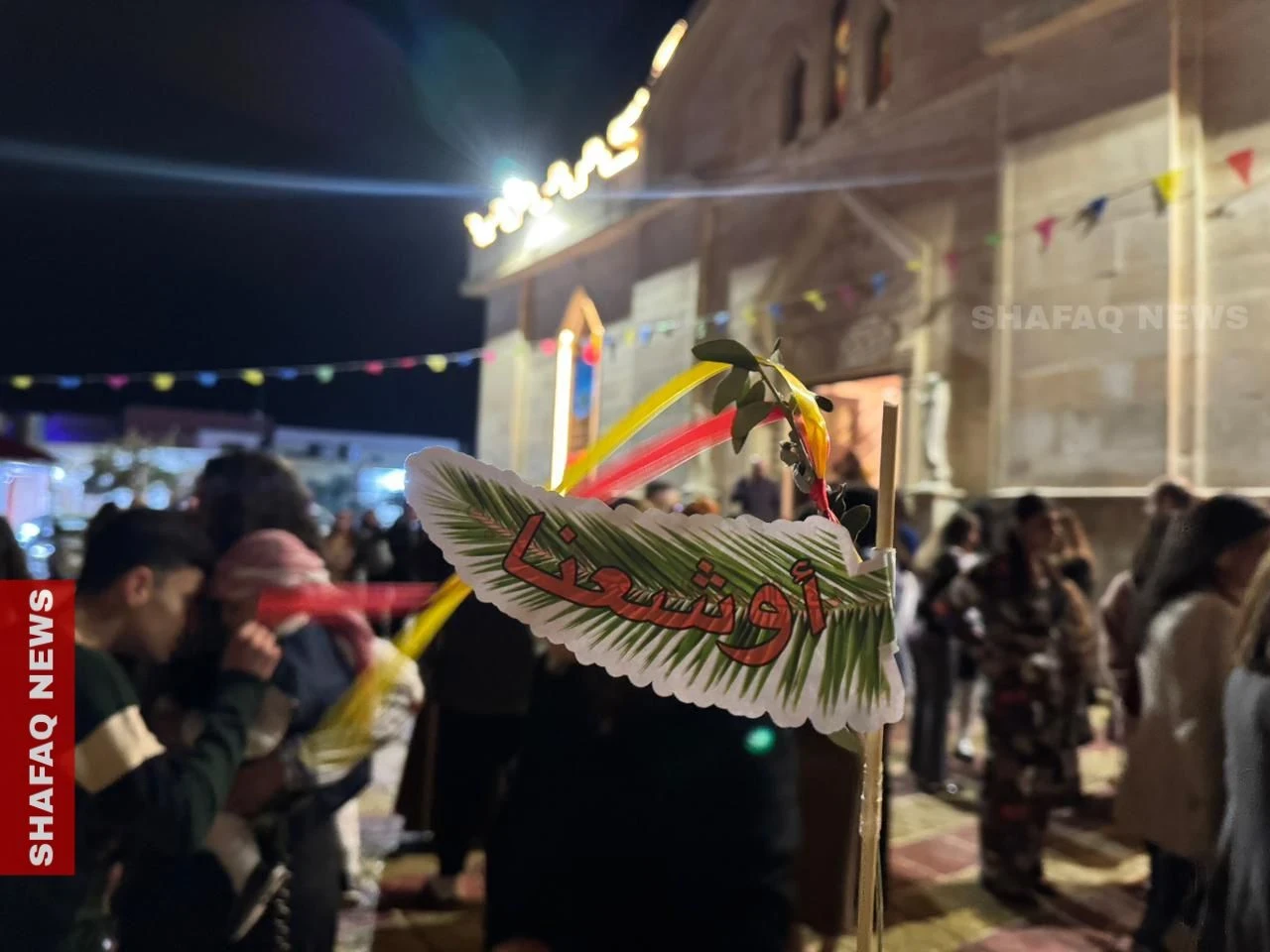
In the Nineveh Plain, where many Iraqi Christians remain, Rita Emmanuel, from Al-Hamdaniya district, told our agency, “Every year, there are processions to the churches, but due to the current conditions, we are limiting the celebration to the mass only,” expressing hope for stability and peace in Iraq and the world.
The Syriac Catholic Archdiocese of Mosul and its affiliated areas announced, last week, the cancellation of Easter celebrations and public displays this year, in solidarity with those “suffering and affected” by the war, noting that Palm Sunday observances would be limited to church attendance.
Iraq, a multiethnic country with a Muslim majority, was once home to a large Christian population —estimated at 1.2 to 1.5 million before 2003, including Chaldean Catholics, Assyrians, and Syriac Orthodox communities. Over the past two decades, their numbers have declined to fewer than 250,000, according to church and humanitarian estimates.