Iranian ceramics squeeze Iraq’s old pottery trade


Shafaq News- Baghdad
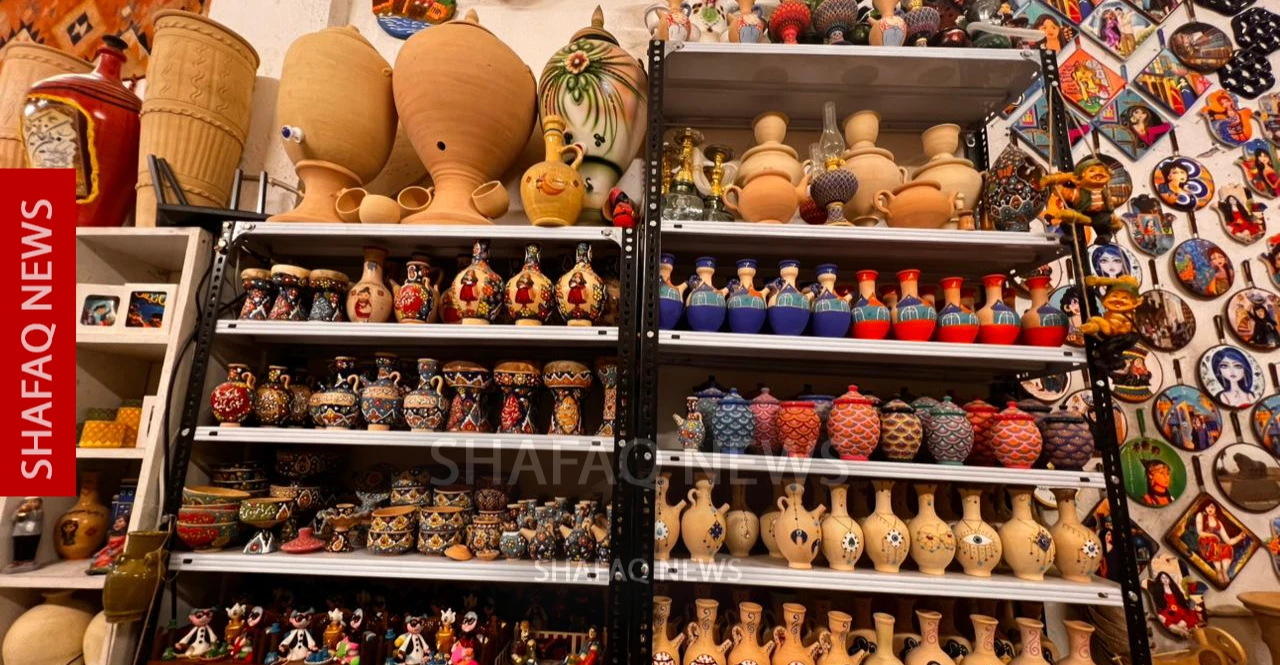
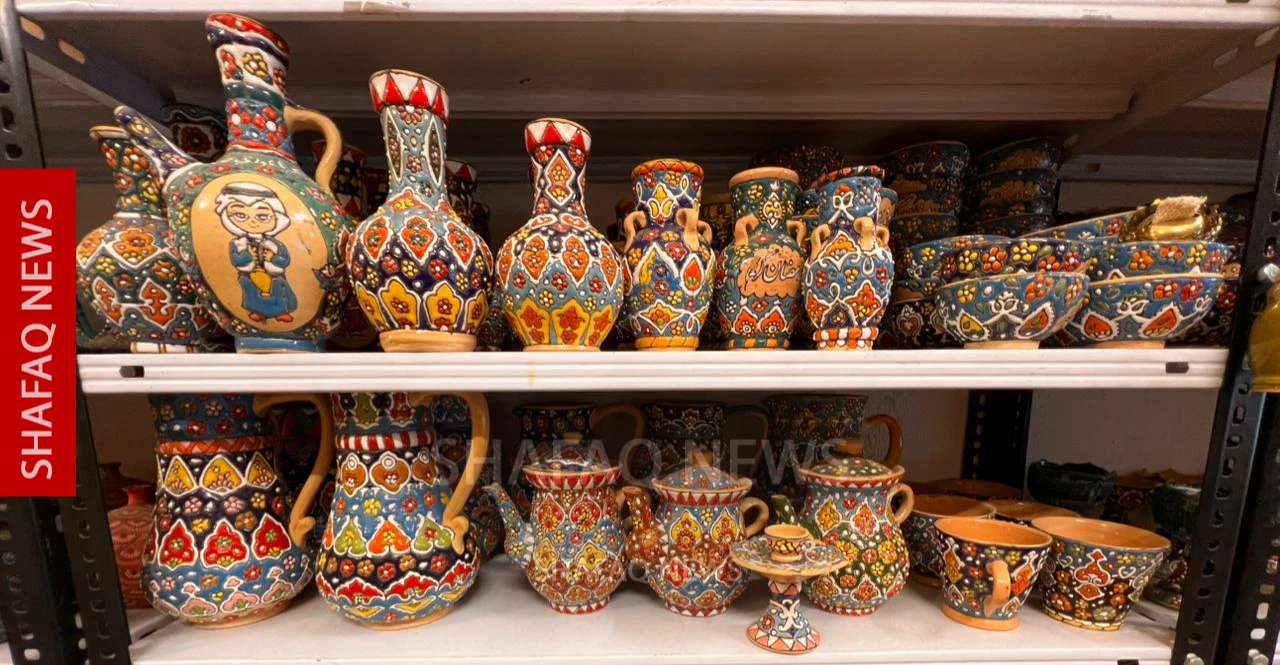
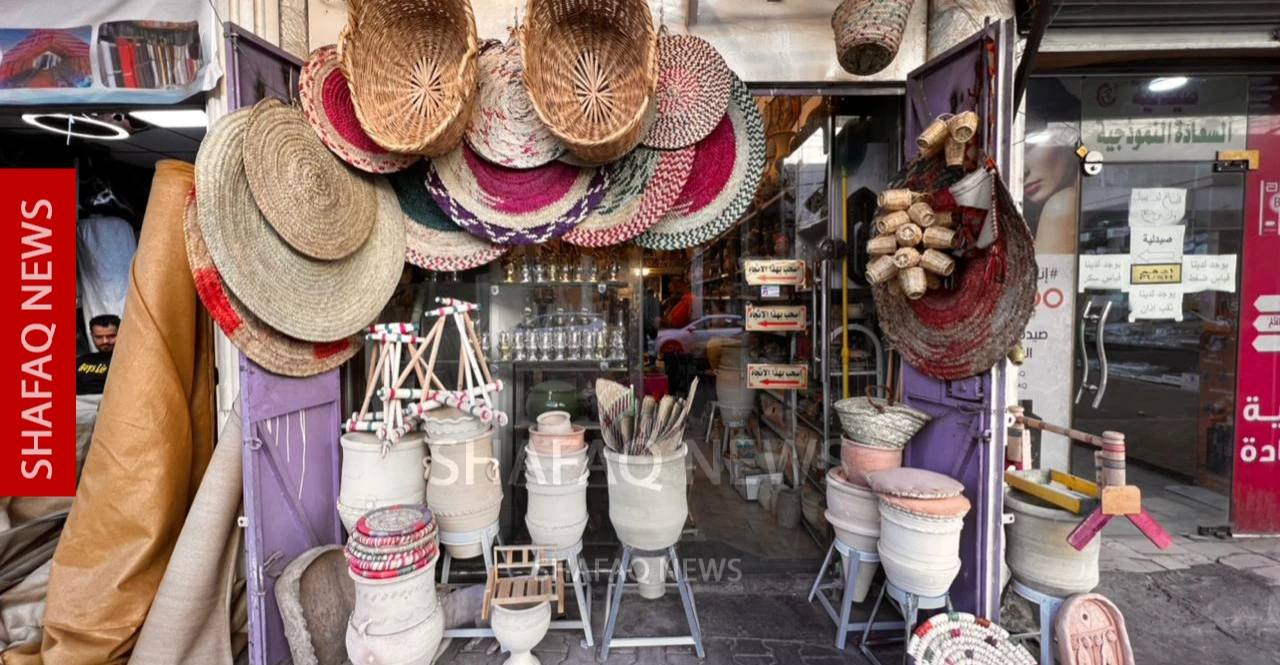
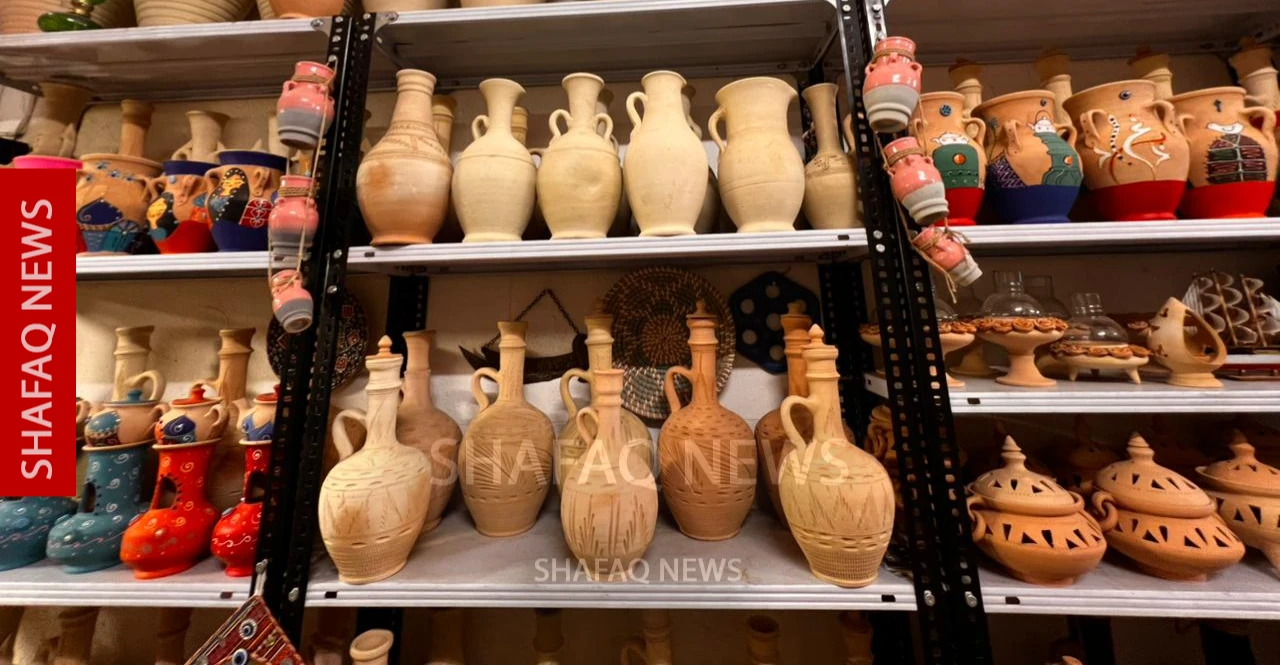
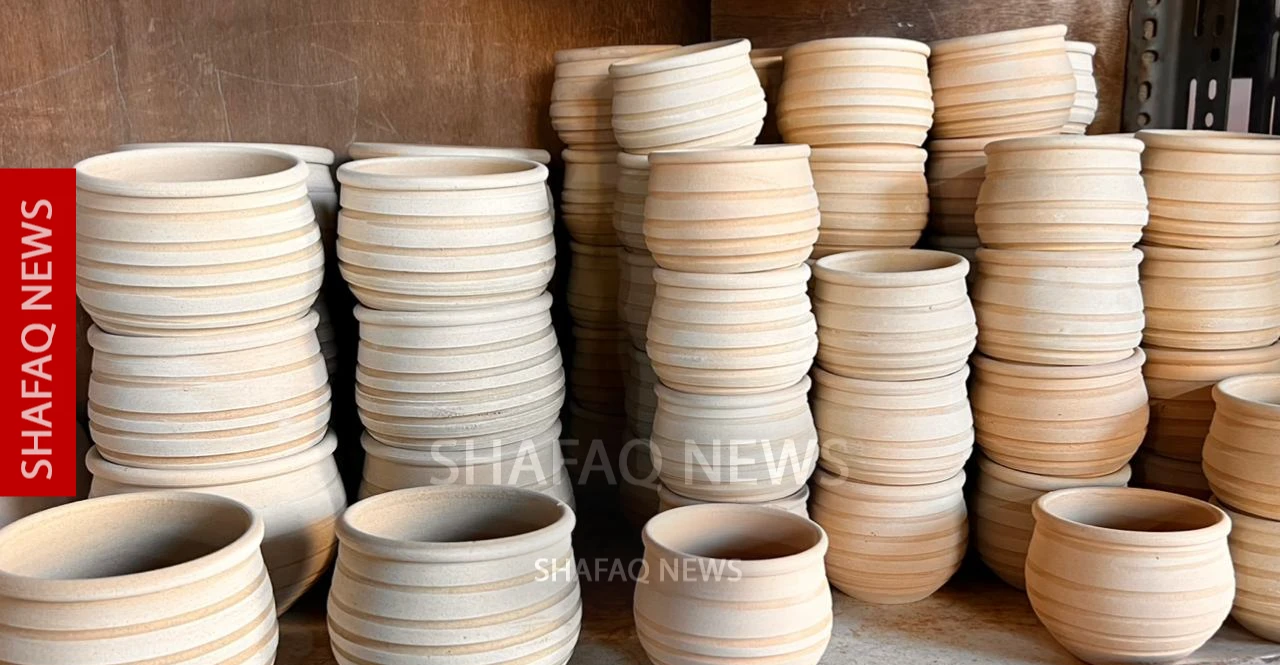
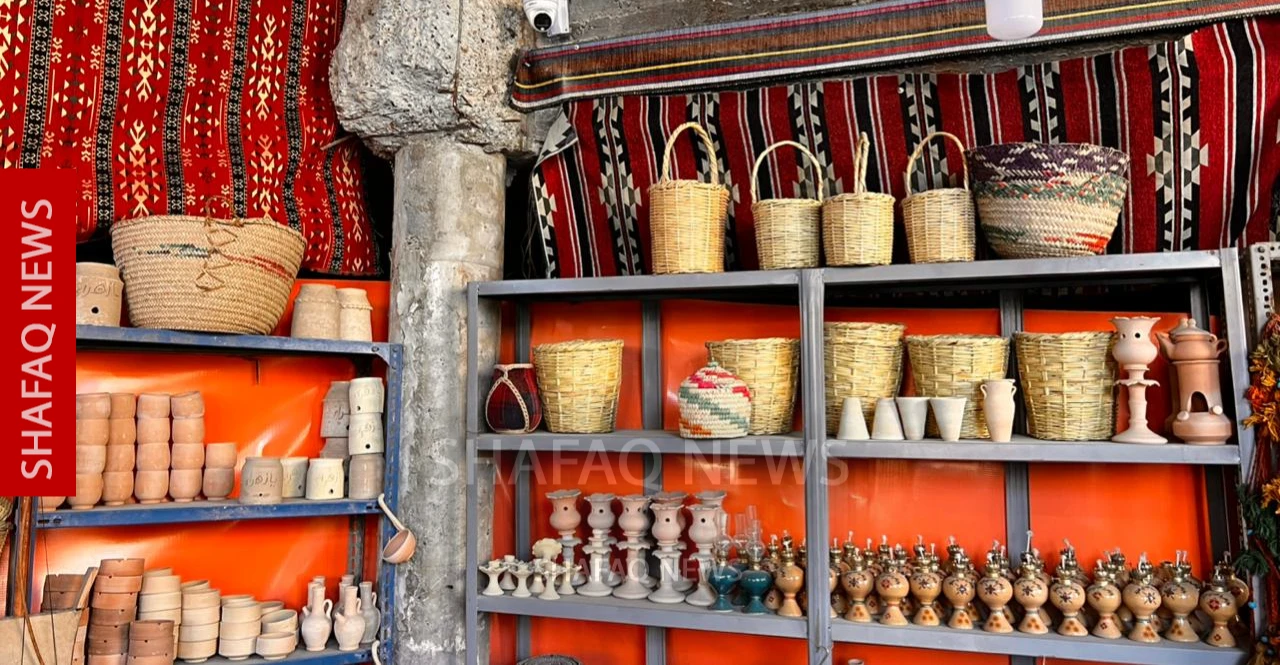
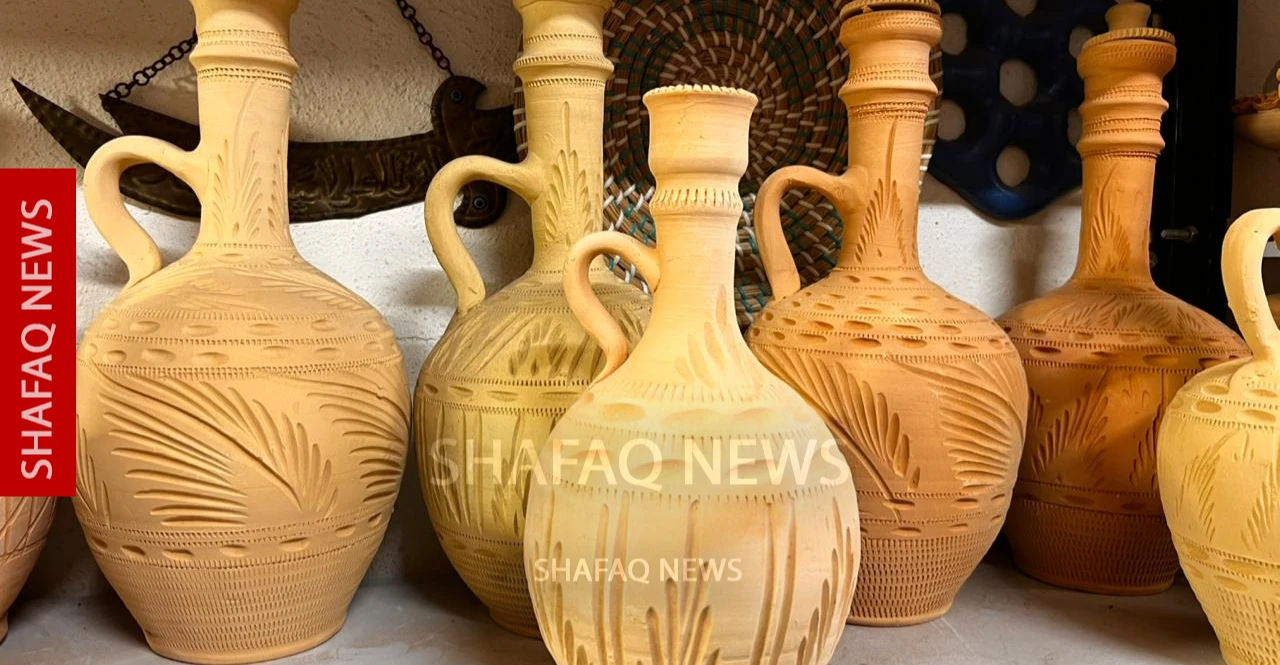
Iranian ceramics are taking a growing share of Baghdad’s pottery market, where Iraqi clay water jars, bustokat, pottery utensils, and palm-frond products are still displayed as old crafts but increasingly compete with better-finished imports.
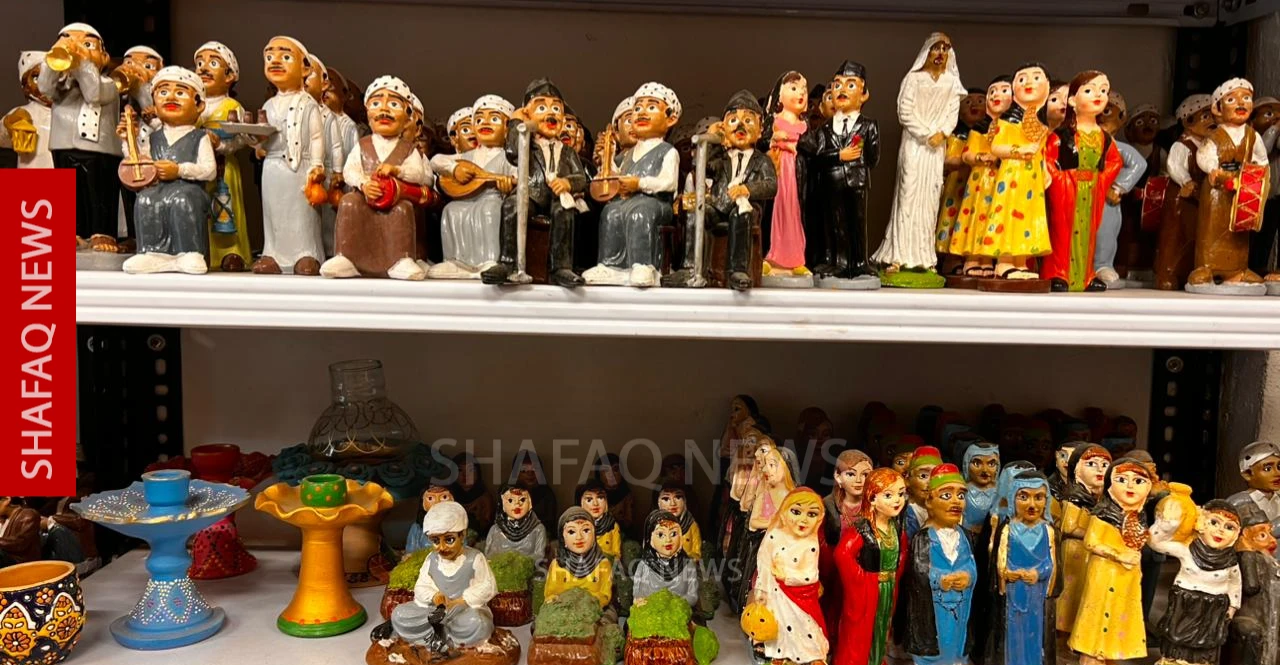
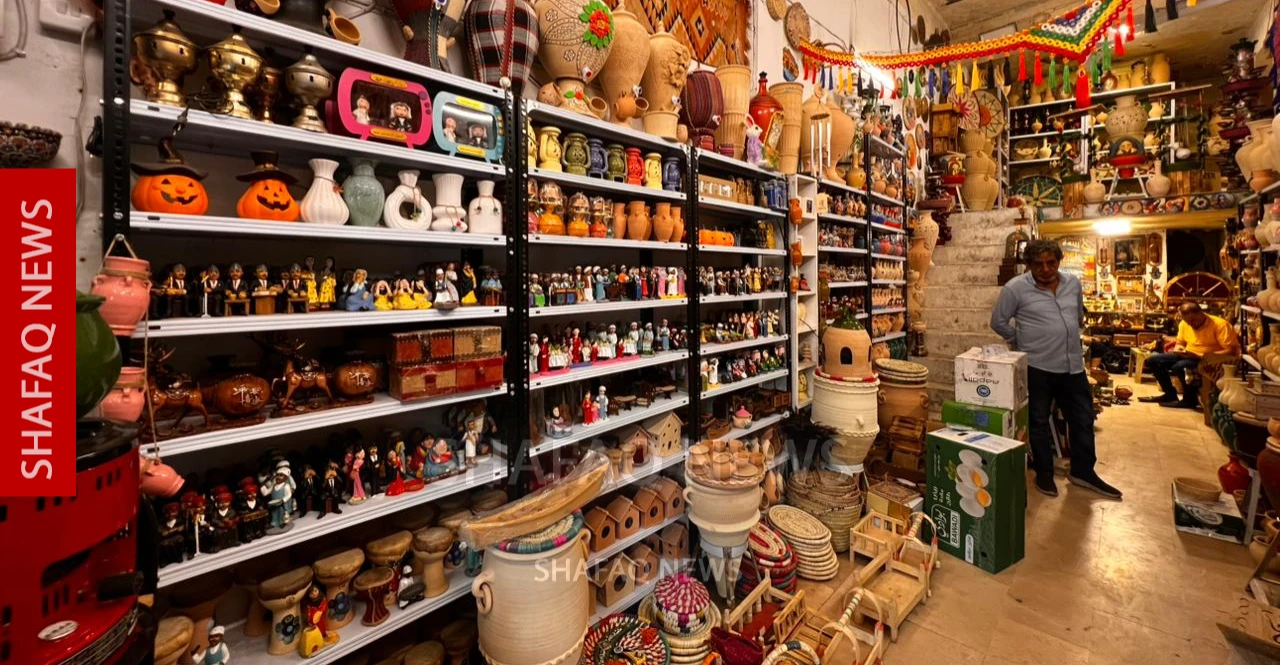
In Al-Allawi, central Baghdad, rows of pottery shops offer both local and imported goods, with shop owners describing a market where Iranian products often outsell Iraqi alternatives because of cleaner finishing, sharper details, and more consistent designs.
Firas, who owns a pottery shop in Al-Allawi, told Shafaq News that demand for pottery and wicker products has grown in recent years, encouraging the opening of dozens of new shops specializing in the trade, but imported Iranian pottery has gained an edge over local products brought from provinces such as Kirkuk and Mosul, especially in manufacturing quality, decorative precision, and final appearance.
That difference, Firas explained, pushes many customers toward Iranian goods despite the availability of Iraqi-made alternatives.
The competition reflects a wider challenge for Iraq’s traditional crafts, where products tied to household life, rural memory, and local identity must compete in markets shaped by price, finishing quality, and consumer preference.
UN Comtrade data cited by Trading Economics put Iran’s ceramic product exports to Iraq at $239.76 million in 2022, while the Observatory of Economic Complexity listed unglazed ceramics among Iran’s main exports to Iraq that year.
Despite the pressure, Iraqi craftsmen continue to hold on to inherited clay and wicker trades, hoping stronger support for local production can help them compete with imported goods in the country’s own markets.