Invasive water plant chokes Baghdad’s Tigris River


Shafaq News- Baghdad
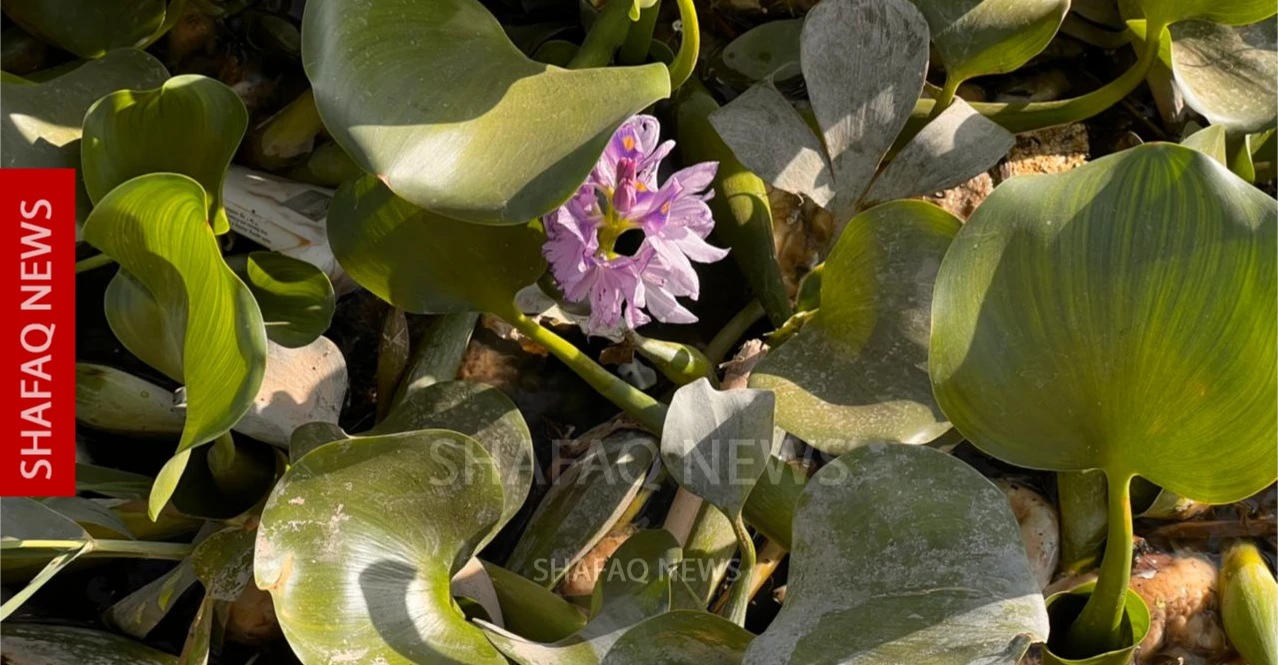
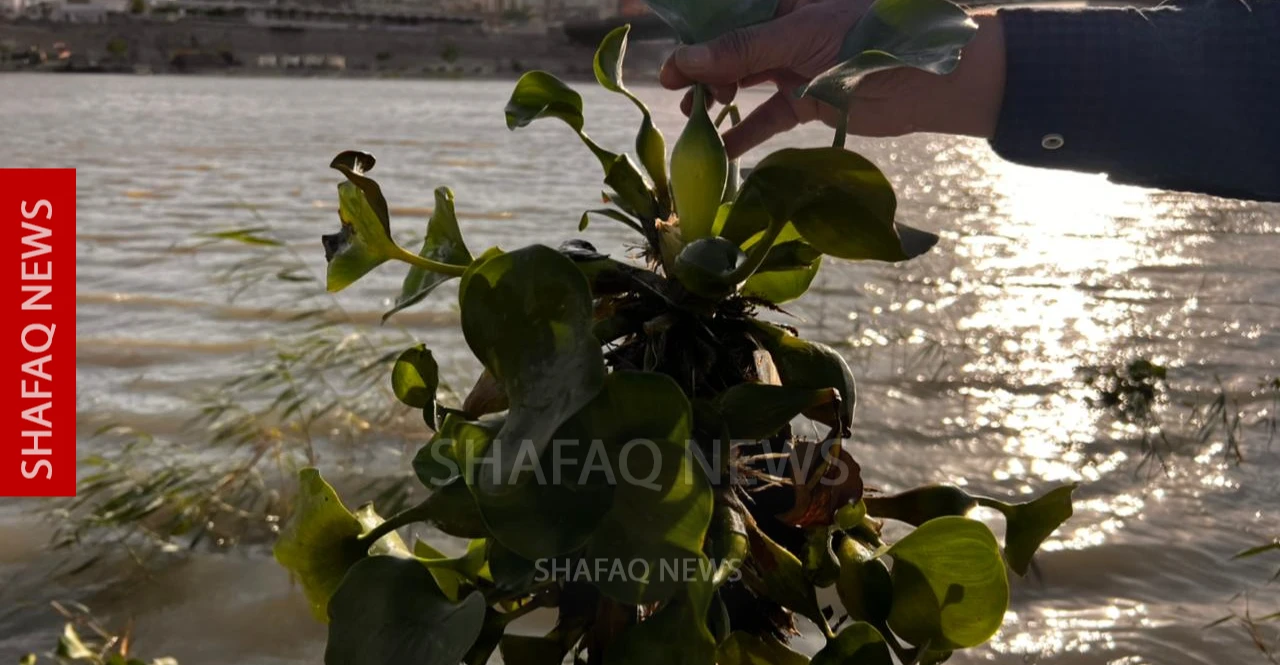
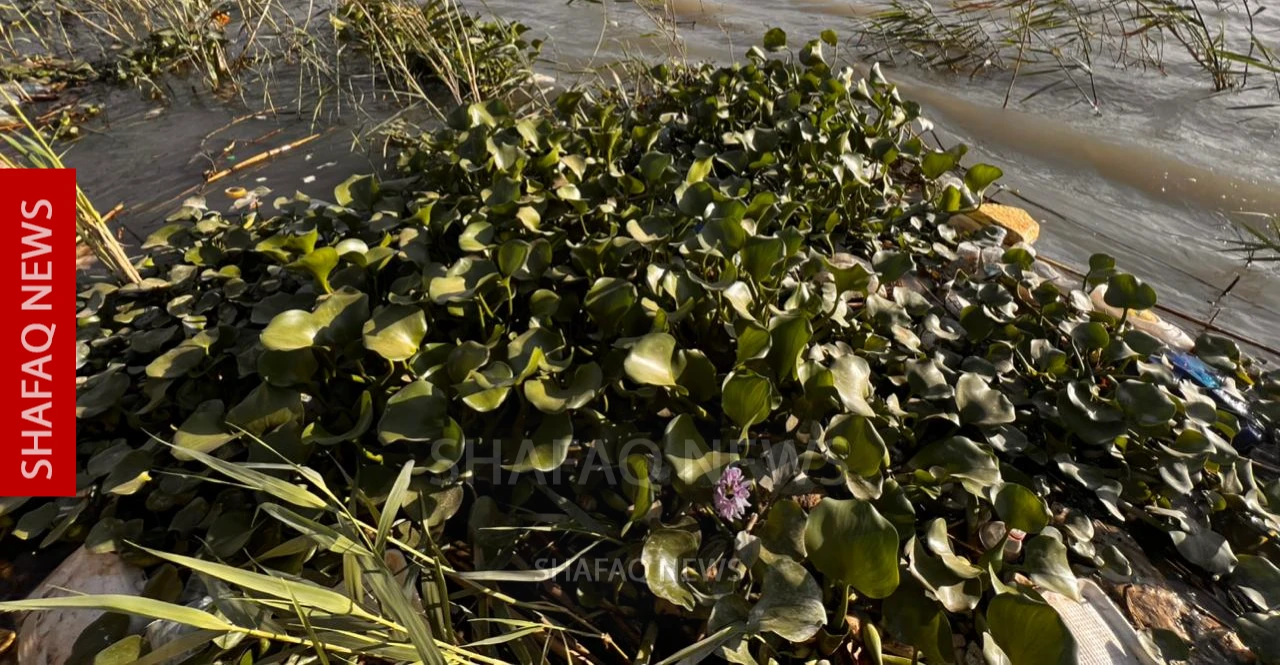
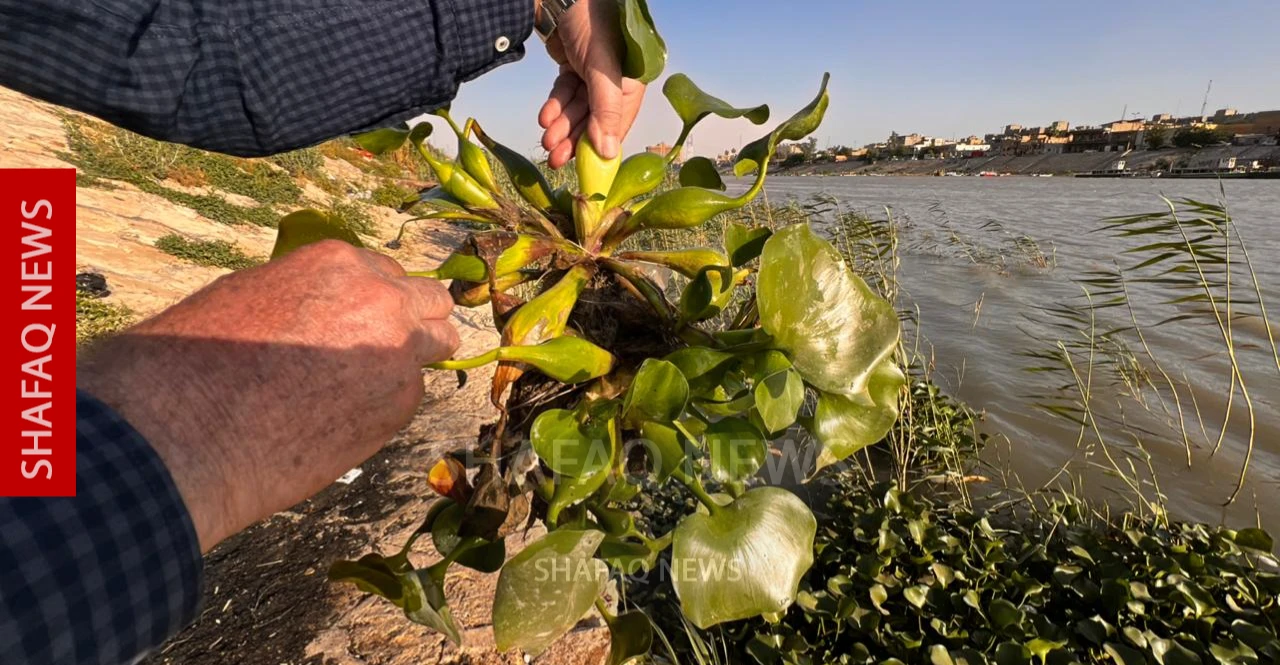
Water hyacinth is spreading across sections of the Tigris River in Baghdad, increasing environmental pressure on the capital’s main waterway despite recent rainfall that raised river levels.
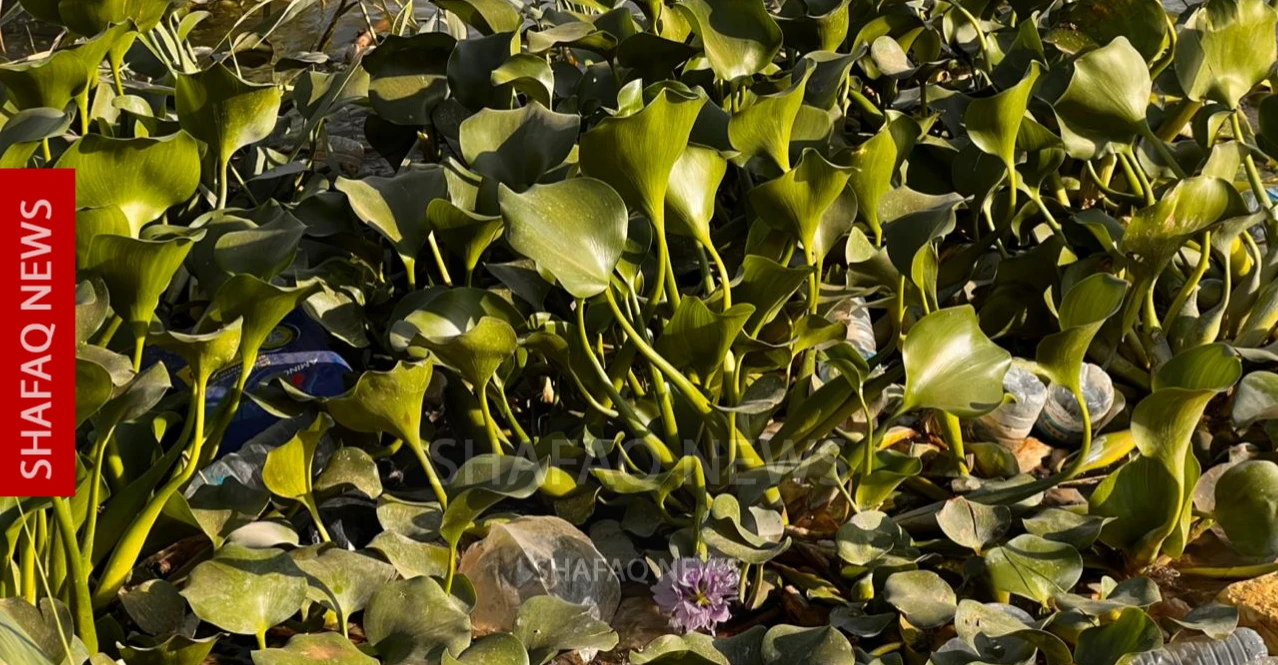
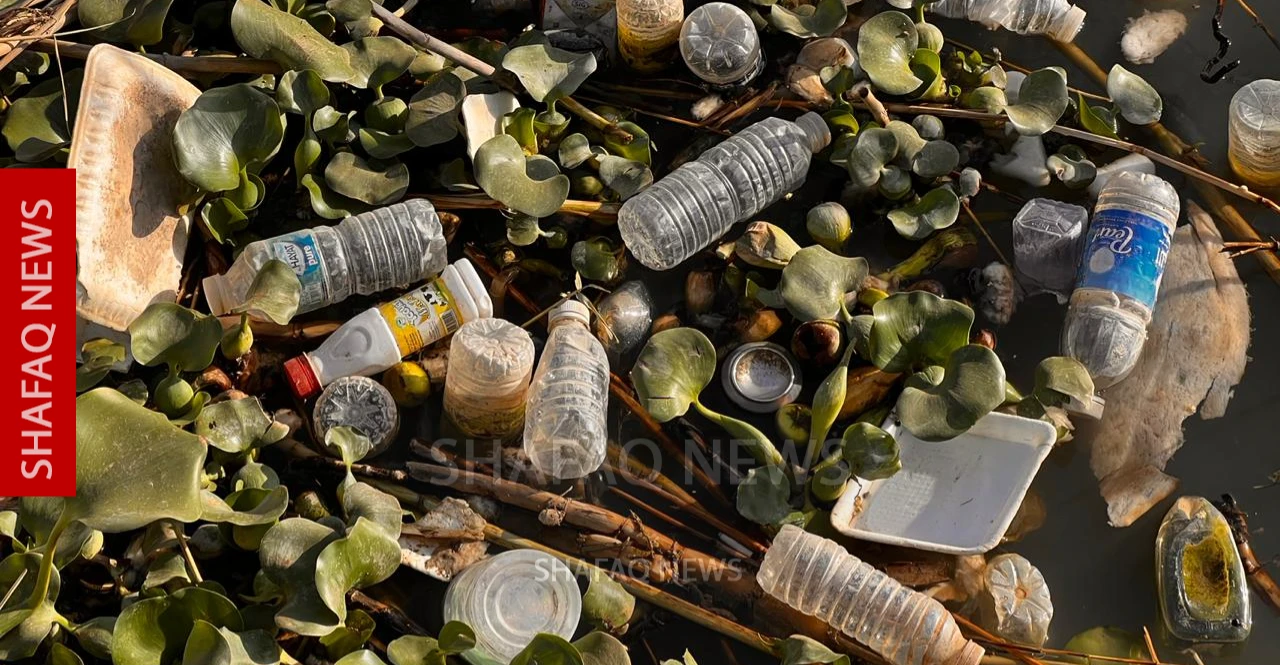
Locally known as “water hyacinth,” the invasive plant is expanding along reed-dense stretches of the river, forming thick floating mats that cover the surface, block sunlight, and reduce oxygen levels in the water.
Speaking to Shafaq News, Ahmed al-Khafaji, head of the Health and Environment Committee, noted that water hyacinth reduces the efficiency of river movement, pointing out that a single plant can consume up to one liter of water.
“The plant also creates stagnant areas that encourage insect breeding and spreads rapidly during warmer months,” he added, warning that it places additional strain on river channels, water treatment infrastructure, and fish populations.
The spread is also being reported in southern Iraq. In Dhi Qar province, authorities moved earlier this month to contain the plant in the Euphrates River. On May 12, the provincial Agriculture Committee outlined emergency steps, while water resources officials launched cleanup operations targeting sediment and aquatic vegetation.
According to Zainab al-Asadi, head of the Dhi Qar Agriculture Committee, the plant represents a “serious threat” to river systems due to its rapid growth and high water consumption.
Read more: Discover Iraq: Dhi Qar, the forgotten gem of Mesopotamia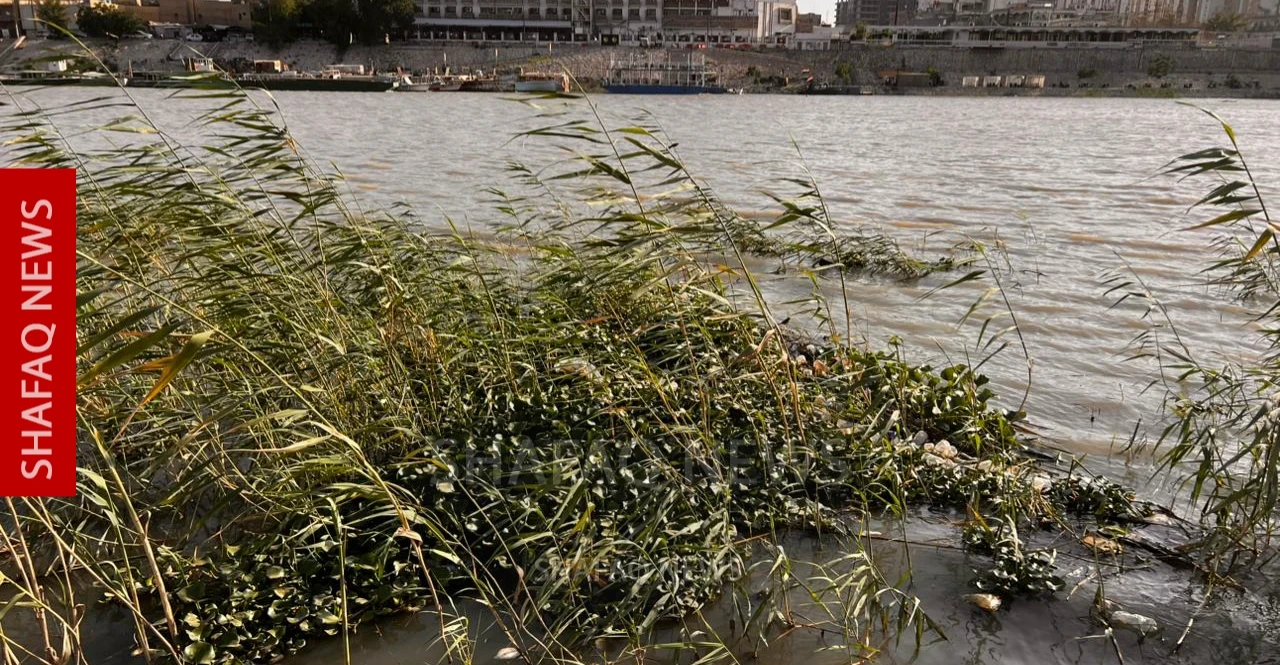
Meanwhile, engineer Abbas Kassem of the Directorate for Maintenance of Irrigation and Drainage Projects confirmed that removal operations have begun between key bridges as part of efforts to restore smoother water flow and take advantage of improved water levels.
Native to South America, water hyacinth is considered one of the world’s most invasive aquatic plants. It was introduced to Iraq around two decades ago and has since spread across multiple waterways.
The species has caused environmental damage in countries including Nigeria, Sri Lanka, Kenya, and parts of southwestern France. It has been listed by the European Commission since 2016 among invasive species requiring control measures due to its ecological impact.
Read more: Iraq’s water crisis: A structural rewrite of agricultural governance