Food carts revolutionize Baghdad’s dining


Shafaq News – Baghdad (Updated on November 8 at 1:10)
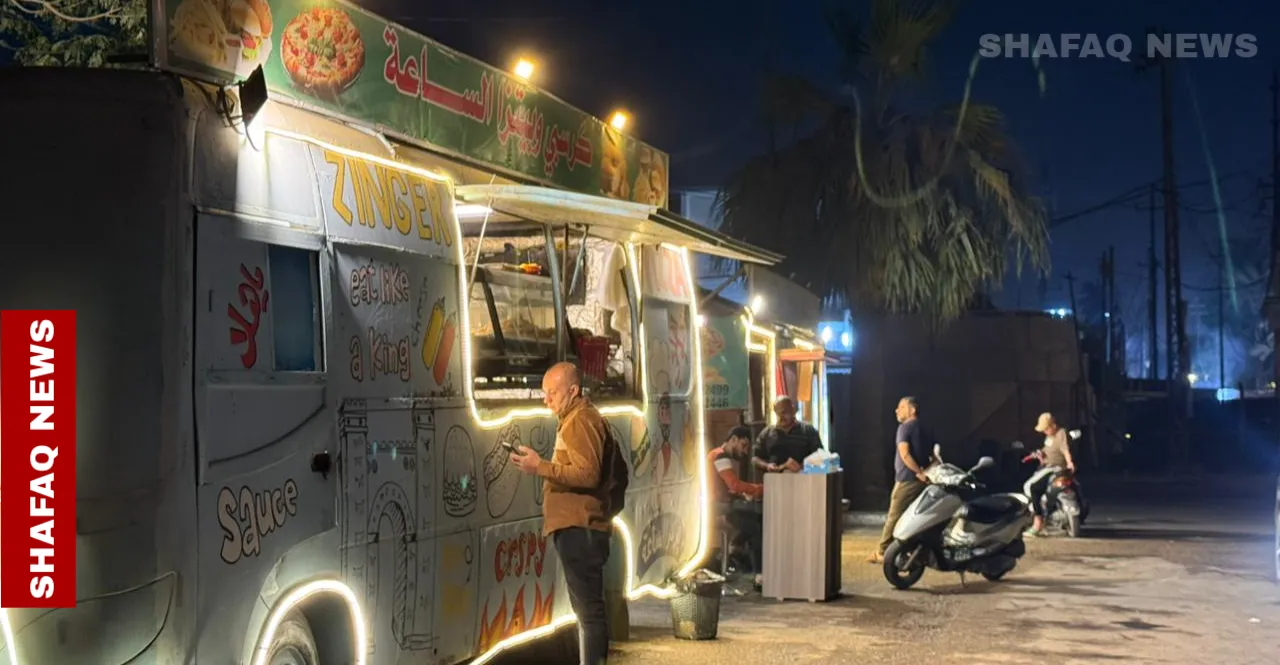
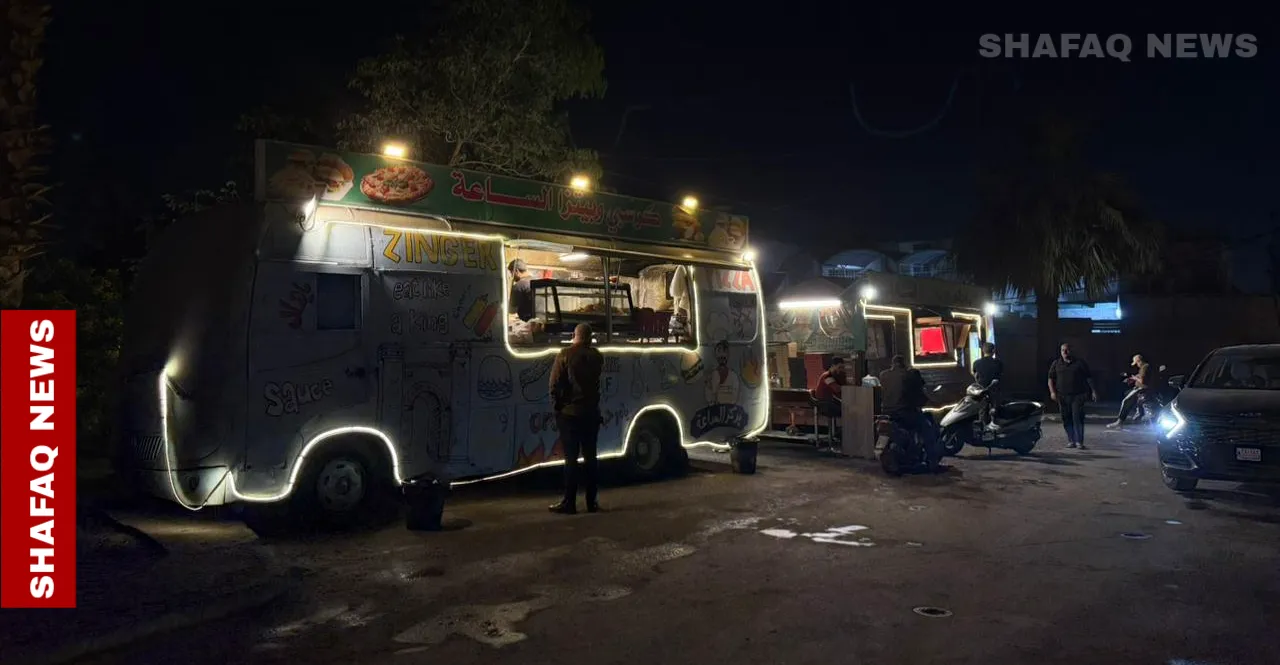
Food carts have become a familiar feature across Baghdad and several other Iraqi cities, offering affordable meals that attract families and children to lively streets, parks, and festivals.
The growing presence of these mobile kitchens reflects Iraq’s ongoing economic strain, as many young people, employees, and graduates turn to them for additional income amid rising living costs, stagnant salaries, and limited job prospects.
The concept of mobile restaurants
dates back to the United States in 1866, when state official Charles Goodnight used an army
wagon to store food, water, and supplies while traveling. By 1872, Walter Scott designed the first dedicated food cart — and another for selling
newspapers — launching an idea that would spread worldwide, eventually reaching
Iraq, according to Touch Bistro.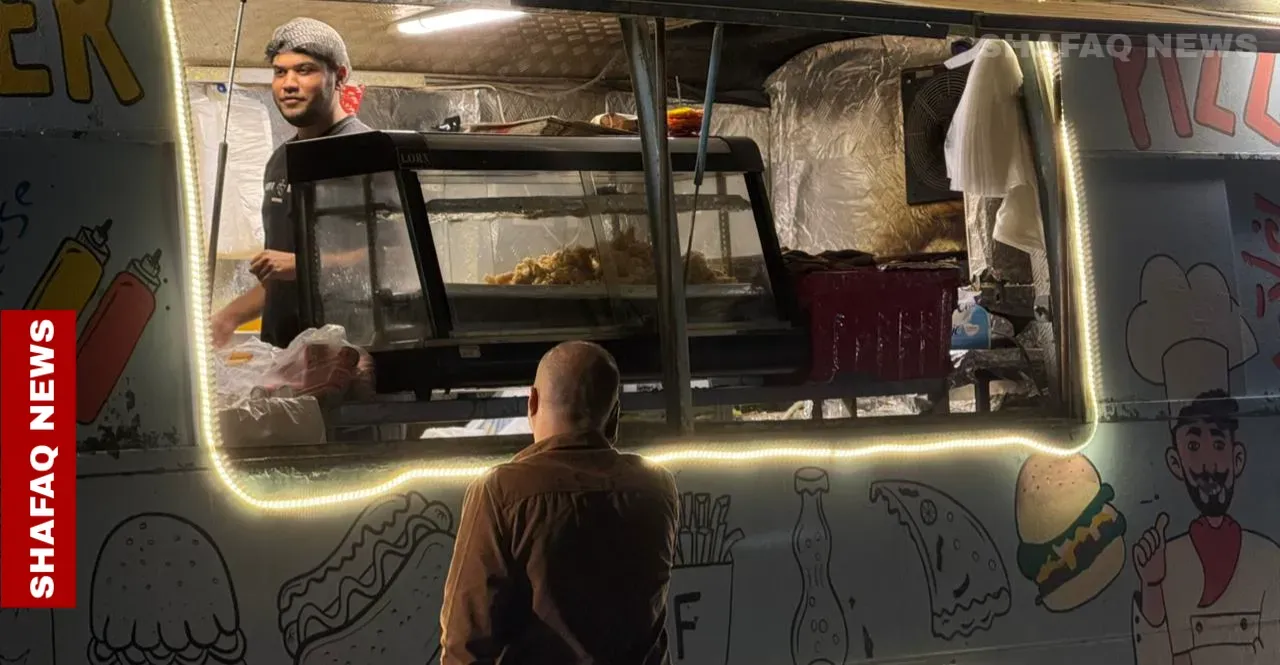
Transforming old vehicles into food carts can take more than a year of work. Engineer Ayman Abdul Kareem, 29, spent 18 months converting an old Mercedes into a barbecue truck.
“Designing these trucks takes effort and time but it’s worth it,” he explained. “They’re useful and rewarding. You can use them to sell food, coffee, or refreshments — almost anything.”
Abdul Kareem mentioned that one typically costs between six and eight million dinars ($4,600–$6,100) and can generate consistent profits. His first unit, he added, still provides him with a steady income.
In Baghdad, mobile food vendors have multiplied in neighborhoods such as al-Mansour, Karrada, and al-Ataifiyah, though the authorities have yet to release official figures.
Speaking to Shafaq News, Baghdad Municipality spokesperson Adhi al-Jundeel explained that each municipal office issues licenses for food carts operating within its district under specific regulations.
“No cart without a license is
allowed to operate outside its assigned location,” he clarified, adding that
the municipality aims to preserve the city’s appearance and prevent
unauthorized setups.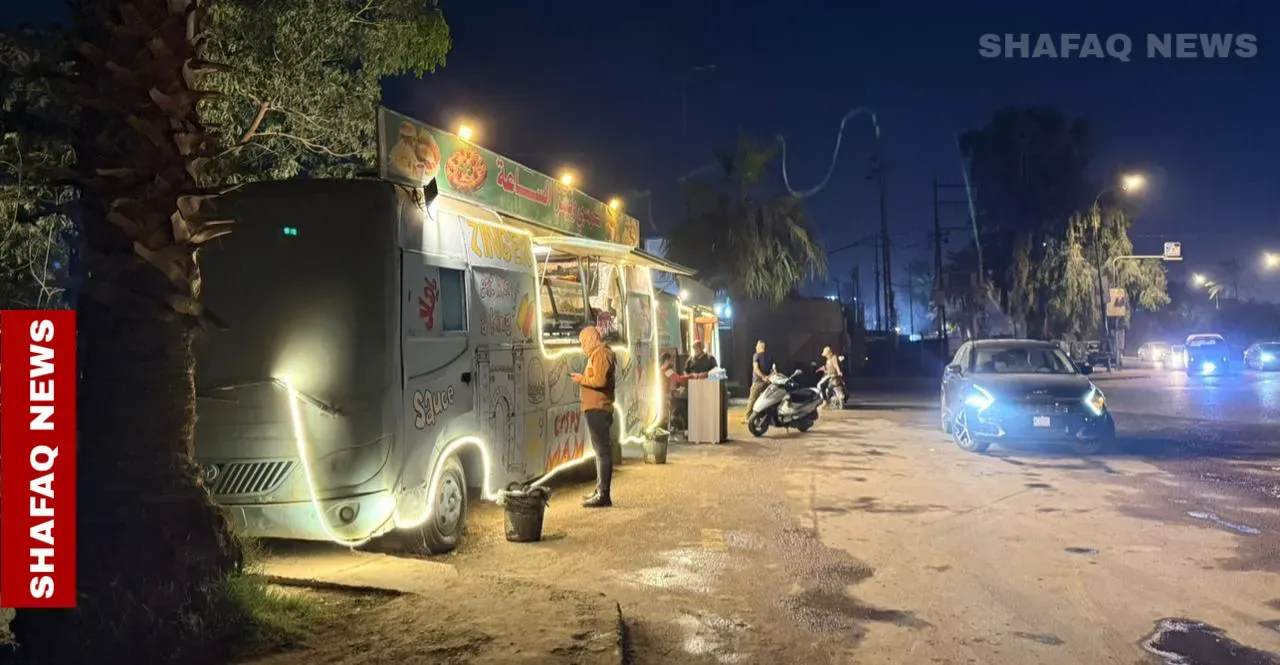
Most vendors choose crowded areas, particularly during weekends, holidays, and festivals. Mustafa Hussein, an employee at the Ministry of Industry, purchased a food truck to supplement his limited salary.
“I usually park near public gardens to sell food to families and children,” he shared. “It’s safe and comfortable work.”
On food safety, all carts are subjected to health inspections and must comply with sanitation standards before receiving operating permits. Thamer Abdul Hassan, who runs a mobile restaurant, outlined how his cart was approved.
“I only got my license after inspection and meeting all health requirements,” he explained, noting that the process covers the cart, the workers’ health certificates, and the power supply.
“Health teams conduct regular
visits to check hygiene and food quality,” he stressed.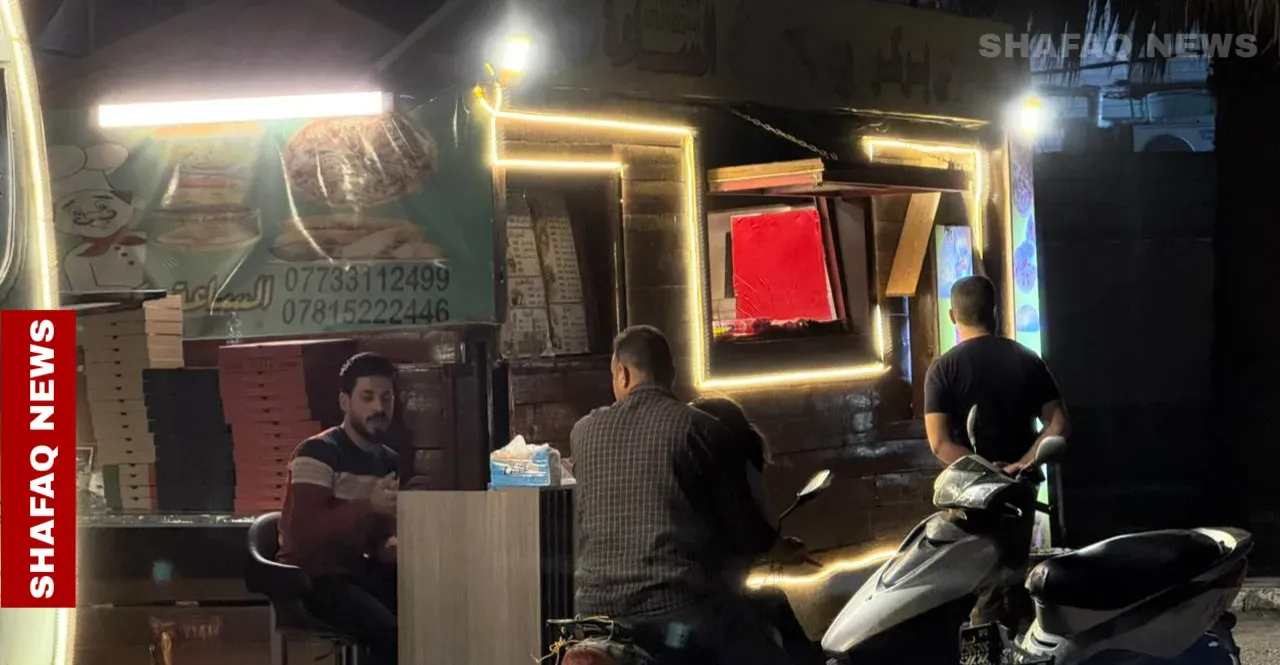
Many residents view the spread of food carts as a positive development, offering affordable meals while creating new job opportunities for young people.
“It’s enjoyable to buy sandwiches from nearby food carts while spending time in the park,” remarked resident Sanaa Issa. “They offer different types of food at fair prices.”
Another customer, Hassan Sabbar, mentioned that “the young graduates running these trucks serve clean and healthy meals. I trust the quality.”
As Baghdad’s streets light up at night, these food trucks have become part of the city’s rhythm — small businesses that bring together work, community, and opportunity on wheels.