Financial hurdle halts Baghdad hospital construction projects


Shafaq News- Baghdad
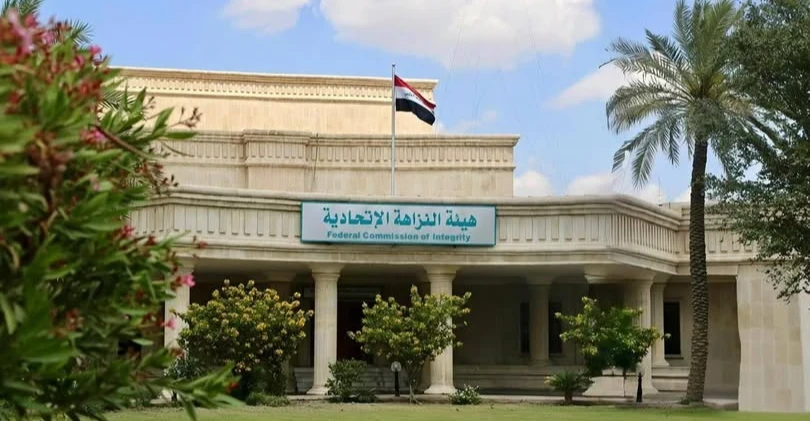
Iraq’s Federal Integrity Commission on Sunday urged the government to speed up work on two long-delayed hospitals in Baghdad, warning that the stalled projects are limiting the capital’s public health capacity.
The Commission’s field team found that construction at Al-Shaala Hospital was 92.7% complete, while Al-Hurriya Hospital had reached 73%. At Al-Shaala, the project includes a four-story emergency building with 112 beds, operating theaters, gynecology and maternity units, laboratories, emergency wards and lecture halls.
A separate three-story services building will house cooling systems, electrical transformers, fire protection and gas systems, laundry facilities and two oxygen-production plants.
The project has undergone four contract amendments, with the latest increasing its overall cost because of variation orders, according to the Commission’s report. The original contractor withdrew and was replaced by another company, while the Health Ministry granted additional time to complete the remaining work.
Funding shortages have continued to slow the project. The Health Ministry has not fully paid contractors, while the supply of medical equipment, machinery and furniture remains unfinished. ‘’The hospital also lacks completed infrastructure contracts to connect it to the national electricity and telecommunications networks,’’ the Commission added.
Al-Hurriya Hospital has faced similar financial problems and remains stalled over unpaid dues to the contractor. The project has recorded 3,285 days of stoppages, with delays linked to the handover of the construction site, bad weather, official holidays and disruptions caused by the COVID-19 pandemic.
According to Health Ministry 2025 data, the country has fewer than 1.4 doctors per 1,000 people, below the World Health Organization’s benchmark of 2.3. Iraq has about 1.3 hospital beds per 1,000 people, compared with a regional average of nearly two, while occupancy rates at major urban hospitals often exceed 90%, particularly during peak periods.
Read more: Iraq’s healthcare system nears collapse: Doctors leave, hospitals overflow