Empty desks, crowded cafés: School absenteeism in Diyala



Shafaq News- Diyala
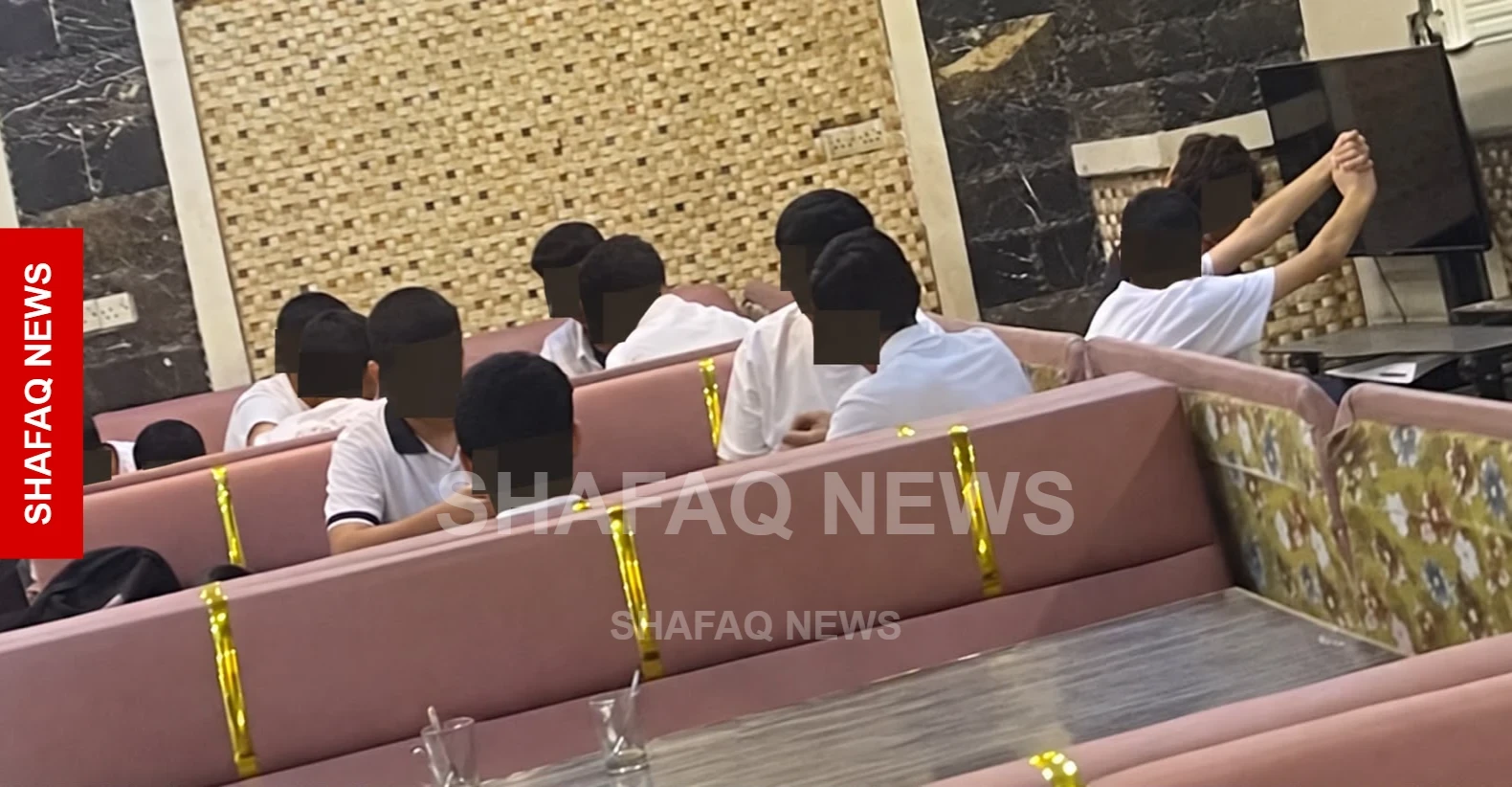
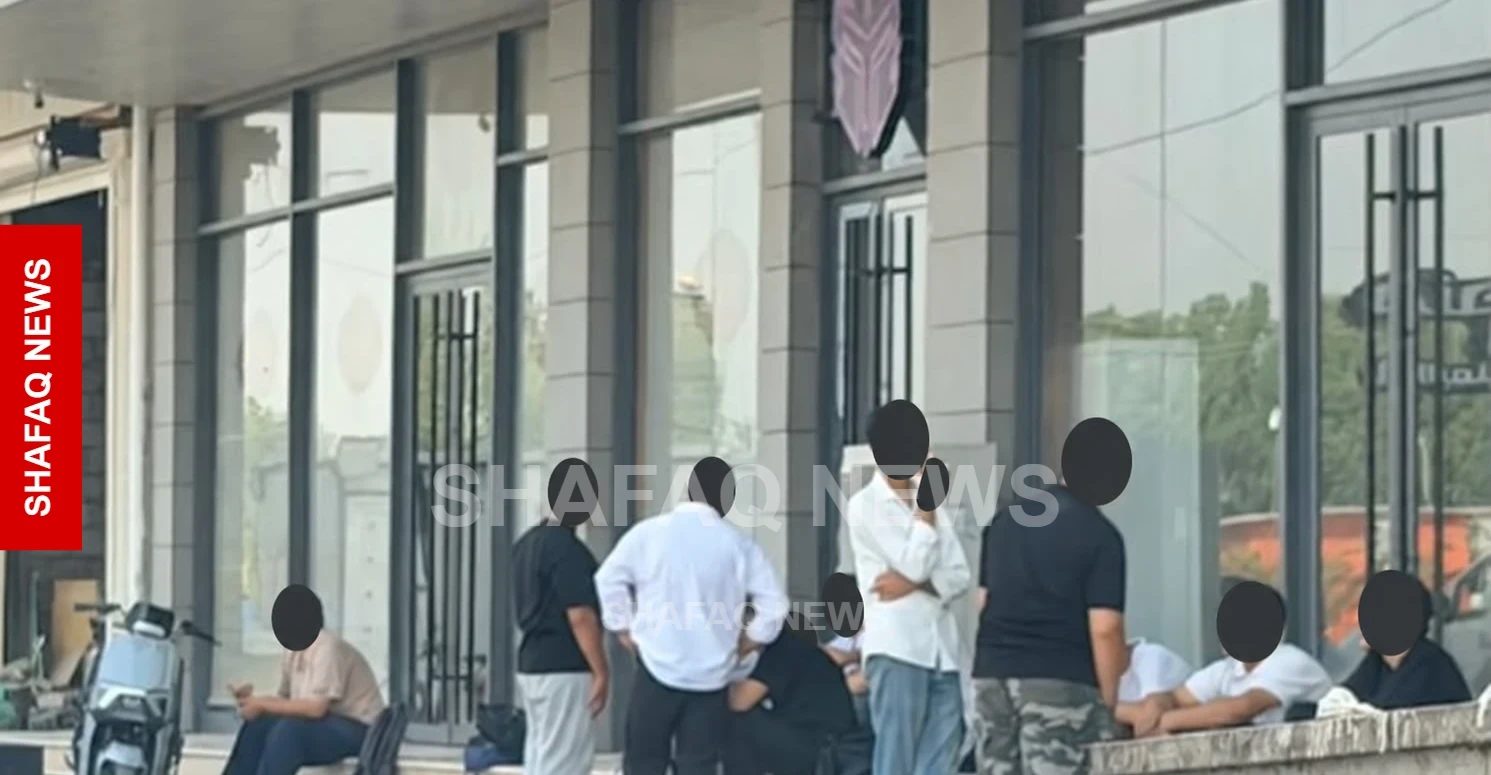
In the early morning streets of Baqubah, the capital of Iraq’s Diyala province, students gather outside gaming halls, waiting for the doors to open. Others sit in cafés playing cards and dominoes or take turns at billiards as classes begin across the city.
Inside, schoolbags lie beside chairs, while cigarette and hookah smoke rises from tables occupied by teenagers who should be in their classrooms. For some, skipping school has become part of their morning routine, often without their families knowing.
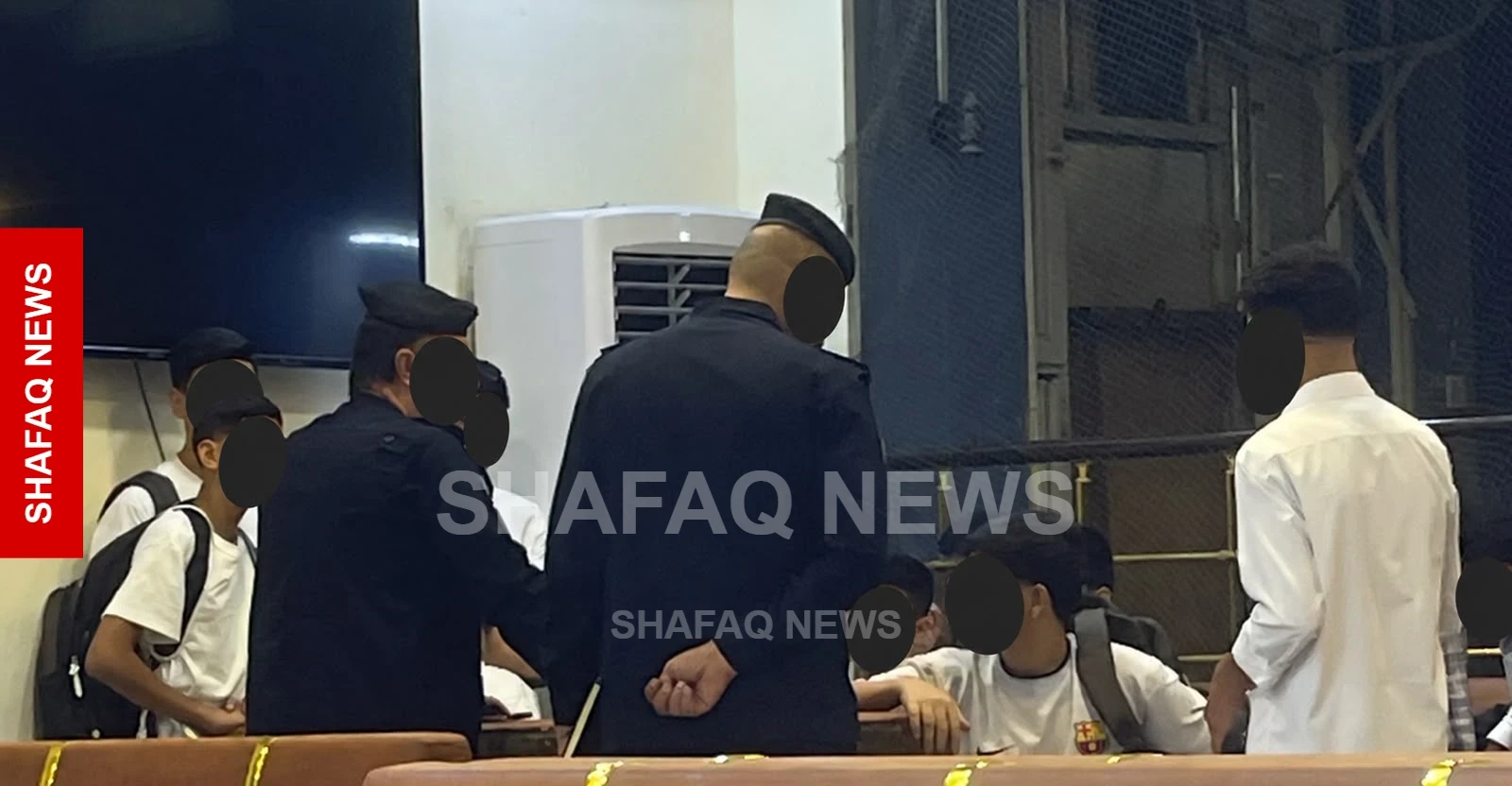
At a café near Khuraisan Street in central Baqubah, police found more than 50 students on a single morning last week. Witnesses told Shafaq News that officers gathered the teenagers, warned them against missing classes, and cautioned the owner against admitting minors during school hours.
Students interviewed by Shafaq News offered different explanations for skipping school. Some complained of teacher shortages and deteriorating buildings, while others cited boredom, limited extracurricular activities, or the influence of friends who regularly miss classes.
Read more: Broken beams, broken futures: Diyala’s school infrastructure crisis
For education researcher Hussein Zaidan, one of the most troubling aspects is what he calls “hidden absenteeism”: students leave home in their uniforms and return at the usual time, leaving parents unaware that they never attended school.
Academic difficulties, bullying, peer pressure, and limited parental supervision can all contribute to absenteeism, Zaidan explained, while gaming halls offer social interaction and a sense of achievement that some students struggle to find at school.
The consequences can extend beyond missed lessons. “Repeated absences leave students behind academically, making it harder to keep up with classmates and increasing the risk of failure or dropping out,” he warned. “Hiding their absences can also increase students’ stress and undermine their families’ trust when the truth comes out.”
Punishment, he argued, may do little to address the underlying problem. “It may teach students to become better at hiding their absences rather than addressing the reasons behind them,” Zaidan cautioned, urging schools to notify parents early, provide academic support, and introduce sports and arts activities to make attendance more appealing.
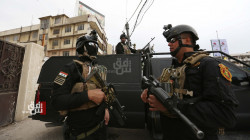
In Baqubah, authorities have responded by sending patrols to cafés and gaming halls during school hours. Brigadier General Salah Adnan Ismail, Diyala’s community policing director, told Shafaq News that officers regularly approach students found outside school, encourage them to return to class, and warn business owners against admitting minors.
“Police also attend parent-teacher meetings to discuss absenteeism,” he said, while joint operations involving juvenile police, anti-narcotics units, and other security departments can lead to legal action against café owners who violate regulations.
Schools have their own procedures for identifying repeated absences. Diyala Education Directorate spokesperson Ammar Al-Obaidi said the problem is concentrated among secondary school students and is rare at the primary level.
Administrations monitor attendance, contact families when students miss classes or arrive late, and investigate the reasons before taking disciplinary action. Under the directorate’s procedures, seven days of absence trigger an initial warning and a summons for parents; a second warning follows after 15 days; a final warning after 20; and expulsion after 25 days. School counselors also work with families to address problems affecting attendance.
Human rights activist Mustafa Al-Azzawi believes removing teenagers from cafés may return them to school temporarily without addressing the circumstances that drove them away. Complaints about teacher shortages, poor facilities, and academic difficulties should be investigated, he said, with verified problems addressed.
For Al-Azzawi, keeping students in school requires earlier parental involvement, assistance for those who have fallen behind, and activities that make classrooms more appealing. Without such support, the same teenagers may continue to seek alternatives outside school.
Read more: Anxiety, Despair, and Dropouts: the human cost of bullying in Iraq