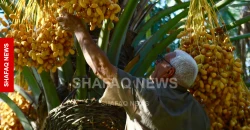
Drought slashes Babil’s date harvest by 40%


Shafaq News – Babil
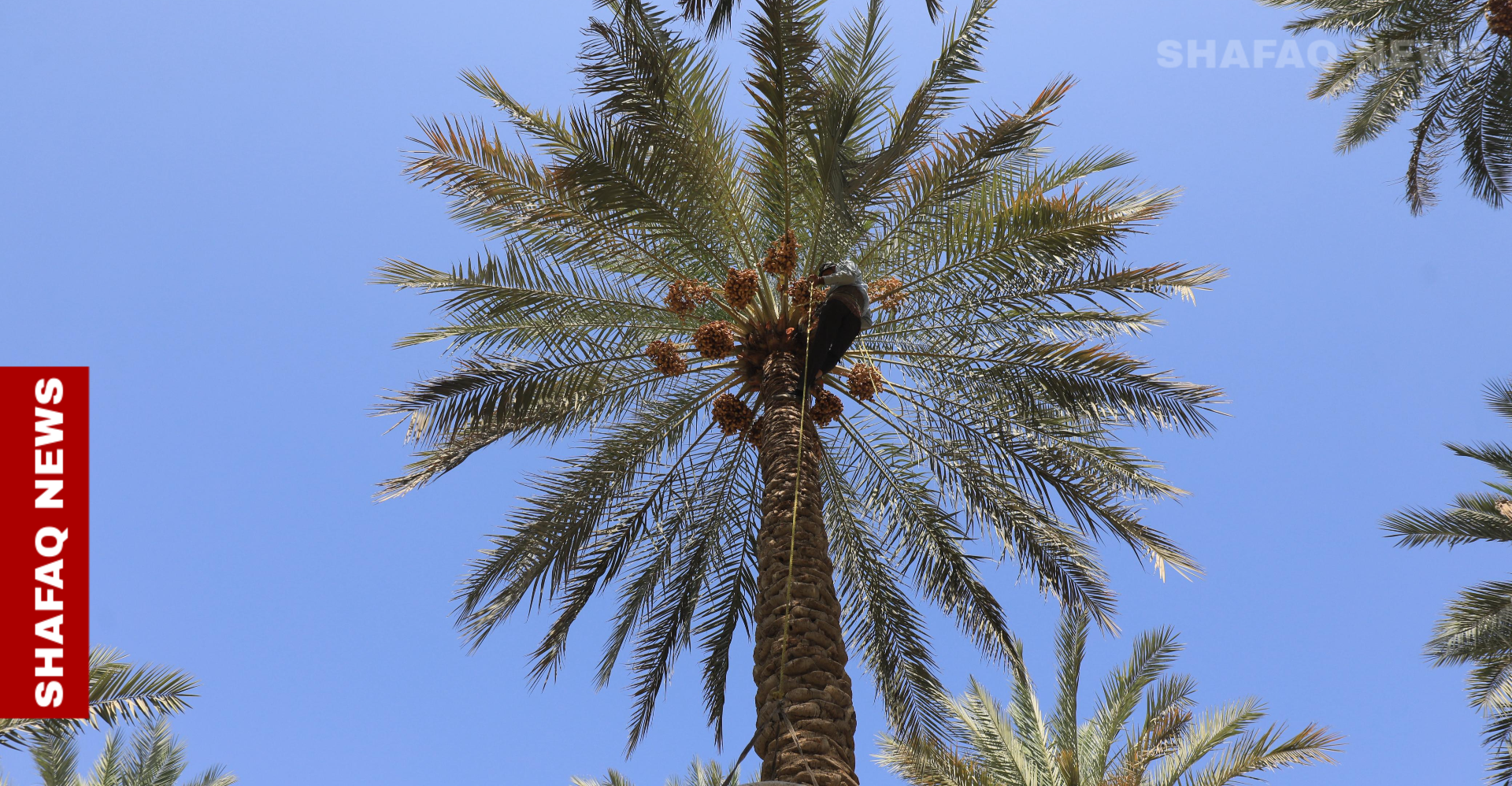
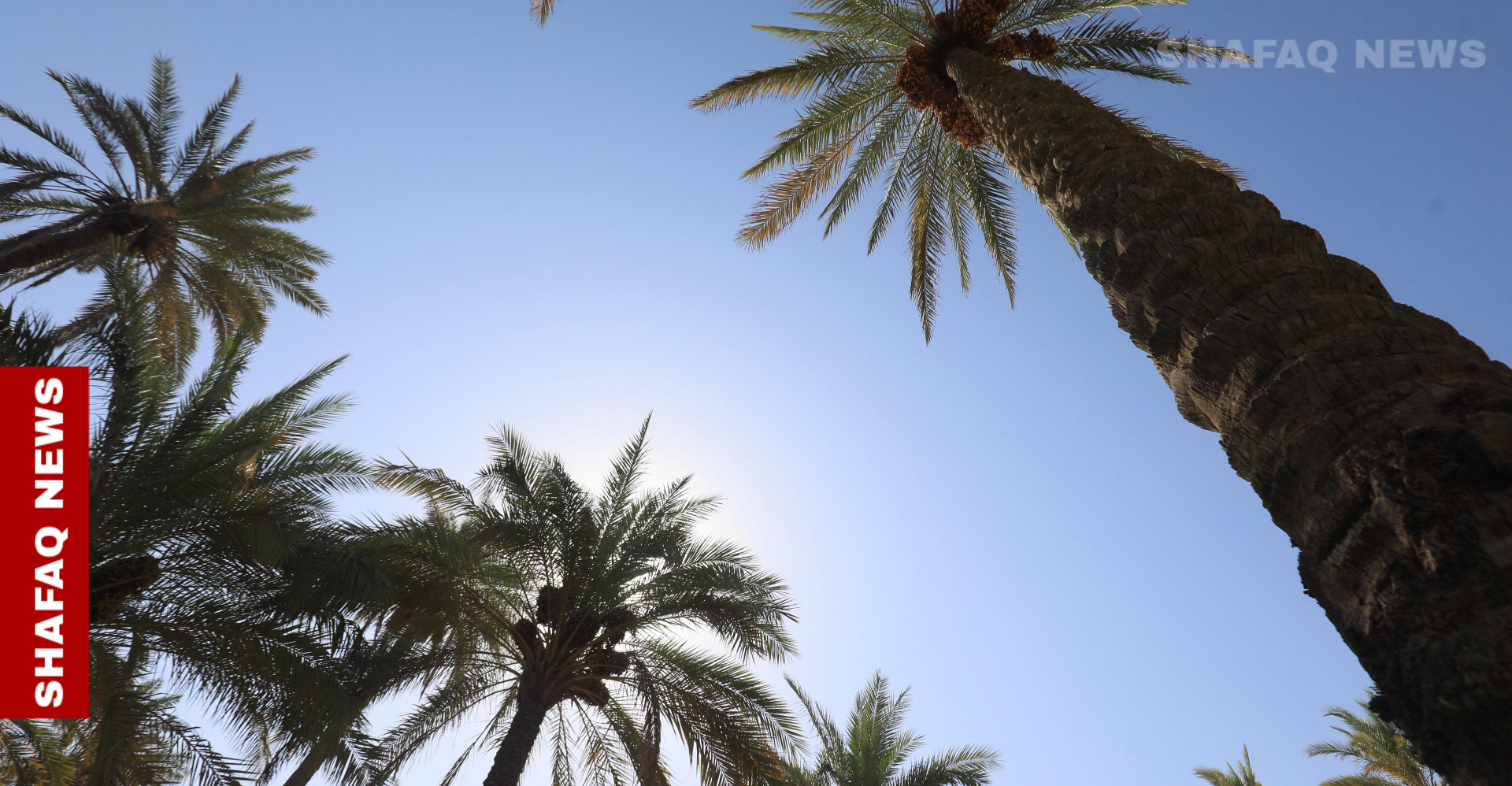
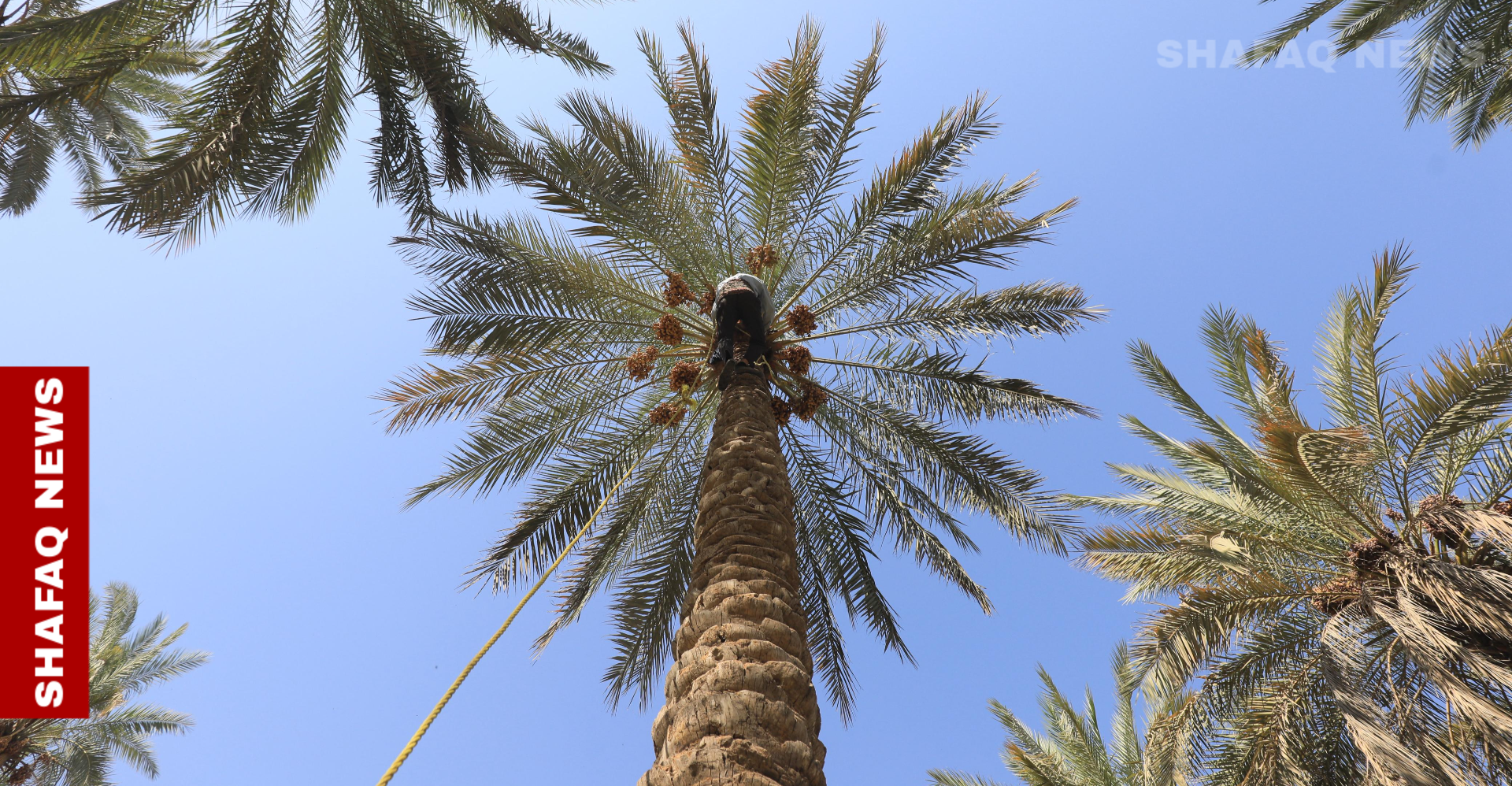
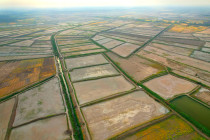
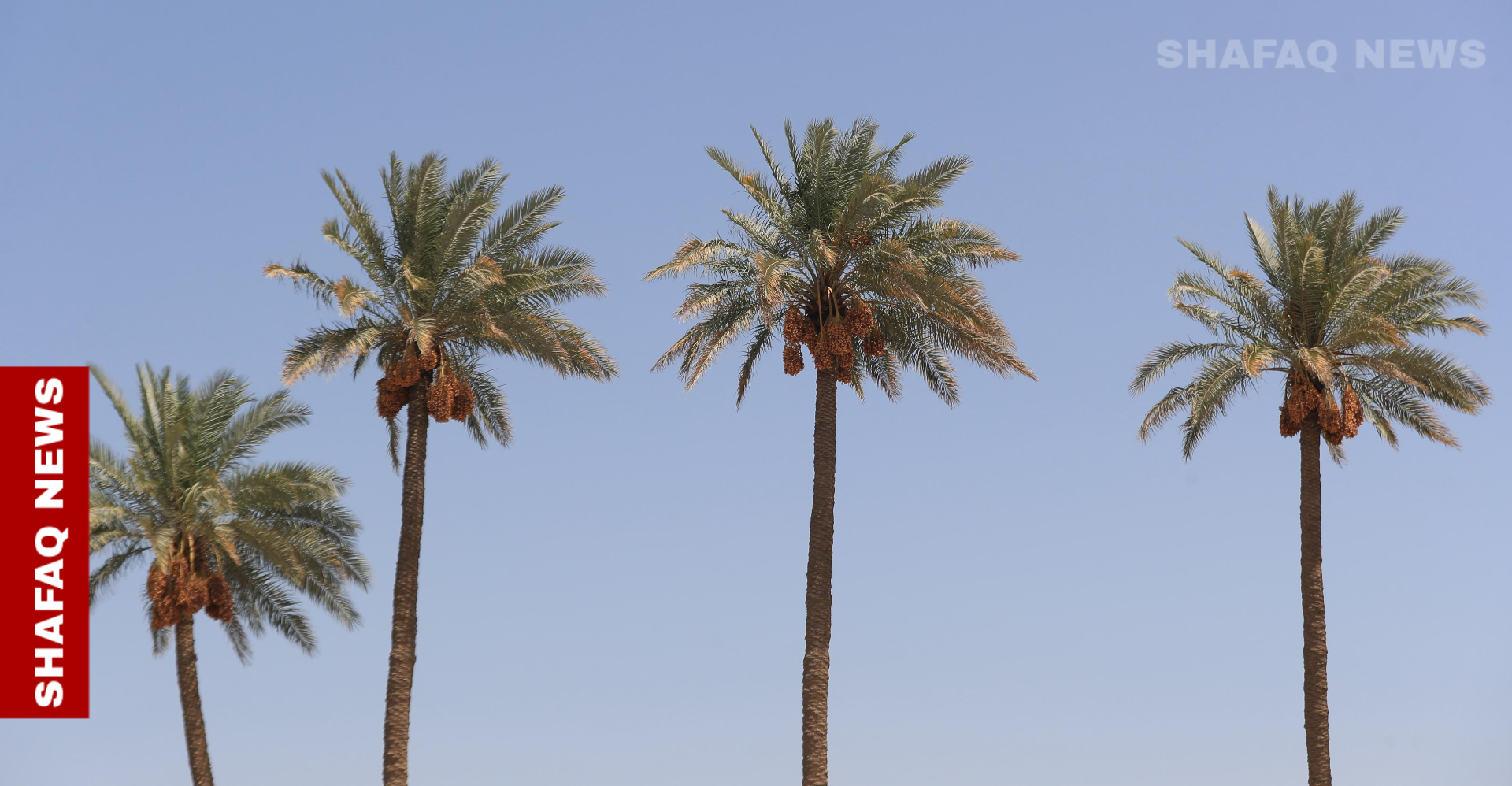
Palm groves in Babil’s Al-Siyahi district have suffered a production decline of more than 40 percent in the past five years.
Since the mid-20th century, Iraq has struggled to establish
lasting solutions to its recurring water crises, which upstream
countries—particularly Turkiye—have used as leverage to secure political and
economic gains by controlling water flows. Farmers warn that persistent drought
and limited agricultural support could accelerate the decline of palm
cultivation, endangering one of Iraq’s oldest and most famous date-producing
regions.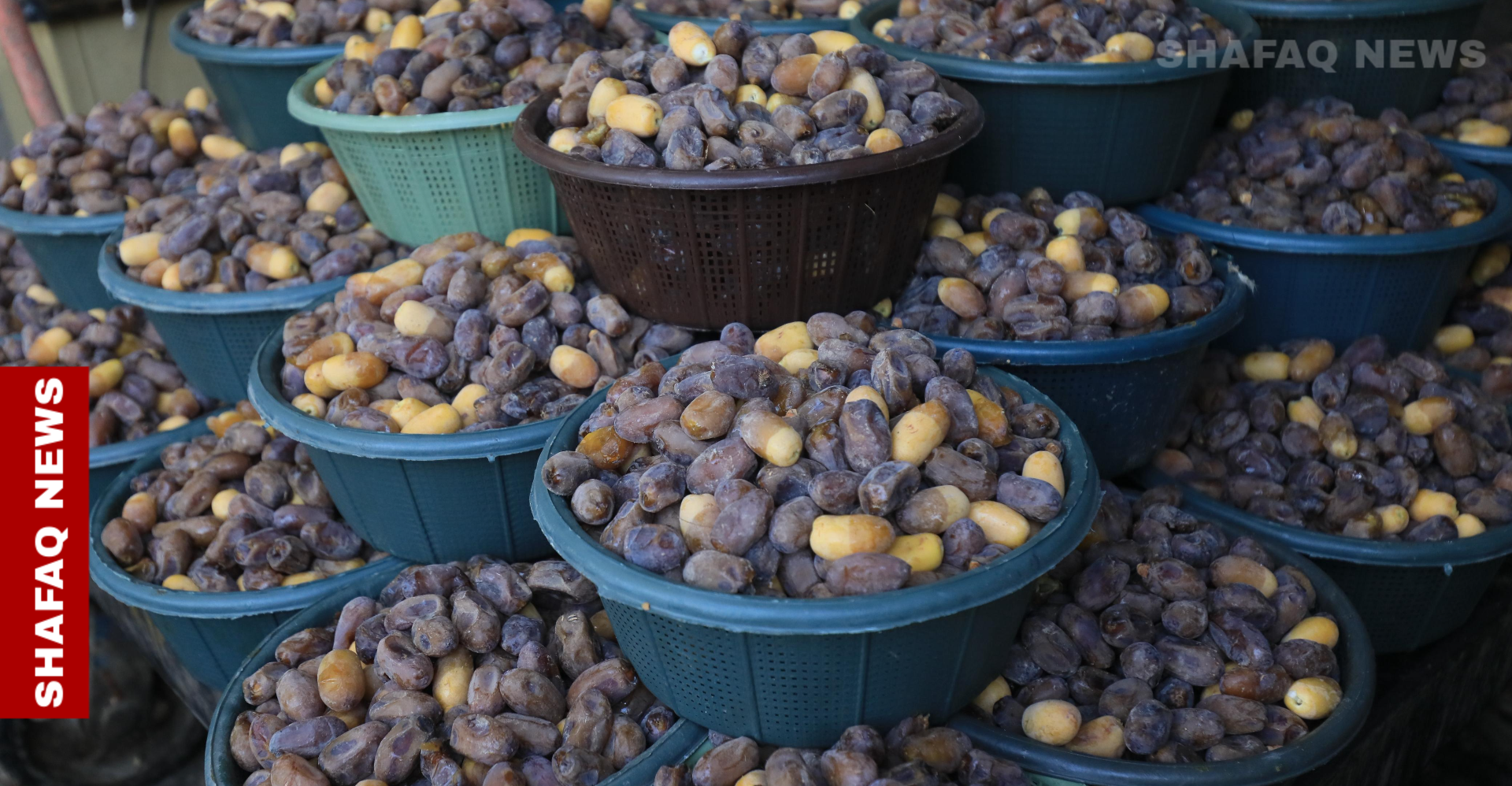
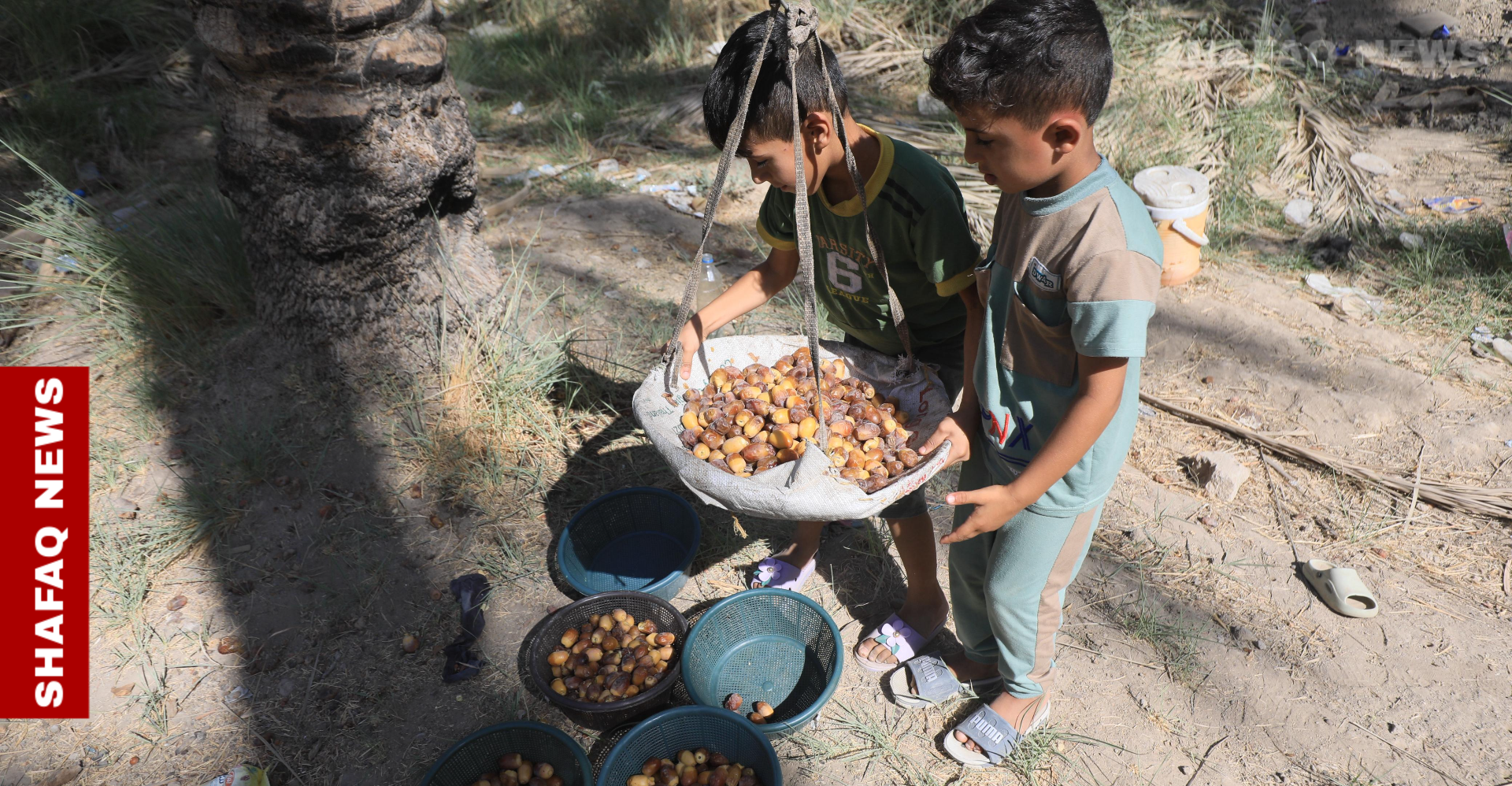
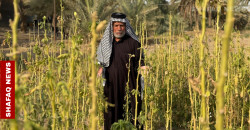
Once proud of his flourishing palm groves, farmer Ali Kazem Abu Hussein, 40, watches them wither under drought. His annual date harvest has fallen to just three tons, down from five, as climate change and dwindling flows from the Tigris and Euphrates take their toll.
“Spider infestations and plant diseases have worsened the
crisis,” Abu Hussein told Shafaq News, noting that palm trees suffer from
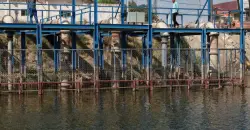
severe thirst and weakness due to water shortages, especially as irrigation now
depends on costly and difficult-to-operate wells.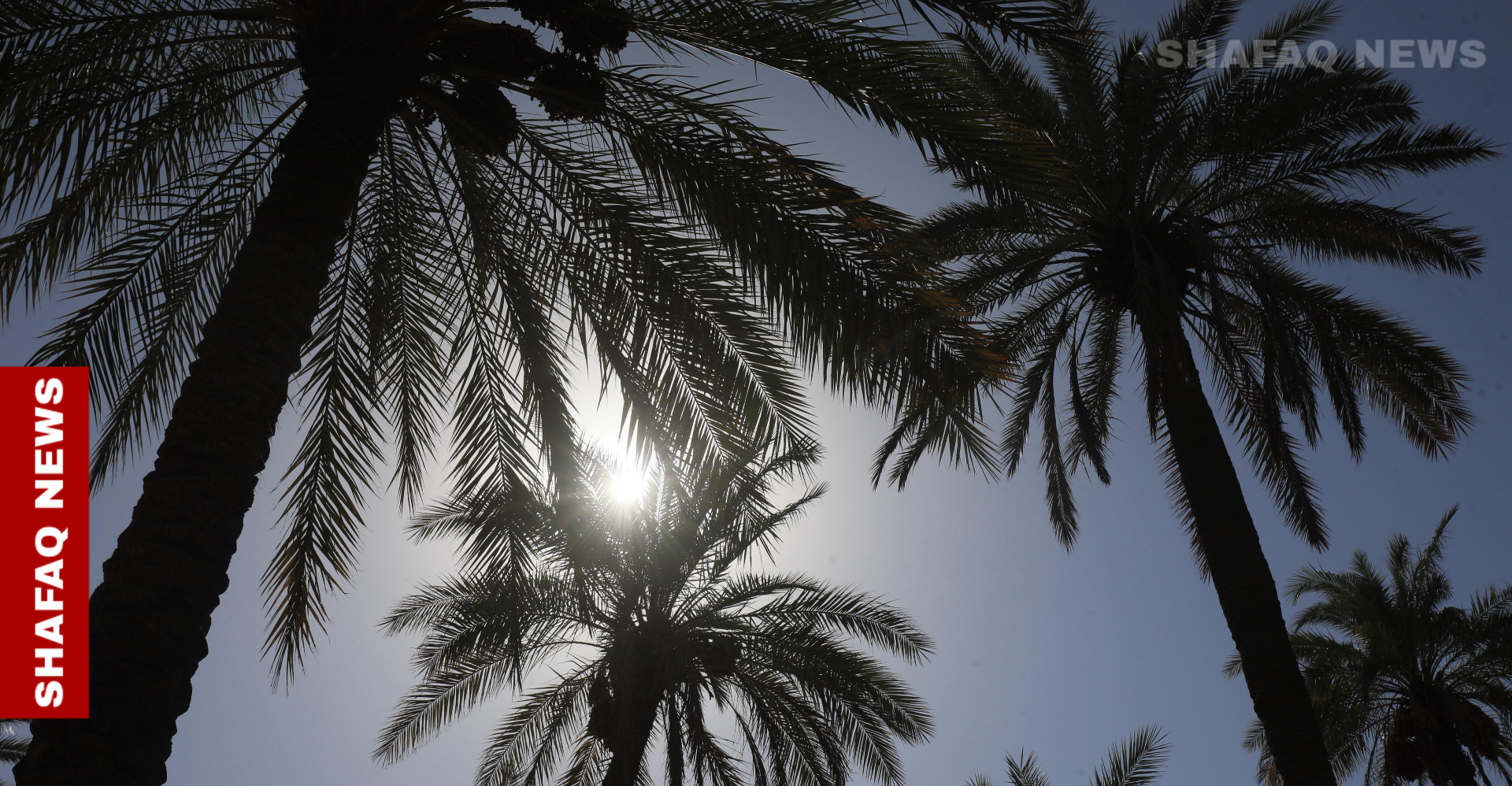
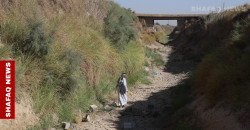
Southern and central Euphrates provinces remain the hardest
hit, where drought has already triggered forced migration, reduced agricultural
output, and growing threats to drinking water supplies.