Diyala’s Hamrin Lake revives after floods: Flamingos return


Shafaq News – Diyala
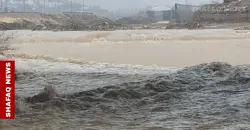
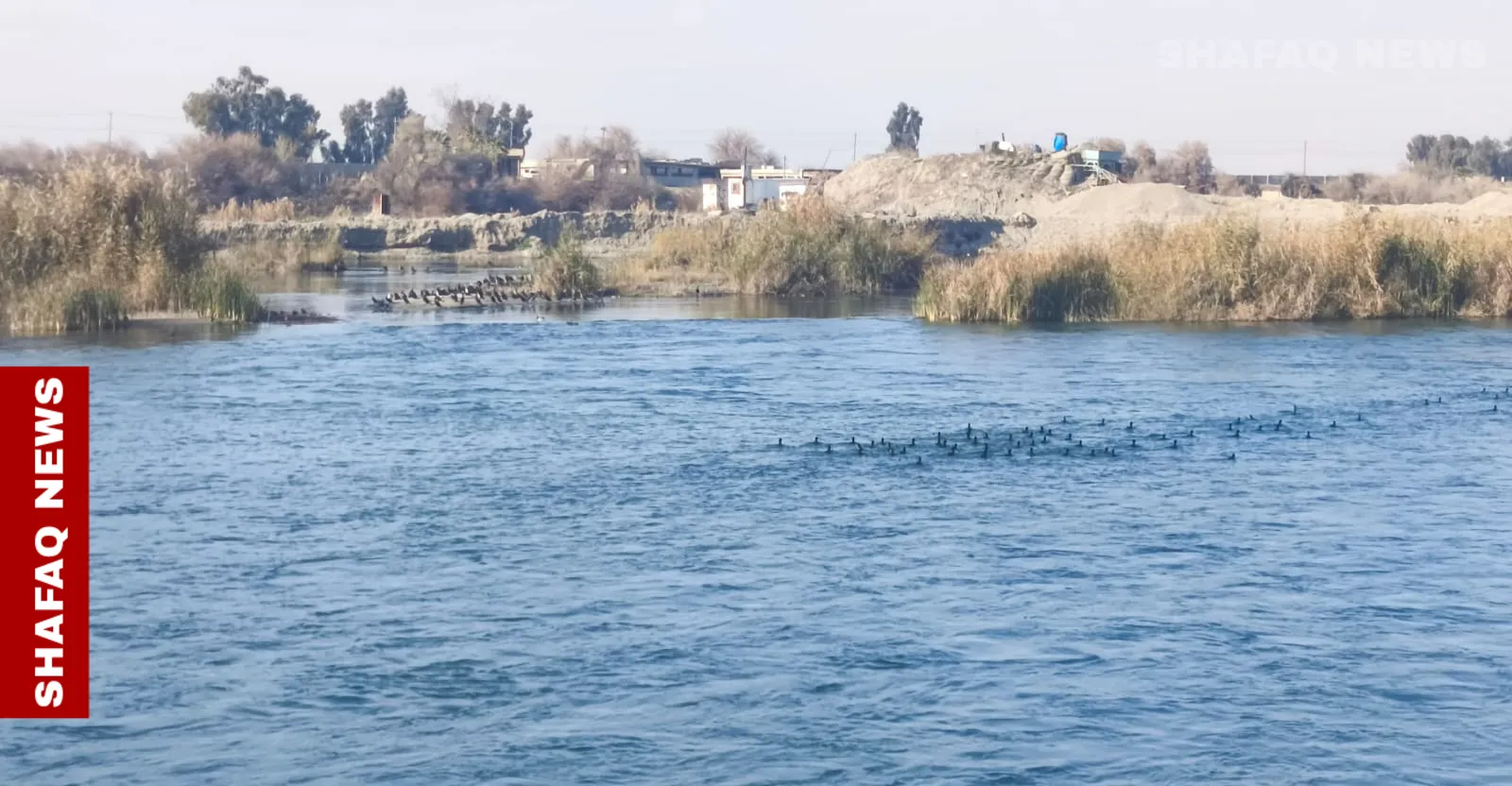
Hamrin Lake, located in Al-Adhaim district of Diyala province, has witnessed a marked resurgence in recent weeks after floodwaters from the eastern highlands restored areas that had remained dry for years.
The basin stretches from Khanaqin and Baladrooz in Diyala to the outskirts of Saladin, forming a shared water system created by the construction of Hamrin Dam in 1981. The dam was designed to regulate seasonal surges and store runoff to support agriculture, fishing, and local ecosystems.
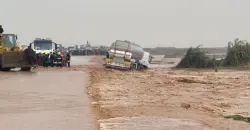
That system has seen renewed pressure in recent weeks, as a spell of heavy rain boosted inflows across several provinces, strengthening rivers, reservoirs, and wetlands. In Diyala, the Water Resources Directorate said the precipitation revitalized water storage throughout the province, filling Al-Wand Dam in Khanaqin and raising levels at both Hamrin Lake and Al-Adhaim Dam.
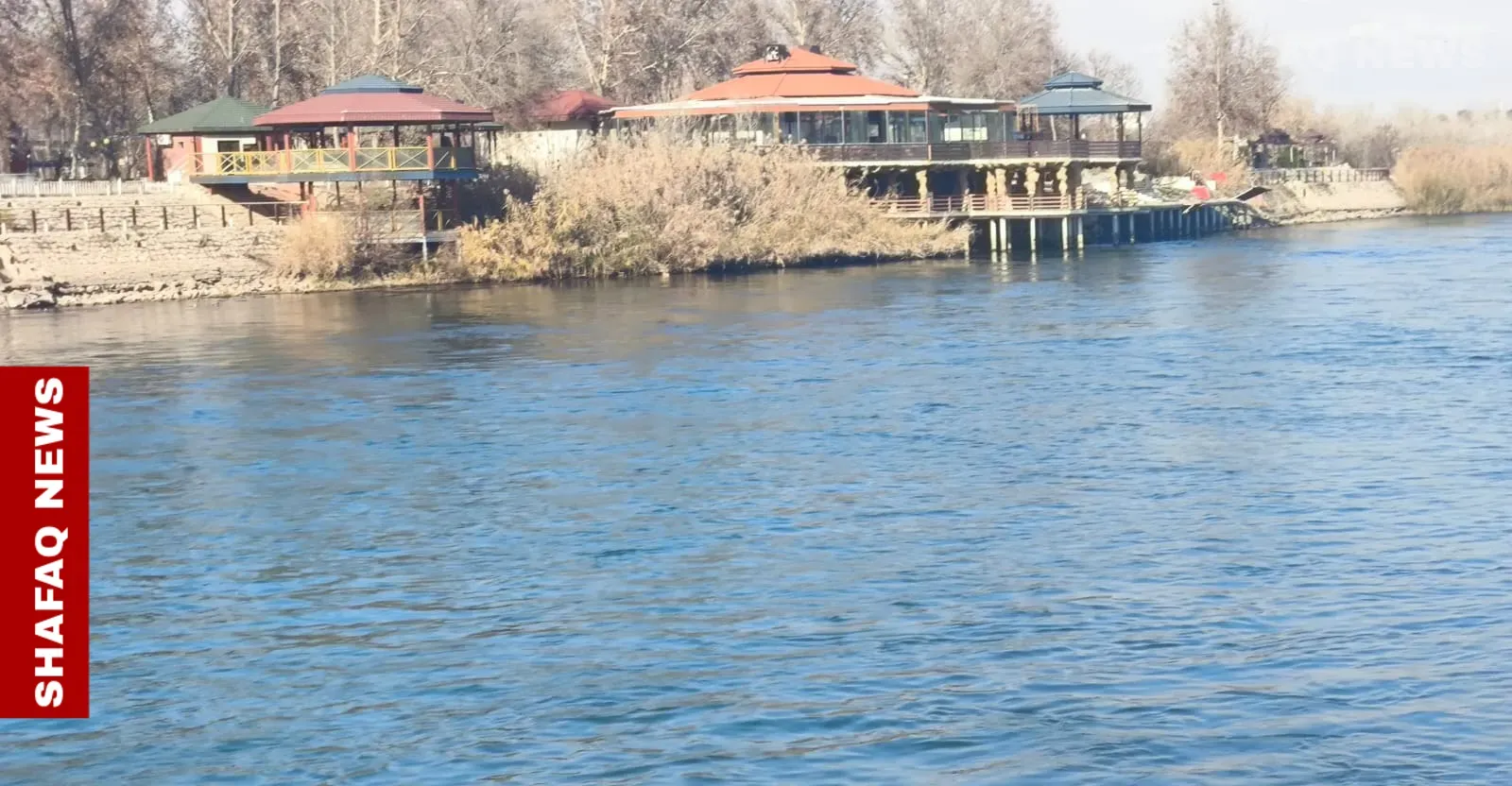
“Al-Wand Dam now holds 39 million cubic meters, while nearly 250 million cubic meters entered Al-Adhaim Dam, lifting its storage to roughly 20% of its total 1.6-billion-cubic-meter capacity,” Muhannad Al-Maamouri, the directorate’s director, told Shafaq News, adding that Hamrin Lake currently contains more than 800 million cubic meters, about 30% of its 2.45-billion-cubic-meter threshold.
Speaking to our agency, environmental specialist Adel Khaled said that the replenished water supported the return of shoreline vegetation and renewed plant growth around the lake.
Meanwhile, water researcher Abdul-Jabbar Mohammed noted to our agency that the inflow improved circulation and overall quality, clarifying, “Rain-fed runoff helped dilute accumulated pollutants.”
The ecological shift has also encouraged wildlife activity. According to expert Tahseen Hassan, who spoke to Shafaq News, gulls, winter ducks, white herons, and flamingos have reappeared in numbers not observed since 2019.
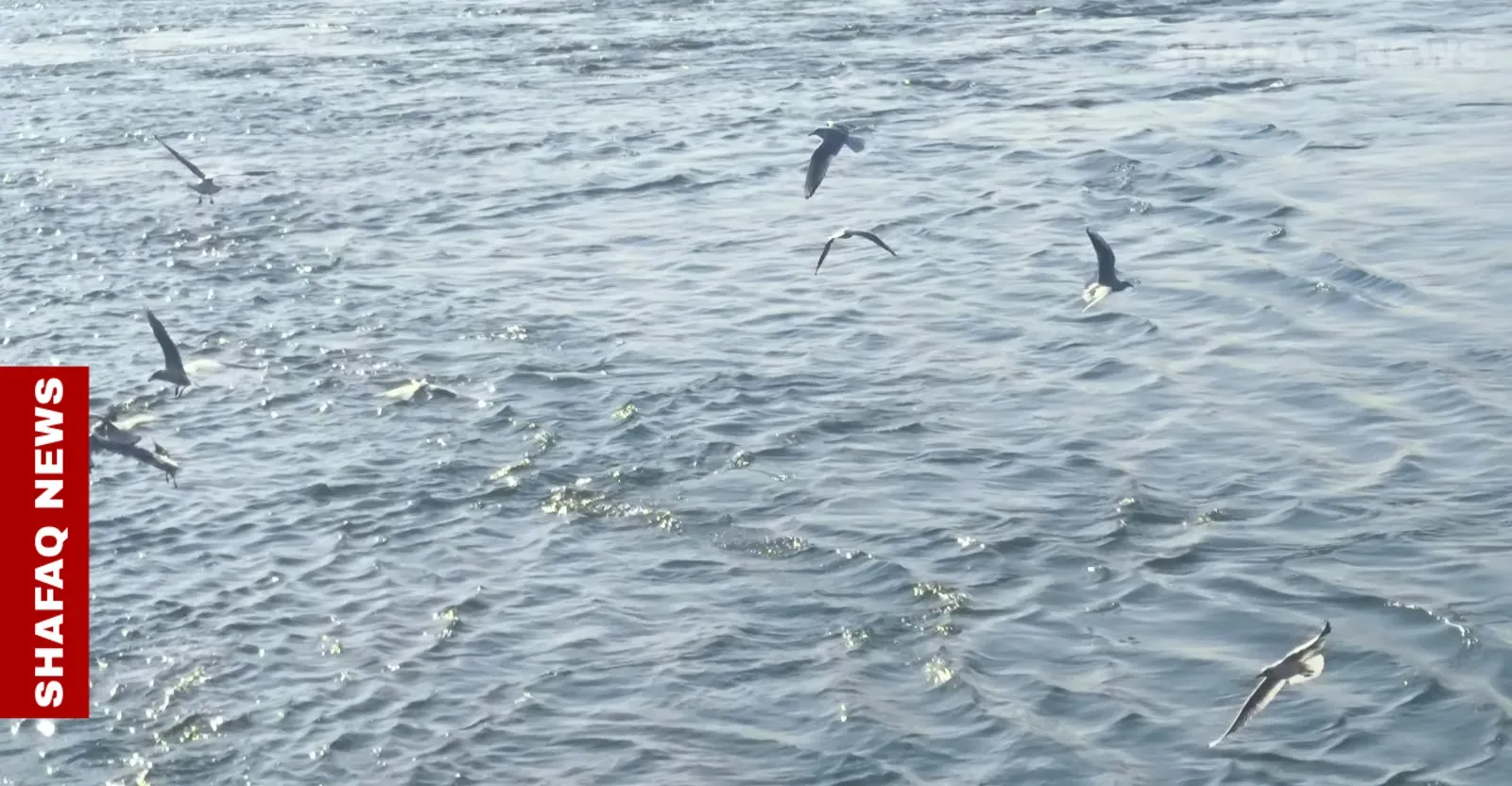
Communities around Al-Adhaim and northern Diyala are already feeling the effects. Fishermen report revived activity after two challenging years, and nearby farmers are benefiting from greater irrigation availability. “The area could draw visitors interested in birdwatching and nature photography if essential services are provided and land encroachment is curbed,” Khaled added.
Read more: Winter crows return to Baghdad, stirring seasonal mystery