Climate change pushes Iraq temperatures to new extremes


Shafaq News- Baghdad
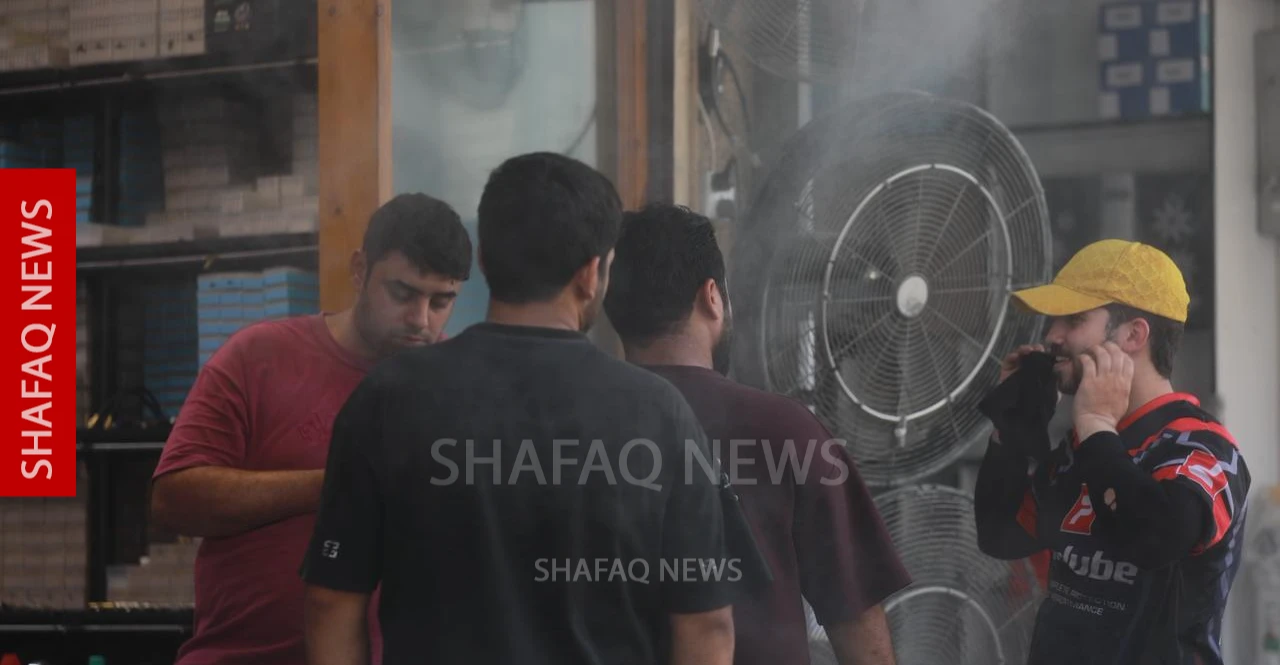
Maximum and minimum temperatures across Iraq have risen sharply over the past six decades, with daytime highs now reaching 44-47°C across much of the country's central and southern regions, the Climate and Scientific Research Center at the Iraqi Meteorological Organization and Seismology reported on Thursday.
Its weekly analysis, covering June 25 to July 1, compared current conditions with climate records from 1966 and 1996. It found that areas once dominated by 36-39°C daytime temperatures have largely disappeared from central and southern Iraq, retreating to limited parts of the western region as hotter conditions became increasingly widespread.
Nighttime temperatures have followed a similar pattern, with minimum readings that ranged between 23°C and 27°C across most of Iraq in 1966 rising to 28-32°C across much of the central and southern provinces by 2026, although parts of the central and northern regions recorded a slight decline compared with 1996.
Read more: Iraq’s Green Belt: The race to forestall desertification
The center attributed the long-term warming trend to global climate change, rising greenhouse gas concentrations, urban expansion, and shrinking vegetation cover, noting that the findings support planning for climate adaptation, agriculture, water resources, and urban development.
The United Nations ranks Iraq among the world's five countries most vulnerable to climate extremes. According to the Green Iraq Observatory, 96.5 million dunams (9.65 million hectares), or 55.5% of the country's land, are at risk of desertification, while 40.4 million dunams (4.04 million hectares), or 23.2%, have already become desertified —an increase of nearly 49% since 2021. The observatory estimates that salinity and land degradation destroy about 100,000 dunams (10,000 hectares) of farmland each year, with Dhi Qar, Maysan, Al-Muthanna, and Al-Diwaniyah among the hardest-hit provinces.
Read more: Beyond 50°C: How decades of conflict are heating Iraq