Bahr Al-Najaf faces dangerous decline, Minister calls it a natural phenomenon


Shafaq News – Baghdad
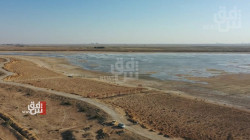
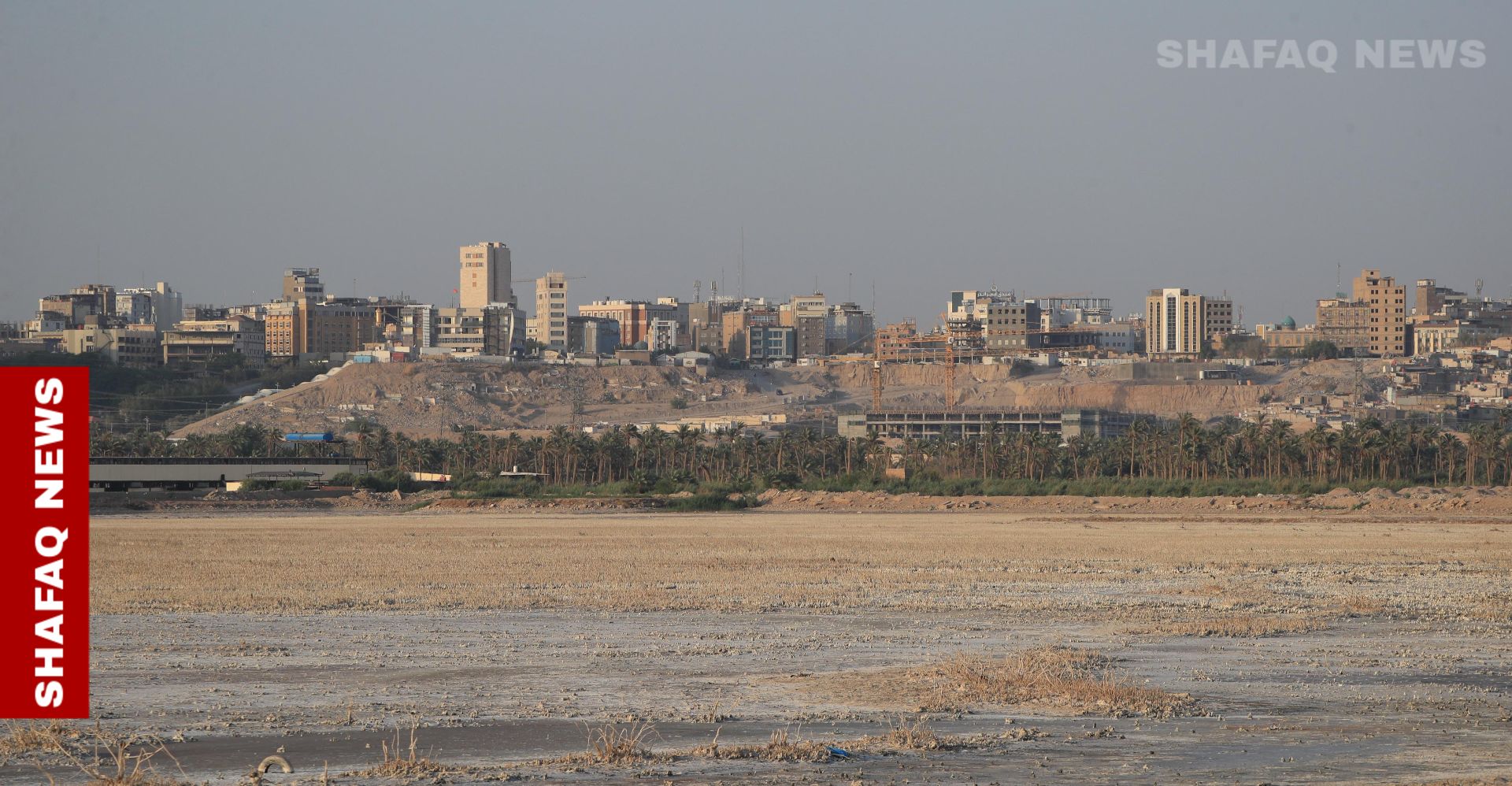
Water levels in Bahr al-Najaf have fallen to a dangerous and unprecedented low, raising fears among environmental experts and residents that the seasonal lake, one of Iraq’s most notable natural landmarks, could face near-total desiccation.
Responding to growing alarm, Water Resources Minister Aoun Dhiab on Monday sought to reassure the public, describing the decline as “a natural phenomenon” driven primarily by low rainfall and the absence of seasonal floods.
In a meeting with Najaf Governor Yousef Kanawi to review the province’s winter agricultural plan, Dhiab explained that the drop is also tied to reduced surplus irrigation and drainage flows, as well as the ministry’s decision to seal naturally flowing wells to prevent over-extraction of groundwater.
He emphasized that the ministry rejects attempts to convert Bahr al-Najaf into an investment project for non-agricultural purposes, stressing that it is “a natural basin replenished solely by rainfall and seasonal torrents.”
Dhiab added that the ministry has already implemented several measures to ensure fair distribution of water that meets minimum ecological flow requirements for the Tigris and Euphrates rivers, while prioritizing water supply to treatment plants as part of its core mission.
Despite these assurances, experts continue to warn that the sharp drop in Bahr al-Najaf’s water levels could have catastrophic implications for the ecosystem, wildlife, agriculture, and local economic activities tied to the area.