Baghdad traders rally against “unfair” taxes and customs fees


Shafaq News– Baghdad (Updated at 13:18)
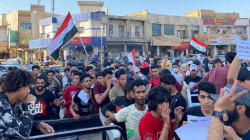
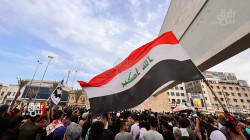
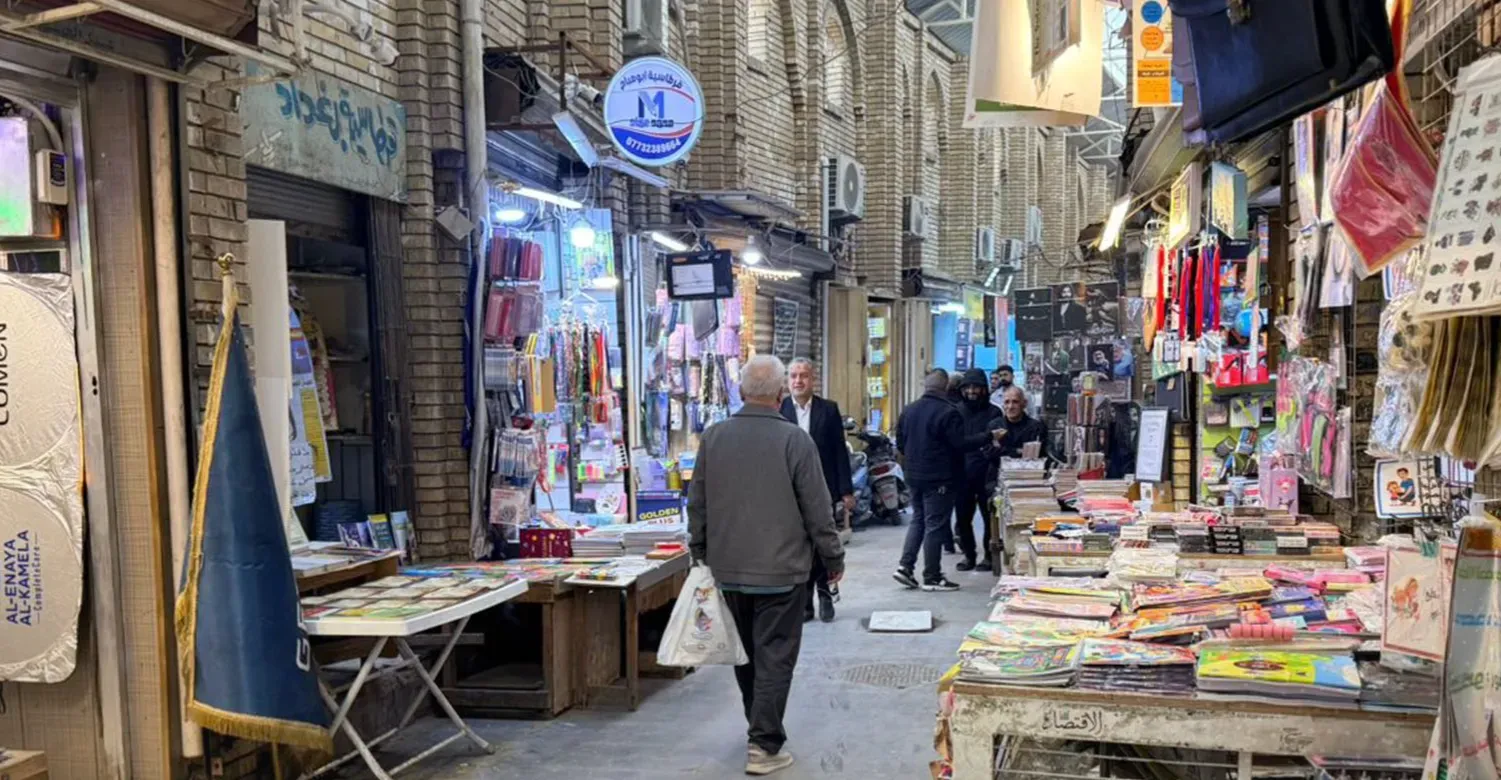
Dozens of traders protested on Sunday in the Iraqi capital, Baghdad, rejecting government decisions to impose new taxes and enforce customs tariffs on imported goods.
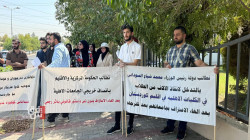
The protesters gathered outside the Baghdad Chamber of Commerce, where they called for the cancellation or postponement of the tariff application, warning that demonstrations would continue if authorities fail to respond to their demands.
Trader Amir Al-Hassani told Shafaq News that the protest aimed to express opposition to “the imposition of a quality certification mark and unfair increases in customs fees,” arguing that the additional charges place growing financial pressure on traders.
He also criticized the advance declaration system, explaining that it obliges traders to deal with a specific bank, a requirement that, according to him, often leads to rejected or delayed transfers.
Another trader, Saif Ali, warned that sudden increases over a short period would “push prices up quickly and lead to stagnation in local markets.” While stressing that the consumer, not the trader, would bear the consequences, he urged the government to adopt gradual increases or reduce the rates in a way that reflects market conditions and citizens’ living standards.
“Insisting on enforcing the tariffs could slow market activity, force the closure of some shops, and result in job losses,” Ali cautioned.
During the protest, a representative of the demonstrators read out a statement describing the rally as “legitimate” opposition to policies that have placed heavy burdens on citizens and traders. The statement said the measures were imposed amid difficult economic conditions and rising living costs, outlining “clear and non-negotiable” demands, including the formation of a specialized committee to “fairly” reassess fees.
The demonstrations come as Iraq prepares to implement new tax and customs measures scheduled for January 2026, introducing charges ranging from 5% to 30% on selected imported goods and expected to cover around 6,000 items.
Government officials and allied lawmakers have denied that the steps amount to new taxation, as already affirmed by the country’s General Customs Authority. They described the measures as tax deposits to be settled later through electronic customs procedures, attributing the controversy to misinformation and the circulation of outdated footage that misrepresented the new mechanisms.
Read more: Delayed reform or fiscal shock? Iraq’s tax measures test state capacity