US claims diverting 45 vessels under Iran blockade


Shafaq News- Washington
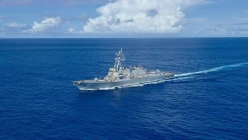
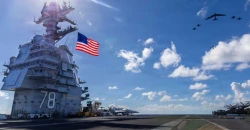
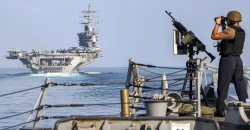
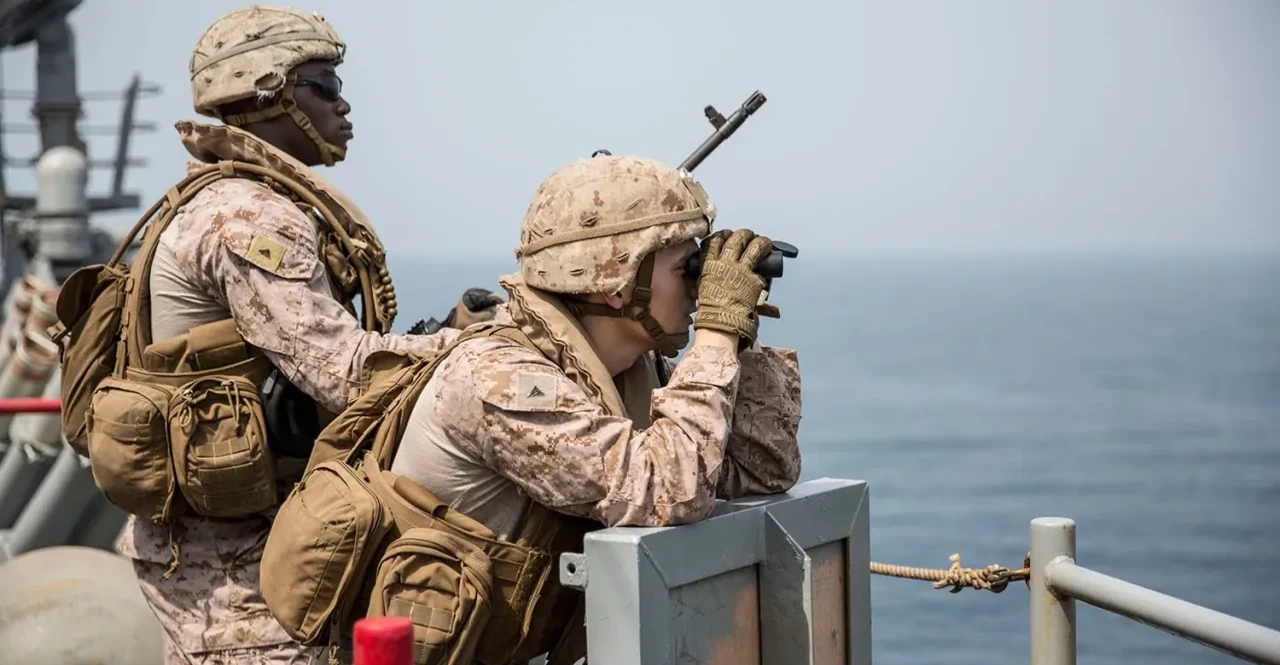
US forces have redirected 45 commercial vessels, disabled two, and boarded two others while enforcing Washington’s maritime blockade against Iran, US Central Command (CENTCOM) said on Tuesday.
A U.S. Sailor stands watch in the combat information center aboard USS Boxer (LHD 4) as the amphibious assault ship sails in regional waters while supporting the U.S. blockade against Iran. As of Aug. 4, U.S. forces have redirected 45 commercial vessels, disabled 2 and boarded 2… pic.twitter.com/oYkiOLQU0C
— U.S. Central Command (@CENTCOM) August 4, 2026
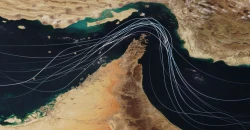
The blockade began at 11:00 p.m. Baghdad time on July 14 and covers vessels entering or leaving Iranian ports, oil terminals, and coastal areas, regardless of flag. “Neutral” ships crossing the Strait of Hormuz to or from non-Iranian destinations are exempt.
CENTCOM’s reported number of redirected vessels rose from 12 on July 25 to 18 on July 28, 30 on July 31, 35 on August 2, and 45 on Tuesday. The totals for disabled and boarded vessels remained at two each.
Under the blockade notice, unauthorized vessels may be intercepted, diverted, or captured, while noncompliant ships may be compelled by force.
Earlier today, US Treasury Secretary Scott Bessent told CNBC that Washington and Tehran could finalize a Strait of Hormuz shipping agreement as early as August 4 or 5, guaranteeing “freedom of movement” for commercial vessels without Iranian transit fees, allowing hundreds of ships stranded in the Gulf to resume their voyages and easing pressure on oil, fertilizer, refined petroleum products, and industrial gas shipments.
Iran, however, maintains that it is negotiating with Oman rather than the United States over a temporary navigation arrangement. Tehran is seeking control over vessels entering the Gulf and oversight of outbound traffic, while Oman would provide exit clearance under the proposal, according to a senior Iranian source cited by Reuters.
The parties have yet to resolve disagreements over control of the waterway. Meanwhile, six commodity vessels, including three tankers and three bulk carriers, crossed on August 3, down from seven the previous day, according to Kpler data. The figures exclude ships operating with their transponders switched off.