Trump nears military action on Iran as talks stall


Shafaq News- Washington/ Tehran
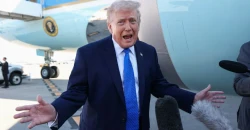
US President Donald Trump’s administration is “closer” to military action against Iran than many realize, Axios reported on Wednesday, warning that a potential strike could unfold “within weeks” if nuclear talks fail.
Citing US and Israeli officials, Axios said any operation would likely be broader and longer than last month’s limited strike in Venezuela and more extensive than the Israeli-led 12-day war with Iran in June 2025. The US military has deployed two aircraft carriers, multiple warships, hundreds of fighter jets, and air defense systems to the region, with more than 150 cargo flights delivering weapons and equipment in recent weeks.
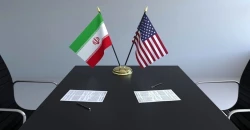
The second round of indirect US-Iran nuclear talks in Geneva ended on Tuesday without a breakthrough. According to ABC News, a US official claimed that “progress was made,” but “there are still a lot of details to discuss,” while Iranian officials indicated they would return within two weeks with detailed proposals aimed at narrowing remaining gaps.
The three-hour meeting brought together President Donald Trump’s son-in-law Jared Kushner and Middle East Envoy Steve Witkoff, and Iranian Foreign Minister Abbas Araghchi. Vice President JD Vance said the talks “went well” in some respects but confirmed Iran has not accepted key “red lines” set by Trump, adding that the president will decide when diplomacy has “reached its natural end.”
Washington demands a complete halt to enrichment inside Iran, while Tehran has floated temporary suspensions or dilution of enriched stockpiles. US officials are weighing potential sanctions relief, including financial and oil measures, though no commitments have been announced. Meanwhile, Israeli officials, according to Axios, are preparing for a scenario in which conflict could erupt within days.
In June 2025, Tehran was given a similar two-week deadline before Trump authorized strikes on Iranian nuclear facilities under Operation Midnight Hammer.
Read more: Why US–Iran talks keep failing, and why tensions persist