IMO: 6,000 seafarers remain trapped near Hormuz


Shafaq News- New York
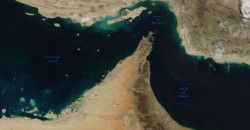
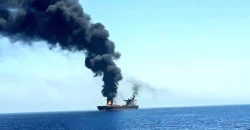
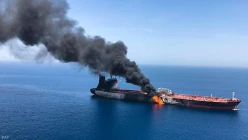
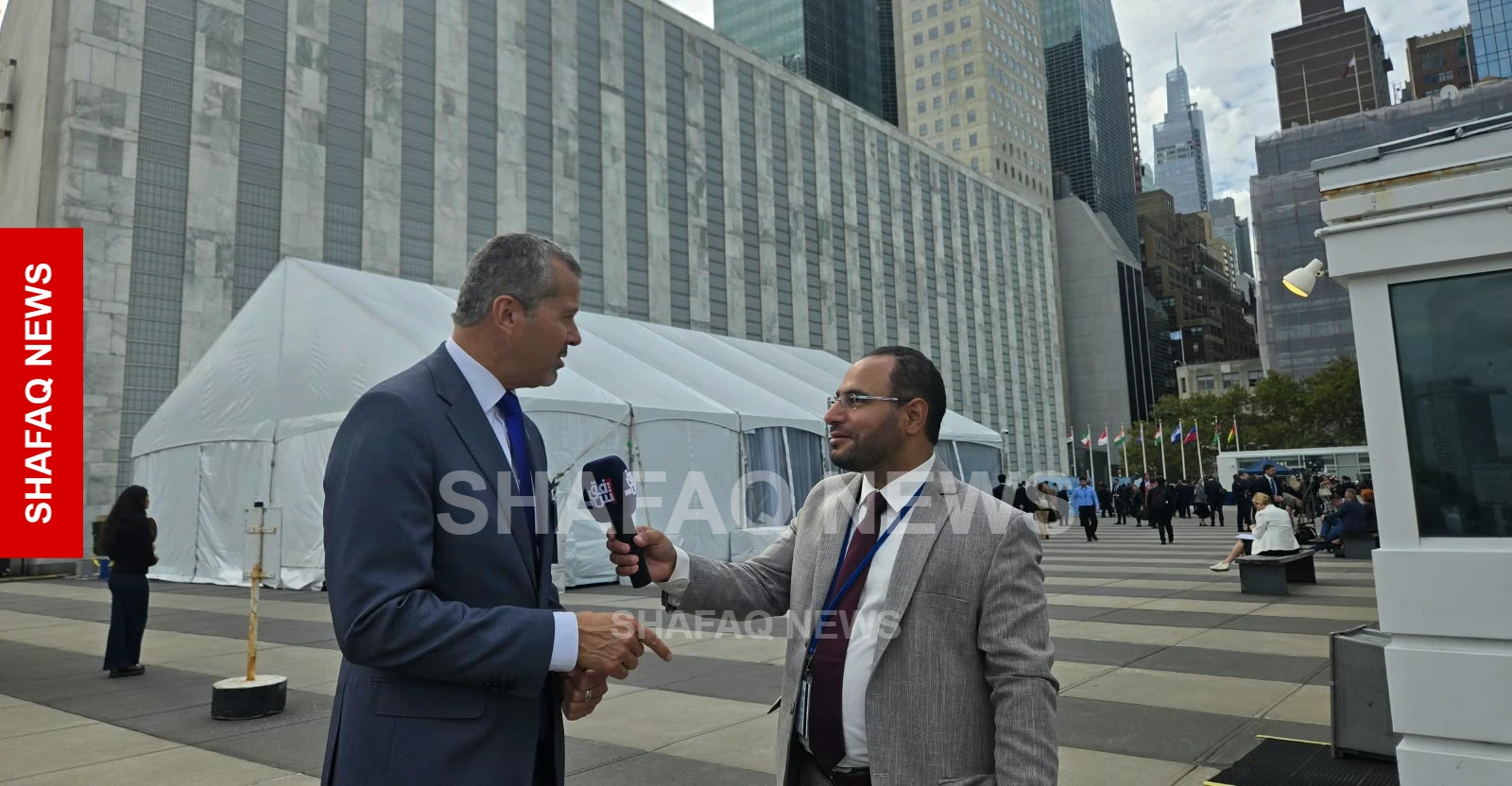
Some 6,000 seafarers have been trapped in the Strait of Hormuz area since the conflict began, and the International Maritime Organization (IMO) is addressing their evacuation first, a senior IMO official told Shafaq News.
Luca Spataro, principal secretary in the Executive Office of the IMO Secretary-General, said the UN shipping agency is working on mechanisms to evacuate the crews, whom he described as innocent seafarers, and is providing ongoing support to those who remain stranded.
IMO had previously evacuated 136 vessels carrying about 2,900 seafarers through alternative routes in June, but the operation was later suspended after safety guarantees could no longer be assured.
Since the conflict began on Feb. 28, IMO has also verified at least 80 attacks on international shipping in and around the Strait of Hormuz, killing at least 22 seafarers.
Clearing The Shipping Lanes
The IMO is also working to ensure that any affected sections of the Traffic Separation Scheme, the designated shipping lanes through the strait, are cleared of mines to protect commercial vessels, Spataro said. If temporary routing measures are needed until then, the agency is actively discussing them with several member states.
Once the conflict ends, the IMO stands ready to help countries in bilateral or multilateral negotiations to establish safeguards and guarantees "so that no vessel is targeted," Spataro said. Addressing the root causes of the conflict, however, falls to member states, whether bilaterally, through the UN General Assembly or the Security Council, and lies outside the IMO's mandate, he added.
Houthis And The Red Sea
On the Bab el-Mandeb Strait, the passage linking the Red Sea to the Gulf of Aden, Spataro said there is an intention to pursue negotiations among the parties involved. Because Yemen's Houthis are not an internationally recognized government, the IMO is awaiting progress through official intermediaries and member states in contact with them, while dealing formally with the Yemeni government, he said.
Countries in the region beyond Saudi Arabia are working closely with the Yemeni government to help reach a resolution, according to Spataro. "The longer these disputes persist and disrupt high-volume maritime corridors like Bab al-Mandeb and the Strait of Hormuz, the more acutely the entire global economy will suffer from supply shortages and escalating shipping costs."
Pipelines No Substitute For Shipping
Asked about proposals to bypass Hormuz, such as a pipeline from Iraq to Syria's Mediterranean port of Baniyas, Spataro said multimodal routes are welcome as complementary infrastructure, but replacing the sheer volume, scale and speed of maritime shipping remains extraordinarily difficult. The priority, he said, is for regional conflicts to end so that merchant ships can move freely under international maritime law.
On calls to expand the UN Security Council, including by Turkish President Recep Tayyip Erdogan, Spataro said structural reform is for member states to decide. He described modernizing multilateral governance, including the Council's composition, as part of the UN's natural evolution as it marks its 80th anniversary.
Read more: Houthi advance raises stakes from Bab al-Mandeb to Iraq
For Shafaq News, Mustafa Hashem, New York