Hormuz oil flows reach half pre-war levels, US officials claim


Shafaq News- Washington (Updated at 15:41)
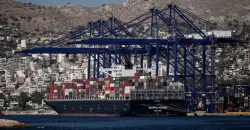
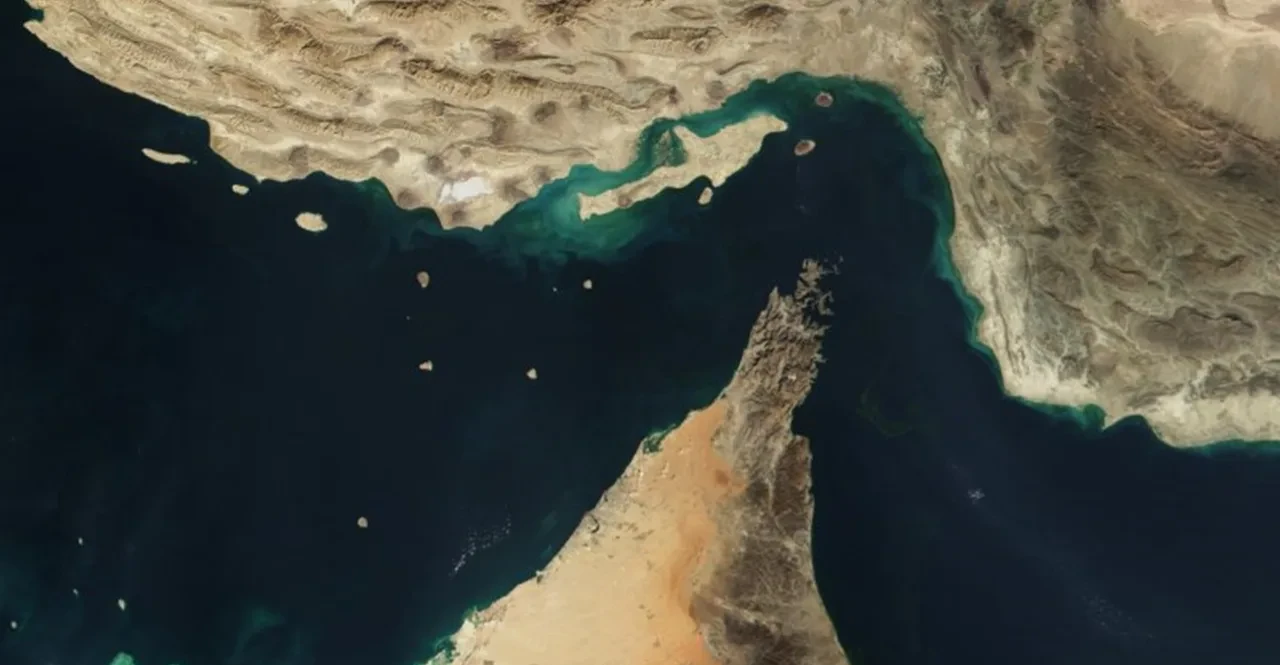
Between 20 and 30 tankers are crossing the southern channel of the Strait of Hormuz each night, carrying an average of 9 to 10 million barrels of oil, roughly half the pre-war volume, US officials told Axios.
Independent ship tracker Kpler recorded seven commodity-vessel transits on Thursday, down from 17 a day earlier and below the 10-day average of 15. Kpler’s count covers vessels visible through ship-tracking systems, while some ships switch off their transponders during transit. US officials told Axios that commercial trackers were also undercounting traffic through the US-protected southern route.
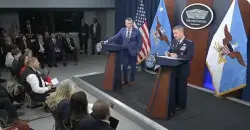
More than 200 mine-like objects had been cleared from the main lane, including 11 confirmed mines, according to the officials. CENTCOM commander Adm. Brad Cooper said internationally recognized shipping lanes were now “free” of Iranian sea mines and that traffic was increasing.
Update from CENTCOM Commander: pic.twitter.com/osPbltjJ1C
— U.S. Central Command (@CENTCOM) August 28, 2026
Read more: Hormuz maritime incidents kill 20+ in six months
Washington now aims to widen the main channel of the Strait of Hormuz by mid-September to allow at least 50 ships to move in and out of the Gulf each night, with a goal of restoring 60% to 70% of pre-war oil exports. US officials believe the progress could mark a turning point in the conflict, easing pressure on the global economy and strengthening Washington’s position in negotiations with Tehran.
Reuters reported that Iran had agreed after Qatari mediation to draw up conditions for reopening traffic, while Tehran and Oman continued negotiating details of arrangements for managing the waterway.
Despite the increase in shipping activity, around 6,000 seafarers aboard 400 vessels remain unable to leave the Strait, the UN’s International Maritime Organization (IMO) disclosed on Friday, six months after the war began. So far, 136 ships carrying about 2,900 crew members have been evacuated, with the effort paused since late June amid renewed attacks.
IMO Secretary-General Arsenio Dominguez warned that the conflict was still disrupting global fuel and commodity supply chains and leaving thousands of seafarers facing “heightened risk and uncertainty.”