First Qatari LNG tanker exits Hormuz after three-week pause


Shafaq News- Middle East
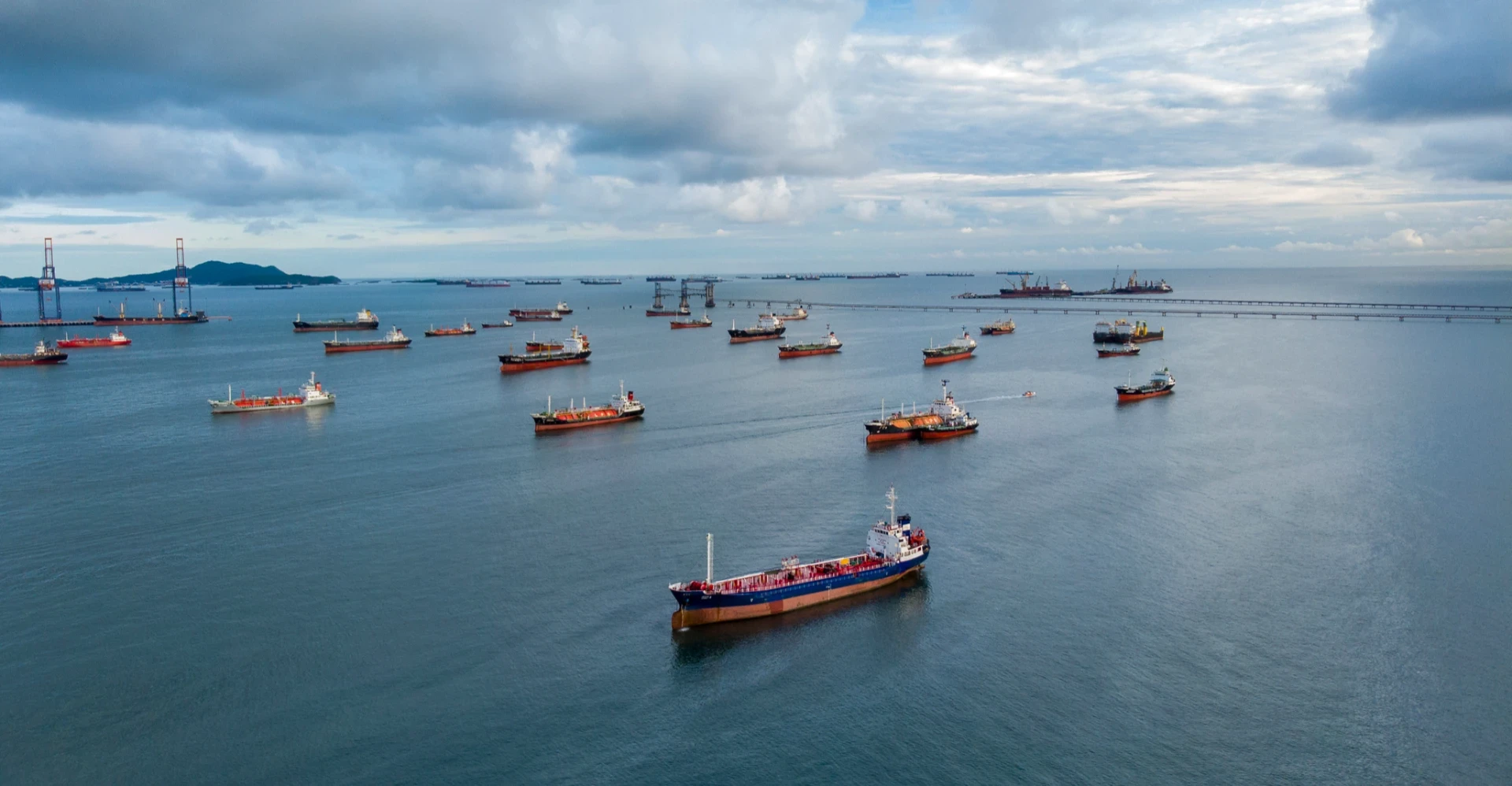
The first liquefied natural gas (LNG) carrier in nearly three weeks has sailed out of the Strait of Hormuz, maritime tracking firm Kpler reported on Thursday, noting that the vessel is operated by QatarEnergy.
The LNG carrier Al Areesh loaded its cargo at Qatar’s Ras Laffan terminal between July 4 and July 6 before passing through the strategic maritime gateway. Kpler data indicated that the vessel was heading toward Pakistan’s Port Qasim, where it is expected to arrive on July 31.
Before Al Areesh, the last LNG carrier to leave the Strait was Al Hamra, which departed on July 11 carrying a cargo loaded at the UAE’s Das Island.
London Stock Exchange Group (LSEG) tracking data also revealed that the LNG carrier Mrooh, which was last detected outside the waterway without cargo on July 24, reappeared inside the Strait on Thursday.
Shipping activity extended beyond LNG carriers, with Kpler data recording that 12 commodity vessels passed through Hormuz on Wednesday, including six vessels entering and six leaving the waterway. The figure marked an increase from the previous two days.
Traffic through the Bab al-Mandab Strait also continued, although at lower levels than earlier in the week. Kpler data registered 19 commodity vessels crossing the maritime corridor on Wednesday, while LSEG tracked 26 vessels.
AXSMarine data indicated that detectable crude oil loading activity at Saudi Arabia’s Yanbu port on the Red Sea fell by at least 30% last week after Yemen’s Houthi movement declared a blockade targeting Saudi Arabia.
Vortexa estimates, however, suggested that overall exports remained broadly stable, with the energy intelligence firm attributing the difference to increased activity by so-called "dark fleet" tankers.
"We observed a clear increase in the number of crude oil and condensate tankers heading north after loading in the Red Sea," George Morris, an analyst at Vortexa, noted. He added that shipments loaded at Yanbu accounted for around 15% of Asia’s seaborne crude oil supply, warning that any prolonged disruption could have significant implications for Asian refiners.