Desert strike sparks dispute over alleged US airborne deployment in Iraq


Shafaq News- Karbala
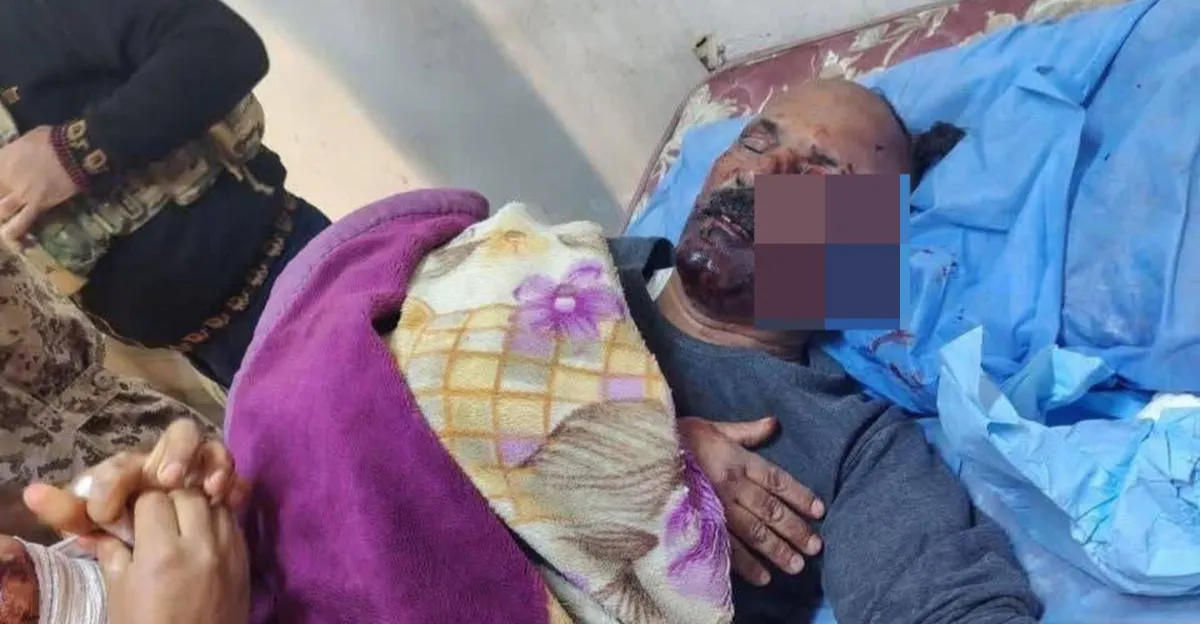
Conflicting narratives emerged on Wednesday over whether a foreign airborne deployment took place in the desert between Karbala and Najaf, after an Iraqi military patrol was hit by air fire during a reconnaissance mission, killing one soldier and wounding two others.
Iraq’s Joint Operations Command confirmed that a unit from Karbala Operations Command came under aerial attack and gunfire at dawn while conducting a search mission in the desert corridor linking the two provinces. The statement did not mention any prior airborne landing and stopped short of attributing responsibility.
A high-level investigative committee has been formed to determine the circumstances of the strike, which the command described as an “unjustified violation against Iraqi forces operating on national territory.”
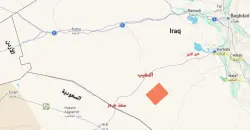
Security correspondence from Karbala Operations Command said a force from the 41st Brigade had deployed yesterday to inspect an area near al-Nukhaib, west of Karbala, where reports suggested an air landing had occurred.
Lawmaker Mohammed al-Khafaji said the landing occurred roughly 250 kilometers west of Karbala, about 50 kilometers from al-Nukhaib toward the Najaf desert, and that the force remains stationed in the area. He said a column of approximately 30 Iraqi Humvees moved to assess the situation, but was met with aerial fire and gunshots.
Another lawmaker from Karbala, Zuhair al-Fatlawi, cited what he described as private sources indicating that a force believed to be American entered the area yesterday using four to seven helicopters arriving from Syrian airspace, accompanied by Humvees deployed roughly 40 kilometers from al-Nukhaib.
In contrast, MP Miqdad al-Khafaji from the Huqooq bloc offered a different account, alleging that US and Israeli forces had struck multiple Iraqi security and Popular Mobilization Forces positions, causing 19 fatalities and dozens of injuries. He said no confirmed airborne deployment had taken place on Iraqi soil.
The desert zone where the incident occurred stretches deep between Najaf and Karbala provinces and includes rugged terrain marked by valleys such as Wadi al-Abyad, Wadi al-Fayyadiya and Wadi al-Habariya, an area long considered geographically and operationally complex.