Why US–Iran talks keep failing, and why tensions persist


Shafaq News
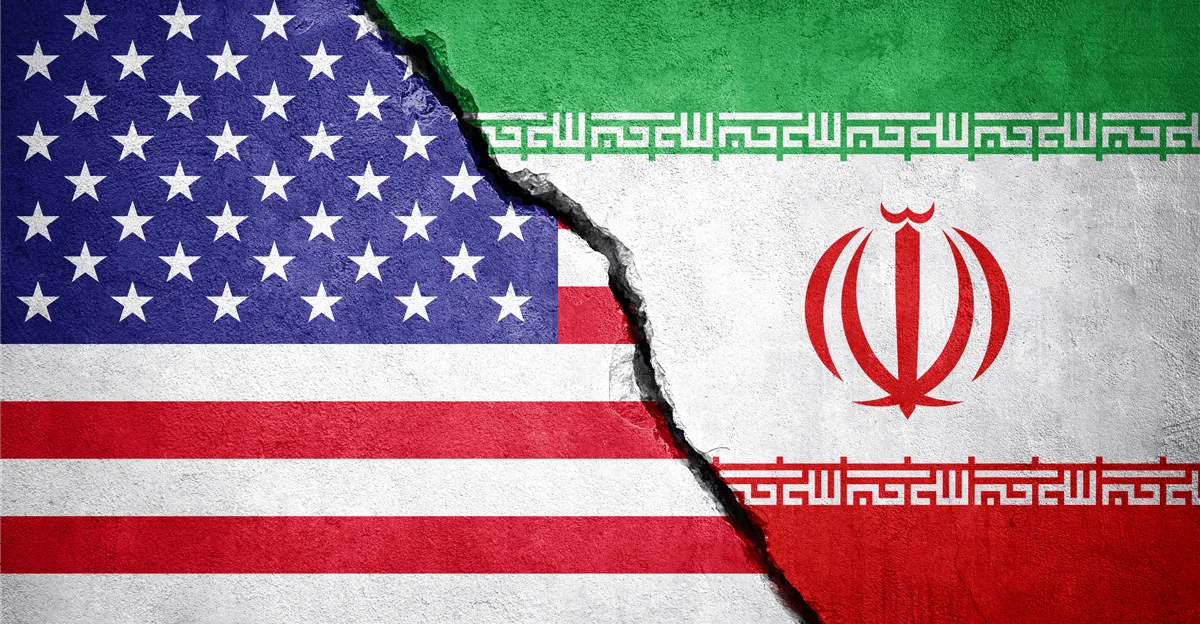
For more than two decades, negotiations between the United States and Iran have followed a familiar cycle: escalation, talks, temporary calm, then renewed confrontation. Despite repeated diplomatic efforts, in Baghdad, Geneva, Vienna, Doha, and most recently Muscat, lasting breakthroughs have remained elusive.
The latest Oman talks may also fit squarely within this pattern. The persistent failure of these negotiations is not rooted in poor diplomacy or lack of channels, but in deeper structural contradictions that repeatedly undermine any progress. At the core of the impasse lies a basic mismatch in how Washington and Tehran define the problem. Washington approaches negotiations with Iran as a “comprehensive security challenge.”
Over time, US demands have expanded well beyond the nuclear file to include Iran’s ballistic missile program, its support for armed groups across Iraq, Syria, Lebanon, and Yemen, and, increasingly, its internal governance and human rights record. From the American perspective, these issues are “interconnected” and cannot be meaningfully separated.
Iran, by contrast, views negotiations almost exclusively through the lens of sanctions relief. Iranian officials insist that talks focus solely on the nuclear program, arguing that missiles, regional alliances, and domestic politics fall under national sovereignty and defensive necessity.
This divergence means both sides often enter negotiations with incompatible agendas, reducing talks to crisis management rather than conflict resolution. Iran’s leverage does not primarily rest on its nuclear program, but on capabilities it consistently refuses to negotiate: its missile arsenal and its regional network of allied armed groups. Iran possesses one of the largest ballistic missile inventories in the Middle East, while its regional partners have demonstrated the ability to strike US assets and allies across multiple theaters since 2019. These tools form the backbone of Tehran’s deterrence strategy. From Iran’s perspective, surrendering them in exchange for sanctions relief -which can be reversed- would amount to strategic disarmament.
Read more: US-Israel threats to Iran: can mediators avert 2025 war?
The calculus explains why Iranian negotiators may have consistently rejected efforts to “broaden” talks. Even when agreements are reached, they suffer from a credibility deficit. The 2015 nuclear agreement demonstrated that Iran could meet technical obligations: IAEA monitoring confirmed compliance for nearly three years. Yet the US withdrawal in 2018 reinforced Tehran’s belief that American commitments are subject to electoral cycles, not binding state policy. The asymmetry is central and seen when Iran is repeatedly asked to make long-term, technically irreversible concessions, while sanctions relief remains politically reversible in Washington. This experience has hardened Iran’s negotiating posture, particularly as US sanctions now number in the thousands, affecting banking, energy exports, shipping, and currency access. Both sides have institutionalized escalation as a negotiating tool. Iran has responded to diplomatic pressure by raising uranium enrichment levels, from the JCPOA cap of 3.67% to levels exceeding 60%, while also regional tensions rise through its allied groups. The United States, meanwhile, has relied on economic sanctions, military deployments, and explicit threats to extract concessions. Over time, this dynamic has normalized brinkmanship.
Talks are often triggered not by trust, but by fear of uncontrolled escalation. Once immediate pressure subsides, incentives to compromise fade. Recent military strikes in the 12-day June 2025 war and explicit threats have further complicated diplomacy. Talks conducted under the shadow of force rarely produce flexibility. Instead, they strengthen hardliners, narrow political space for compromise, and frame negotiations as acts of resistance rather than problem-solving. In Iran’s case, external pressure has reinforced the narrative that “deterrence, not accommodation, guarantees survival.” This framing limits political room for compromise and turns negotiations into symbols of resistance rather than instruments of resolution.
Confrontation itself serves domestic political purposes on both sides. In Washington, a hard line on Iran signals resolve to allies and voters. In Tehran, sustained external hostility helps justify internal controls, deflect economic grievances, and consolidate power within security institutions. Periods of heightened tension often coincide with greater political influence for security bodies inside Iran.
Peace, by contrast, removes a useful external adversary and introduces domestic political risk. US–Iran talks rarely fail because diplomacy is insufficient. They fail because the underlying conflict remains strategically useful and structurally unresolved. The only period of genuine progress came when negotiations were narrowly focused, regional issues were deferred, and sanctions relief was clearly defined. Absent a fundamental shift -either a willingness by Iran to negotiate its broader power or an ability by the United States to offer lasting economic normalization- talks will continue to manage tension rather than resolve it. In this sense, recurring negotiations are mechanisms designed to prevent confrontation from spiraling out of control, not signs of imminent peace.
Read more: US, Israel, and Iran step up military readiness as regional tensions grow
Written and edited by Shafaq News staff.