Why Iraqi detainees in Saudi Arabia have become a recurring diplomatic issue


Shafaq News
More than 145 Iraqi nationals are believed to be detained in Saudi Arabia, according to Iraqi lawmakers, in a case that has resurfaced repeatedly over the past two years and prompted continued diplomatic engagement between Baghdad and Riyadh. The issue blends legal, religious, and political sensitivities and remains under discussion in Iraq’s parliament.
How Many Iraqis Are Detained?
Miqdad Al-Khafaji, a member of the Huqooq parliamentary bloc, told Shafaq News that 147 Iraqis are currently held in Saudi prisons and urged Iraq’s executive leadership to intensify efforts to secure their release.
In August 2025, Raad Al-Maliki, a member of Iraq’s parliamentary Legal Committee, revealed that nine Iraqis were detained during the Umrah pilgrimage, describing the arrests as occurring “without charges.” He warned that unresolved cases could provoke public frustration.
Iraqi officials have confirmed that some detainees were released in stages following diplomatic contacts, though no consolidated list of names has been made public. As a result, the exact number of Iraqis still in custody remains unclear.
Why Are Iraqis Being Detained?
According to Al-Maliki and relatives, several cases involved what were described as administrative or pilgrimage-related violations rather than serious criminal offenses.
Some incidents were linked to social media posts referencing Al-Baqi cemetery in Medina, a site revered by many Shiite Muslims as the burial place of figures including Imam Hassan bin Ali and Fatimah, daughter of the Prophet Muhammad. Saudi regulations during Hajj and Umrah prohibit political slogans or expressions and require religious rituals to remain free of political messaging.
In 2024, five Iraqis were also arrested while performing Umrah. Iraqi media, citing family members, reported that the arrests followed Instagram posts referencing Al-Baqi. The father of one detainee, identified as Ali Ma’an Ali, said his son removed the post shortly after publishing it and that it had limited engagement (four views) before deletion. He added that the detainee’s mother remained in Saudi Arabia for weeks to follow up on the case.
Separate media reports indicated that some detainees were accused of chanting political slogans near the Kaaba, referencing figures such as Qassem Soleimani and Abu Mahdi Al-Muhandis. One of those mentioned, Walid Al-Sharifi, was later released.
Where Are Detainees Being Held?
Iraqi media reported that the five Umrah detainees were transferred to Dhahban Prison in Jeddah.
Human Rights Watch has previously cited allegations of mistreatment in Dhahban Prison in unrelated cases, including claims of torture and harassment. Those findings address broader detention conditions and do not specifically refer to Iraqi nationals.
Al-Khafaji said many detainees were innocent and alleged they faced mistreatment.
The Monitor of Hajj and Umrah Violations (MHUV), an initiative linked to the UK-based SANAD human rights organization, said Saudi authorities do not publicly disclose the names of some detainees during pilgrimage seasons. It cited a March 2022 statement from Iraq’s Supreme Authority for Hajj and Umrah confirming that Iraqi officials had formally requested the release of detained pilgrims.
The precise number and legal status of Iraqi detainees have not been publicly consolidated.
What Has Iraq Done Diplomatically?
The detainee file has prompted repeated diplomatic interventions.
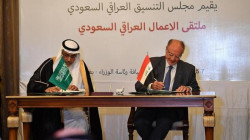
In August 2025, Iraqi Foreign Minister Fuad Hussein met Saudi Foreign Minister Prince Faisal bin Farhan in Jeddah and delivered a formal letter requesting the release of Iraqi detainees, saying progress on the issue would support bilateral relations.
In September 2025, Hussein met with the families of detainees in Baghdad, affirming that Saudi officials had shown readiness to address the cases. He instructed Iraq’s embassy in Riyadh and consulate in Jeddah to provide legal and humanitarian assistance.
Later that month, Prime Minister Mohammed Shia Al-Sudani dispatched a delegation to Riyadh to receive a group of released Iraqis. Authorities did not publish the names of those released.
Baghdad continues to pursue the matter diplomatically, but no official breakdown has clarified how many Iraqis remain in custody or the status of individual cases.