“The world is changing”: Could Washington apply the Venezuela playbook to Iran?


Shafaq News
Within days, US foreign policy has shifted from issuing warnings to applying force through unconventional means, as the world watches developments in Venezuela with growing concern.
Analysts interviewed by Shafaq News view the moves not as an isolated episode in Latin America, but as a potential prototype for how President Donald Trump’s administration may act in other regions, particularly the Middle East.
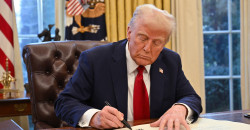
Trump’s repeated assertion that “the world is changing” now appears less rhetorical and more declarative, signaling what observers describe as the erosion of the post–World War II international order.
That shift was underscored by a recent executive decision to withdraw the United States from 66 international organizations, which the administration characterized as bureaucratic and hostile to US interests. One day later, Trump told The New York Times that restraint on his actions comes from personal moral judgment and rational calculation rather than adherence to international law.
Read more: Early 2026 global tensions raise fears of a newphase of proxy conflict
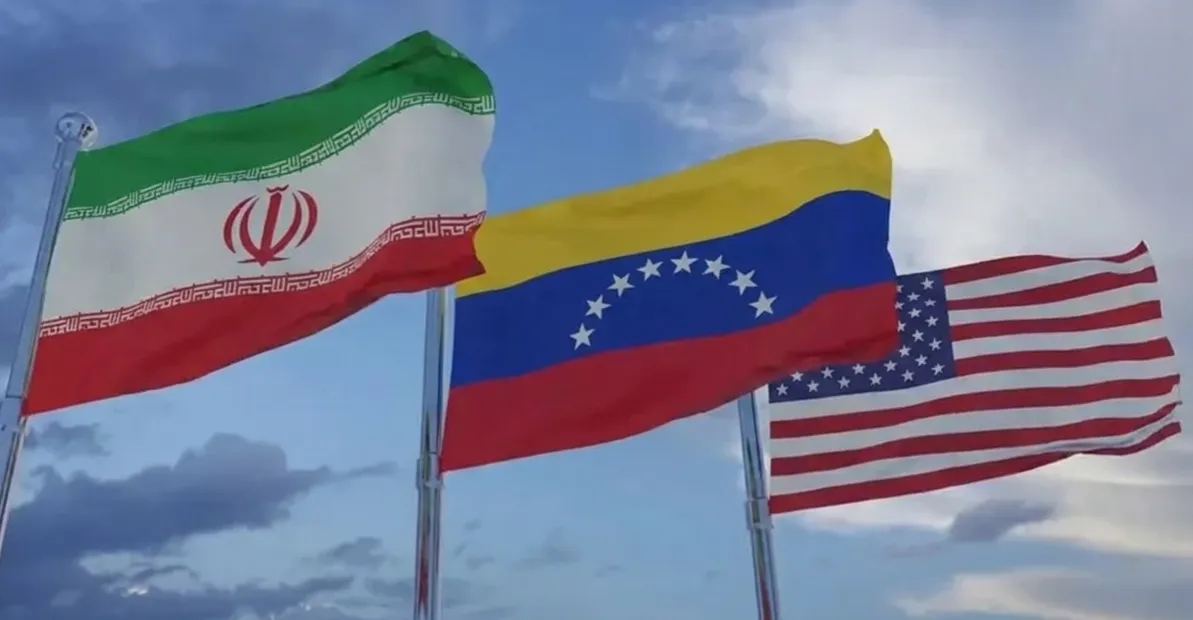
Venezuela and Iran in the Spotlight
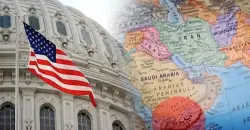
As major capitals assess the maritime blockade measures and oil seizures imposed on Venezuela, attention has increasingly turned to the Middle East, and specifically Iran.
For the third time since protests erupted in Iran —initially driven by economic grievances before evolving into political demands— Trump has warned Tehran that Washington would intervene forcefully if protesters are killed.
In discussions with Shafaq News, three prominent Washington-based experts outlined competing interpretations of this emerging global order.
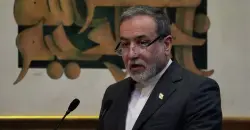
Thomas Warrick, a senior fellow at the Atlantic Council and former US deputy assistant secretary of homeland security for counterterrorism policy, rejected the notion of a direct replication between Venezuela and Iran. He explained that each file is handled by separate teams within the administration, with Venezuela falling under Western Hemisphere policy and Iran tied to nuclear and regional security concerns.
Read more:Iran’s protests between economic crisis and political contestation
Still, Warrick cautioned that this distinction does not translate into safety for Tehran. He noted that Trump, who holds broad authority over the US military, may bypass options such as naval blockades in favor of more severe measures if Iranian protesters face violent repression.
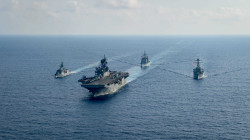
“One option under consideration could involve launching Tomahawk cruise missiles against Revolutionary Guard bases,” Warrick said, adding that despite the absence of a US aircraft carrier in the Gulf, naval vessels capable of carrying out such strikes remain deployed.
He also referenced the 2020 killing of Iran’s Quds Forces Leader Qassem Soleimani in an airstrike near Baghdad International Airport as evidence of Trump’s preference for unexpected choices from the Pentagon’s menu of options.
Logistical Constraints and Legal Arguments
Patrick Clawson, research director at The Washington Institute for Near East Policy, assessed the situation from a logistical standpoint. He suggested that the US Navy may be overstretched, arguing that intercepting Iranian vessels would be far more complex than targeting Venezuelan shipping.
However, Clawson maintained that legal justification for action against Iran already exists. He pointed to Tehran’s use of ships operating under false flags in violation of international regulations, arguing that such practices could render those vessels legitimate targets should Washington decide to overcome logistical hurdles.
Divisions Over International Law
Trump’s dismissal of international legal frameworks has deepened divisions among analysts.
Radwan Ziadeh, a researcher at the Arab Center, Washington, DC, warned that the United States risks shifting from a guarantor of international law to an obstacle to it.
He cautioned that sidelining global norms could embolden Russia in Ukraine and China in Taiwan by effectively permitting them to violate sovereignty. Clawson countered that view with sharp realism, noting, “breaches of international law long predate Trump.”
For Shafaq News, Mostafa Hashem, Washington, DC.