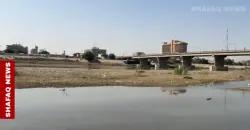
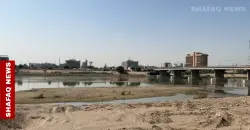
The Land of two rivers is running dry: A quiet calamity chokes Iraq
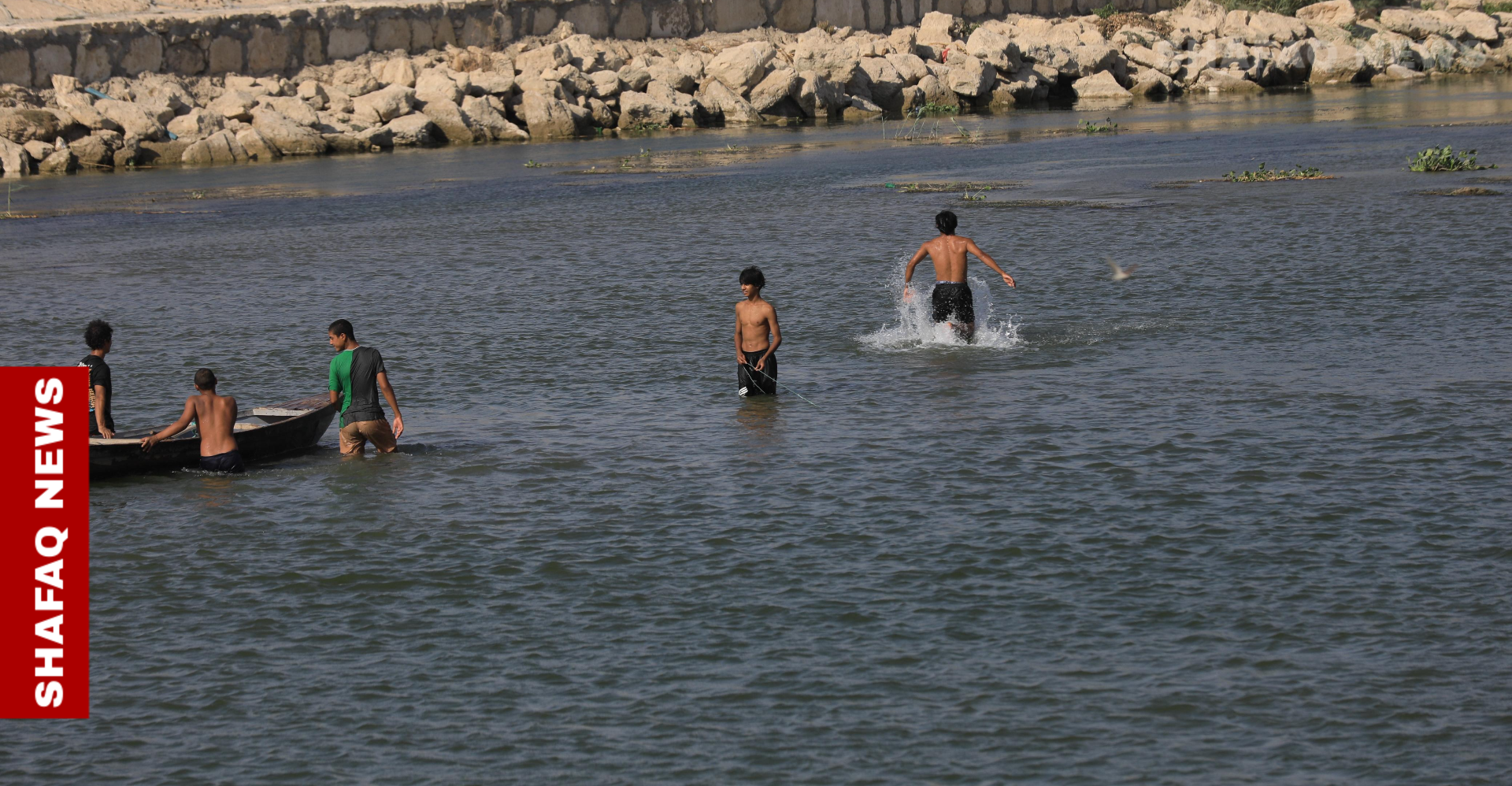


Shafaq News
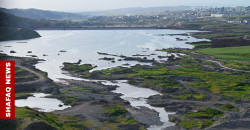
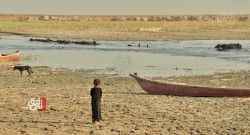
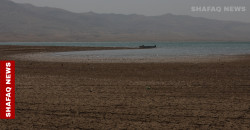
In the southern countryside of Iraq’s Al-Diwaniyah province, farmers are facing a growing crisis as parched soil and shrinking water supplies take a heavy toll on crops and livelihoods.
Abu Abbas, one of the region’s many farmers, captures the situation simply: his fields are cracking, the crops are withering, and the land is thirsty.
In his village south of Al-Diwaniyah, Abu Abbas stands before fields where irrigation water no longer reaches as it once did. He explained to Shafaq News that "crops are gasping their last breaths, and the limited water available barely suffices for irrigation."
A father of five, Abu Abbas is reconsidering his options, abandoning a lifetime profession and weighing a move to the city in search of work. "I cannot let my family starve. I had hoped for a good season, but everything has gone to waste."
The drought has already forced many farmers to leave their lands, abandoning livelihoods and threatening agriculture in regions once known as Iraq’s "food basket."
"If a quick solution is not found, everyone will be forced to leave the land, and many will have no choice but to migrate to cities in search of work," Abu Abbas warned.
Ignored Warnings
Experts emphasize that the crisis has been building for years. Water resources specialist Tahseen Al-Mousawi highlighted to Shafaq News that "drought does not happen suddenly."
The United Nations, he added, had issued early warnings about an impending water crisis in Iraq due to overuse and reduced water releases from neighboring countries.
A 2015 Ministry of Water Resources study estimated annual water inflows at 35 billion cubic meters, but a 2024 update reduced the figure to 20 billion. Al-Mousawi criticized the government’s performance, pointing out that "what has occurred over the past years are not real negotiations but mere talks, as they did not produce binding agreements. This is a major flaw in water management."
He stressed that urgent measures are needed, including suspending the summer agricultural plan, which consumes the most water, and eliminating pollutants that degrade remaining sources, warning that conditions could worsen in the coming months.
"Only a Quarter of the Share"
MP Ibtisam Al-Hilali, a member of the Parliamentary Committee on Agriculture, Water, and Marshes, described the situation as "a real crisis," noting Turkiey’s failure to meet agreed releases.
Speaking to Shafaq News, she revealed that "Turkiye has released only 200 cubic meters per second out of the 800 agreed upon previously. This amount is insufficient to meet the country’s needs."
She added that Iraq relies heavily on water from Turkiye, particularly as Iran faces a similar drought, low rainfall, and a lack of sufficient dams to store water.
While the Iraqi government has taken steps to prevent river encroachments, reduce water waste, and adopt modern irrigation systems such as closed-pipe watering, Al-Hilali described these measures as "insufficient," particularly with a population exceeding 45 million and average daily water consumption of 250 to 300 liters per person.
"We need a new water agreement, with the use of commercial leverage and suspension of exchanges with Turkiye if necessary," she urged, calling for the swift enactment of a law establishing the National Supreme Water Council under the Prime Minister’s authority, further granting enforceable power to water policies.
Towards a Structural Crisis
Economists also warn that Iraq’s water crisis has moved beyond an environmental or agricultural issue and now poses a direct threat to the national economy.
Ahmed Eid explained to Shafaq News that "water scarcity and declining inflows, coupled with inconsistent agricultural policies, have reduced cultivated areas and cut local production of essential crops."
He also warned that if the situation persists, the economic impact could be severe, including higher import costs, greater pressure on the national budget, and rising unemployment and poverty—particularly in rural areas.
"The government must reform water management, support local producers, and adopt sustainable policies that align resources with population needs," Eid concluded.
Written and edited by Shafaq News staff.