Sewage turns displaced Gazans’ lives into a fight for survival


Shafaq News
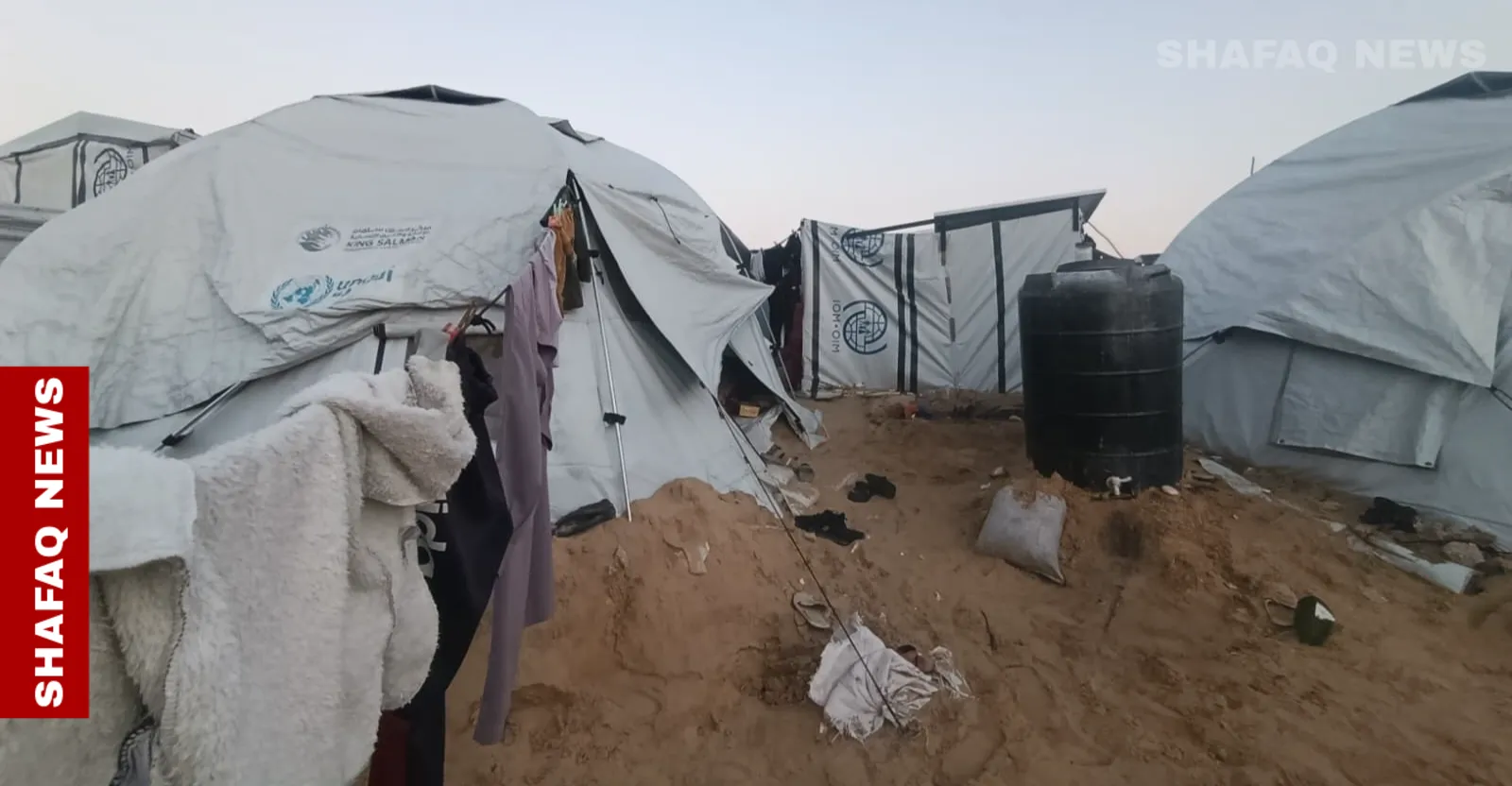
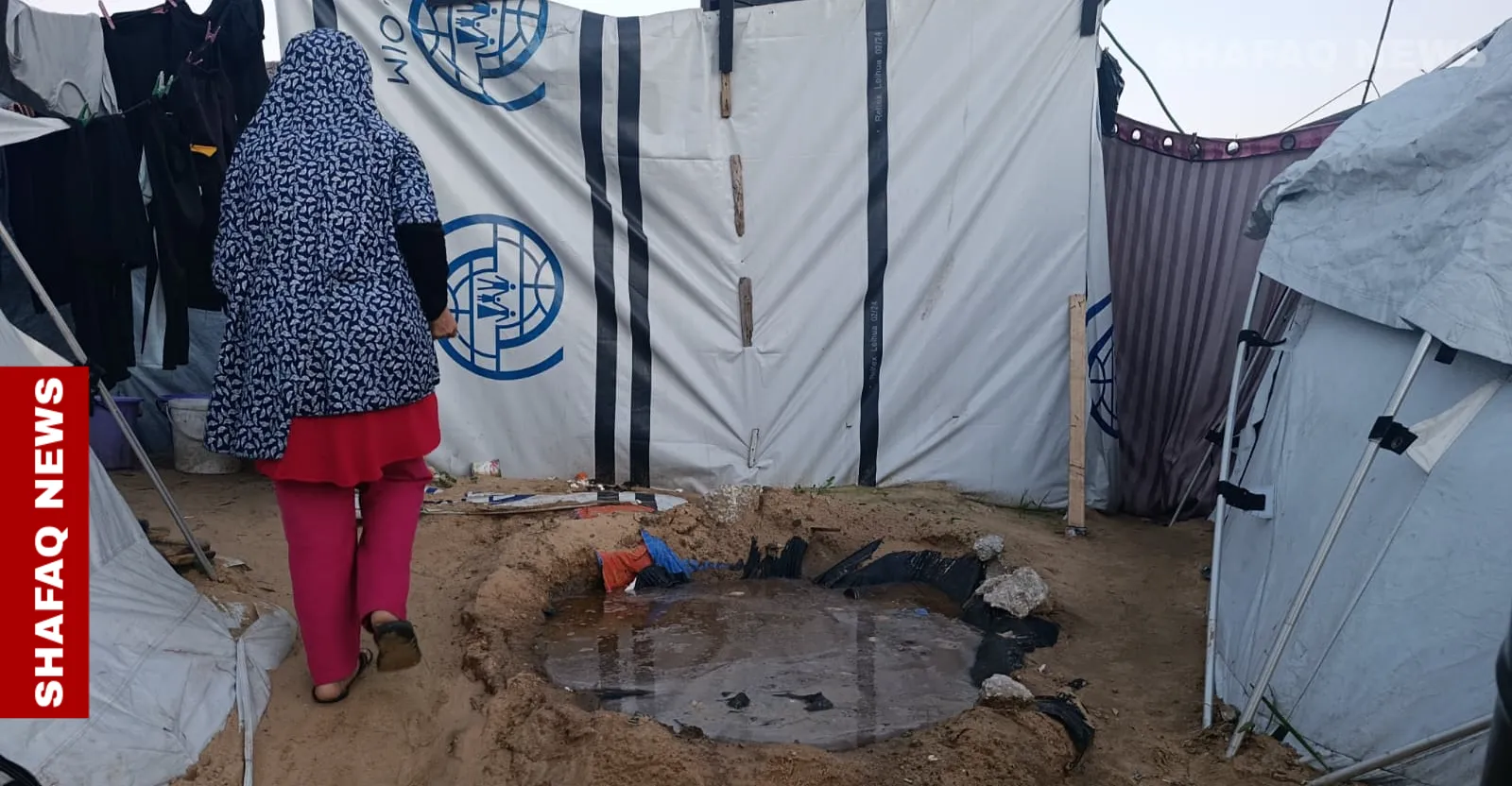
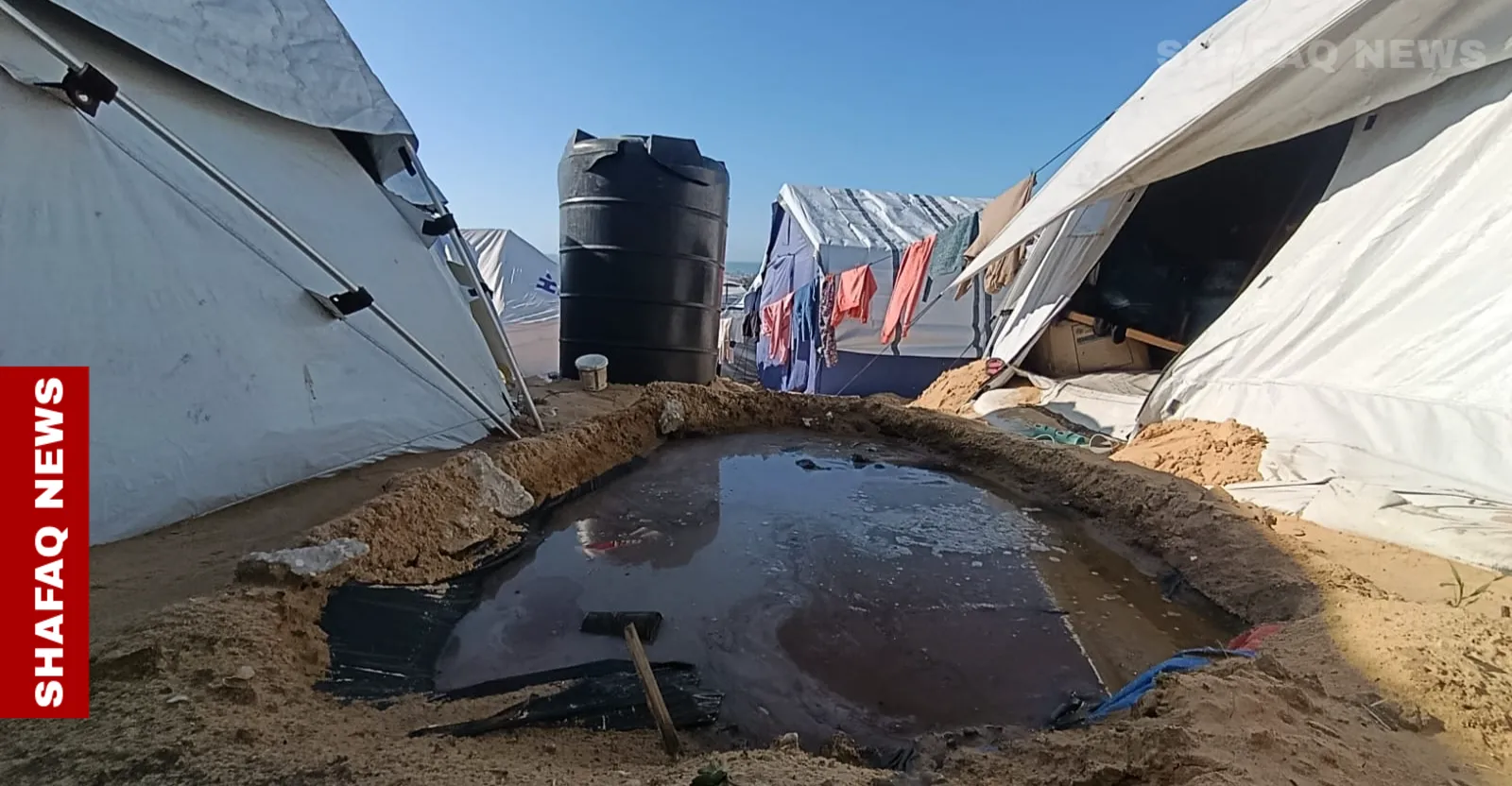
Beside their fragile tents, displaced families in Gaza dig shallow pits to drain sewage, close to where children sleep and eat, turning daily survival into a constant gamble with disease and death.
These pits conceal a silent danger, allowing sewage to seep
into soil and groundwater. In the Mawasi area of Khan Younis, tents stand just
meters from open contamination points, where sewage has become part of daily
life and a stark sign of collapsing public health conditions. As many of these
pits are dug beside water sources used for drinking and household needs,
pollution has become unavoidable for hundreds of thousands of families.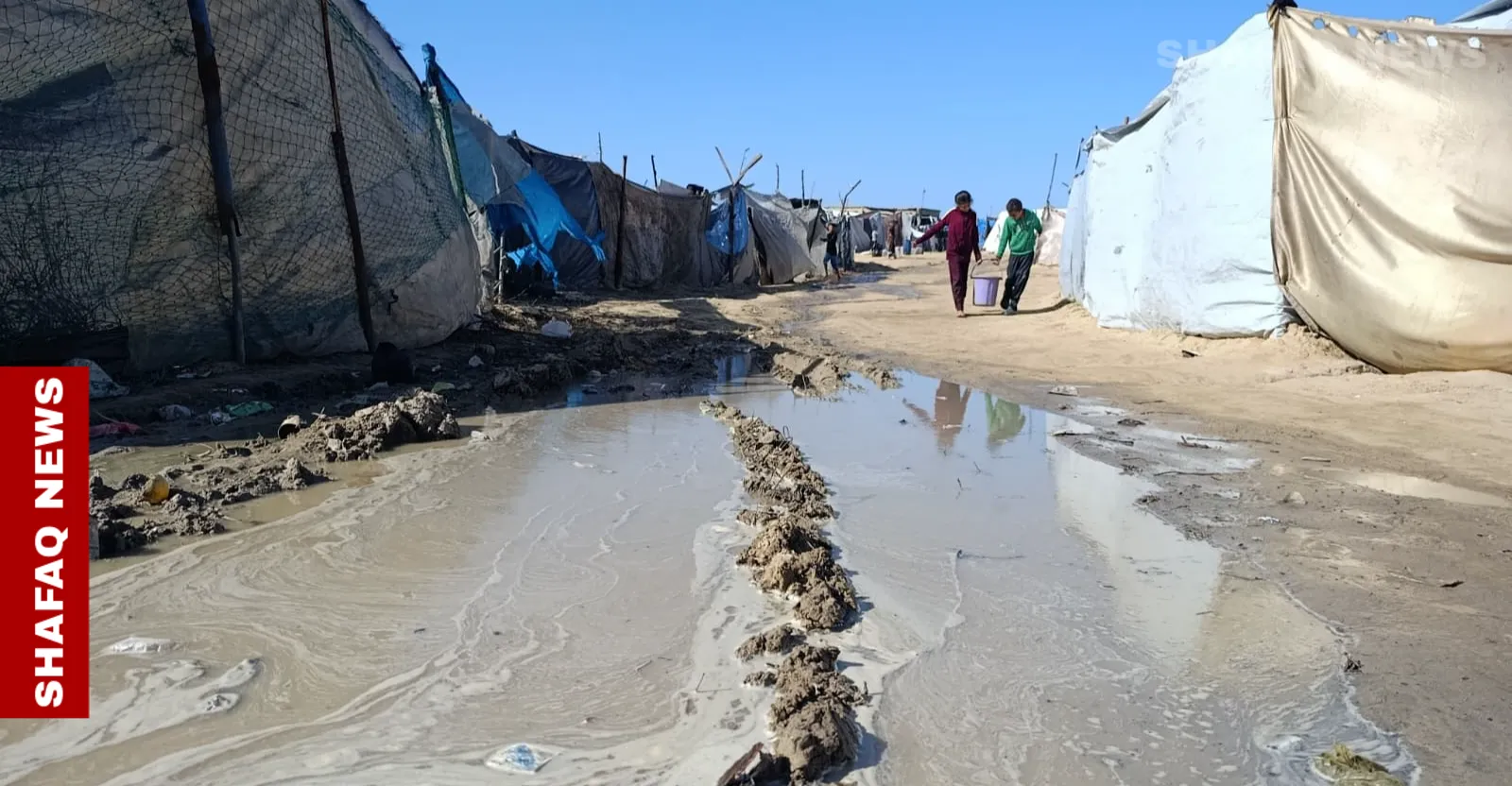
Umm Bahaa Issaid, 60, stood beside a sewage pit dug just steps from the entrance of her tent to dispose of wastewater, her voice heavy with fear. “I worry that I could fall into it at any moment,” she told Shafaq News. She recalled, with visible distress, the moment her 11-year-old granddaughter slipped into the pit, before neighbors and young men rushed to pull her out.
Displaced resident Omar Al-Minyawi said that “families now
live directly alongside these pits without any real barriers,” noting that all
his grandchildren contracted infectious diseases such as jaundice and
hepatitis, in addition to severe abdominal illnesses caused by contaminated
drinking water.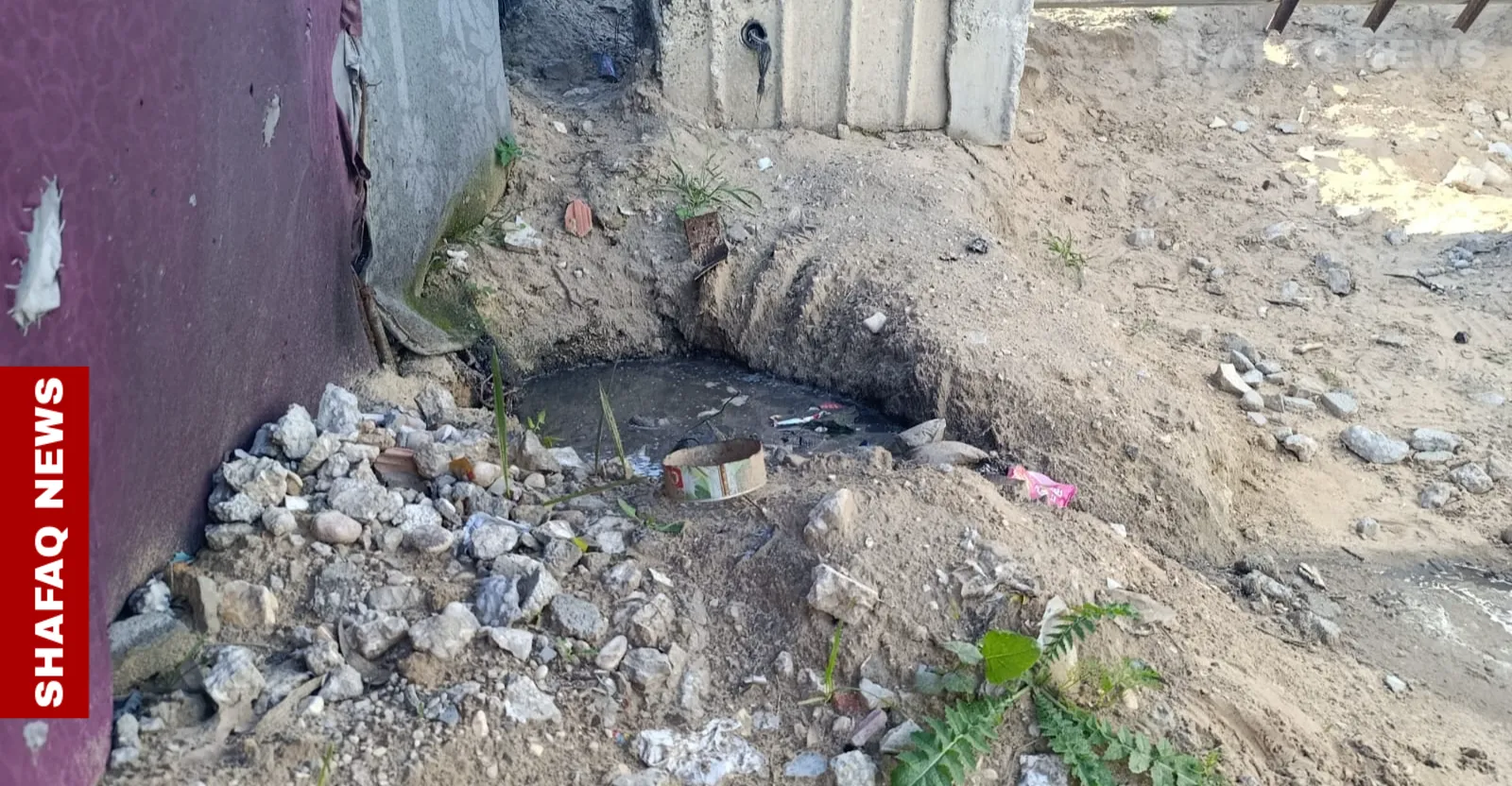
A Threat To Health and Environment
According to the Head of the Water and Sanitation Monitoring Department at the Palestinian Ministry of Health, Saeed Al-Aklouk, pits have become an unavoidable solution that residents resort to for disposing of wastewater after Gaza’s sewage network collapsed due to the war and the destruction of pumping stations.
Typically dug to depths of two to three meters, depending on
soil conditions, the holes pose a dual threat. Direct risk to life: Children
and the elderly face the risk of falling into uncovered pits, particularly amid
repeated displacement and the abandonment of pits without proper sealing.
Environmental and health risk: The pits act as direct injections of raw
wastewater into the groundwater aquifer, carrying viruses, bacteria, and
parasites, significantly increasing groundwater contamination.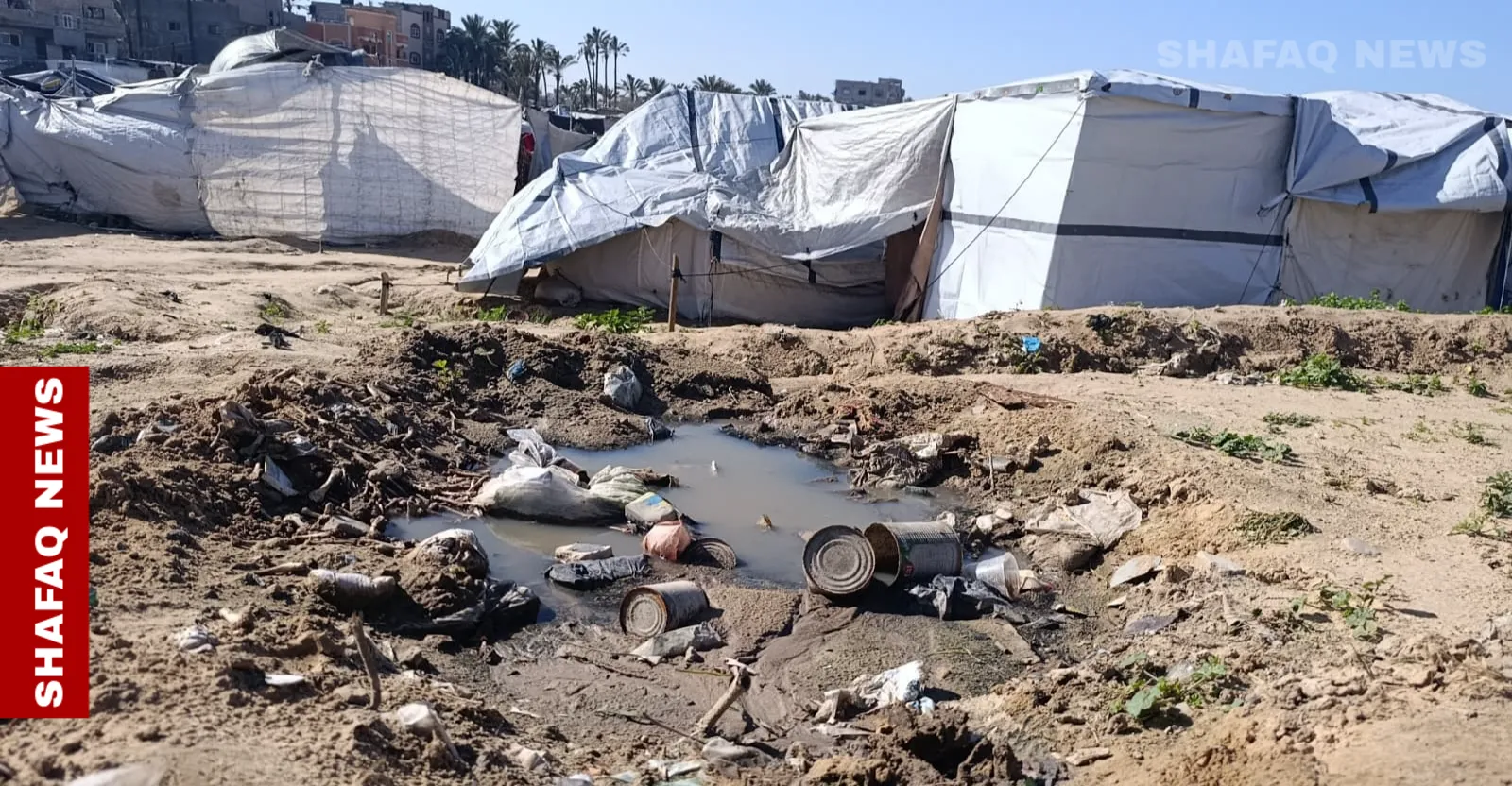
“Accurately counting these pits remains extremely difficult due to the lack of logistical capacity, repeated displacement, and the filling up of pits,” Al-Aklouk indicated; however, he estimated their number at approximately 500,000 during successive waves of displacement. The spread of these holes has increased microbiological contamination in the groundwater aquifer by about 25%, creating fertile conditions for the spread of diseases such as polio and cholera, with a risk of rising mortality rates if any outbreak occurs.
On potential solutions, Al-Aklouk stressed that temporary fixes no longer work, pointing out that a lasting solution must begin with rehabilitating and extending sewage networks, operating and maintaining pumping stations. Calling for coordinated Arab and international efforts to “rebuild Gaza’s sewage system,” he revealed that “around 99% of homes were connected to the network before the war, while today more than 90% of areas lack services,” underscoring the need for urgent action to restore the system in full as quickly as possible.
Written and edited by Shafaq News staff.