Public opinion is absent from the Anfal crimes anniversary


Shafaq News
By Ali Hussein Feyli
Although the memory of Iraqis is burdened with disasters and bloody tragedies, they rarely express them with collective awareness or in public. Bitter experiences have taught them that reviving such memories could be exploited politically by certain parties.
Every year, the anniversary of the Anfal campaigns launched by Saddam Hussein’s regime against the Kurds passes without genuine engagement from Iraqi public opinion. The reason lies not in a weak collective memory but in official policies that have deliberately employed these occasions while ignoring their national and humanitarian dimensions.
Successive governments, along with their media apparatuses, have adopted a political discourse stripped of moral content, causing confusion and apathy among the people. This performance has weakened trust and deepened divisions to the point that mourning for an Anfal child has become rare, and some have even gone as far as justifying the crime or praising the perpetrator.
Had media policies over the past two decades been more professional and just, Iraqis of all backgrounds would today be at the forefront of those crying out against the Anfal crimes and other massacres. But the selective narrative and political exploitation have obscured the story, disappointed the public, and embarrassed state institutions.
More than four decades have passed since the massacres committed by the Ba’ath regime against Kurdish villages and towns under the banner of "Anfal." Yet official stances remain lackluster, and society lacks a true moral compass. Although the Supreme Criminal Court recognized the Anfal as a crime of genocide, that recognition failed to build a firm societal awareness or prevent similar future catastrophes. Even the global public only came to grasp the gravity of what occurred much later—because we failed to tell the truth in its proper time.
Sociologists understand that neglecting such memories or approaching them coldly weakens the collective conscience and causes dangerous moral dysfunction in society. True commemoration of these events does not come through official statements but through reviving awareness and involving generations in understanding what happened and why it happened.
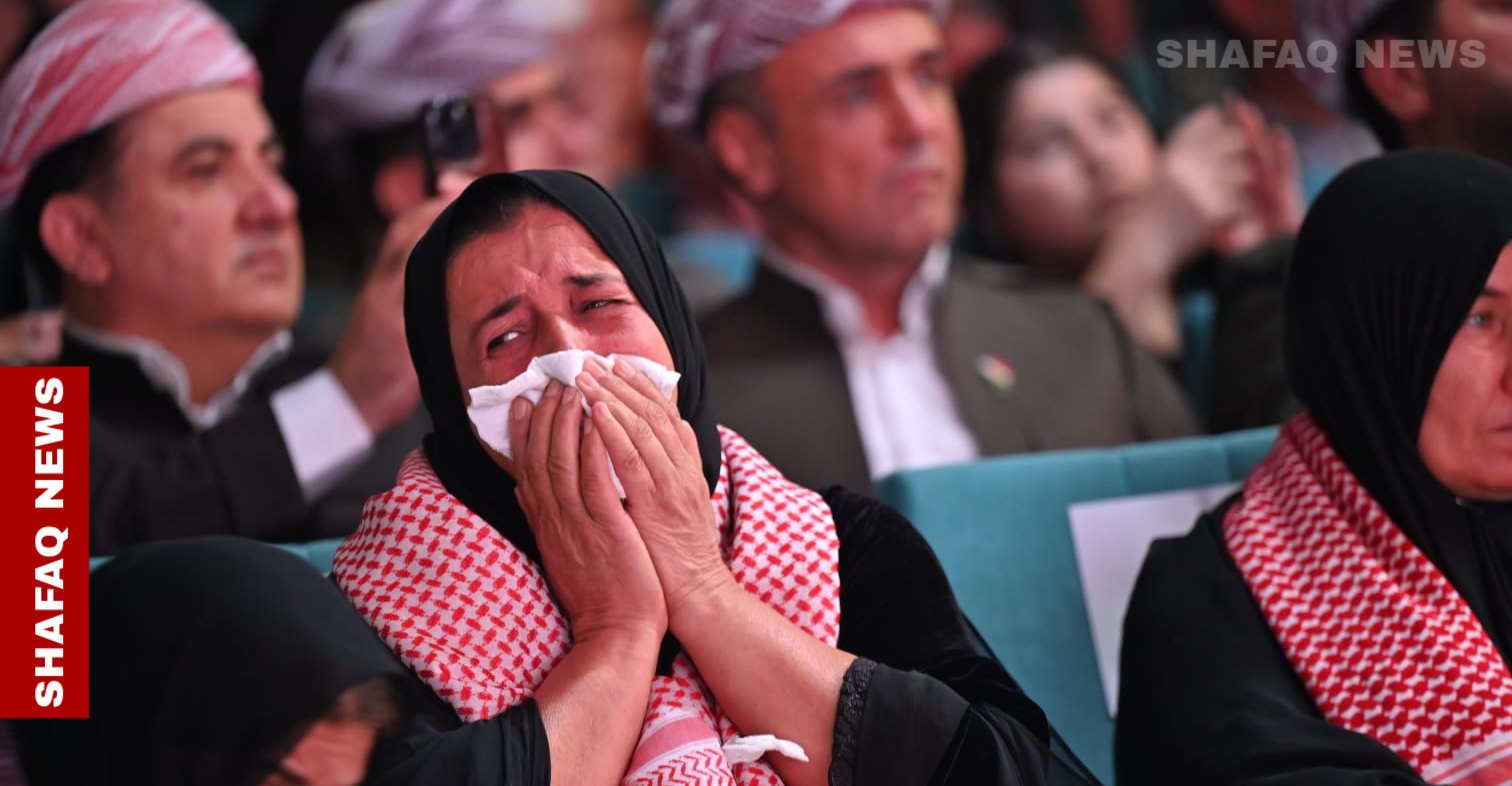
What is lost today is not merely a historical event, but a precious moral and human capital. The moral exhaustion has reached a point where society can no longer bear to look at images of the victims or comprehend the horror of the crime. This poses a serious threat to the identity and social fabric of the country.
Perhaps the deliberate neglect of the anniversary of the Barzani Anfal this year is a glaring example of this absence. There are no sufficient justifications for erasing this tragedy from public awareness, because the collective memory only thrives when citizens feel that it concerns them—that it lies at the heart of their cause.
Commemorating this anniversary does not mean inflating the number of victims, but pausing to understand how the Kurds reached that moment in history, and what must change to ensure it does not happen again. The loss of social trust capital has worsened today, and officials must recognize the value of these occasions as gateways to restoring national unity.
The Anfal is not merely a Kurdish tragedy—it is an Iraqi catastrophe par excellence. It deserves to be embraced by all components of the Iraqi people, not as a sad memory, but as a cry of conscience against tyranny, whose echo should be heard in Basra, Al-Anbar, Nineveh, and every corner of this land—a roadmap toward a future where justice is never forgotten.
This article was originally written in Arabic.