Protectors or intimidators? The legacy of Iraq’s Shagawat


Shafaq News
Long before the expansion of Iraq’s modern security institutions, the “Shagawat” stood among the most influential figures in neighborhood life —men remembered by some as protectors who settled disputes and defended local markets, while others recall them as symbols of intimidation, street violence, and informal power.
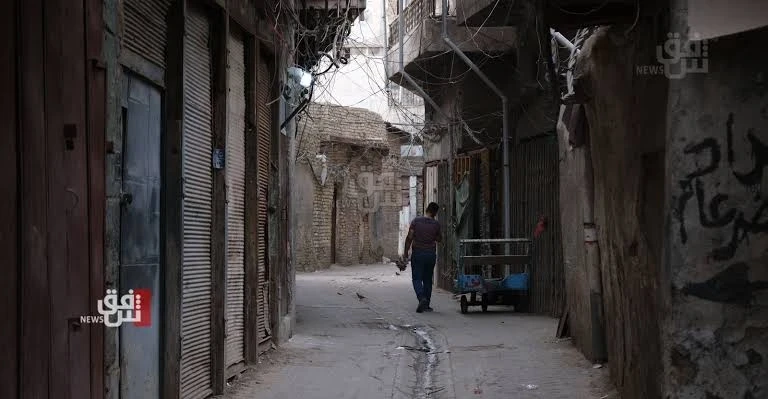
The phenomenon became increasingly visible during the 1930s and 1940s, when Baghdad and other Iraqi cities expanded rapidly under waves of migration from rural areas. Working-class neighborhoods grew faster than municipal services and security institutions, creating spaces where local strongmen gained influence through personal reputation, physical strength, and close ties to their communities.
Researcher Dr. Abdul Karim Khalafiya linked the rise of the Shagawat to those shifting urban conditions, where weak state presence allowed alternative forms of authority to emerge inside crowded districts.
“There was never one fixed model for the Shagawah,” Khalafiya noted. “Their role differed from one area to another according to the social environment and the strength of state institutions.”
In some neighborhoods, residents relied on such figures to mediate disputes, recover stolen property, or intervene before local tensions escalated. In others, rivalries between Shagawat fueled violent confrontations that deepened instability inside densely populated districts.
Their influence often extended through Baghdad’s coffeehouses and tightly connected alley networks, where social and political relationships shaped daily life in many traditional neighborhoods.
Among the areas most closely associated with the phenomenon was al-Ardha district in Baghdad, where several names remained embedded in popular memory, including Sayyid Naji Hashim al-Baldawi, Sayyid Hassan Karim al-Atrash, Sayyid Ali Shaib, and Sayyid Jumaa Shanin al-Saadi.
As Iraq’s state institutions gradually expanded, the influence of the Shagawat began to recede, though their image survived through oral history, neighborhood storytelling, and later through Iraqi television dramas. That memory still resonates with many Iraqis who witnessed later phases of the phenomenon.
Writer and journalist Moayyad Mohammed Qadir recalled personally knowing several figures associated with the Shagawat during the 1980s and 1990s. Frequent meetings with some of them, he recalled, revealed personalities that often differed from the stereotypes surrounding their reputation.
For Qadir, the phenomenon reflected the realities of the periods in which it emerged, particularly during times of economic hardship and weakened institutional control. Similar figures, he argued, could reappear in different forms under comparable conditions today, though far removed from the traditional image associated with Iraq’s older districts.
Kirkuk police, however, maintain that no such structures currently exist in the province.
“Cooperation between citizens and security forces remains essential for maintaining stability,” Kirkuk Police Command spokesman Amer Nuri al-Shwani urged, calling on residents to report suspicious activity and violations that could threaten public order.
Al-Shwani credited the disappearance of such manifestations to strict law enforcement measures and expanded security deployment across the province, adding that current security assessments show no indication of organized Shagawat-style structures operating in Kirkuk today.
Though the traditional image of the Shagawah has largely faded from Iraqi streets, memories of those figures continue to reflect a period when many communities relied on informal authority to fill gaps left by an absent or weakened state.
Written and edited by Shafaq News staff.