Iraq’s plastic piles grow: Activists face stigma


Shafaq News
Community-based initiatives in Iraq continue to face stigma and limited institutional support as they attempt to address the country’s worsening plastic waste crisis.
In Mahmudiya, south of Baghdad, activist Ahmed Al-Khalidi and a group of volunteers collected plastic bottles for a recycling center throughout 2022 but encountered public ridicule rather than encouragement. “They called us ‘the trash people’,” he told Shafaq News, referring to the derogatory local term (ahl al-zebel) used for those who handle waste.
In February last year, the Female Journalists for Climate organization also launched a campaign under the slogan “Recycling Creates Change” to collect one million empty bottles, aiming to raise public awareness and press authorities to invest in sustainable waste systems.
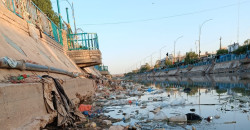
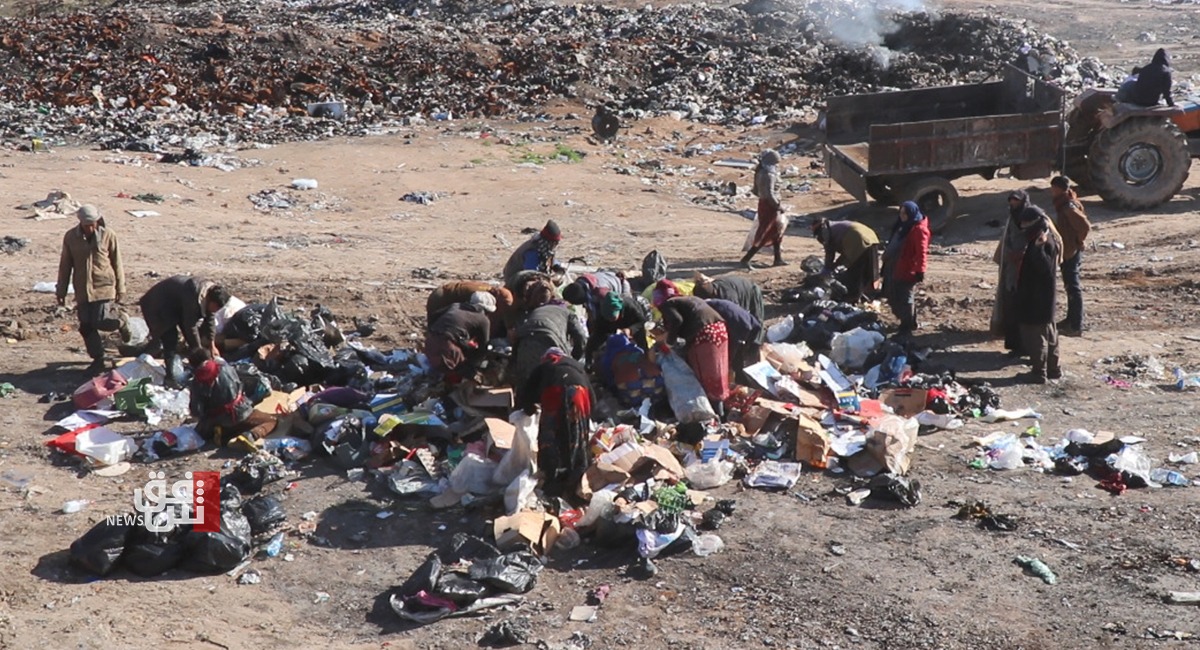
These efforts come amid Iraq’s growing waste crisis, particularly in plastic pollution. Discarded materials — from nylon bags and water bottles to food wrappers — continue to pile up across streets, riverbanks, and farmland, contaminating the environment and endangering public health. Experts estimate the country produces around 32,000 tons of waste daily, including approximately 600 tons of plastic.
Haider Raed Al-Rashad Al-Rubaie, Director of the Haqb Foundation for Relief and Labor, calculates that plastic accounts for nearly 17% of Iraq’s daily refuse. “Most of it comes from household items, industrial packaging, and single-use shopping bags,” Al-Rubaie told our agency, highlighting that Baghdad alone produces 12,000 tons of trash daily, with most of it neither recycled nor converted into energy.
He warned that plastics can persist in nature for up to 200 years, or even 500 years if buried, while burning them releases toxic gases, including dioxins and furans that damage air and soil quality. He criticized municipal authorities for outdated recycling systems and failing to sort waste at the source.
Beyond the visible litter, plastic pollution carries chemical hazards. Many plastics release compounds that seep into food and water supplies; bottles left in the sun, for example, can leach harmful substances into drinking water. Researchers have linked exposure to plastics with cancer, hormonal disruption, and respiratory diseases.
Environmental specialist Salahuddin Al-Zaidi noted that Iraq recycles barely 20% of its plastic waste, with the remainder accumulating in landfills or ending up in rivers. “The best solution is to shred and reuse certain plastics,” he stated in an interview with Shafaq News, encouraging authorities to establish a national recycling strategy, phase out single-use plastics, and promote safer alternatives.
While Iraqi authorities have introduced limited measures — including partial bans on certain single-use plastic bags in government facilities and schools — environmental activists argue these policies are inconsistent and poorly enforced.
Written and edited by Shafaq News staff.