Nouri Al-Maliki: A name that still divides and tests the politics of memory


Shafaq News
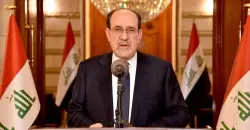
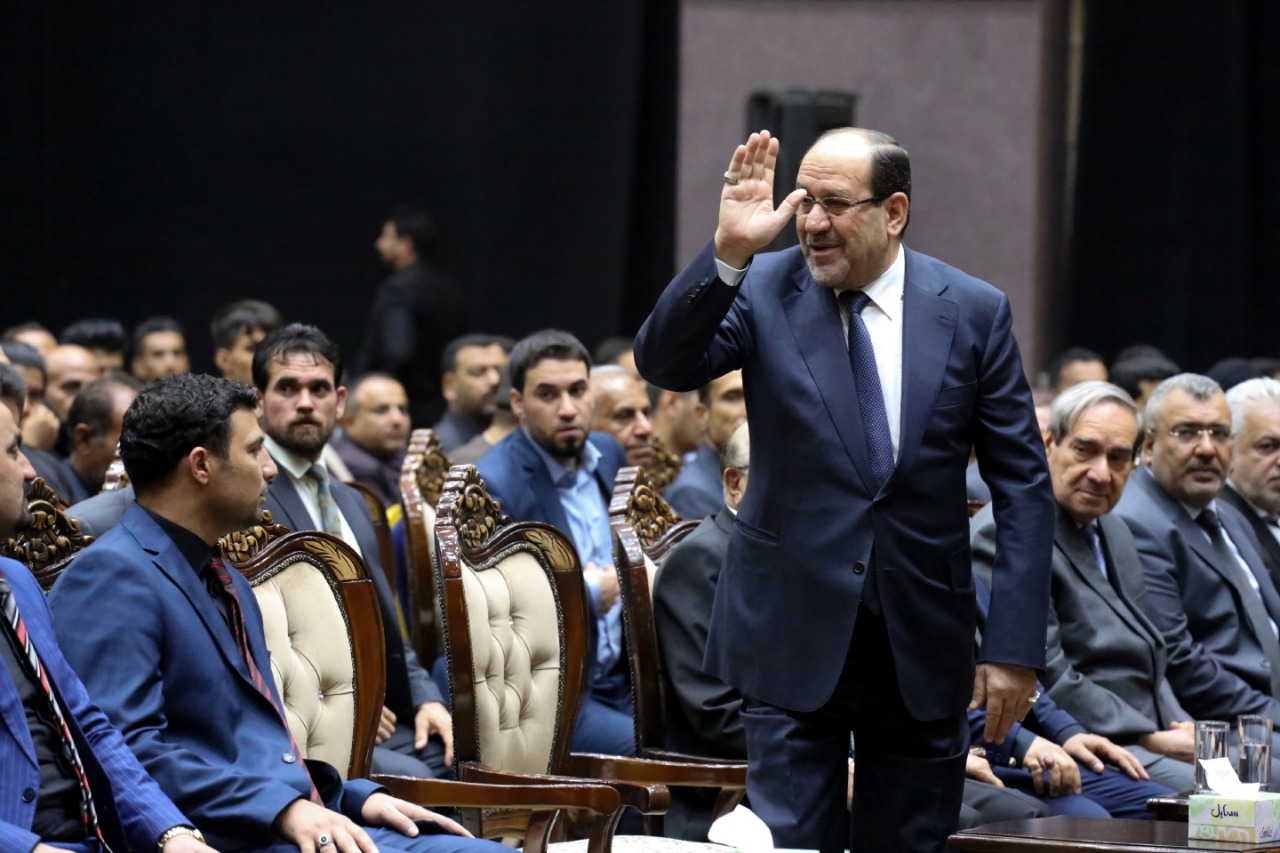
For three days, Iraqi social media has churned with claims that the Shiite Coordination Framework has settled on former Prime Minister Nouri Al-Maliki as their preferred candidate for the next government, fueling speculation about a possible third term despite the absence of any official confirmation.
الثمانينات الميلادية :هادي العامري ، نوري المالكي ، قاسم الأعرجي وعدد من القيادات العراقية ، قاتلوا في صفوف إيران ضد الجيس العراقي . —قبل قليل نفس هذه القيادات:—يهنئون الجيش العراقي بمناسبة الذكرى الواحدة بعد المئة لتأسيسه. pic.twitter.com/LL7dcWE62R
— حسين الغاوي (@halgawi) January 6, 2022
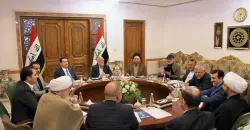
The online wave peaked today after parallel “leaks” and political chatter suggested progress inside the Framework’s consultations, alongside circulating claims that Caretaker Prime Minister Mohammed Shia al-Sudani had stepped back from the race. None of the involved parties has issued a formal statement confirming an agreement, leaving the episode suspended between rumor and political signaling.
Yet the speed and scale of the reaction have turned the allegation itself into an event, less a test of Al-Maliki’s prospects than a snapshot of how Iraq’s political competition increasingly unfolds: through memory, symbolism, and digital mobilization, often ahead of institutional process.
Monitoring of the platforms where the discussion concentrated —especially TikTok, Instagram, and X— shows thousands of posts and edited clips, many exceeding 100,000 views, driven largely by students, self-identified analysts, and ordinary users rather than officials. A key marker of the surge was the Arabic hashtag #نوري_المالكي, which helped aggregate competing narratives into a single, fast-moving feed.
📍 أدرك الوجه الخفي لنوري المالكي — رئيس وزراء أم مُدمّر وطن؟ 🇮🇶🚨‼️ أرقام لا تُصدق من سنوات حكم نوري المالكي (2006–2014):🔻 أكثر من 1,200 عالم وأكاديمي عراقي اختفوا أو تم تصفيتهم🔻 نهب أكثر من 350 مليار دولار من ثروات العراق — كافية لإعادة بناء أوروبا الشرقية كاملة!🔻 زرع… pic.twitter.com/XyzCMniO4I
— أدرك ـ باب المعرفة (@Adrik_Inc) November 14, 2025
The content followed two dominant formats: short video montages and meme-style edits. Some clips inserted Al-Maliki’s image into mourning rituals and elegiac recitations to convey symbolic “grief” in a sarcastic or protest register. Other edits flipped the symbolism, packaging “return” as a restoration of state authority with enthusiastic chants and music.
This is not a minor stylistic detail, because in Iraq, it reflects a political environment where emotional shorthand travels faster than policy debate, and where viral symbolism can shape perceptions of momentum even when formal negotiations remain opaque.
Iraq’s premiership is not won by viral sentiment. It is produced through coalition bargaining inside a fragmented parliament and a post-election process that can stretch for months.
Read more: Ayatollah Al-Sistani reiterates non-intervention in Iraq’s prime minister choice
In the November 2025 parliamentary election, al-Sudani’s bloc, the Development and Reconstruction, won the largest share of seats —46 out of 329— but fell short of a majority, meaning it still needs partners to form a government. Al-Maliki’s State of Law coalition won 29 seats, placing it among the biggest Shiite blocs but also far from the numbers required to secure the premiership alone.
العراق اليوم بحاجة للزعيم نوري المالكي..نسأل الله سبحانه وتعالى أن يوفّقه ويسدد قراراته..و الحمدلله على جزيل نعمه.🇮🇶🇮🇶🇮🇶🇮🇶🇮🇶🇮🇶🇮🇶🇮🇶🇮🇶🇮🇶🇮🇶🇮🇶🇮🇶🇮🇶🇮🇶🇮🇶🇮🇶🇮🇶🇮🇶🇮🇶🇮🇶🇮🇶
— اياد جمال الدين (@Ayadjamaladdin) January 10, 2026
The same election underscored Iraq’s enduring legitimacy debate: official turnout was reported at 56.11%.
In practice, that means the “street,” the “platforms,” and the “parliament” often operate in parallel, each claiming a mandate, none fully decisive.
Against that backdrop, the current rumor’s political power lies in what it activates: an unresolved argument over Iraq’s 2006–2014 era and what it represents —state authority for some, state failure for others— regardless of whether Al-Maliki is actually nominated.
Al-Maliki’s two terms (2006–2014) remain among the most contested periods in Iraq’s post-2003 history, and the online reaction follows a familiar pattern: supporters highlight narratives of order, institutional strength, and confrontation with militant threats; opponents respond by reopening files of violence, protest crackdowns, and political exclusion, often attaching casualty figures and sweeping accusations.
Much of this content, however, is not presented with documentation in the posts themselves. Lists of alleged incidents and numbers circulate as political claims rather than verified records, and their spread illustrates a central point: Iraq’s political memory is frequently curated in fragments, assembled and weaponized for the needs of the present moment.
This dynamic becomes especially potent because the era ended at a national breaking point. In June 2014, ISIS seized Mosul during a rapid offensive that exposed severe institutional weaknesses and set off a cascade of political and security shocks.
Two months later, under intense domestic and international pressure, Al-Maliki dropped his bid for a third term and backed Haider al-Abadi in mid-August 2014, closing one chapter but leaving the debate over responsibility unresolved.
That unresolved argument is why even an unconfirmed nomination rumor can instantly polarize Iraq’s digital space: the public is not debating a procedural step; it is re-litigating a foundational period.
#العراق لا يعاني من قلة التجارب ولكن من تكرارها. نحن بحاجة لرجال دولة مخلصين يؤسسون مشرع حياة، ولا يرون في البلد مشروع سلطة فقط.!#نوري_المالكي حكم لثماني سنوات (2006-2014) في زمن المال والفرص، ولم يصنع دولة بقدر ما صنع أزمات فتكت بالبلد وتركته بلا مناعة.فواتير ثقيلة لا يزال…
— عمر السامرائي (@jouromr) January 11, 2026
A separate track in the online discussion has revived the long-standing rivalry between Al-Maliki and the head of the Patriotic Shiite Movement, Muqtada al-Sadr. The current spike has not been driven by any new statement from Al-Sadr; rather, the absence of a position has been interpreted and repackaged by users in competing ways, some portraying Sadrists (PSM) as anxious about an Al-Maliki return, others framing them as ready to mobilize.
The debate also resurrected the 2008 Basra episode widely known as the “Charge of the Knights,” which many Iraqis recall as a pivotal security operation and a turning point in intra-Shiite power relations. Here again, the key is not a new development but the ease with which older fault lines can be reopened, especially when the trigger is a name that functions as a political symbol.
One of the most recurring arguments among supporters is economic comparison: claims that salaries were stronger and conditions more stable during Al-Maliki’s years. The counter-narrative returns to insecurity and violence, rejecting any nostalgic framing.
To treat this dispute well, it is necessary to separate perception from structure. Iraq’s fiscal capacity expanded dramatically during parts of Al-Maliki’s tenure, driven by oil revenue in a high-price era, and state spending grew accordingly. In 2013, for example, government expenditure totaled IQD 138.4 trillion (about $118.3 billion), according to a widely circulated budget background paper.
But higher spending does not automatically translate into better governance outcomes, and the lived experience of that period varies sharply across communities, provinces, and political alignments.
The point is that “economic nostalgia” often rides on macro conditions —oil prices and public payroll expansion— while “security memory” rides on the daily experience of instability. Both can coexist in the same society, intensifying polarization when leadership rumors resurface.
Whether or not the rumor proves true, the episode clarifies how Iraqi politics now operates in two arenas at once: The institutional arena, where bargaining and coalition arithmetic determine government formation, and the narrative arena, where viral symbolism and selective memory can manufacture momentum, raise the costs of compromise, and pressure factions into hardened positions.
In the short term, the storm increases the political sensitivity of any name floated for the premiership —particularly figures tied to contested chapters— because it forces parties to weigh not only parliamentary numbers but also the backlash potential of the “memory vote.”
In the medium term, it reinforces a strategic reality: Iraq’s next prime minister —whoever he is— will inherit a country where legitimacy is contested not only through elections and coalitions but also through platform-driven narratives that can peak within hours, outrun verification, and leave lasting political residue.
No Coordination Framework statement has confirmed Al-Maliki's nomination, and Al-Maliki’s office has not endorsed the circulating claims. But the speed of the reaction, thousands of posts, six-figure video views, and a unifying hashtag, shows why Iraq’s government-formation season is no longer confined to closed meetings.
Read more: Nouri Al-Maliki sets terms for Iraq’s next premier
In today’s Iraq, a premiership rumor can become a referendum on the past before the first official word is even spoken.
Written and edited by Shafaq News staff.