Lost trades of Baghdad: A glimpse into the city's vanished professions


Shafaq News/ Over the centuries, Baghdad has been home to countless traditional trades and crafts that once formed an essential part of daily life. However, with technological advancements, many of these professions have faded into history.
Although no longer visible in modern society, these trades remain deeply ingrained in Iraq’s cultural memory, evoking nostalgia for a simpler time.
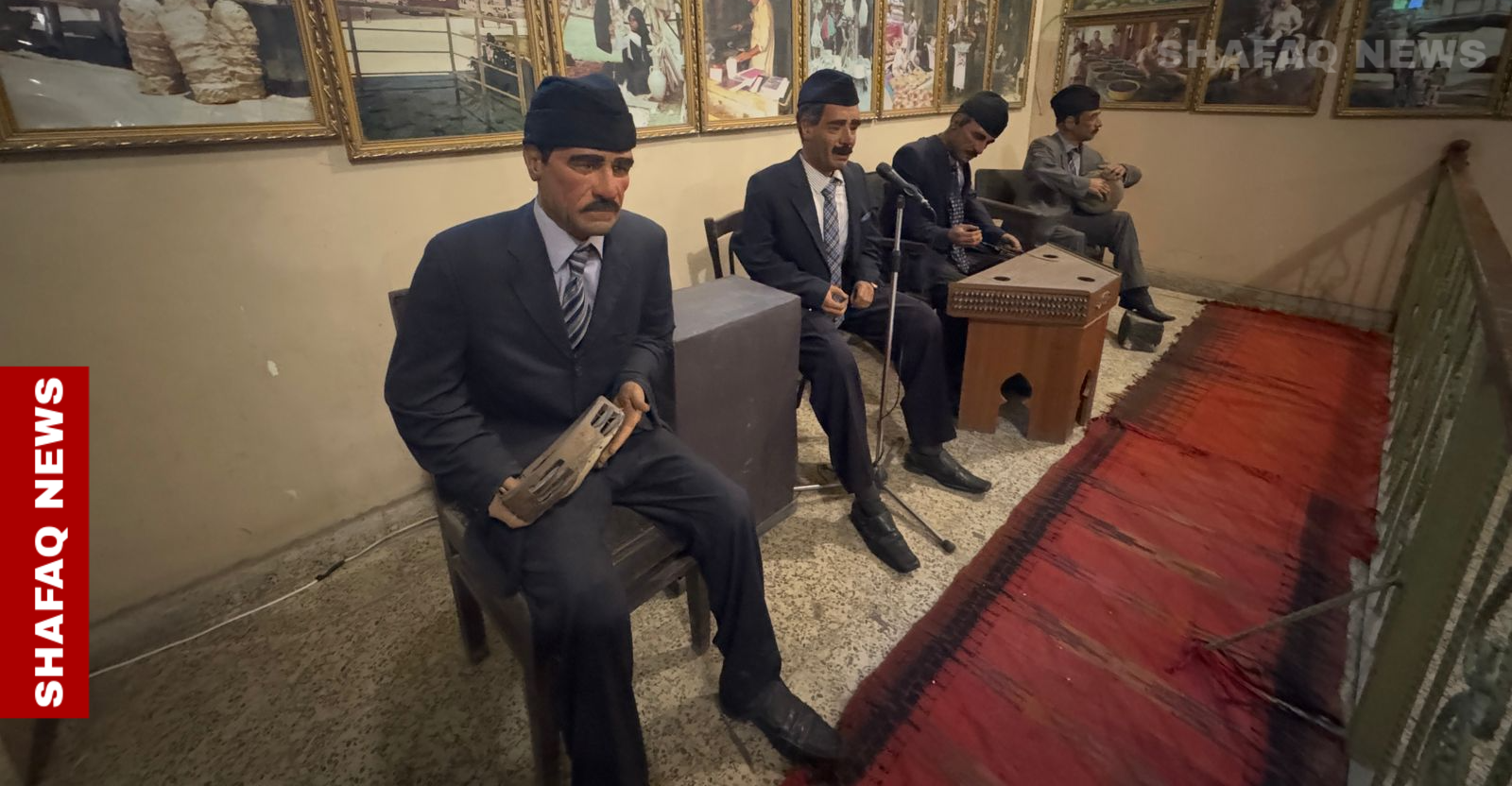
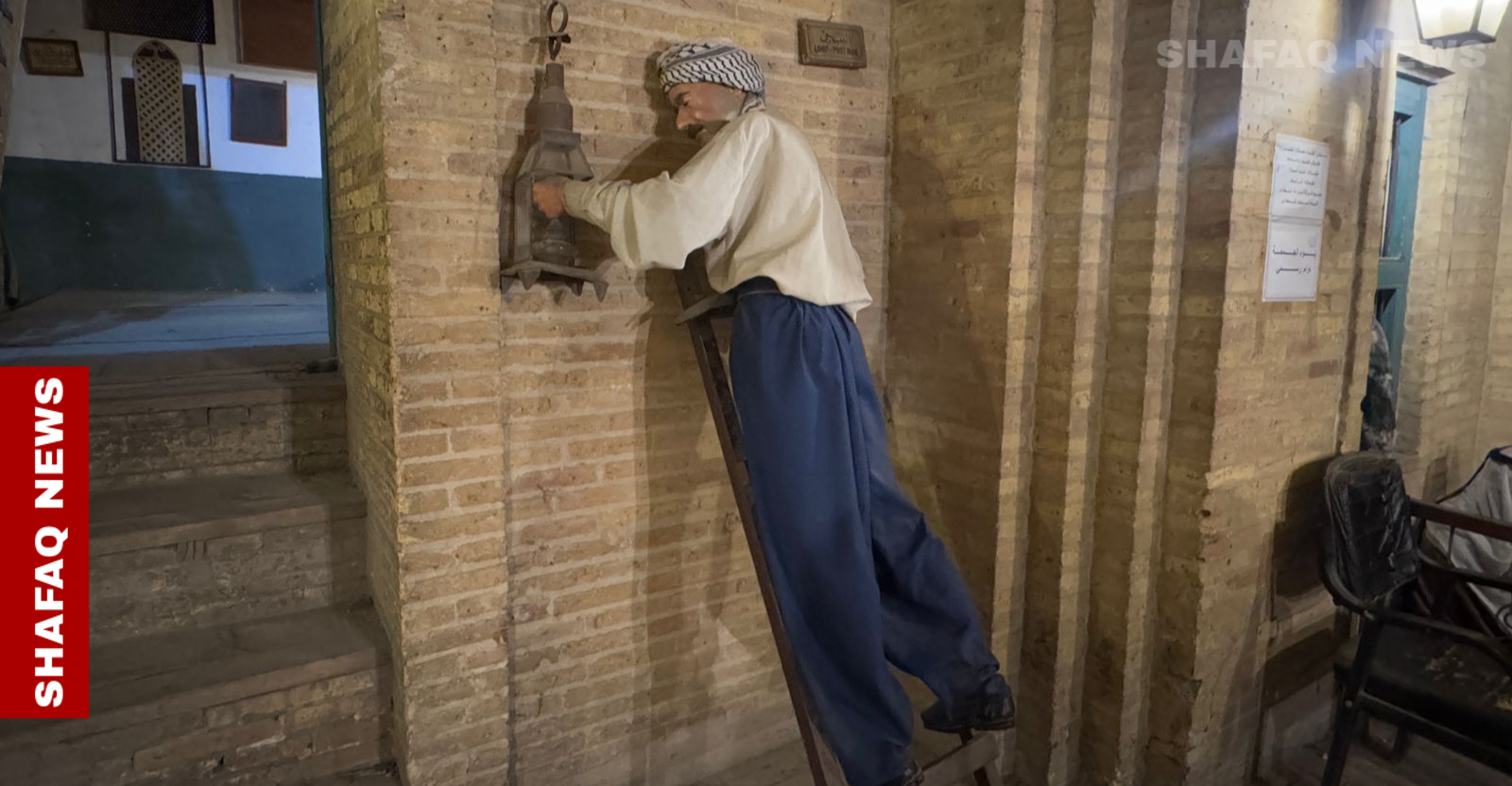
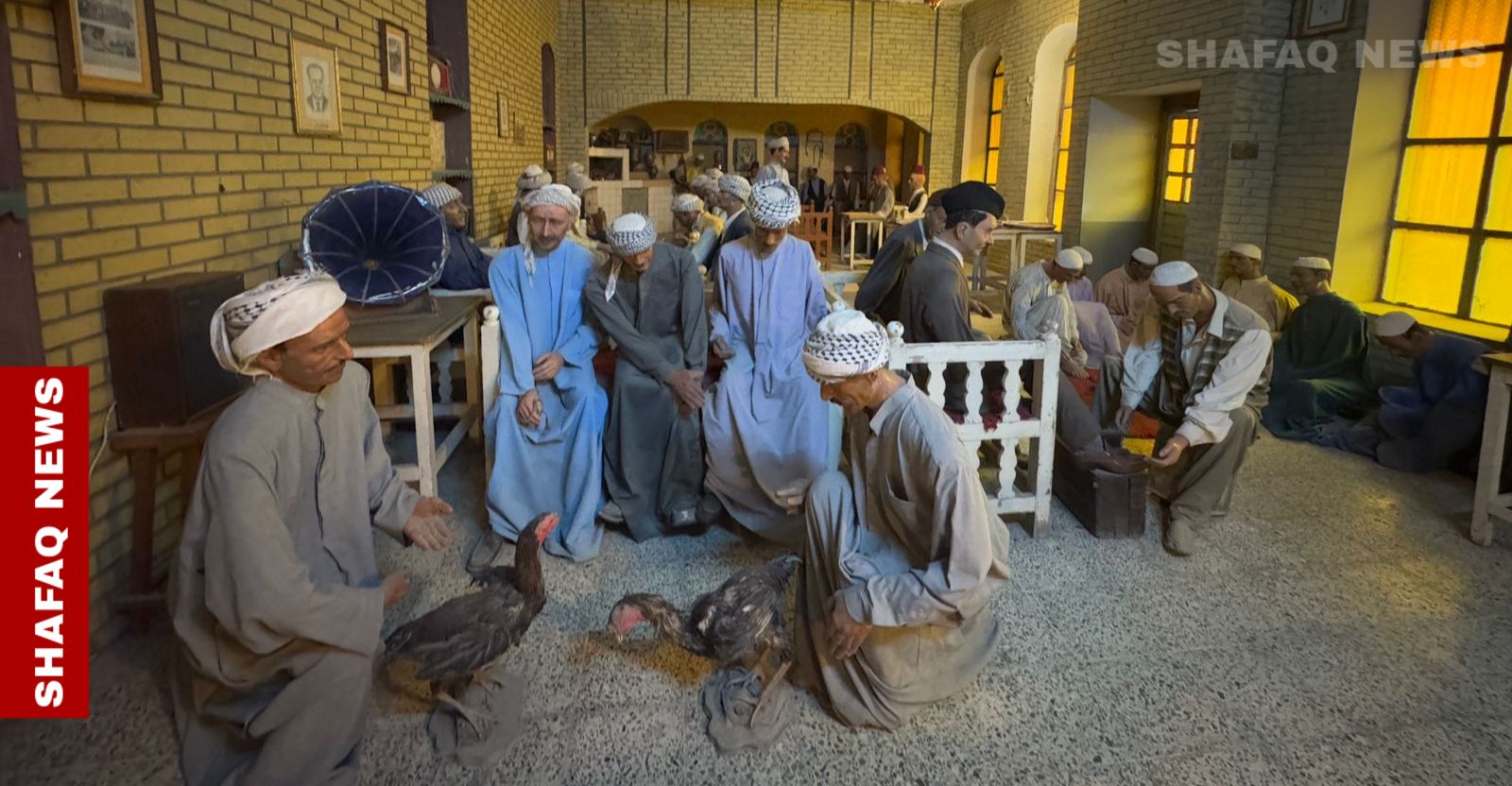
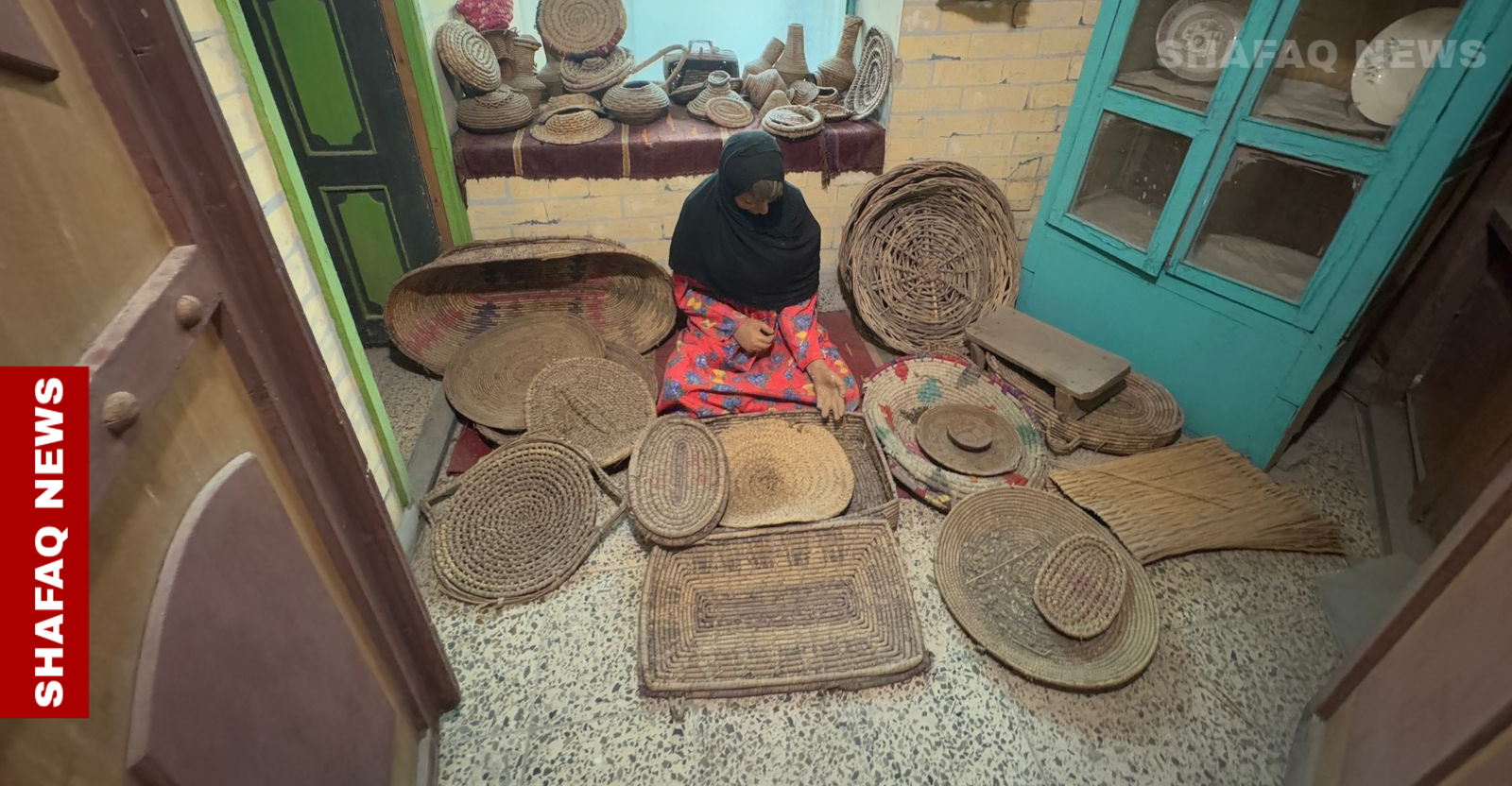
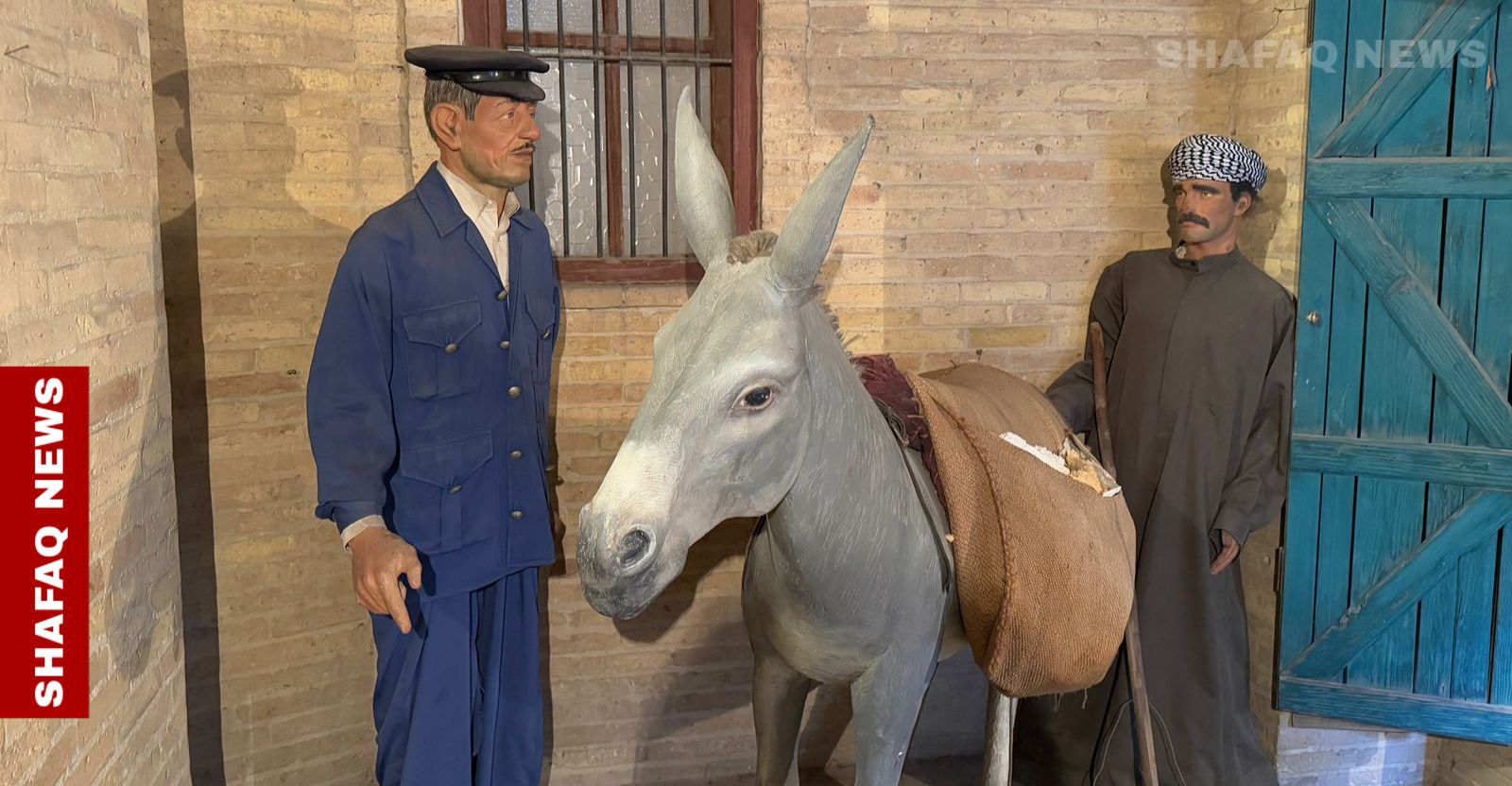
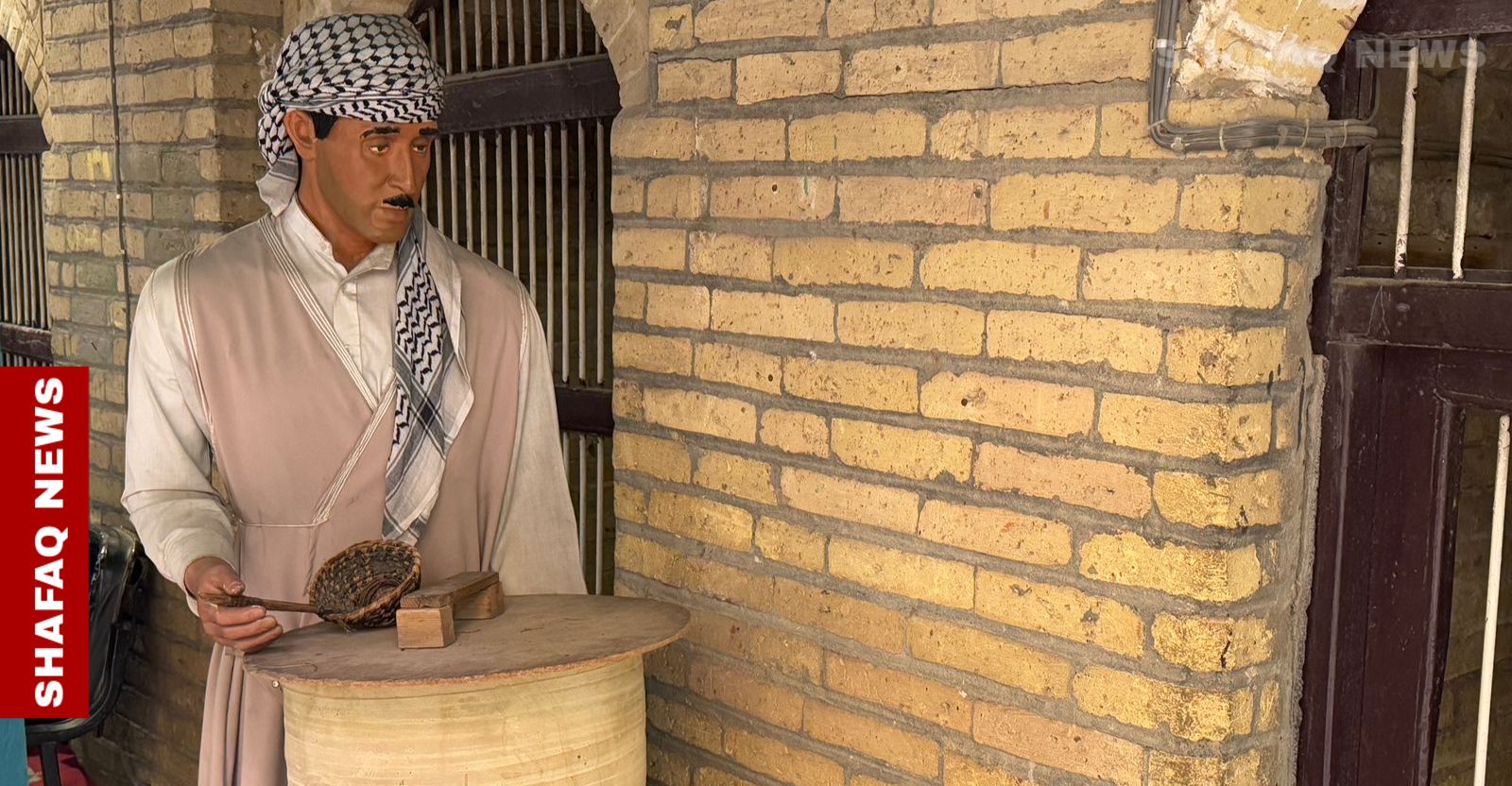
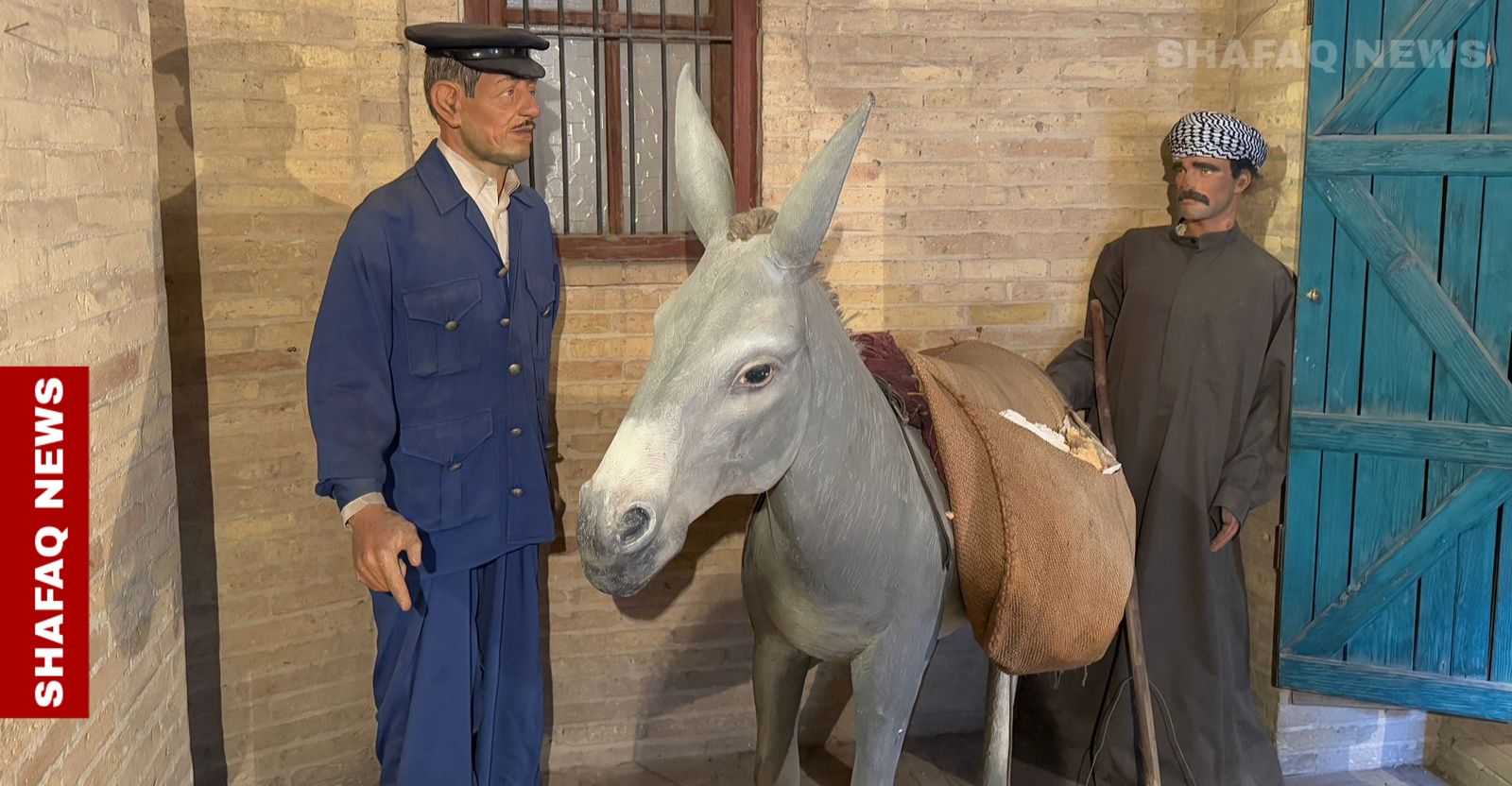
During a visit to the Baghdad Museum on Al-Mutanabbi Street, Shafaq News documented some of these vanished professions that were once common in the city, including the porcelain repairman, the postman, and the lamp maker.
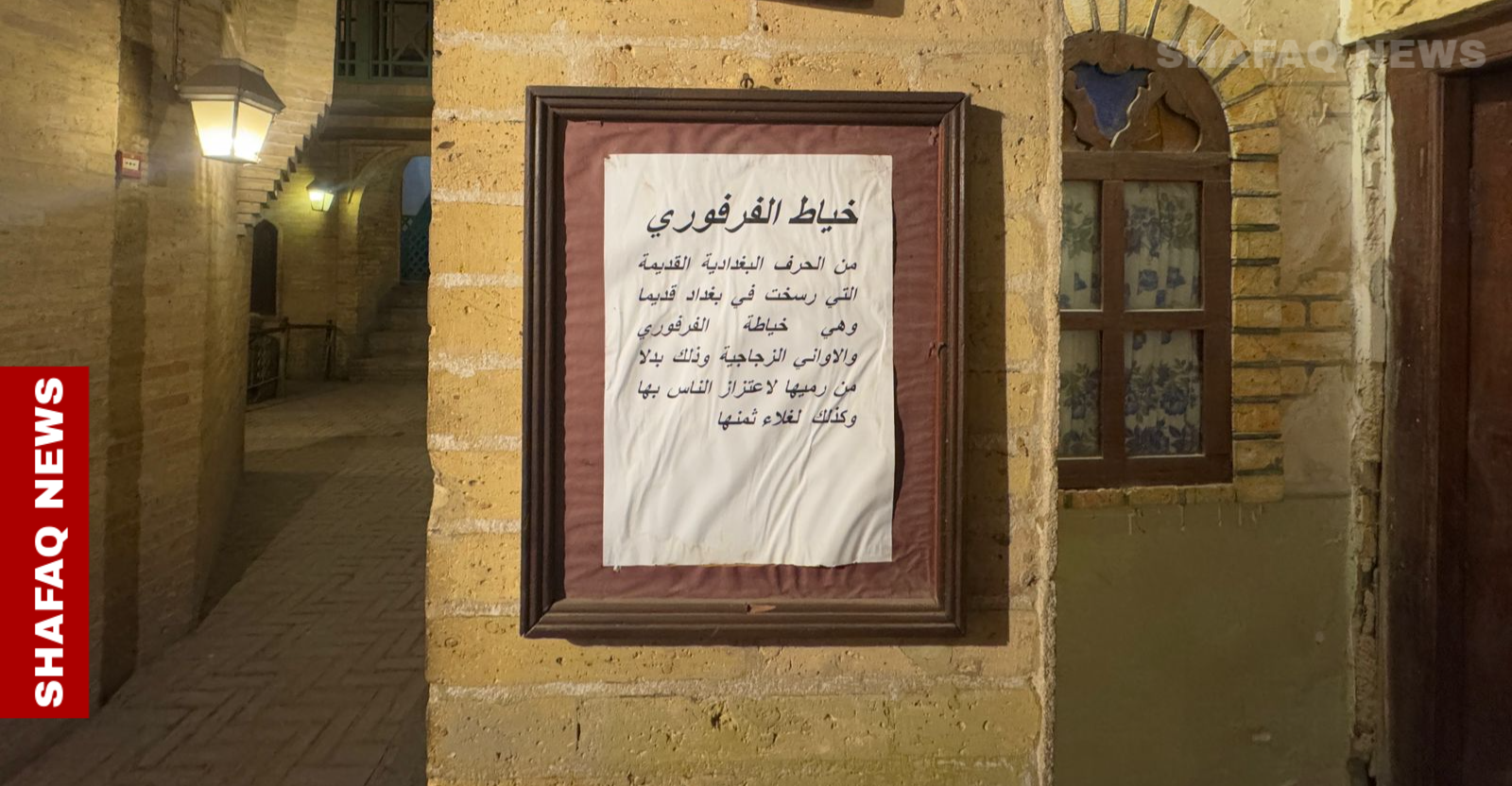
The Craft of Porcelain Repair
In the 1960s, porcelain repair was a widespread profession in Baghdad. Craftsmen specialized in fixing broken ceramic dishes, pitchers, and cups—essential items in homes, cafés, and restaurants.
These repairmen would roam Baghdad’s alleys, carrying their tools and calling out “Khayyat Farfouri” (porcelain repair) to attract customers. The trade, however, was not lucrative. It was often practiced by those with limited financial means, offering small earnings in return for hours of labor.
Though the craft has disappeared, Hussein Abdul Redha, one of Baghdad’s oldest porcelain repairmen, is still remembered by his family. His son, Abdul Karim Hussein, 49, vividly recalls his father’s work.
"My father didn’t make much money, yet he managed to buy a house from this trade," Abdul Karim told Shafaq News. "I was a child when he worked, but I still hear his calls ringing in my ears. Neighbors would bring their broken dishes to our home for repair. Back then, greed was rare—people helped each other."
He added that his father used a “primitive” machine, operated by foot pedals, to drill and mend porcelain, along with an adhesive to bond the broken pieces and tin strips to reinforce pitchers. However, as porcelain became more affordable, the demand for repair services vanished, and with it, the profession.
The Postman
Another disappearing profession is that of the postman, once a crucial figure in Iraq. He was the bearer of long-awaited letters, bringing news of love, longing, and joy to doorsteps across Baghdad.
With his bicycle and satchel full of letters, the postman symbolized anticipation and connection. Before the digital revolution, Iraqis relied on him to deliver letters between families and loved ones.
Abbas Al-Moussawi still remembers how his mother cherished the letters delivered by the postman from her daughter, who had married and moved to another province.
"My mother was illiterate, unable to read or write, yet she kept a metal box where she stored the letters," Al-Moussawi recalled in an interview with Shafaq News. "She would open it from time to time, gazing at the letters as if she could see her daughter within them."
More than just a government worker, the postman was a witness to stories of joy and sorrow, bridging distances between loved ones. However, with the rise of the internet and mobile phones, his role became obsolete, leaving only memories of an era when letters carried the weight of emotions.
The Lamp Maker
Among the professions lost to modernization is that of the lamp maker, who crafted and maintained oil lanterns, the primary source of illumination for homes and streets before electricity reached Baghdad.
Using tin cans and glass, the lamp maker built lanterns that provided light to shops, homes, and public spaces. At dusk, he would make his rounds, carrying a kettle of oil to ignite the lanterns, and before dawn, he would return to extinguish them, earning a modest wage from the municipality along with small tips from locals.
Heritage researcher Adnan Sabah Al-Bahadli explained to Shafaq News that, "This profession was once widespread, with some families passing it down through generations. But with the arrival of electricity, the lamp maker and his lanterns faded into history, surviving only as decorative relics."
Trades May Vanish, But Memories Remain
Technological progress has undoubtedly reshaped society, erasing many traditional professions. However, the disappearance of such traditional crafts in Baghdad is not solely due to technological advancements. Economic challenges, including Iraq's financial crises and the influx of inexpensive imported goods, have significantly impacted local artisans. The availability of cheaper, mass-produced items has diminished the demand for handcrafted goods, rendering many traditional professions economically unviable.
As these professions faded, many artisans were forced to abandon their trades. Some sought alternative employment, while others faced unemployment due to the lack of demand for their specialized skills. The younger generation, observing the economic hardships of their elders, often chose different career paths, leading to a discontinuation of these traditional crafts.
Even today, the legacy of these trades endures in the collective memory of Iraqis, serving as a reminder of an era when skill and perseverance shaped everyday life. They embodied a culture of simplicity and dedication, where individuals took pride in their work, regardless of its scale or status.