Lebanon's Hezbollah shifts from battlefield to political fight over weapons


Shafaq News
The latest confrontation between Hezbollah and Israel appeared set to become an open military conflict that could reshape the rules of engagement established after the 2024 war, particularly as it unfolded within a broader regional confrontation involving the United States, Israel, and Iran.
However, after two ceasefire agreements were reached, in November 2024 and April 2026, Hezbollah's focus shifted from the battlefield to the political arena. While political developments largely reflect the military balance on the ground, the possibility of renewed fighting remains, as no final agreement has been reached on either Hezbollah's weapons or Israel's withdrawal from southern Lebanon.
The Iran-aligned group is now facing what many observers in Lebanon describe as its most difficult period since its founding. Since the 2024 war, the group has remained largely in a defensive political and military position, a reality that has become increasingly evident in Lebanon's domestic landscape, where developments have unfolded contrary to its expectations.
What reinforces Hezbollah supporters’ argument, in their view, are Israeli statements and continued violations of the ceasefire, along with Israel’s failure to commit to any regional agreement aimed at halting the fighting. This is further compounded by recent remarks from Israeli Defense Minister Israel Katz, who said that Israel would not withdraw from southern Lebanon and that it had applied the model of destruction seen in Gaza to areas it occupies in Lebanon.
Military Balance Reshapes Political Landscape
During the fighting, which began on March 2, Hezbollah claimed responsibility for more than 1,000 military operations against Israeli positions and bases in southern Lebanon and beyond the border. The operations included precision-guided missiles, attack drones, anti-tank missiles, and strikes targeting military vehicles and troop concentrations along the frontier.
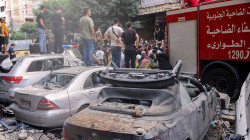
Israeli military said it had destroyed thousands of Hezbollah military targets and killed a large number of the group's commanders and fighters, describing the damage to Hezbollah's military infrastructure as unprecedented. The conflict also resulted in Israeli forces occupying about 60 villages in southern Lebanon, advancing as far as 11 kilometers into Lebanese territory in some areas.
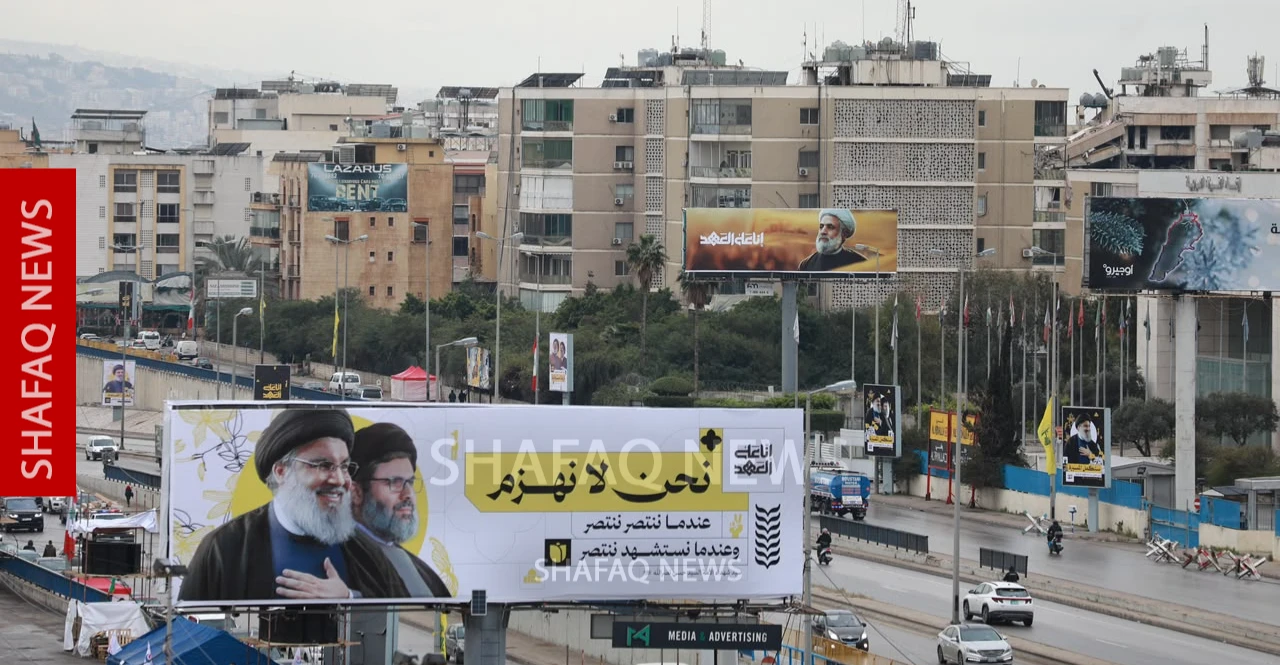
The new military reality in southern Lebanon has directly affected Hezbollah's standing in Lebanon's internal political scene. The group has expressed reservations about several decisions taken by the country's official leadership, including President Joseph Aoun and Prime Minister Nawaf Salam's government, including the plans of disarmament and relations with Israel. These decisions, along with the latest framework agreement reached following direct negotiations with Israel under US mediation, have placed Hezbollah under increasing political pressure.
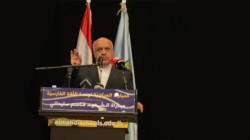
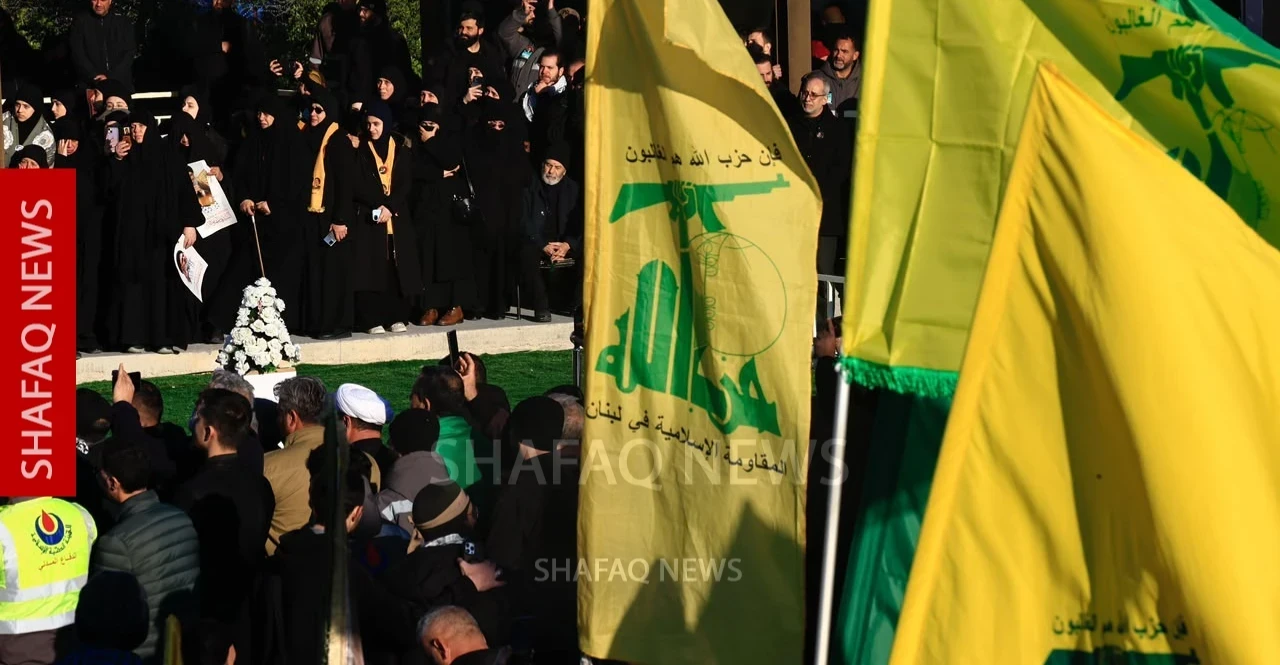
The official Lebanese position and the framework agreement treat Hezbollah's weapons as the primary issue that must be resolved before addressing other outstanding disputes between Lebanon and Israel. Hezbollah has consistently rejected that position. Its Secretary-General, Naim Qassem, has reiterated the group's stance in several speeches in recent weeks. In his latest remarks, he described the US-sponsored agreement between Lebanon and Israel as "null and void," arguing that linking an Israeli withdrawal to Hezbollah's disarmament amounted to "surrender" and was therefore unacceptable. He also said the group would maintain its presence on the ground and insisted that its weapons are "an internal Lebanese matter" rather than an issue to be negotiated with Israel.
In another speech, Qassem called for a return to indirect negotiations, arguing that any solution should begin with an Israeli withdrawal and the deployment of the Lebanese Army south of the Litani River, in line with Hezbollah's interpretation of the 2024 agreement.
Shrinking Alliance Network?
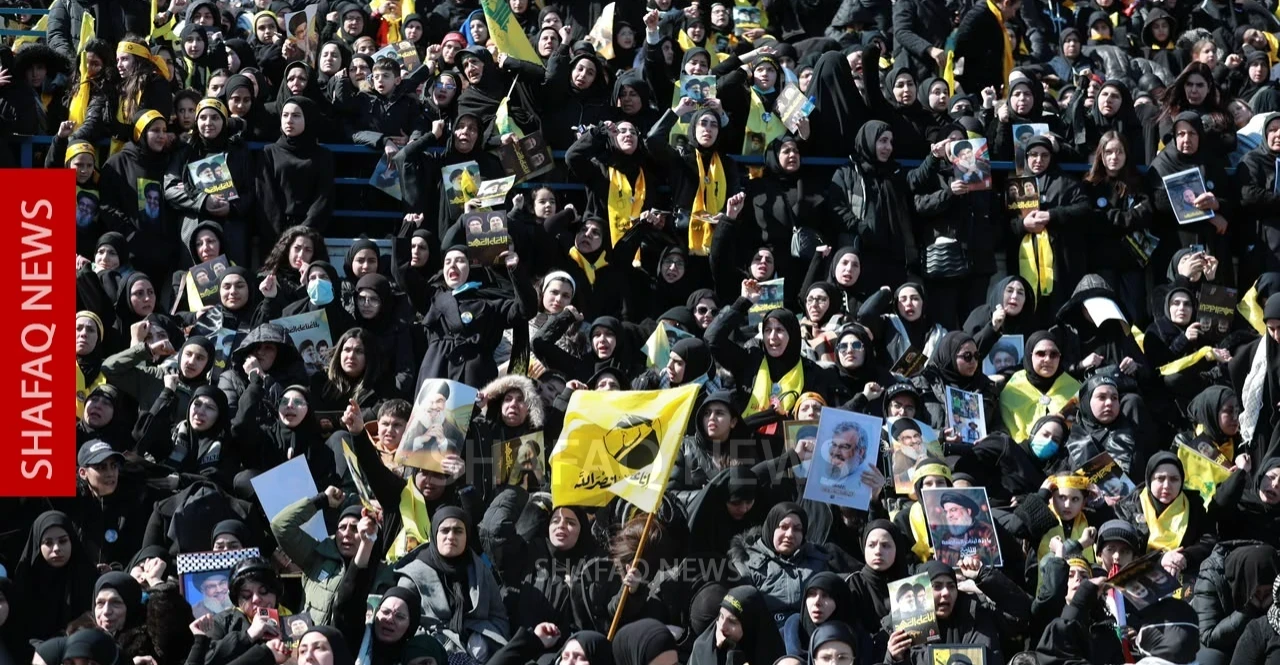
Within Hezbollah’s media circles, there is a prevailing belief that its support base is more inclined toward confrontation than the position adopted by the "Shiite Duo" leaderships (Hezbollah and the Amal Movement).
According to this view, that sentiment is likely one of the reasons behind the reported two-year postponement of elections, as the alliance is expected to demonstrate its popular cohesion, which could be reflected in Lebanon's domestic political landscape.
Lebanese political writer Abdullah Qamh told Shafaq News that most political groups that were once close to Hezbollah, whether as allies, partners such as the Free Patriotic Movement, led by Gebran Bassil, or beneficiaries of the party's influence, have distanced themselves from it for various reasons.
Qamh noted that some factions sought to separate themselves from Hezbollah politically, while others adjusted their positions out of concern over potential US sanctions. “Other groups no longer viewed Hezbollah as a source of political advantage and now consider the party weaker than before.”
He also said some Lebanese political actors have chosen to keep their distance from Hezbollah because of their foreign relations and strategic interests, while others concluded that “the party had weakened significantly.” According to Qamh, Hezbollah has lost around 80% of its allies, with the remaining 20% consisting mainly of small parties grouped under the umbrella of nationalist movements, in addition to the two main allies: the Syrian Social Nationalist Party and the Amal Movement.
Despite those losses, Qamh stressed that Hezbollah, through its alliance with the Amal Movement led by Parliament Speaker Nabih Berri, “continues to hold a solid popular, political, and parliamentary position because it retains strong support within Lebanon's Shiite community.”
He argued that many Lebanese Shiites, whether aligned with the Shiite Duo or not, “perceive the pressure facing Hezbollah as targeting the Shiite community as a whole rather than the party alone.”
Political writer Khalil Nasrallah, a Lebanese analyst specializing in Hezbollah and the Axis of Resistance affairs, said it would be “inaccurate to describe the party as being in decline.” Instead, he explained that “Hezbollah is reorganizing its priorities in response to changing circumstances rather than pursuing its preferred agenda.”
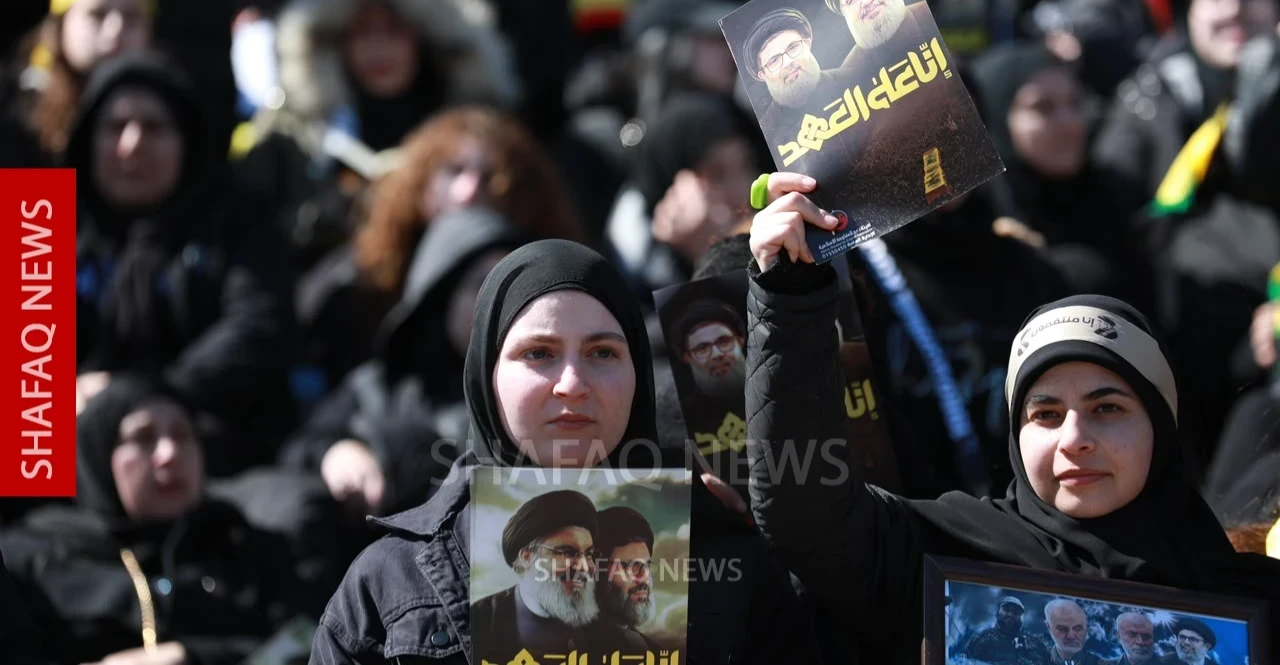
In an interview with Shafaq News, Nasrallah pointed out that Hezbollah cannot shift its focus entirely to domestic political activity while Israel continues to occupy dozens of villages in southern Lebanon, carry out attacks, and threaten to seize additional territory.
"For Hezbollah, liberation remains the priority, after which greater attention can be devoted to its domestic political presence," he said, adding that the party continues to participate in Lebanon's political arena, although at a more limited level because of developments inside Lebanon and across the region.
He also highlighted that those regional developments have reshaped Hezbollah's role. While the party previously maintained a direct presence in Syria and Iraq, he argued, those conditions have changed following the defeat of ISIS in Iraq and the fall of the Bashar al-Assad regime in Damascus. As a result, “Hezbollah has become more focused on Lebanon's internal affairs while continuing to coordinate with other resistance groups across the region.”
Domestic Divisions Deepen
Within Lebanon, Hezbollah's weapons have become an unprecedented source of political division, reflecting broader regional dynamics similar to debates taking place in Iraq. Political opponents, who secured at least 50 seats in the 128-seat parliament, argue that the humanitarian and economic costs of the war demonstrated that decisions on war and peace should rest exclusively with the Lebanese state. They also contend that reconstruction efforts and the restoration of international support require the state to hold a monopoly on arms and fully implement international resolutions.
Against this backdrop, Lebanon's political scene continues to evolve while Hezbollah remains constrained by a series of political and strategic challenges. So far, the group's response has largely been limited to rejecting direct negotiations with Israel and the outcomes they produced, without translating that position into field action or political measures capable of altering the current course.
Following the first stage of the Lebanon-Israel framework agreement, which involved the deployment of the Lebanese Army in several villages in southern Lebanon as pilot zones, Hezbollah is approaching a decisive moment. The key questions now center on whether the Lebanese authorities will seek to disarm Hezbollah across the country, rather than only south of the Litani River, and how the group would respond if the Lebanese Army attempted to implement such a decision.
The group has maintained that it will not surrender its weapons outside the area south of the Litani, stressing that the issue should be addressed through internal Lebanese dialogue. That position suggests the group is unlikely to relinquish its arsenal despite the risk of a domestic political crisis that could escalate into confrontation with the Lebanese Army, a scenario both sides have so far sought to avoid.
Conversely, if Hezbollah were to hand over its weapons or military infrastructure outside the southern Litani area, many observers believe it would mark the beginning of a broader disarmament process and represent a significant strategic loss for the group.
Read more: South Lebanon framework: What we know so far
Regional Calculations Shape Next Phase
Recent battlefield developments before the ceasefire also suggest Hezbollah has no intention of disarming. During fighting around the Ali al-Taher hill in Nabatieh district, which lies outside the area south of the Litani River, Hezbollah repelled repeated Israeli attempts to seize the strategic position. The group returned to a strategy of direct combat despite the high cost, reversing an earlier approach under which Hezbollah officials had said holding territory was not the primary objective of operations against Israeli forces.
Adding to the complexity is the possibility of Syrian intervention against Hezbollah, an issue repeatedly raised by US President Donald Trump. However, Syria’s transitional President Ahmed al-Sharaa has denied any such plan.
The interplay between Lebanon's domestic politics and broader regional dynamics continues to shape Hezbollah's strategic calculations. At home, the group faces mounting political pressure, while on the battlefield the latest round of fighting underscored the limits of military options. Despite introducing fiber-optic-guided drones as a new battlefield capability, Hezbollah was unable to secure a decisive outcome against the Israeli army, which nevertheless sustained heavy losses in personnel and equipment.
At the same time, Hezbollah has retained its weapons, preserved substantial support in its traditional strongholds, and continues to rely on what it considers a key strategic factor: unlike previous conflicts, it is operating as part of a broader regional alliance. Whether Hezbollah resumes or suspends military operations remains closely linked to coordination with Iran and its regional allies.
The group is now looking to the outcome of the wider regional conflict, hoping that any gains secured by Iran will strengthen its own position and enable it to preserve a significant part of its influence militarily and politically.
Written and edited by Shafaq News staff.